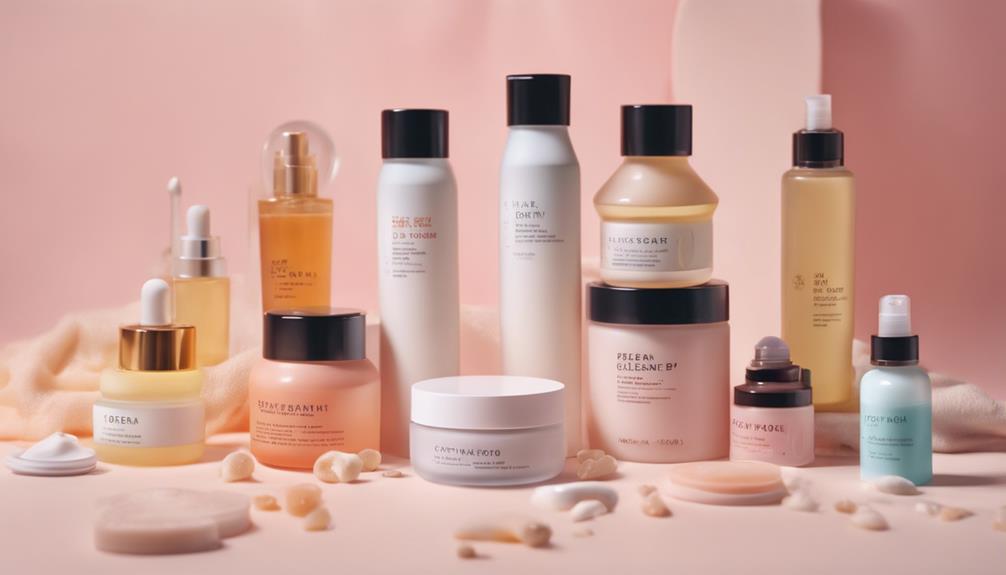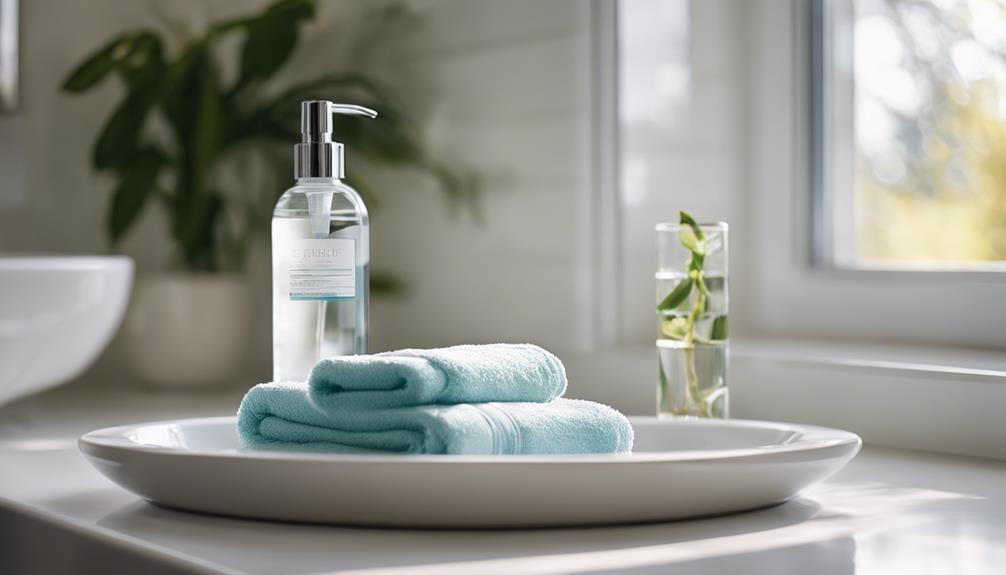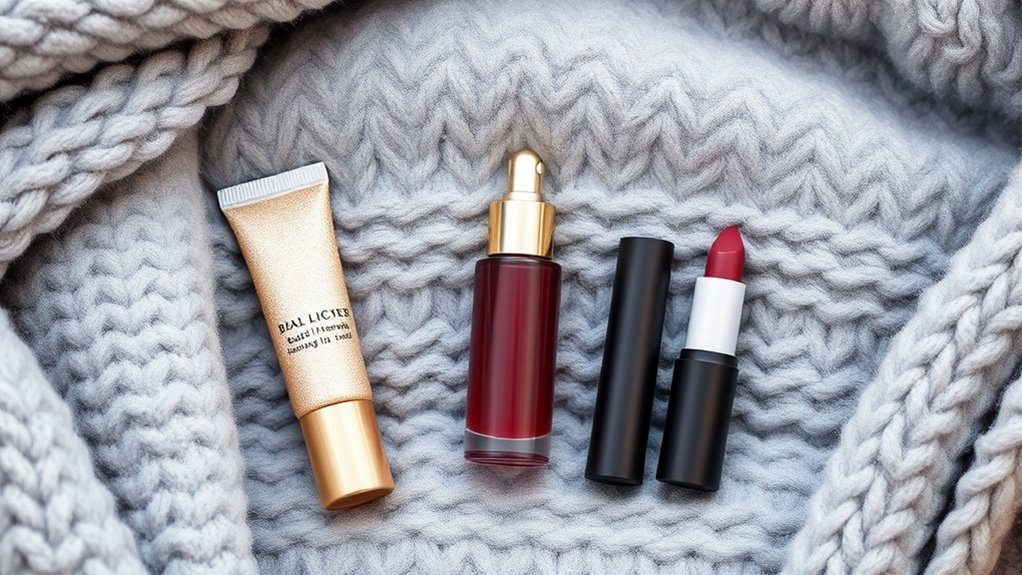
During winter, protect your lips by choosing hydrating balms with shea butter, beeswax, or petrolatum that create a barrier against cold and wind. Incorporate nourishing oils like coconut, jojoba, or almond for extra moisture and smoothness. Use tinted balms or glosses to add color while keeping lips soft and hydrated. Regular exfoliation with DIY sugar scrubs and deep-hydrating masks can boost your lip health. Keep these tips in mind to maintain luscious lips all season long.
Open a free Amazon Business account
Business pricing, bulk buying and tax-exempt orders.
As an affiliate, we earn on qualifying purchases.
Key Takeaways
- Use hydrating lip masks and DIY scrubs weekly to exfoliate and deeply moisturize lips during winter.
- Choose nourishing balms with shea butter, beeswax, or petrolatum to form a protective barrier against cold and wind.
- Apply natural oils like coconut or jojoba directly or mix into balms for added hydration and healing.
- Reapply lip products frequently, especially after eating or drinking, to maintain moisture and prevent chapping.
- Incorporate environment improvements like air purifiers and protect lips with layered balms for extra winter defense.
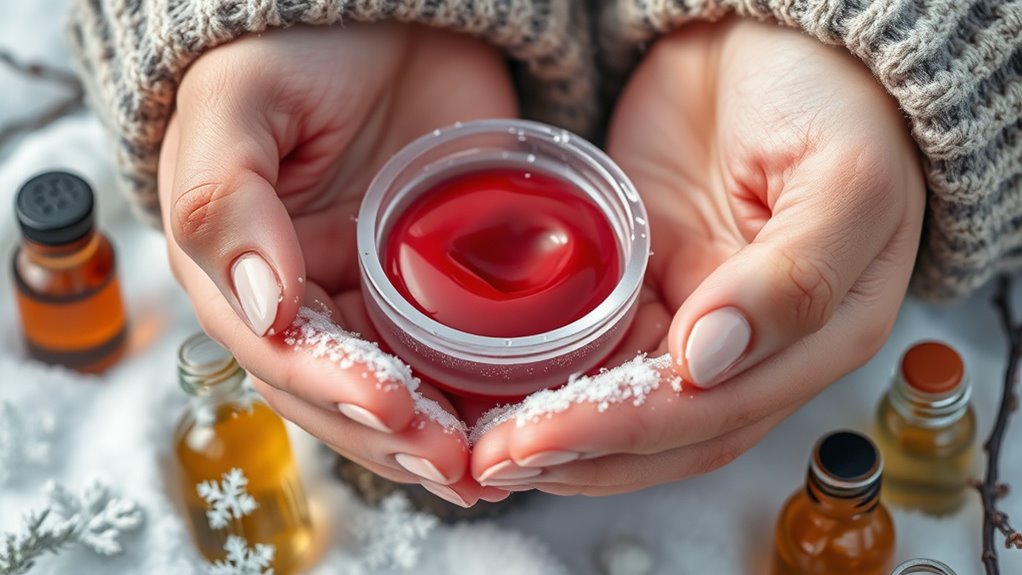
Winter can be harsh on your lips, causing them to become dry, chapped, and uncomfortable. Cold air, low humidity, and indoor heating strip away moisture, leaving your lips cracked and irritated. To combat this, you need a solid lip care routine that keeps your lips nourished and protected. One effective way to start is by incorporating a DIY lip scrub into your routine. Making your own scrub is simple and affordable—you can mix sugar with honey or coconut oil to gently exfoliate dead skin. This process removes dry, flaky layers, revealing smoother, healthier lips underneath. Use your DIY lip scrub once or twice a week, especially before applying a hydrating lip mask or balm, to maximize moisture absorption.
Hydrating lip masks are another essential in winter lip care. Unlike standard balms, these masks penetrate deeply, providing intense hydration that lasts longer. You can opt for store-bought hydrating masks or create your own at home using natural ingredients like aloe vera gel, honey, or avocado. Applying a thick layer before bed allows the mask to work overnight, repairing damage and restoring softness. During the day, a hydrating lip mask acts as a protective barrier, preventing moisture loss from harsh weather. Combining regular exfoliation with nourishing masks ensures your lips stay supple and comfortable all winter long.
Hydrating lip masks deeply nourish and protect, keeping lips soft and smooth all winter long.
In addition to exfoliating and masking, using the right lip balm is vital. Look for formulas that contain ingredients like shea butter, beeswax, or petrolatum—these create a barrier against the elements. Avoid products with alcohol or artificial fragrances, which can dry out your lips further. During the day, reapply your balm frequently, especially after eating or drinking, to maintain a protective layer. For extra comfort, consider layering a tinted lip balm or gloss that adds a touch of color without sacrificing hydration. This way, you get both style and protection, perfect for the winter months.
Oils like coconut, jojoba, or almond can also be beneficial for keeping your lips nourished. You can apply a few drops directly or mix them into your lip balm for an added boost of moisture. These oils help replenish the natural oils your lips lose during winter, helping to prevent chapping. Remember, hydration from the inside is just as important—drink plenty of water throughout the day to support your skin’s moisture levels. By combining exfoliation, nourishing masks, protective balms, and hydrating oils, you’ll keep your lips healthy, soft, and beautiful despite the winter weather. Incorporating an air purifier into your home can also help reduce indoor pollutants that may irritate sensitive skin and lips during the colder months.
winter hydrating lip balm with shea butter
As an affiliate, we earn on qualifying purchases.
As an affiliate, we earn on qualifying purchases.
Frequently Asked Questions
Are Natural Ingredients More Effective Than Synthetic Ones?
Natural ingredients can be more effective than synthetic ones, especially if you’re looking for gentle, nourishing lip care. They often contain fewer chemicals, reducing irritation and providing better hydration. However, synthetic ingredients may offer longer-lasting effects or specific benefits like SPF. Ultimately, it depends on your skin type and preferences. You might find that a combination of both works best, so pay attention to how your lips respond.
How Often Should I Exfoliate My Lips in Winter?
An ounce of prevention is worth a pound of cure, so you should exfoliate your lips 2-3 times a week during winter. Use gentle winter lip scrubs to remove dry, flaky skin without irritation. Over-exfoliating can cause redness or soreness, so stick to this frequency. Make lip exfoliation part of your routine to keep lips smooth and healthy, especially when harsh weather threatens your winter glow.
Can Lip Tints Cause Dryness or Chapping?
Lip tints can cause dryness or chapping if their ingredients include alcohol or other drying agents. When you apply lip tint, make sure to do so gently and avoid overapplication, as heavy layers can exacerbate dryness. Opt for tints with nourishing ingredients like aloe or vitamin E, and always follow with a hydrating balm. Proper lip tint application and choosing the right formula help prevent chapping and keep your lips healthy.
What’s the Best Way to Prevent Lipstick From Feathering?
To keep your lipstick perfectly in place, think of it as a delicate dance. Use lip liner tips to create a barrier, defining your lips and preventing feathering. Follow with moisturizing techniques to keep lips smooth and supple, reducing the chances of bleeding. Applying a thin layer of foundation or concealer around your lips can also help. These simple steps turn your lip look into a flawless, long-lasting statement.
Do Certain Fabrics or Clothing Affect Lip Dryness?
Certain fabrics or clothing can affect your lip dryness, especially if they cause fabric irritation or don’t provide adequate clothing insulation. Synthetic materials may trap sweat and irritate your skin, worsening dryness. Loose, breathable fabrics help prevent irritation and keep moisture in, while layered clothing offers better insulation, reducing overall dryness. To protect your lips, choose soft, natural fabrics and avoid tight or irritating materials that could exacerbate dryness.
Conclusion
Now that you’ve learned how to keep your lips soft and supple this winter, it’s clear that a little extra care goes a long way. Use your favorite balms, oils, and tints regularly to prevent chapping and damage. Remember, prevention is better than cure, so don’t wait until your lips are crying out for help. With consistent attention, you’ll stay ahead of the game and keep your smile looking fabulous all season long.
NFL season / tailgating Picks
team gear
As an affiliate, we earn on qualifying purchases.