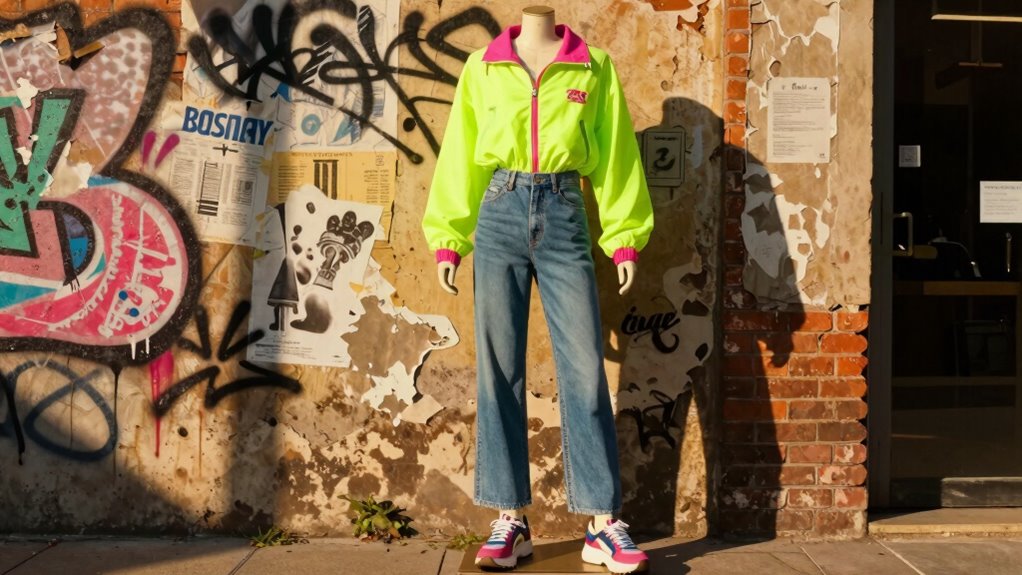

Nostalgia keeps reshaping style language by inspiring you to reinterpret vintage symbols, blending past and present to create fresh expressions. When you incorporate retro elements, you connect emotionally with shared history, evoking comfort and authenticity. As society shifts, you adapt familiar symbols to fit new contexts, making style a dynamic reflection of cultural memory. If you explore further, you’ll discover how this ongoing dialogue shapes personal and collective identity through style.
Key Takeaways
- Nostalgia introduces vintage symbols that are reinterpreted to fit contemporary cultural contexts.
- It fosters innovation by blending old styles with new perspectives, creating dynamic fashion language.
- Nostalgic references evoke shared emotional connections, shaping collective perceptions of style.
- Cultural shifts influence how nostalgic symbols are perceived and integrated into modern design.
- The ongoing dialogue between tradition and modernity continually transforms style symbols and their meanings.
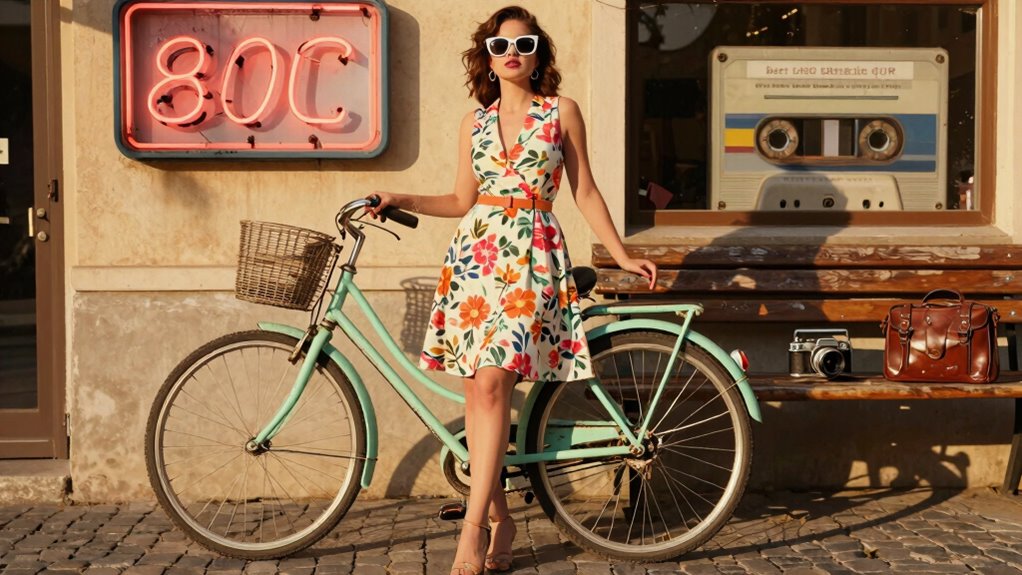
Nostalgia has a powerful influence on style language, shaping how we communicate and what symbols or references we find meaningful. When you look at fashion, music, or even everyday slang, you’ll notice a recurring theme: a longing for the past. This longing fuels a vintage revival, where old styles and aesthetics resurface, blending elements from different eras into something new yet familiar. You might find yourself drawn to retro logos, classic patterns, or vintage-inspired clothing because they evoke a sense of comfort and authenticity rooted in cultural symbolism. These symbols serve as a bridge, connecting you to a shared history or collective memory, and in doing so, they reinforce a sense of identity.
As you adopt these vintage styles, you’re not just copying what’s old; you’re reshaping the language of style itself. Nostalgia acts as a catalyst, transforming old symbols into new ones that carry fresh meanings. For example, a 70s-inspired playlist or a vintage-inspired logo on a product can instantly communicate a sense of authenticity, rebellion, or simplicity, depending on how you interpret it. You might wear a leather jacket reminiscent of a rebellious era or use slang that harks back to earlier decades, all because these symbols resonate with your personal or societal narratives. This process keeps style language dynamic, constantly evolving as new generations reinterpret and repurpose these symbols for their own contexts. Additionally, the cultural symbolism embedded in these elements enhances their emotional and social significance, making them powerful tools for expression and connection across different communities. Recognizing these symbols’ cultural significance can deepen your understanding of their impact on identity formation and societal values. Moreover, the way these symbols are incorporated often reflects broader cultural shifts, highlighting the ongoing dialogue between tradition and innovation within style trends. As a result, the cultural context surrounding nostalgic elements influences how they are perceived and adopted over time, shaping collective perceptions and individual choices.
Cultural symbolism plays an essential role in this ongoing reshaping. When you incorporate nostalgic elements into your style, you’re tapping into a shared cultural lexicon that transcends individual expression. These symbols often carry layers of meaning—think of vintage band tees, old-school sneakers, or retro typography—that evoke specific emotions or social values. By doing so, you’re participating in a collective conversation that links past and present. Every revival, every reinterpretation, feeds into a larger cultural story, making style language a living, breathing entity that reflects societal shifts and individual memories alike. Ultimately, nostalgia keeps style language lively, ensuring it remains relevant while honoring the roots from which it grew.
Understanding how cultural memory influences design choices helps explain why these symbols resonate so deeply across different communities.
As an affiliate, we earn on qualifying purchases.
Frequently Asked Questions
How Does Nostalgia Influence Fashion Trends Historically?
Nostalgia influences fashion trends historically through vintage revival and retro aesthetics. You see this when designers bring back styles from past decades, like the 70s or 90s, to evoke familiarity and emotional connection. This retro appeal resonates with you, making old trends feel fresh and relevant again. As a result, fashion cycles repeat, blending nostalgia with modern innovation, shaping how you express your style through a continuous reinterpretation of the past.
Can Nostalgia-Driven Styles Impact Sustainable Fashion Practices?
Nostalgia-driven styles can positively impact sustainable fashion practices by fueling a vintage revival and promoting retro sustainability. When you embrace vintage pieces, you extend the life of clothing and reduce waste. This mindset encourages recycling and repurposing, making fashion more eco-friendly. By valuing timeless designs over fast fashion, you help shift the industry toward sustainability, proving that nostalgic styles can be both stylish and environmentally responsible.
What Role Does Nostalgia Play in Digital and Social Media Fashion?
Nostalgia plays a huge role in digital and social media fashion, with 80% of users sharing retro-inspired styles. Memories evoke emotions, making retro revival popular online. You see this in trending hashtags and throwback posts, which connect communities through shared nostalgia. This creates a cycle where digital platforms amplify retro trends, encouraging you to embrace vintage looks and keep fashion’s nostalgic spirit alive in the virtual world.
Are There Cultural Differences in Nostalgic Style Influences?
Yes, cultural differences shape nostalgic style influences. You’ll notice regional aesthetics heavily impact what’s popular, reflecting local history and identity. For example, Western fashion may emphasize vintage 80s or 90s trends, while Asian cultures might incorporate traditional elements into modern styles. These regional influences create a diverse tapestry of nostalgia, blending global trends with local heritage, making style language uniquely reflective of cultural aesthetics around the world.
How Does Nostalgia Affect Consumer Purchasing Behavior in Fashion?
Nostalgia influences your purchasing behavior by driving you toward retro revival trends and vintage appeal. When you see nostalgic styles, you might feel a connection to the past, making you more likely to buy items that evoke memories or a sense of familiarity. This emotional pull encourages you to choose classic or vintage-inspired pieces, fueling demand for nostalgic fashion and shaping current consumer preferences.
Conclusion
So, next time you’re dazzled by vintage vibes or retro revivals, remember: nostalgia isn’t just about reminiscing, it’s about rewriting history with a glossy filter. You’re basically a fashion archaeologist digging up old trends, only to slap them on and call it “new.” But hey, if history’s gonna keep repeating itself, might as well enjoy the reruns—just don’t forget to keep your irony meter handy. Style, after all, is just nostalgia’s clever disguise.