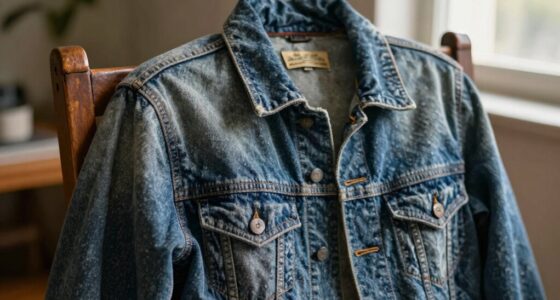

Sustainable fashion begins with fewer panic purchases because impulsive buying leads to overflowing closets filled with unused clothes and rapid waste. When you limit impulse buys, you focus on choosing quality pieces that align with your values, supporting eco-friendly fabrics and ethical manufacturing. This mindful approach reduces environmental impact and builds a wardrobe rooted in durability and purpose. Keep exploring how your choices can create a more ethical and sustainable fashion future.
Prime for Young Adults — start your free trial
Fast free delivery, streaming and member deals for eligible 18–24 year olds.
As an affiliate, we earn on qualifying purchases.
Key Takeaways
- Reducing impulsive buys minimizes waste and supports long-lasting, quality clothing aligned with sustainable values.
- Fewer panic purchases help avoid contributing to fast fashion’s environmental and ethical issues.
- Mindful shopping fosters awareness of supply chain ethics and sustainable fabric choices.
- Making intentional purchases decreases landfill waste and decreases demand for disposable fashion.
- Prioritizing quality over quantity promotes sustainable consumption and supports eco-friendly fashion industry practices.
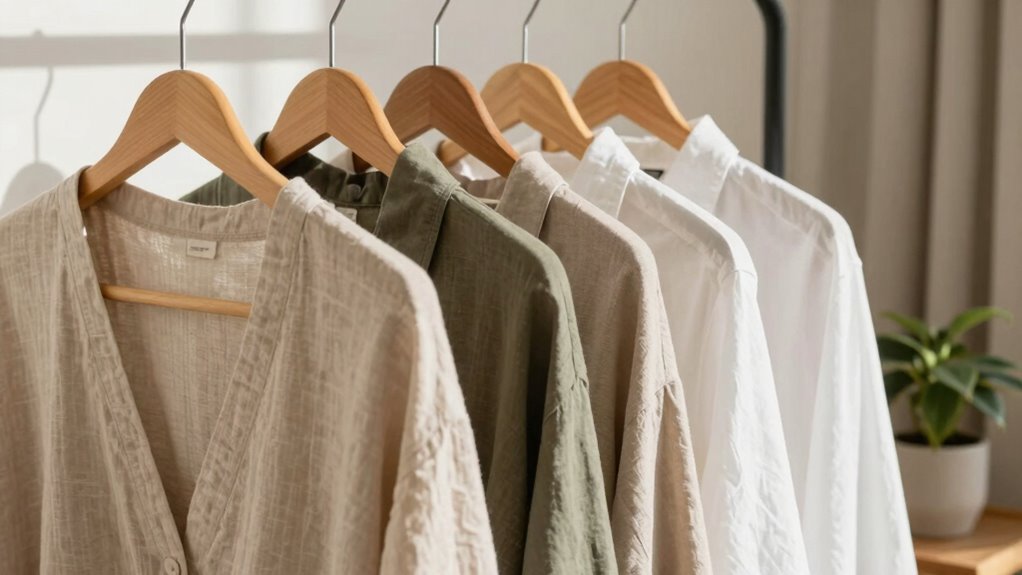
In today’s fast-paced fashion world, it’s easy to fall into the trap of panic buying when new trends emerge or sales tempt you with deep discounts. You might find yourself grabbing items impulsively, simply because they’re available at a bargain or because everyone else is rushing to buy the latest must-have. But this habit of quick purchasing often leads to a closet full of unused clothes and a bigger environmental footprint. If you want to make a real difference in sustainable fashion, start by buying fewer pieces, and choose quality over quantity. This shift allows you to focus on items that truly align with your values, especially when it comes to eco friendly fabrics and ethical manufacturing.
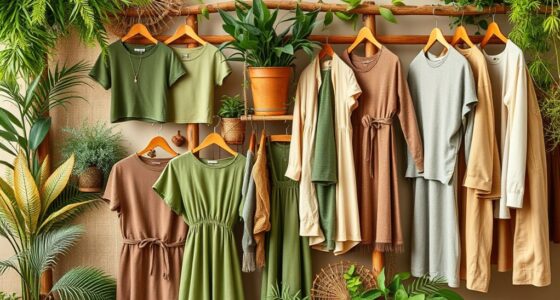
When you buy less, you give yourself the chance to invest in clothes made from eco friendly fabrics. These materials, like organic cotton, hemp, or Tencel, are produced with minimal environmental impact, reducing water use, avoiding harmful chemicals, and supporting sustainable farming practices. Instead of constantly chasing the latest trends, you can prioritize garments that are durable and made from sustainable textiles. This not only helps preserve the planet but also ensures your wardrobe is filled with pieces that last longer. Additionally, choosing sustainable textiles encourages innovation in eco-friendly fabric production, leading to more environmentally responsible options in the future. Recognizing the importance of environmentally responsible materials in fashion can help guide more sustainable purchasing decisions.
Buying fewer clothes made from eco-friendly fabrics helps protect the planet and creates a more durable, meaningful wardrobe.
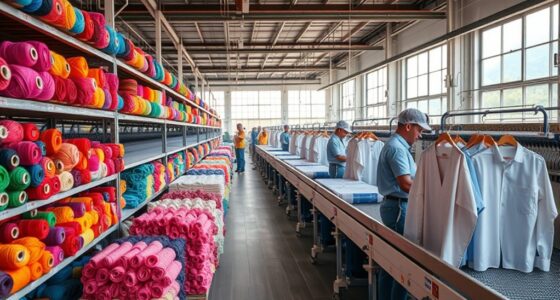
Moreover, reducing your impulse purchases encourages you to consider the ethics behind your clothing. Ethical manufacturing practices focus on fair wages, safe working conditions, and transparency in the supply chain. When you buy fewer items, you’re more likely to research and support brands committed to these principles. You can find companies dedicated to ethical manufacturing that prioritize workers’ rights and environmentally friendly production processes. This conscious approach gives your wardrobe a more meaningful purpose, rather than just filling space with cheap, disposable fashion. Furthermore, understanding the social and environmental impact of your choices can deepen your commitment to sustainable fashion.
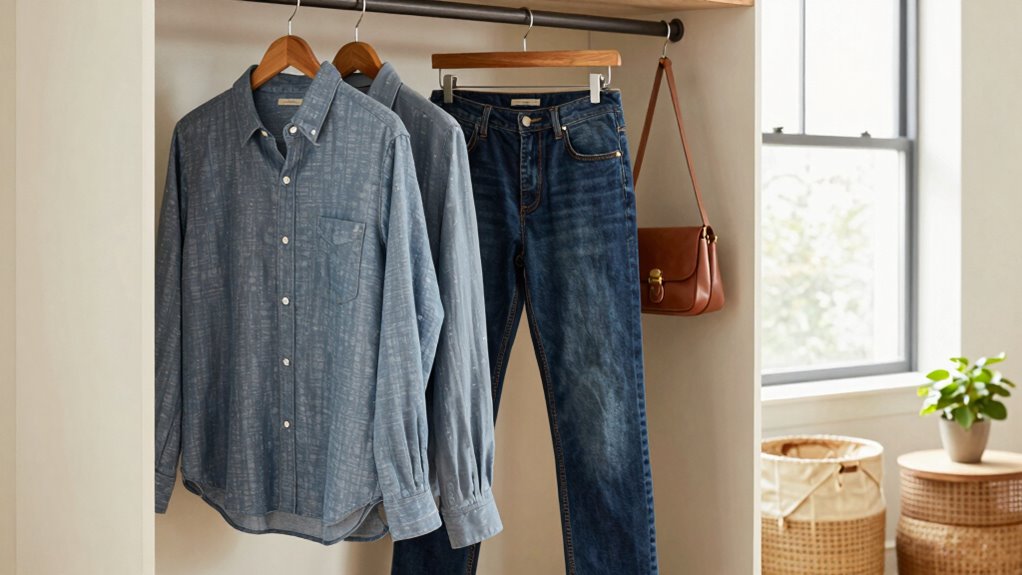
Fewer panic purchases also help you develop a more mindful shopping habit. Instead of reacting to fleeting trends, you learn to assess each item carefully, asking yourself if it’s truly necessary and if it aligns with your values. This mindfulness leads to a more intentional wardrobe, where each piece is chosen with purpose and care. Over time, you’ll notice that your clothing choices become more sustainable, reducing waste and supporting brands that prioritize eco friendly fabrics and ethical manufacturing.
Ultimately, sustainable fashion begins with your choices. By resisting the urge to buy impulsively and focusing on fewer, more meaningful purchases, you contribute to a healthier planet and a more ethical industry. Your wardrobe becomes a reflection of your values, built on quality, sustainability, and respect for people and the environment.
eco friendly organic cotton t-shirts
As an affiliate, we earn on qualifying purchases.
As an affiliate, we earn on qualifying purchases.
Frequently Asked Questions
How Can Consumers Identify Truly Sustainable Fashion Brands?
To identify truly sustainable fashion brands, look for those committed to ethical sourcing and transparent certifications. Check if they openly share their supply chain practices, ensuring fair labor conditions and eco-friendly materials. Trust brands that display recognized certifications like GOTS or Fair Trade, which verify their sustainability claims. By researching their policies and certifications, you can confidently choose brands that prioritize environmental and social responsibility in every aspect of their production.
What Are the Environmental Impacts of Fast Fashion?
Imagine a river choked with dye, reflecting the chaos of fast fashion’s impact. You contribute to this when you buy impulsively, fueling textile waste and water pollution. Fast fashion’s quick turnover leads to mountains of discarded clothes, polluting ecosystems and wasting precious water resources. By reducing panic purchases, you help cut down textile waste and lessen water pollution, protecting the environment for future generations.
How Does Overconsumption Affect Global Waste Management?
Overconsumption overwhelms global waste management systems, leading to increased textile waste that can’t be properly recycled or reused. When you buy more than you need, it hampers efforts in textile recycling and waste reduction, piling up in landfills and polluting the environment. By reducing your purchases, you support better waste management practices, encouraging sustainable textile recycling initiatives, and helping to minimize the environmental impact of excess clothing and textile waste worldwide.
Can Sustainable Fashion Be Affordable for Everyone?
Sustainable fashion can be affordable for everyone if you prioritize ethical sourcing and fair labor practices. Surprisingly, the global secondhand clothing market is projected to hit $77 billion by 2025, making eco-friendly options more accessible. By choosing brands committed to transparency and sustainability, you support fair wages and ethical sourcing, often at comparable prices. Your conscious choices help reduce waste and promote a more equitable fashion industry for all.
What Role Do Policymakers Play in Promoting Sustainable Fashion?
Policymakers play a vital role in promoting sustainable fashion by creating policy incentives that encourage eco-friendly practices and supporting brands committed to sustainability. They set regulatory standards that guarantee transparency, fair labor practices, and environmental responsibility in the industry. By implementing these measures, policymakers help shift consumer demand towards sustainable options, making eco-conscious fashion more accessible and affordable for everyone. Your support for such policies can drive positive change in the fashion industry.
Conclusion
By choosing fewer panic purchases, you’re not only making a stylish statement but also helping the planet. Did you know that the fashion industry accounts for 10% of global carbon emissions? When you shop consciously, you reduce waste and support sustainable brands. Every thoughtful purchase adds up, making a real impact. So next time you’re tempted to buy impulsively, remember: less truly is more—for your wardrobe and the environment.
NFL season / tailgating Picks
team gear
As an affiliate, we earn on qualifying purchases.