
TL;DR

Get your wardrobe favorites delivered free with Prime
- Fast, free delivery on millions of items
- Prime Video, Amazon Music and more included
- Member-only deals all year
As UK temperatures rise, homeowners seek affordable ways to cool their homes. Experts recommend external shading, DIY solutions, and strategic window covers to reduce heat without costly air conditioning. The article details seven proven methods and their effectiveness.
Homeowners seeking to combat rising summer temperatures are turning to a range of proven, low-cost methods to keep their homes cool, as experts emphasize the importance of blocking heat before it enters.
Experts like Tom Greenhill and Stuart Dantzic recommend external shading, such as awnings and blinds, as the most effective way to prevent heat buildup. External blinds, which can reduce indoor temperatures by up to 5°C, are available from brands like Velux, with prices starting around £80 for manual options. For renters or those on a budget, simple DIY solutions like using white sheets or towels over skylights can lower temperatures by 2-4°C.
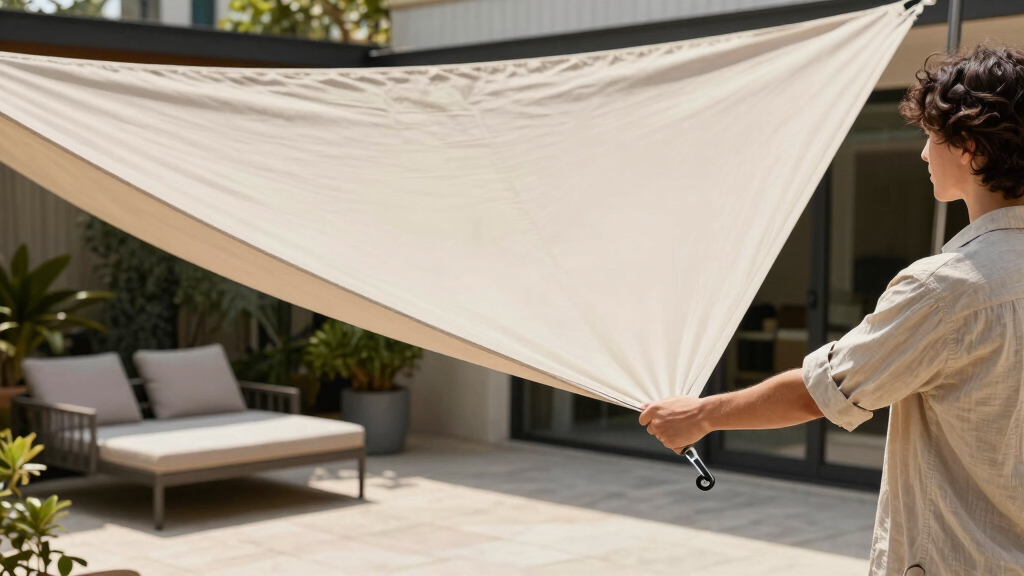
Other strategies include installing solar sails or fabric shades, which can be rigged easily and cost as little as £20. Camouflage nets and mesh shade cloths provide affordable, temporary options to block sunlight while maintaining daylight and ventilation. Additionally, window sashes can be fitted with clip-on shades or mini awnings, such as those costing around £89, to reduce heat gain. These measures are recommended before resorting to energy-intensive air conditioning, which experts warn is less sustainable and accessible for many households.
Why Home Cooling Strategies Matter This Summer
With increasing temperatures and more frequent heatwaves, adopting effective passive cooling methods is essential for reducing energy consumption and protecting vulnerable populations. These low-cost, sustainable solutions help prevent overheating, improve comfort, and reduce reliance on air conditioning, which can be expensive and environmentally damaging.
Popular right now

Shark Navigator Robot Vacuum with Self-Empty Base, Dark Grey (RV2120AE)

Breville Bambino Espresso Machine, Brushed Stainless Steel

Shark AI Ultra Robot Vacuum with Self-Empty Base
As an affiliate, we earn on qualifying purchases.
Recent Heatwaves and Rising Summer Temperatures in the UK
Following record-breaking temperatures in May and June, UK homeowners are seeking ways to mitigate indoor heat. While air conditioning remains a less accessible option for many, experts advocate for passive measures such as shading and window coverings. The emphasis on external solutions reflects a broader shift toward sustainable, cost-effective cooling strategies in response to climate change and energy concerns.
“External shading can reject three times more solar heat than internal blinds, making it a highly effective cooling method.”
— Tom Greenhill, engineer and author
Uncertainties About Long-Term Effectiveness and Costs
While many solutions are proven effective in the short term, the long-term durability, cost, and suitability of some methods—such as DIY shades or temporary covers—remain uncertain. The effectiveness of certain products may vary based on house design and climate conditions, and further research is needed to compare their performance over multiple heatwaves.
Next Steps for Homeowners and Policy Makers
Homeowners are encouraged to implement these passive cooling measures ahead of future heatwaves. Policymakers and manufacturers may also develop more accessible, affordable shading solutions, and further public education campaigns could promote sustainable cooling practices. Monitoring the effectiveness of these methods during upcoming heat events will inform best practices.
Key Questions
Are external blinds worth the investment?
Yes, external blinds can significantly reduce indoor temperatures, especially if installed on skylights or large windows. Costs vary, but they are generally considered a worthwhile investment for long-term comfort and energy savings.
Can DIY solutions really make a difference?
DIY solutions like using white sheets or towels over skylights can lower indoor temperatures by 2-4°C and are quick, inexpensive options for immediate relief, especially for renters or those on a budget.
What are the most cost-effective ways to keep my home cool?
External shading, such as awnings or fabric sails, and simple DIY covers are among the most affordable and effective options. These methods require minimal investment and can be implemented quickly.
Will these measures work in all types of homes?
Effectiveness depends on house design, orientation, and local climate. External shading works best on sunny-facing windows, and some solutions may need adaptation for specific building types.
Source: Guardian Life