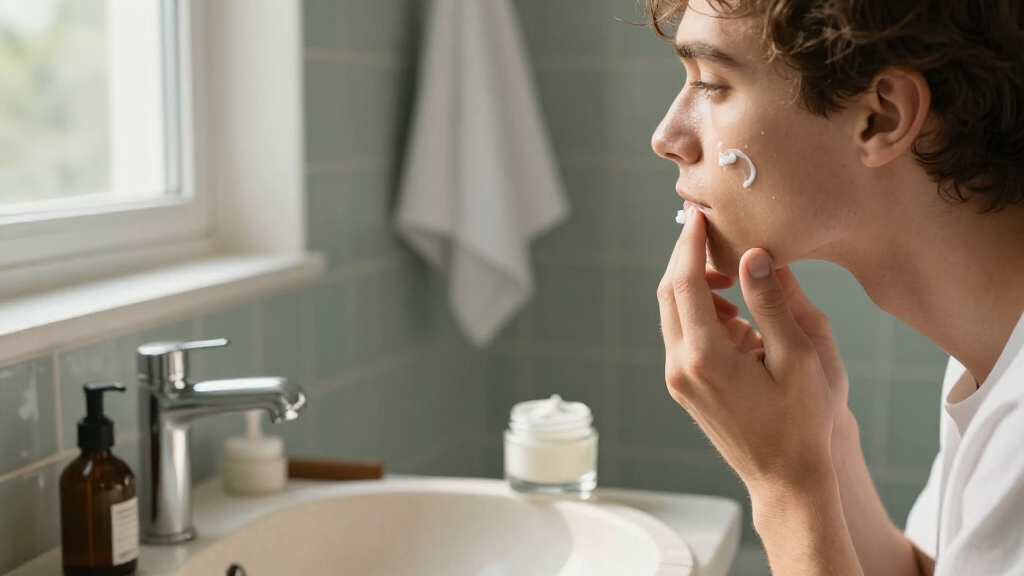

The best acne spot treatment depends on what you’re treating: I’d start with La Roche-Posay Effaclar Duo+M as the most balanced salicylic acid pick, while Differin 10% Benzoyl Peroxide suits stubborn inflamed pimples and Hero Mighty Patch offers a hands-off option for surface blemishes. The main tradeoff is between targeted formulas that may dry or irritate skin and gentler formats that can take a different approach to visible spots. Ingredient strength, application style, and whether a product targets one pimple or recurring congestion all affect the fit. I ranked these options by how clearly they serve distinct breakout needs, with drawbacks included alongside strengths. Read on for the full comparison, selection criteria, and advice on choosing a treatment that fits your routine.

Get your wardrobe favorites delivered free — and shop member deals
- Fast, free delivery on millions of items
- Access to Prime Big Deal Days deals on October 6–7
- Prime Video, Amazon Music and more included
Key Takeaways
- Salicylic acid gives this roundup its most flexible starting point: Effaclar Duo+M, Murad Deep Relief, and CeraVe Acne Control Gel pair blemish care with different strengths and formats, while exfoliating acids can add irritation for sensitive skin.
- Three 10% benzoyl peroxide formulas share a high-strength approach: Differin, Clean & Clear Persa-Gel 10, and AcneFree Terminator 10 may suit persistent inflamed spots, but the strength can be too drying for frequent or broad application.
- Format changes how a spot treatment fits into daily life: Mighty Patch avoids leave-on actives, drying lotion settles over a blemish, and BYOMA’s spot paste offers a more visible, localized application.
- Not every item is a conventional one-blemish treatment: Differin adapalene and CeraVe Acne Control Gel can address recurring congestion across areas, so they call for different expectations and routine planning.
- Gentler positioning does not remove the need for caution: The Ordinary’s sulfur treatment and Neutrogena On-The-Spot cream offer alternatives to the lineup’s 10% benzoyl peroxide picks, though any active can irritate and results vary.
| BYOMA Blemish Acne Treatment Spot Paste with Cica and Salicylic Acid |  | Best for Redness and Post-Blemish Marks | Product type: Acne spot treatment paste | Key ingredients: Cica, salicylic acid, kaolin clay, camphor, kojic acid | Pore-targeting ingredient: Salicylic acid | VIEW LATEST PRICE | See Our Full Breakdown |
| 1.8% Salicylic Acid Acne Spot Treatment Drying Lotion, 0.34 oz |  | Best for Overnight Targeted Use | Active ingredients: 1.8% salicylic acid, niacinamide | Size: 0.34 oz | Formula: Water-based, non-comedogenic | VIEW LATEST PRICE | See Our Full Breakdown |
| La Roche-Posay Effaclar Duo+M Salicylic Acid Acne Treatment |  | Best for Daytime Wear | Active ingredient: Salicylic acid | Other ingredients: Procerad, niacinamide, Phylobioma, LHA | Formula: Non-greasy, non-comedogenic gel cream | VIEW LATEST PRICE | See Our Full Breakdown |
| Neutrogena Rapid Clear Stubborn Acne Spot Treatment Gel, 1 oz |  | Best for Stubborn Pimples | Brand: Neutrogena | Product type: Acne spot treatment gel | Active ingredient: 10% benzoyl peroxide | VIEW LATEST PRICE | See Our Full Breakdown |
| Murad Deep Relief Acne Spot Treatment with 2% Salicylic Acid, 1 fl oz |  | Best for Deep, Under-the-Surface Acne | Active ingredient: 2% salicylic acid | Other technology: Amino acid technology | Size: 1 fl oz | VIEW LATEST PRICE | See Our Full Breakdown |
| La Roche-Posay Effaclar BPO Multi-Target Acne Treatment |  | Best for Sensitive Skin | Active ingredient: 5% benzoyl peroxide | Skin type: Oily and sensitive skin | Formula: Oil-free | VIEW LATEST PRICE | See Our Full Breakdown |
| Differin Acne Spot Treatment with 10% Benzoyl Peroxide, 1 oz |  | Best for Maximum Strength | Active ingredient: 10% benzoyl peroxide | Volume: 1 oz | Form: Spot treatment | VIEW LATEST PRICE | See Our Full Breakdown |
| Clean & Clear Persa-Gel 10 Acne Spot Treatment, 1 fl oz |  | Best for Flexible Application | Size: 1 fl oz | Active ingredient: 10% benzoyl peroxide | Skin type: Acne-prone or oily | VIEW LATEST PRICE | See Our Full Breakdown |
| AcneFree Terminator 10 Acne Spot Treatment, 10% Benzoyl Peroxide, 1 Ounce |  | Best for Redness-Conscious Buyers | Active ingredient: 10% benzoyl peroxide | Size: 1 ounce | Pack quantity: 1 | VIEW LATEST PRICE | See Our Full Breakdown |
| The Ordinary Sulfur 10% Powder-to-Cream Acne Spot Treatment, 0.18 oz |  | Best Benzoyl Peroxide Alternative | Active ingredient: 10% colloidal sulfur | Formula: Powder-to-cream | Size: 0.18 oz | VIEW LATEST PRICE | See Our Full Breakdown |
| Murad Rapid Relief Acne Spot Treatment with 2% Salicylic Acid |  | Best Under Makeup | Active ingredient: 2% salicylic acid | Form: Clear gel | Additional ingredients: Pine and thyme extracts | VIEW LATEST PRICE | See Our Full Breakdown |
| Differin Acne Treatment Gel with 0.1% Adapalene, 15 g |  | Best for Preventing New Breakouts | Active ingredient: 0.1% adapalene | Net weight: 15 g | Formula: Water-based gel | VIEW LATEST PRICE | See Our Full Breakdown |
| CeraVe Acne Control Gel with Salicylic and Glycolic Acids, 1.35 oz |  | Best Multi-Acid Gel | Size: 1.35 oz | Salicylic acid: 2% | Other exfoliating acids: Glycolic acid and lactic acid | VIEW LATEST PRICE | See Our Full Breakdown |
| Hero Cosmetics Mighty Patch Original Acne Pimple Patches, 75 Count |  | Best Overnight Patch | Type: Hydrocolloid acne patches | Count: 75 patches in title; description states 72 medium dots | Patch diameter: 12 mm | VIEW LATEST PRICE | See Our Full Breakdown |
| Neutrogena On-The-Spot Acne Spot Treatment Cream, 0.75 oz |  | Best Benzoyl Peroxide Cream | Active ingredient: 2.5% benzoyl peroxide | Form: Cream | Size: 0.75 oz | VIEW LATEST PRICE | See Our Full Breakdown |
| acne spot treatment | Active ingredient | Formula |
|---|---|---|
| BYOMA Blemish Acne Treatment S | — | — |
| 1.8% Salicylic Acid Acne Spot | — | Water-based, non-comedogenic |
| La Roche-Posay Effaclar Duo+M | Salicylic acid | Non-greasy, non-comedogenic gel cream |
| Neutrogena Rapid Clear Stubbor | 10% benzoyl peroxide | — |
| Murad Deep Relief Acne Spot Tr | 2% salicylic acid | — |
| La Roche-Posay Effaclar BPO Mu | 5% benzoyl peroxide | Oil-free |
| Differin Acne Spot Treatment w | 10% benzoyl peroxide | — |
| Clean & Clear Persa-Gel 10 Acn | 10% benzoyl peroxide | Oil-free |
| AcneFree Terminator 10 Acne Sp | 10% benzoyl peroxide | Oil-free and fragrance-free |
| The Ordinary Sulfur 10% Powder | 10% colloidal sulfur | Powder-to-cream |
| Murad Rapid Relief Acne Spot T | 2% salicylic acid | — |
| Differin Acne Treatment Gel wi | 0.1% adapalene | Water-based gel |
| CeraVe Acne Control Gel with S | — | Oil-free, alcohol-free, fragrance-free, paraben-free, non-comedogenic |
| Hero Cosmetics Mighty Patch Or | — | — |
| Neutrogena On-The-Spot Acne Sp | 2.5% benzoyl peroxide | — |
More Details on Our Top Picks
BYOMA Blemish Acne Treatment Spot Paste with Cica and Salicylic Acid
BYOMA brings together salicylic acid and kaolin clay to address clogged pores and excess oil, with cica and camphor included to soothe skin. Kojic acid gives it another angle: it is intended to help fade the appearance of marks left after a breakout. That broader ingredient mix makes this paste a different choice from Neutrogena Rapid Clear, which focuses on a stronger 10% benzoyl peroxide dose for stubborn pimples. I’d favor BYOMA for shoppers who want a multi-purpose spot treatment and are interested in calming and post-blemish care alongside blemish targeting. The tradeoff is limited practical guidance: the supplied details do not specify how to apply it, how often to use it, or which skin types should avoid it. Those gaps make it harder to choose for reactive skin or build into a routine.
Pros:- Salicylic acid targets blemishes by helping unclog pores
- Kaolin clay helps absorb excess oil and impurities
- Cica and camphor are included for soothing support
- Kojic acid targets the appearance of post-acne marks
Cons:- Application method and frequency are not provided
- No specific skin compatibility or irritation guidance is given
Best for: Shoppers looking for a salicylic acid paste that also addresses excess oil, visible redness, and the appearance of post-acne marks
Not ideal for: People who need clear application instructions or established skin compatibility guidance before trying a spot treatment
- Product type:Acne spot treatment paste
- Key ingredients:Cica, salicylic acid, kaolin clay, camphor, kojic acid
- Pore-targeting ingredient:Salicylic acid
- Oil-absorbing ingredient:Kaolin clay
- Soothing ingredients:Cica and camphor
- Post-acne mark ingredient:Kojic acid
Our verdict“Choose BYOMA if you want a multi-ingredient paste for blemishes, oil, and post-acne marks, and can work around sparse use instructions.”
1.8% Salicylic Acid Acne Spot Treatment Drying Lotion, 0.34 oz
This drying lotion is the most step-specific option here: keep its layers separated, dip a cotton swab into the bottom powder layer, then leave the dab on for at least an hour or overnight. Its 1.8% salicylic acid targets blemishes, while niacinamide is included to soothe visible redness. Compared with the more flexible gel-cream format of La Roche-Posay Effaclar Duo+M, this is designed for an isolated application rather than a finish suited to wearing under makeup. The small 0.34-ounce size and non-comedogenic, water-based formula may suit someone who wants a compact treatment for individual spots. The tradeoff is routine friction: it requires a cotton swab, careful handling, and enough time to sit on the skin, so it is a poor fit for quick daytime touch-ups.
Pros:- Uses 1.8% salicylic acid to target active blemishes
- Includes niacinamide to soothe visible redness
- Non-comedogenic, water-based formula
- Compact 0.34-ounce bottle
Cons:- Must remain separated and should not be shaken
- Requires a cotton swab and at least an hour of wear
Best for: People who prefer to apply treatment to individual blemishes at night and can leave it undisturbed for at least an hour
Not ideal for: Makeup wearers or anyone seeking a quick, shake-and-apply treatment that fits a busy daytime routine
- Active ingredients:1.8% salicylic acid, niacinamide
- Size:0.34 oz
- Formula:Water-based, non-comedogenic
- Application:Apply the bottom powder layer with a cotton swab
- Layer handling:Do not shake; allow the layers to remain separated
- Minimum wear time:At least one hour
- Extended wear:Can be left on overnight
Our verdict“Pick this drying lotion for patient, overnight spot application; choose a gel-cream like La Roche-Posay Effaclar Duo+M if you need a more routine-friendly finish.”
La Roche-Posay Effaclar Duo+M Salicylic Acid Acne Treatment
Effaclar Duo+M suits someone who wants acne care in a non-greasy gel cream that can sit under makeup. Salicylic acid targets existing blemishes and excess oil, while Procerad and niacinamide are included to address the appearance of post-acne marks; LHA and Phylobioma round out the listed formula. That makes it more routine-oriented than the 1.8% Salicylic Acid Drying Lotion, which is applied to individual spots with a swab and left on for at least an hour. Effaclar Duo+M is described as suitable for oily, combination, and acne-prone skin, but the supplied data gives no concentration for its salicylic acid. Its claimed improvements can take up to four weeks, so shoppers seeking a clearly quantified active level or a quick, isolated overnight treatment may prefer another format.
Pros:- Targets existing blemishes and helps prevent new breakouts
- Non-greasy, mattified gel-cream finish is described as suitable under makeup
- Includes Procerad and niacinamide for the appearance of post-acne marks
- Designed for oily, combination, and acne-prone skin
Cons:- The salicylic acid concentration is not provided
- Claimed improvements may take up to four weeks
- No product size is listed in the supplied data
Best for: People with oily or combination acne-prone skin who want a non-greasy treatment compatible with makeup
Not ideal for: Shoppers who want a stated salicylic acid concentration or a treatment intended only for isolated overnight dabs
- Active ingredient:Salicylic acid
- Other ingredients:Procerad, niacinamide, Phylobioma, LHA
- Formula:Non-greasy, non-comedogenic gel cream
- Suitable for:Oily, combination, and acne-prone skin
- Finish:Mattified; described as suitable under makeup
- Claimed blemish result:44% reduction within 4 weeks
- Claimed blackhead result:66% reduction within 4 weeks
- Claimed onset:Visible improvements in as little as 8 hours
Our verdict“Choose Effaclar Duo+M if you want a makeup-compatible acne treatment for oily or combination skin and are comfortable with results that may take several weeks.”
Neutrogena Rapid Clear Stubborn Acne Spot Treatment Gel, 1 oz
Neutrogena Rapid Clear is the lineup’s high-strength benzoyl peroxide option: its 10% formula is aimed at stubborn pimples and can be applied in a thin layer one to three times daily. The product description reports visible reductions in pimple size and redness in two hours, setting a faster stated target than the weeks-long claims for La Roche-Posay Effaclar Duo+M. That makes this gel a focused alternative to salicylic acid treatments such as Murad Deep Relief, which targets deep acne with a once-daily application. Strength brings a meaningful tradeoff: the supplied details do not cover irritation precautions or fabric bleaching, and benzoyl peroxide can be a demanding active for some routines. I’d choose it for targeted use on persistent spots, not as the gentlest starting point for sensitive skin.
Pros:- Contains 10% benzoyl peroxide for targeted acne treatment
- Product claims visible reduction in pimple size and redness in two hours
- Can help prevent future breakouts
- One-ounce gel allows thin-layer application to affected areas
Cons:- The 10% benzoyl peroxide strength may be too aggressive for sensitive skin
- Supplied details do not include irritation precautions or fabric-bleaching guidance
Best for: People with acne-prone skin seeking a targeted, high-strength benzoyl peroxide gel for stubborn pimples
Not ideal for: Those with sensitive skin or anyone who needs specific irritation and fabric-staining guidance before choosing a treatment
- Brand:Neutrogena
- Product type:Acne spot treatment gel
- Active ingredient:10% benzoyl peroxide
- Volume:1 oz
- Application:Apply a thin layer to affected areas
- Application frequency:1–3 times daily
- Skin type:Acne-prone skin
- Claimed visible result:Reduced pimple size and redness in two hours
Our verdict“Choose Rapid Clear for a stubborn spot when you want a 10% benzoyl peroxide gel and can accommodate its stronger formula.”
Murad Deep Relief Acne Spot Treatment with 2% Salicylic Acid, 1 fl oz
Murad Deep Relief is aimed at deep, under-the-surface acne, pairing 2% salicylic acid with amino acid technology in a once-daily spot treatment. Its stated use is simple: apply a thin layer to clean, dry skin in the morning or evening. That clear schedule contrasts with the 1.8% Salicylic Acid Drying Lotion, which requires a cotton swab and at least an hour of wear, while its salicylic acid approach differs from Neutrogena Rapid Clear’s 10% benzoyl peroxide. The 2% concentration gives buyers a defined active level, though the description does not spell out how quickly it works or specify skin compatibility. It is intended for spots rather than full-face use, and daytime application should be followed with sunscreen, so it is less suited to shoppers seeking a broad-area routine product.
Pros:- Uses 2% salicylic acid to target deep acne
- Amino acid technology is included in the formula
- Simple once-daily application to clean, dry skin
- Can be used in the morning or evening
Cons:- Intended for spot treatment rather than full-face use
- Daytime application should be followed with sunscreen
- Supplied details do not specify skin compatibility or how quickly results may appear
Best for: People with occasional deep blemishes who want a defined 2% salicylic acid spot treatment with once-daily directions
Not ideal for: People seeking a full-face acne treatment or a spot product with detailed skin compatibility and onset information
- Active ingredient:2% salicylic acid
- Other technology:Amino acid technology
- Size:1 fl oz
- Product type:Acne spot treatment
- Application:Apply a thin layer to clean, dry skin
- Frequency:Once daily
- Timing:Morning or evening
- Use area:Spot treatment rather than full-face use
- Daytime guidance:Follow daytime use with sunscreen
Our verdict“Pick Murad Deep Relief for occasional deep spots and a once-daily 2% salicylic acid format, with sunscreen after daytime use.”
La Roche-Posay Effaclar BPO Multi-Target Acne Treatment
Among these benzoyl peroxide options, this is the more measured choice for buyers who want to treat several kinds of blemishes without jumping straight to a 10% formula. Its 5% benzoyl peroxide targets blemishes, pimples, and blackheads, while the oil-free, fragrance-free formula is made for oily and sensitive skin. That gives it a gentler profile than Differin Acne Spot Treatment and Clean & Clear Persa-Gel 10, both of which use 10% benzoyl peroxide. A consumer study reported no peeling or flaking for 91% of participants, but that finding does not rule out irritation for an individual buyer. The tradeoff is straightforward: shoppers seeking the highest listed benzoyl peroxide strength should choose one of the 10% treatments, while anyone sensitive to benzoyl peroxide should skip this category.
Pros:- 5% benzoyl peroxide treats blemishes, pimples, and blackheads
- Oil-free, fragrance-free, non-comedogenic formula
- Formulated for oily and sensitive skin
- Consumer study reported no peeling or flaking for 91% of participants
Cons:- Benzoyl peroxide can still irritate or dry some skin
- Lower concentration than the 10% Differin and Clean & Clear options
Best for: People with oily or sensitive skin who want a fragrance-free, mid-strength benzoyl peroxide treatment for facial breakouts.
Not ideal for: People who react to benzoyl peroxide or specifically want a maximum-strength 10% spot treatment.
- Active ingredient:5% benzoyl peroxide
- Skin type:Oily and sensitive skin
- Formula:Oil-free
- Pore-clogging claim:Non-comedogenic
- Fragrance:Fragrance-free
- Parabens:Paraben-free
- Intended use:Face acne treatment
Our verdict“Choose this if you want a fragrance-free 5% benzoyl peroxide treatment with a sensitive-skin focus, and skip it if you need 10% strength or avoid benzoyl peroxide.”
Differin Acne Spot Treatment with 10% Benzoyl Peroxide, 1 oz
For shoppers looking for the strongest benzoyl peroxide concentration in this group, Differin’s 10% formula is the direct, targeted option. It is meant for affected areas and works against acne-causing bacteria, with the stated aim of reducing blemish size and redness. That focused use distinguishes it from La Roche-Posay Effaclar BPO Multi-Target, which has 5% benzoyl peroxide and is positioned for oily and sensitive skin. Glycerin may help counter dryness, but it does not remove the irritation risk associated with a maximum-strength formula. The application directions also call for dry skin after cleansing, followed by moisturizer and SPF. I’d choose this for occasional, localized treatment when lower-strength options are not the goal; for sensitive skin or broad, frequent application, the 5% La Roche-Posay is the more cautious fit.
Pros:- 10% benzoyl peroxide targets acne-causing bacteria
- Designed to reduce blemish size and redness
- Glycerin is included to help minimize dryness
- Affected-area directions support targeted use
Cons:- Maximum-strength benzoyl peroxide may cause dryness or irritation
- Intended for affected areas only, limiting use across larger areas
- Directions call for moisturizer and SPF after application
Best for: Adults seeking a 10% benzoyl peroxide treatment for specific, stubborn blemishes who are prepared to moisturize and use SPF.
Not ideal for: People with easily irritated or very dry skin, or anyone wanting a treatment intended for broad daily application.
- Active ingredient:10% benzoyl peroxide
- Volume:1 oz
- Form:Spot treatment
- Additional ingredient:Glycerin
- Application:Apply to dry, affected areas after cleansing
- Aftercare:Follow with moisturizer and SPF
- Intended use:Targeted acne treatment
Our verdict“Pick Differin when you specifically want a 10% targeted treatment and can manage dryness, but choose La Roche-Posay’s 5% option for a less concentrated formula.”
Clean & Clear Persa-Gel 10 Acne Spot Treatment, 1 fl oz
Clean & Clear Persa-Gel 10 suits acne-prone or oily skin shoppers who want maximum-strength benzoyl peroxide and can follow a repeat-application routine. Its fragrance-free, oil-free formula uses 10% benzoyl peroxide, matching Differin Acne Spot Treatment for concentration. The listed directions allow a thin layer on affected areas one to three times daily, which offers more scheduling flexibility than Differin’s described after-cleansing, affected-area routine. That flexibility can also mean more opportunities for dryness or irritation, and the product notes that the strength may be too much for some skin. By contrast, La Roche-Posay Effaclar BPO Multi-Target uses 5% benzoyl peroxide and is framed for sensitive skin. The vegan formula and recyclable carton may appeal to buyers attentive to those details, but they do not offset the practical tradeoff of frequent use.
Pros:- 10% benzoyl peroxide for targeted blemish care
- Oil-free and fragrance-free formula
- Directions allow application one to three times daily
- Vegan formula with a recyclable carton
Cons:- Maximum-strength benzoyl peroxide may be too strong for some skin
- Applying as often as three times daily can be demanding
- Frequent use may raise the risk of dryness or irritation
Best for: Oily or acne-prone skin buyers who want a fragrance-free 10% spot treatment and prefer the option of applying it more than once daily.
Not ideal for: People prone to dryness or irritation, or those who want a lower-strength formula with a sensitive-skin focus.
- Size:1 fl oz
- Active ingredient:10% benzoyl peroxide
- Skin type:Acne-prone or oily
- Fragrance:Fragrance-free
- Formula:Oil-free
- Vegan:Vegan formula
- Application:Thin layer on affected areas 1–3 times daily
Our verdict“Choose Persa-Gel 10 if you want flexible, repeat application of a fragrance-free 10% treatment; choose La Roche-Posay if a lower concentration is a better match.”
AcneFree Terminator 10 Acne Spot Treatment, 10% Benzoyl Peroxide, 1 Ounce
AcneFree Terminator 10 pairs 10% benzoyl peroxide with ginger and chamomile, giving it a redness-conscious angle among the maximum-strength choices. The benzoyl peroxide is intended to target severe acne and help prevent new breakouts; the botanical ingredients are included to soothe skin and help reduce redness. That combination makes it distinct from Clean & Clear Persa-Gel 10, whose supplied product details emphasize application frequency and its vegan formula rather than soothing ingredients. Both use 10% benzoyl peroxide, so neither is the cautious choice for easily irritated skin. La Roche-Posay Effaclar BPO Multi-Target offers a lower 5% concentration and a sensitive-skin focus, but it does not share this product’s stated severe-acne positioning. The tradeoff is that soothing ingredients cannot guarantee that a maximum-strength treatment will feel comfortable.
Pros:- 10% benzoyl peroxide targets severe acne
- May help prevent new breakouts
- Oil-free and fragrance-free formula
- Ginger and chamomile are included to soothe skin and help reduce redness
Cons:- 10% benzoyl peroxide may be too strong for some skin types
- Soothing ingredients do not remove the risk of irritation
- The supplied details do not specify application frequency
Best for: People seeking a fragrance-free, oil-free 10% benzoyl peroxide spot treatment for severe acne who also value soothing ingredients.
Not ideal for: People with benzoyl peroxide sensitivity or skin that reacts easily to maximum-strength acne treatments.
- Active ingredient:10% benzoyl peroxide
- Size:1 ounce
- Pack quantity:1
- Formula:Oil-free and fragrance-free
- Skin concerns:Acne and redness
- Additional ingredients:Ginger and chamomile
- Intended use:Acne spot treatment
Our verdict“Choose Terminator 10 if you want maximum-strength benzoyl peroxide with added soothing ingredients, and favor La Roche-Posay’s 5% treatment if sensitivity is your main concern.”
The Ordinary Sulfur 10% Powder-to-Cream Acne Spot Treatment, 0.18 oz
For shoppers who want to avoid the benzoyl peroxide used by the four treatments above, The Ordinary Sulfur 10% offers a different active ingredient and a more discreet finish. Its colloidal sulfur targets pimples and whiteheads while absorbing excess oil, and the powder-to-cream format lets buyers adjust how much they apply to a spot. That contrasts with Differin Acne Spot Treatment, which uses 10% benzoyl peroxide and is specifically directed at affected areas after cleansing. The Ordinary’s supplied description says the brand reports reduced blemish size and redness in under an hour; that is a brand claim, not independent evidence. Its compact 0.18 oz size and morning-or-night directions may suit occasional spot use, though buyers who want the more extensively described benzoyl peroxide options have clearer concentration and application details in this lineup.
Pros:- 10% colloidal sulfur provides an alternative to benzoyl peroxide
- Targets pimples and whiteheads while absorbing excess oil
- Powder-to-cream format allows adjustable spot application
- Listed for morning or nighttime use and all skin types
Cons:- Small 0.18 oz size may limit how long it lasts
- The under-an-hour result is a brand claim, with no independent review information supplied
- The supplied product details do not specify fragrance or other formula exclusions
Best for: People seeking a sulfur-based, adjustable spot treatment for pimples and whiteheads who want an alternative to benzoyl peroxide.
Not ideal for: Buyers looking for a benzoyl peroxide treatment, a larger-format product, or independently supplied evidence for the stated rapid results.
- Active ingredient:10% colloidal sulfur
- Formula:Powder-to-cream
- Size:0.18 oz
- Intended use:Acne spot treatment
- Application timing:Morning and night
- Target concerns:Pimples and whiteheads
- Skin type:All skin types
Our verdict“Pick The Ordinary if you want adjustable sulfur treatment for individual pimples and whiteheads; choose Differin if you specifically want 10% benzoyl peroxide.”
Murad Rapid Relief Acne Spot Treatment with 2% Salicylic Acid
A clear gel that layers under makeup gives this spot treatment an edge for daytime use. Its 2% salicylic acid exfoliates inside pores, making it a more targeted choice for clogged blemishes than Hero Cosmetics Mighty Patch Original, which covers a pimple rather than treating surrounding pores. Pine and thyme extracts add to the formula, though the supplied product details do not establish what they contribute to results.
The tradeoff is that this is a single-active spot gel, so it offers less broad exfoliation than CeraVe Acne Control Gel, which adds glycolic and lactic acids. Murad’s claims about reducing blemish size and redness rely partly on a company-sponsored study, so I would weigh the ingredient and format more heavily than those outcome claims. Choose it for discreet daytime application; skip it if you want a patch or a multi-acid gel.
Pros:- Clear gel is designed to layer under makeup without peeling or flaking
- 2% salicylic acid exfoliates pores
- Spot-treatment format targets individual blemishes
- Includes pine and thyme extracts
Cons:- Some product-result claims rely partly on a Murad-sponsored study
- Does not offer the added glycolic and lactic acids found in CeraVe Acne Control Gel
Best for: Makeup wearers who want a clear salicylic acid gel for isolated blemishes during the day
Not ideal for: Shoppers who want a patch-style cover, a multi-acid formula, or results supported only by independent evidence
- Active ingredient:2% salicylic acid
- Form:Clear gel
- Additional ingredients:Pine and thyme extracts
- Application:Spot treatment
- Makeup compatibility:Designed to layer under makeup without peeling or flaking
- Product claims:Formulated to reduce blemish size and redness
Our verdict“Choose Murad for a clear, makeup-friendly salicylic acid gel on individual blemishes, and look elsewhere for a patch or broader acid blend.”
Differin Acne Treatment Gel with 0.1% Adapalene, 15 g
Adapalene makes this the prevention-minded pick in this group: the water-based gel is described as helping unclog pores, reduce inflammation, and prevent new breakouts. That gives it a broader routine role than Neutrogena On-The-Spot, whose 2.5% benzoyl peroxide is positioned as a spot treatment for acne. It also differs from Hero Cosmetics Mighty Patch Original, which is designed to cover individual pimples for overnight wear.
The tradeoff is commitment: the product description says daily use may be needed for continued results, while the patch is a simpler occasional step. The description cites up to an 87% reduction in breakouts after 12 weeks, but does not specify possible side effects or skin-type suitability. I would choose this for someone seeking ongoing pore care who is comfortable following a regular routine, and skip it if the goal is a quick, occasional cover-up.
Pros:- 0.1% adapalene targets clogged pores and inflammation
- Described as helping prevent new breakouts
- Water-based formula is oil-free, alcohol-free, and fragrance-free
- Non-comedogenic formula
Cons:- Daily use may be needed to maintain results
- Product details do not specify possible side effects or skin-type suitability
- The cited reduction figure is tied to 12 weeks of daily use, not an immediate spot result
Best for: People seeking a daily leave-on treatment aimed at clogged pores and recurring breakouts
Not ideal for: Shoppers who want an occasional pimple patch or need product-specific side-effect and skin-type guidance before choosing
- Active ingredient:0.1% adapalene
- Net weight:15 g
- Formula:Water-based gel
- Free from:Oil, alcohol, and fragrance
- Non-comedogenic:Yes
- Product use:Daily use may be needed for continued results
- Claim cited in description:Up to 87% fewer breakouts after 12 weeks of daily use
Our verdict“Pick Differin for a consistent routine focused on recurring breakouts and pore unclogging; choose a patch for occasional individual pimples.”
CeraVe Acne Control Gel with Salicylic and Glycolic Acids, 1.35 oz
A broader exfoliating blend sets CeraVe apart from single-active spot gels: it combines 2% salicylic acid with glycolic and lactic acids. That makes it the more layered option beside Murad Rapid Relief Acne Spot Treatment, which centers on salicylic acid alone. Niacinamide, hyaluronic acid, and three essential ceramides add hydration and barrier-supporting ingredients to a formula meant for nightly use.
This comes with a real tradeoff: multiple exfoliating acids can irritate some skin, and nightly application may be too much for buyers who want an occasional dab like Neutrogena On-The-Spot. CeraVe is also less suited to someone seeking a quick-covering patch, such as Hero Cosmetics Mighty Patch Original. I would pick it for someone who wants a leave-on gel addressing acne and the appearance of pores, and skip it if their routine needs a simpler or less exfoliating spot option.
Pros:- Combines 2% salicylic acid with glycolic and lactic acids
- Aims to treat acne and help prevent new breakouts
- Niacinamide, hyaluronic acid, and ceramides support hydration and the skin barrier
- Oil-free, alcohol-free, fragrance-free, and non-comedogenic
Cons:- Multiple exfoliating acids may irritate some skin
- Nightly recommended use may not suit every routine
- More involved than a patch designed for individual pimples
Best for: People who want a nightly gel combining pore-focused salicylic acid with additional exfoliating acids and hydrating ingredients
Not ideal for: People sensitive to exfoliating acids or those who prefer occasional spot treatment over a nightly routine
- Size:1.35 oz
- Salicylic acid:2%
- Other exfoliating acids:Glycolic acid and lactic acid
- Additional ingredients:Niacinamide, hyaluronic acid, and ceramides 1, 3, 6-II
- Formula:Oil-free, alcohol-free, fragrance-free, paraben-free, non-comedogenic
- Recommended use:Nightly
- Format:Lightweight gel
Our verdict“Choose CeraVe if you want a multi-acid nightly gel with hydrating ingredients, and pass if your skin needs a simpler spot treatment.”
Hero Cosmetics Mighty Patch Original Acne Pimple Patches, 75 Count
A cover-and-absorb patch solves a different problem from the leave-on gels in this roundup. Hero Cosmetics Mighty Patch Original uses hydrocolloid and is designed to stay in place overnight for 6–8 hours, so it is the clearest fit for someone who wants to cover an individual pimple while they sleep. Murad Rapid Relief, by comparison, is a clear salicylic acid gel meant to layer under makeup and work on pores.
The limitation is its format: patches target individual spots, not recurring breakouts across a wider area, where Differin’s adapalene gel has a prevention-focused role. The supplied count is also inconsistent—the title says 75 patches, while the description says 72 medium dots—so I would not rely on the listed total without checking the package. Choose these for overnight spot coverage; skip them if you need a leave-on active or daytime treatment across several areas.
Pros:- Hydrocolloid patches are designed to absorb impurities
- 6–8-hour wear suits overnight use
- Translucent matte finish
- Designed to stay in place and remove without redness or irritation
Cons:- Product count conflicts: title says 75 while description says 72 medium dots
- Primarily designed for nighttime use
- Covers individual pimples rather than treating a wider area like Differin adapalene gel
Best for: People who want to cover individual pimples overnight with a hydrocolloid patch
Not ideal for: People seeking a leave-on acne active, treatment for multiple areas, or clarity on the patch count before purchase
- Type:Hydrocolloid acne patches
- Count:75 patches in title; description states 72 medium dots
- Patch diameter:12 mm
- Wear time:6–8 hours
- Finish:Translucent matte
- Skin suitability:All skin types; allergy tested
- Intended use:Designed primarily for overnight wear
Our verdict“Pick Mighty Patch for overnight coverage of individual pimples, and choose a leave-on gel for recurring or wider-area acne care.”
Neutrogena On-The-Spot Acne Spot Treatment Cream, 0.75 oz
A low-strength benzoyl peroxide cream distinguishes this pick from the stronger 10% options in the wider roundup, including Differin Acne Spot Treatment with 10% Benzoyl Peroxide. Its 2.5% concentration and lightweight, fast-absorbing, invisible finish make it a more restrained fit for someone who wants a cream on acne-prone or dry skin without an obviously visible layer. Unlike Hero Cosmetics Mighty Patch Original, it is a leave-on treatment rather than a cover for one pimple.
The tradeoff is application frequency: the supplied directions allow use up to three times daily, which may not fit a simple routine. And while the description says the formula is designed to avoid excessive dryness and irritation, that does not mean every user will tolerate it. Choose it if you want benzoyl peroxide in a discreet cream; skip it if you prefer a patch or want to avoid repeat daily applications.
Pros:- Uses 2.5% benzoyl peroxide to target acne and help clear pores
- Lightweight, fast-absorbing cream
- Invisible formula is designed for daily wear
- Described for acne-prone and dry skin without excessive drying or irritation
Cons:- May be used up to three times daily
- A leave-on cream does not cover a pimple like Hero Cosmetics Mighty Patch Original
- The product description does not establish that irritation is impossible
Best for: People who want a discreet 2.5% benzoyl peroxide cream and prefer a lower concentration than the 10% spot gels
Not ideal for: People who want an overnight patch or do not want a treatment that may be applied up to three times daily
- Active ingredient:2.5% benzoyl peroxide
- Form:Cream
- Size:0.75 oz
- Recommended use:Up to three times daily
- Texture:Lightweight and fast-absorbing
- Finish:Invisible on skin
- Intended skin:Acne-prone and dry skin
Our verdict“Choose Neutrogena for a discreet, lower-strength benzoyl peroxide cream, and skip it if repeat daily application or a leave-on format does not suit you.”

How We Picked
I compared the 15 products by their active ingredients, concentration where stated, format, and intended use. I gave more weight to options with a clear role in a buyer’s decision: salicylic acid for targeted blemish care, benzoyl peroxide for inflamed spots, sulfur and patches as format alternatives, and adapalene or multi-acid gels for people treating recurring concerns. I also considered how easy each type is to apply precisely and whether its format is likely to work with a regular skin routine.
The order favors versatility and clarity of fit near the top, then separates stronger, narrower, or more routine-dependent choices. A high active concentration is not automatically a better pick: potential dryness, irritation, and practical use all matter. Product details alone cannot predict an individual’s response, so I flag tradeoffs and encourage following the label, particularly when combining active ingredients. This is an editorial comparison, not a claim of firsthand testing or a guarantee of results.
Factors to Consider When Choosing Best Acne Spot Treatments
Choosing among spot treatments starts with matching the kind of breakout, active ingredient, and application style to your routine. These broader checks can help you avoid buying a strong formula for a problem it is not meant to solve.
Match the active ingredient to the breakout
Salicylic acid is commonly chosen for clogged pores and blemishes, while benzoyl peroxide is often used on inflamed acne spots. Sulfur offers another targeted format, and hydrocolloid patches work by covering certain surface blemishes rather than supplying a leave-on acne active. Adapalene is a retinoid used for acne care that typically needs consistent use across an affected area, so it is not a quick dab-on substitute for a pimple patch. Start by identifying whether you want to address a single visible spot or a pattern of recurring breakouts. A mismatch between the ingredient and the concern can make a product feel ineffective even when you follow its directions.
Treat concentration as a tradeoff, not a score
A stronger concentration can also bring more dryness, redness, or peeling, particularly when skin is new to that active. In this lineup, several benzoyl peroxide treatments use 10%, so they represent a different tolerance decision from the salicylic acid and sulfur options. Check the full label and directions rather than comparing only the headline percentage, since formulas and use instructions differ. If you already use exfoliating acids, retinoids, or benzoyl peroxide elsewhere, adding another active may increase irritation. A cautious approach is to introduce one new treatment at a time and follow its package directions. Stop using it and seek appropriate advice if you develop a strong or persistent reaction.
Choose between a dab-on, a gel, and a patch
Application style affects whether a treatment fits the moment you need it. A gel or cream can be easier to spread in a controlled layer, while a drying lotion or paste may remain more visibly localized. A hydrocolloid patch covers the blemish and avoids leaving an acne active on the skin, but it only suits spots that the patch can cover and may not fit discreetly in every situation. Think about whether you need a daytime option, an overnight step, or something that works with makeup and other skincare. Avoid applying more product just because a spot is visible; follow the label’s amount and frequency. The most usable format is often the one you can apply consistently without disrupting the rest of your routine.
Decide whether you need spot care or routine care
The phrase “spot treatment” covers products with different jobs. A product designed for a single blemish is not interchangeable with a gel or retinoid that may be used more broadly for recurring congestion. If breakouts keep appearing in the same area, repeated dabbing may not address the pattern and could leave surrounding skin irritated. Read whether the product is meant for localized application or use across an acne-prone zone. Also consider that adapalene routines generally require patience and consistent use, rather than expecting an immediate change in one spot. Choosing the right scope can prevent both overuse and unrealistic expectations.
Check how the treatment fits with your existing routine
Before adding a spot treatment, list the active ingredients already in your cleanser, serum, and moisturizer. Pairing multiple exfoliating or acne actives can make it harder to tell which product is causing irritation. A simple routine can make a new treatment easier to evaluate: gentle cleansing, the product as directed, moisturizer, and daytime sun protection when appropriate for the rest of your routine. Avoid layering several spot treatments on the same blemish unless their labels or a clinician specifically support that use. If you use prescription acne care, ask a clinician or pharmacist before adding an over-the-counter active. This check matters more than chasing the longest ingredient list.
Know when a spot treatment is not enough
Over-the-counter spot products may not be a good match for deep, painful, widespread, or persistent acne. Repeatedly increasing strength or applying more frequently can irritate skin without resolving the underlying problem. A clinician can help distinguish acne from other skin conditions and discuss treatment options suited to the pattern and severity. Seek tailored advice sooner if blemishes scar, leave lasting marks, or cause significant discomfort. For occasional surface spots, a targeted product may be convenient; for a continuing pattern, consider the whole routine and whether professional guidance is needed. Buying another spot formula is not always the most useful next step.
Frequently Asked Questions
Should I choose salicylic acid or benzoyl peroxide for a single inflamed pimple?
Both can be used in acne care, but the better fit depends on your skin and the product directions. Salicylic acid is often chosen for clogged pores and localized blemishes, while benzoyl peroxide is commonly used for inflamed acne spots. The three 10% benzoyl peroxide options in this roundup may be too drying for some people, especially if they already use other active ingredients. Check the label, start with one new product, and avoid layering treatments on the same area without guidance. If irritation persists or acne is painful or widespread, ask a healthcare professional for advice.
Can I use a spot treatment and an acne patch on the same blemish?
Usually, it is simpler to choose one approach for the same spot at a time. A patch needs clean, dry skin to adhere, and product underneath can interfere with its hold. Some leave-on treatments may also become more irritating when covered, depending on the ingredient and instructions. Read both labels and avoid sealing an active product under a patch unless the directions specifically allow it. If you want to compare the formats, use them on separate occasions rather than layering them together.
Are 10% benzoyl peroxide treatments a good starting point for a beginner?
They are strong options in this comparison, but that does not make them the easiest place to start. Someone new to benzoyl peroxide may prefer discussing a lower-strength approach with a pharmacist or clinician, especially if their skin is dry or reactive. Follow the product label closely, and keep other potentially irritating actives out of the routine while you learn how your skin responds. Benzoyl peroxide can also bleach fabrics, so let the product dry and protect towels and clothing. If you develop marked irritation, stop and seek advice.
Should I use adapalene as a spot treatment for a pimple that appeared today?
Adapalene is generally used consistently on acne-prone areas, rather than as an emergency dab on a newly visible pimple. That makes Differin Adapalene Gel a different kind of option from the localized pastes, lotions, or benzoyl peroxide treatments in this roundup. Read its directions and introduce it carefully, since retinoids can irritate skin and may not suit every user. People who are pregnant, trying to become pregnant, or managing a skin condition should check with a healthcare professional before use. For one isolated spot, a product labeled for localized use may better match the immediate task.
What should I choose if acne products often leave my skin dry or irritated?
Look beyond the strongest active and consider application format, routine overlap, and whether you need an active treatment at all. A hydrocolloid patch offers a non-leave-on-active option for suitable surface blemishes, while a gentler targeted formula may be more comfortable for some users than a 10% benzoyl peroxide product. Even salicylic acid and sulfur can irritate, so check labels and introduce only one new product at a time. Use a moisturizer that suits your skin and avoid adding several acne actives together. Persistent sensitivity or recurring irritation is a good reason to ask a clinician for a tailored plan.
Conclusion
For most readers seeking a flexible targeted option, I’d choose La Roche-Posay Effaclar Duo+M as the best overall salicylic acid pick in this lineup. Neutrogena Rapid Clear is my value-oriented option for shoppers who want a straightforward gel format, while Murad Deep Relief is the premium salicylic acid choice for someone who prefers a more specialized treatment. Beginners wary of strong leave-on actives can start by considering Hero Mighty Patch for suitable surface blemishes, or a lower-intensity routine after checking product directions. For stubborn inflamed spots, compare the three 10% benzoyl peroxide treatments carefully; for recurring congestion, consider whether Differin Adapalene better matches the broader concern. Choose by breakout type and skin tolerance, then give one approach a fair, label-directed trial.
Fall Picks
fall essentials
As an affiliate, we earn on qualifying purchases.