
TL;DR

Get your wardrobe favorites delivered free with Prime
- Fast, free delivery on millions of items
- Prime Video, Amazon Music and more included
- Member-only deals all year
Hair colorist Jenna Mast says dyed brown hair can look warmer as artificial color fades and underlying pigment becomes more visible. Hair texture, dye formulation, water and hair-care habits can affect how quickly that shift appears; toners may help manage it but cannot stop oxidation entirely.
A Harper’s Bazaar report examines why dyed brown hair can turn warmer or appear red after a short time, citing hair colorist Jenna Mast of Bond in Hoboken, New Jersey. Mast attributes the shift largely to oxidation: as artificial color fades, underlying warm pigment can become more visible, though hair type, dye formula and care routines also affect the result.
Mast says artificial hair color oxidizes and can reveal the hair’s underlying pigment. In her explanation, dye molecules fade at different rates; when the blue component that helps create a cooler brown leaves the hair, red and yellow tones may stand out more. She says this can happen with both salon color and box dye, and that heat, chemical processing and time can contribute to color molecules escaping as the hair cuticle opens.
The report says the starting point matters. Mast notes that people have different melanin concentrations and hair textures, so a single brown shade can look different on different heads of hair. She says a colorist can tailor a formula to a person’s underlying tone, while box dyes are designed as one-size-fits-most products and cannot account for individual factors such as gray coverage or porosity. The report also says repeated applications may not deposit color evenly on roots and previously dyed lengths.
To help maintain a cooler shade, Mast recommends limiting heat damage, using products intended for color-treated hair and considering water quality. She says chlorine and unfiltered metals may contribute to fading. Color-depositing treatments can add pigment between dye appointments: the report describes green or blue products as options for countering unwanted red or orange tones. These are maintenance measures, not a way to prevent fading altogether.
Why Cool Brown Shades Fade
For people who pay to color their hair—or dye it at home—the return of warm tones can mean the result changes well before the next planned touch-up. Understanding that fading can expose underlying pigment helps explain why a brown shade that looked cool immediately after coloring may look different in sunlight later. It also clarifies why simply choosing a cool shade on a box or color chart may not produce the same result for everyone.
The practical takeaway is that color maintenance depends on more than the dye shade. Formula, hair condition, washing and environmental exposure can affect how long the tone lasts. Mast’s suggestions give readers options to discuss with a colorist, but the report does not establish that any specific product or filter will work for every person. Hair color and product results vary, and professional advice may be useful when color repeatedly shifts or hair becomes damaged.
Popular right now

Sony WH-1000XM5 Premium Noise Cancelling Wireless Headphones – Midnight Blue

KitchenAid Artisan 5-Qt Tilt Head Stand Mixer, Milkshake

Shark Rotator Lift-Away Upright Vacuum with DuoClean PowerFins, Wine Purple, LA702
As an affiliate, we earn on qualifying purchases.
How Dye Reveals Warm Pigment
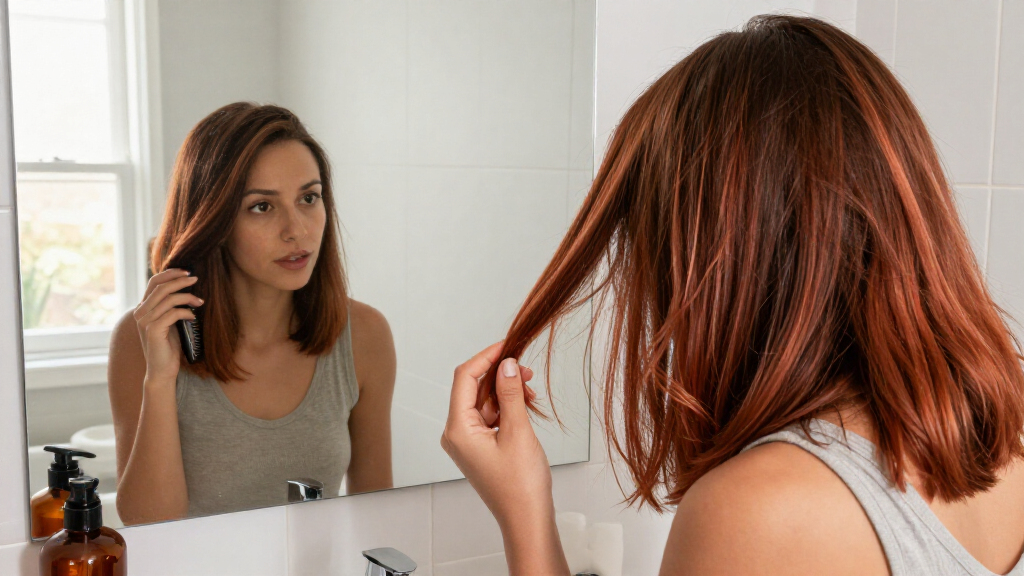
The report frames the issue through a writer’s experience: after choosing a dark, cool brown dye, the color looked rich at first but seemed redder in sunlight a week or two later. That timeline is an individual account, not a guarantee that every person’s color will change at the same rate.
Mast compares the process to painting: the dye’s cool tones can diminish, leaving warmer underlying color more noticeable. She says salon colorists can select and mix demi- or semipermanent formulas with a person’s starting color in mind, and that peroxide strength matters because higher amounts can expose more warmth. The report does not provide a controlled comparison of salon and box dyes; it presents Mast’s explanation and professional guidance.
What Affects Each Person’s Results
The report does not establish how quickly a particular person’s brown color will turn warm, or how much of the change is due to oxidation, water, heat or other factors. Mast says hair’s natural pigment and texture differ from person to person, and the article offers no test results comparing particular dyes, shampoos, filters or toners. Product recommendations are attributed to Mast and should not be read as proof that they will work for everyone.
It is also unclear from the supplied report how much a shower filter can reduce color fading in different homes, or whether a reader’s perceived red tone reflects fading, the original formula or lighting. A stylist can assess the hair and its color history, but the report gives no individualized diagnoses.
Maintaining Color Between Appointments
Mast’s advice is to treat cool brown as a shade that may need upkeep: reduce avoidable heat damage, use color-safe products, and consider a color-depositing conditioner or toner suited to the unwanted tone. The report says green or blue pigments may help counter red or orange tones, but readers should follow product directions and consider advice from a colorist before applying a new treatment.
For a lasting change, the next step is a discussion with a stylist about the hair’s starting color, prior dye, gray coverage and desired result. The report does not announce a new product, policy or scientific finding; it offers professional explanation and maintenance guidance. How effective those steps are will depend on each person’s hair and routine.
Key Questions
Why does dyed brown hair start looking red?
Colorist Jenna Mast says artificial color fades through oxidation, which can make underlying warm pigments more visible. As cooler blue tones diminish, red or yellow tones may stand out.
Does this happen with salon color as well as box dye?
Mast says fading and the appearance of warmth can happen with both. She says salon colorists can tailor a formula, while box dyes are designed for a broad range of users and cannot account for every person’s hair.
Can a toner or color-depositing conditioner help?
The report says products with green or blue pigment may help counter unwanted red or orange tones between appointments. Results can vary, and these products do not stop oxidation permanently.
Can water make brown hair color fade?
Mast says chlorine and unfiltered metals may contribute to premature fading. The report does not provide comparative test data on filters, so it does not establish how much a particular filter will help.
When should I ask a colorist for help?
If the shade repeatedly turns warmer than intended, a colorist can review your hair’s starting tone, texture and color history and discuss a tailored formula. The report says those factors can affect the outcome.
Source: rss