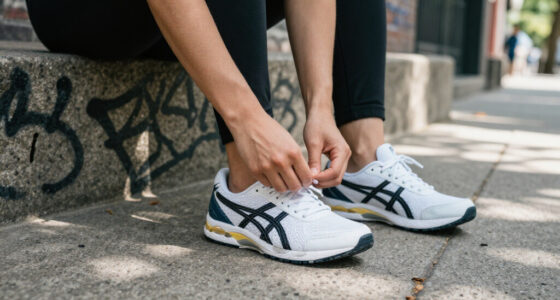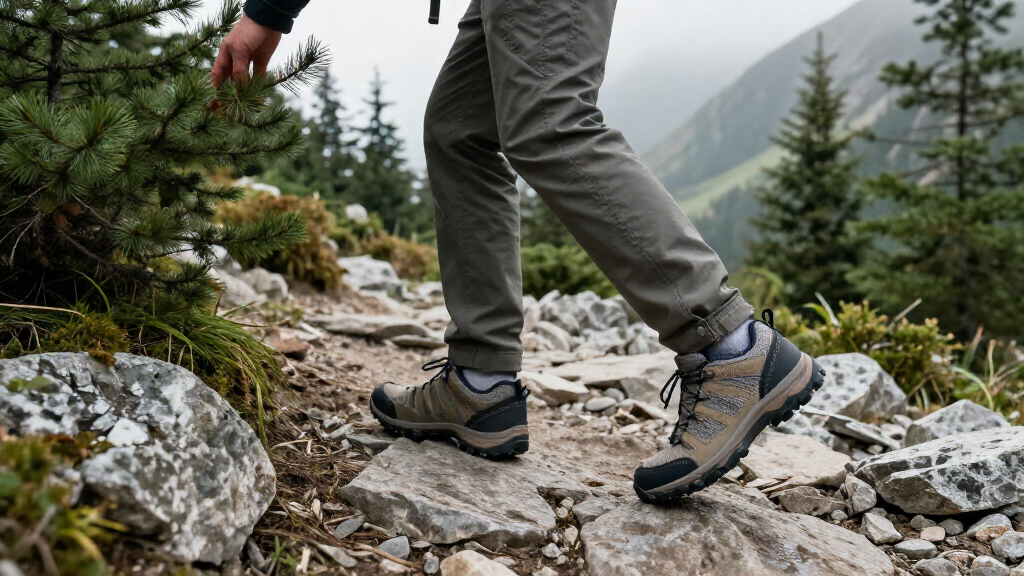

If you’re searching for the best ROA hiking shoes, the right choice depends on whether you prioritize trail grip, cushioning, waterproofing, or a light, flexible feel. My best overall pick is the Merrell Men’s Moab 3 for its balanced hiking design; the Oboz Bridger Low B-DRY is a stronger match for wet conditions, while the Altra Lone Peak 9 suits hikers who want a roomy toe box and trail-runner flexibility. These shoes differ in support, weather protection, and how much weight they put on your feet, so no single model fits every route. I compare all 15 options by their intended use and practical tradeoffs below. Keep reading for the full breakdown and a guide to choosing the pair that fits your trails.

Get your wardrobe favorites delivered free with Prime
- Fast, free delivery on millions of items
- Prime Video, Amazon Music and more included
- Member-only deals all year
Key Takeaways
- The Moab 3 is the most balanced hiking pick in this lineup, while the Lone Peak models favor a lighter, roomier, more flexible feel.
- Waterproofing is a use-case choice, not an automatic upgrade: the Oboz Bridger Low B-DRY and adidas Terrex Anylander RAIN.RDY target wet trails, while the water-shoe design of the Merrell All Out Blaze Aero Sport suits crossings and drainage.
- Trail-running shoes trade structure for freedom of movement: the Saucony Cohesion TR 15, Altra Lone Peaks, and Brooks Ghost Trail are more appealing for quicker, lighter outings than for carrying heavy loads.
- Several models serve distinct budgets and experience levels: Crestwood, Speed Strike 2, and Terrex Anylander are simpler options; Moab 3 and Bridger Low are more hiking-focused choices.
- There are close family comparisons to resolve by fit and intended terrain: the Lone Peak 8 and 9, men’s and women’s Moab 3, and waterproof and non-waterproof Anylander differ more by version and wearer needs than by broad category.
| Merrell Men’s Accentor 3 Hiking Shoe |  | Best for Wet-Weather Day Hikes | Upper: Suede leather and breathable mesh | Waterproofing: GORE-TEX version | Inner material: 100% recycled breathable mesh | VIEW LATEST PRICE | See Our Full Breakdown |
| Merrell Men’s Moab 3 Hiking Shoe |  | Best for Supportive Day-Hike Comfort | Upper: Pigskin leather and mesh | Shaft height: Ankle | Support: Medium | VIEW LATEST PRICE | See Our Full Breakdown |
| Saucony Men’s Cohesion TR 15 Trail Running Shoes |  | Best for Lightweight Trail Running | Outsole: Carbon rubber lugs | Cushioning: VERSARUN | Outer material: Mesh | VIEW LATEST PRICE | See Our Full Breakdown |
| Altra Men’s Lone Peak 9 Trail Running Shoe |  | Best for Rocky, Varied Terrain | Outsole: MaxTrac | Underfoot protection: StoneGuard | Outer material: Mesh | VIEW LATEST PRICE | See Our Full Breakdown |
| Merrell Men’s Speed Strike 2 Hiking Shoes |  | Best Lightweight, Protective Pick | Upper: Synthetic and mesh | Midsole: Lightweight EVA foam | Outsole: Merrell sticky rubber with durable traction | VIEW LATEST PRICE | See Our Full Breakdown |
| Merrell Men’s All Out Blaze Aero Sport Hiking Water Shoe |  | Best for Water-Crossing Trails | Upper: Breathable mesh with synthetic overlays | Lacing: Merrell Omni-Fit lacing system | Heel counter: Molded TPU | VIEW LATEST PRICE | See Our Full Breakdown |
| Columbia Men’s Fairbanks Low Hiking Shoes |  | Best for Trail-to-Town Versatility | Shaft height: Low-top | Upper: Leather and mesh | Midsole: TechLite cushioned | VIEW LATEST PRICE | See Our Full Breakdown |
| ALTRA Men’s Lone Peak 8 Trail Running Shoe |  | Best for Natural Foot Splay | Upper: Ripstop mesh | Midsole: EGO | Stack height: 25 mm | VIEW LATEST PRICE | See Our Full Breakdown |
| Columbia Men’s Crestwood Hiking Shoes |  | Best for Straightforward Day Hikes | Upper: Suede leather with breathable mesh | Fabric: 100% leather and textile | Midsole: TechLite cushioned | VIEW LATEST PRICE | See Our Full Breakdown |
| Oboz Men’s Bridger Low B-DRY Waterproof Hiking Shoes |  | Best for Wet-Weather Support | Waterproofing: B-DRY waterproof, breathable membrane | Upper: Waterproof nubuck and durable textile | Insole: Triple-density EVA with cushioned heel and forefoot pods, molded shell, deep heel cup, and arch profile | VIEW LATEST PRICE | See Our Full Breakdown |
| adidas Men’s Terrex Anylander RAIN.RDY Hiking Shoes |  | Best for Wet-Weather Day Hikes | Waterproofing: RAIN.RDY membrane | Midsole: EVA | Outsole: Traxion rubber | VIEW LATEST PRICE | See Our Full Breakdown |
| Brooks Men’s Ghost Trail Running Shoe |  | Best for Cushioned Trail Miles | Midsole: Nitrogen-infused DNA LOFT v3 | Outsole: TrailTack Green rubber | Lug depth: 3 mm | VIEW LATEST PRICE | See Our Full Breakdown |
| adidas Men’s Terrex Eastrail 3 Hiking Shoes |  | Best for Buyers Who Want a Simple Hiking Shoe | Sole material: Rubber | Outer material: Rubber | Closure: Lace-up | VIEW LATEST PRICE | See Our Full Breakdown |
| Merrell Women’s Moab 3 Hiking Shoes |  | Best for Protective, Supportive Day Hikes | Upper: Pig suede leather and mesh | Outsole: Vibram rubber | Insole: Removable Kinetic Fit ADVANCED contoured insole with reinforced heel cushioning | VIEW LATEST PRICE | See Our Full Breakdown |
| adidas Men’s Terrex Anylander Hiking Shoes |  | Best Lightweight Pick for Dry Trails | Upper: Stretchy textile with reinforced toe cap | Midsole: EVA | Outsole: Traxion rubber with multidirectional lugs | VIEW LATEST PRICE | See Our Full Breakdown |
| ROA hiking shoe | Outsole | Upper | Sole material | Midsole |
|---|---|---|---|---|
| Merrell Men’s Accentor 3 Hikin | — | Suede leather and breathable mesh | Rubber | — |
| Merrell Men’s Moab 3 Hiking Sh | Vibram rubber | Pigskin leather and mesh | — | — |
| Saucony Men’s Cohesion TR 15 T | Carbon rubber lugs | — | Rubber | — |
| Altra Men’s Lone Peak 9 Trail | MaxTrac | — | MaxTrac | — |
| Merrell Men’s Speed Strike 2 H | Merrell sticky rubber with durable traction | Synthetic and mesh | Rubber | Lightweight EVA foam |
| Merrell Men’s All Out Blaze Ae | Vibram TC5+ | Breathable mesh with synthetic overlays | — | Merrell UniFly |
| Columbia Men’s Fairbanks Low H | Omni-Grip non-marking traction rubber | Leather and mesh | Rubber | TechLite cushioned |
| ALTRA Men’s Lone Peak 8 Trail | MaxTrac with TrailClaw lugs | Ripstop mesh | — | EGO |
| Columbia Men’s Crestwood Hikin | Omni-Grip non-marking rubber | Suede leather with breathable mesh | — | TechLite cushioned |
| Oboz Men’s Bridger Low B-DRY W | Trail Tread HD rubber with multidirectional tread | Waterproof nubuck and durable textile | Rubber | — |
| adidas Men’s Terrex Anylander | Traxion rubber | — | Rubber | EVA |
| Brooks Men’s Ghost Trail Runni | TrailTack Green rubber | Air mesh with 3D-printed toe cap and mudguard overlays | Rubber | Nitrogen-infused DNA LOFT v3 |
| adidas Men’s Terrex Eastrail 3 | — | — | Rubber | — |
| Merrell Women’s Moab 3 Hiking | Vibram rubber | Pig suede leather and mesh | Rubber | — |
| adidas Men’s Terrex Anylander | Traxion rubber with multidirectional lugs | Stretchy textile with reinforced toe cap | Rubber | EVA |
More Details on Our Top Picks
Merrell Men’s Accentor 3 Hiking Shoe
The Accentor 3 is the strongest fit here for hikers who want a shoe built around water protection without giving up breathable mesh. Its suede-and-mesh upper, bellows tongue, and rubber toe cap add coverage against moisture, trail grit, and bumps. Compared with the Merrell Speed Strike 2, which has a mesh upper and no waterproofing specified, the Accentor 3 makes more sense for damp conditions—but its GORE-TEX construction is listed for a version, so buyers should confirm which version they are choosing. The tradeoff is a leather upper that may need more care than the Speed Strike 2’s synthetic-and-mesh build. Recycled laces, webbing, and footbed materials are useful details, though they do not change the shoe’s main appeal: added protection for day hikes where wet ground is a regular concern.
Pros:- Waterproof, breathable construction is available in the GORE-TEX version
- Bellows tongue helps limit trail debris entering the shoe
- Abrasion-resistant rubber toe cap adds front-foot protection
- Recycled materials are used in the laces, webbing, and removable footbed
Cons:- GORE-TEX waterproofing is specified for a version, so buyers should verify the exact model
- Suede and leather may require more care than the Speed Strike 2’s synthetic upper
- The supplied details do not specify outsole traction technology
Best for: Day hikers who often encounter wet trails and want a leather-and-mesh shoe with a waterproof version and a protective toe cap
Not ideal for: Hikers seeking a confirmed waterproof spec on every version, a low-maintenance synthetic upper, or a shoe for hot, dry trails where extra coverage is unnecessary
- Upper:Suede leather and breathable mesh
- Waterproofing:GORE-TEX version
- Inner material:100% recycled breathable mesh
- Sole material:Rubber
- Footbed:Removable EVA foam, 50% recycled
- Toe cap:Protective, abrasion-resistant rubber
- Laces and webbing:100% recycled
- Origin:Imported
Our verdict“Choose the Accentor 3 if wet-trail protection matters more than a low-maintenance synthetic upper, but verify the waterproof version before buying.”
Merrell Men’s Moab 3 Hiking Shoe
The Moab 3 earns its place for hikers who want a more supportive, hiking-focused setup than the trail-running options here. Its contoured removable insole adds reinforced heel cushioning, while medium support and a Vibram rubber outsole suit regular day hikes on varied ground. Against the Merrell Accentor 3, the Moab 3 has clearer support and outsole details in the supplied specs, while the Accentor’s distinction is its waterproof version. The Moab 3’s pigskin leather-and-mesh upper, protective toe cap, and bellows tongue provide a familiar mix of coverage and debris protection. It is not the pick for buyers avoiding animal-derived materials, and the provided details do not list waterproofing. Choose it for cushioning and grip rather than wet-weather assurance.
Pros:- Removable contoured insole has reinforced heel cushioning
- Medium support suits hikers wanting more structure than a trail-running shoe
- Vibram rubber outsole provides a specified grip-focused construction
- Bellows tongue and protective toe cap help keep out debris and shield the toe
Cons:- Pigskin leather upper is unsuitable for buyers avoiding animal-derived materials
- Waterproofing is not specified in the supplied product details
- Shaft circumference is listed without a unit, limiting its usefulness for fit comparisons
Best for: Day hikers seeking a contoured removable insole, medium support, and a named grippy outsole for regular trail use
Not ideal for: Hikers avoiding pigskin leather or those who need confirmed waterproofing for consistently wet conditions
- Upper:Pigskin leather and mesh
- Shaft height:Ankle
- Support:Medium
- Insole:Removable Kinetic Fit ADVANCED contoured insole with reinforced heel cushioning
- Outsole:Vibram rubber
- Lining:100% recycled mesh
- Toe protection:Protective toe cap
- Laces and webbing:100% recycled
Our verdict“Pick the Moab 3 for supportive day-hike cushioning and Vibram traction, not for a leather-free or confirmed waterproof shoe.”
Saucony Men’s Cohesion TR 15 Trail Running Shoes
The Cohesion TR 15 is the lineup’s clearest choice for buyers who prioritize a trail-running feel over the more protective build of a conventional hiking shoe. VERSARUN cushioning softens the ride, while carbon rubber lugs and supportive overlays give it trail-specific grip and foot hold. Compared with the Merrell Moab 3, it trades a contoured hiking insole and leather upper for a mesh construction that is designed to feel less bulky. That makes it a better match for running or brisk outings, but its listed design is specifically for off-road trails, not a do-everything shoe for roads and paths. The product details do not specify waterproofing or a protective toe cap, so hikers seeking those features should favor options such as the Merrell Accentor 3’s waterproof version instead.
Pros:- VERSARUN cushioning adds comfort underfoot for off-road outings
- Carbon rubber lugs are designed to provide trail traction
- Supportive overlays help secure the foot
- Mesh construction avoids the bulk of the leather-upper Merrell Moab 3
Cons:- Trail-specific design may not suit buyers who also need regular road-running use
- Waterproofing is not specified
- A protective toe cap is not listed in the supplied product details
Best for: Trail runners and fast-moving hikers who want cushioned underfoot comfort, lugged traction, and a less bulky mesh build
Not ideal for: Hikers who need confirmed waterproofing, a listed protective toe cap, or one shoe suited to both road running and off-road trails
- Outsole:Carbon rubber lugs
- Cushioning:VERSARUN
- Outer material:Mesh
- Inner material:Mesh
- Closure:Lace-up
- Fit and protection:Trail-specific mesh with supportive overlays
- Sole material:Rubber
Our verdict“Choose the Cohesion TR 15 for cushioned off-road running and a lighter mesh feel, but look elsewhere for hiking-shoe coverage or stated waterproofing.”
Altra Men’s Lone Peak 9 Trail Running Shoe
The Lone Peak 9 stands out for hikers who want underfoot protection and traction across varied terrain rather than a conventional leather hiking-shoe build. Its MaxTrac outsole is intended to grip and hold up on trails, while the StoneGuard adds a flexible, firm layer between the foot and rocks or debris. Compared with the Saucony Cohesion TR 15, the Lone Peak 9 has a specifically listed rock-protection component and an APMA Seal of Acceptance; the Saucony instead lists VERSARUN cushioning and carbon rubber lugs. The tradeoff is that the supplied details do not specify waterproofing, cushioning construction, or upper reinforcements beyond mesh. Buyers wanting protection from sharp ground should give it a close look, while those prioritizing wet-weather coverage may prefer the Merrell Accentor 3’s waterproof version.
Pros:- MaxTrac outsole is designed for grip and traction on varied terrain
- StoneGuard helps shield the foot from rocks and debris
- Flexible, firm underfoot protection supports a stable trail feel
- Carries the APMA Seal of Acceptance for promoting good foot health
Cons:- Waterproofing is not specified in the supplied details
- The listed mesh outer material may provide less coverage than leather hiking uppers
- Cushioning and fit details are not provided for comparison with the Saucony Cohesion TR 15
Best for: Trail hikers and runners who regularly cross rocky ground and want a flexible shoe with a named underfoot rock shield
Not ideal for: Hikers who need confirmed waterproofing or detailed information about cushioning and upper protection before choosing
- Outsole:MaxTrac
- Underfoot protection:StoneGuard
- Outer material:Mesh
- Inner material:Polyester
- Sole material:MaxTrac
- Origin:Imported
- Foot-health designation:APMA Seal of Acceptance
Our verdict“Choose the Lone Peak 9 for rocky routes where a StoneGuard layer matters more than confirmed waterproofing or a detailed cushioning spec.”
Merrell Men’s Speed Strike 2 Hiking Shoes
The Speed Strike 2 is the straightforward choice for hikers who want a lightweight EVA midsole and trail-ready protection without a leather upper. Its synthetic-and-mesh construction is paired with abrasion-resistant heel and toe caps, and Merrell sticky rubber provides durable traction. Compared with the Merrell Accentor 3, this model has no waterproofing specified, but its synthetic upper may ask less routine care than the Accentor’s suede and leather. The heel loop also makes entry easier and supports carabiner compatibility, a practical touch for hikers who attach shoes to a pack. Its central compromise is water exposure: the mesh upper may offer less protection than the Accentor’s GORE-TEX version. I’d favor the Speed Strike 2 for dry-to-mixed day hikes where low weight and protective caps matter more than weather coverage.
Pros:- Lightweight EVA foam midsole is designed for stability and comfort
- Merrell sticky rubber outsole offers durable trail traction
- Abrasion-resistant synthetic heel and toe caps add protection
- Heel loop aids entry and supports carabiner compatibility
Cons:- Mesh upper may provide less water protection than the Merrell Accentor 3’s GORE-TEX version
- Waterproofing is not specified
- The supplied details do not list a removable footbed or support level
Best for: Hikers wanting a lightweight synthetic-and-mesh shoe with protective caps and durable trail traction for dry-to-mixed conditions
Not ideal for: Hikers who regularly cross wet terrain and need specified waterproof construction, or who prefer a leather upper
- Upper:Synthetic and mesh
- Midsole:Lightweight EVA foam
- Outsole:Merrell sticky rubber with durable traction
- Sole material:Rubber
- Closure:Lace-up
- Heel and toe caps:Protective and abrasion-resistant synthetic
- Heel loop:For ease of entry and carabiner compatibility
- Origin:Imported
Our verdict“Choose the Speed Strike 2 for a lighter, synthetic hiking shoe with protective caps, but pick the Accentor 3 if waterproof coverage is the priority.”
Merrell Men’s All Out Blaze Aero Sport Hiking Water Shoe
For hikes that mix dry trail with frequent water crossings, I’d put the All Out Blaze Aero Sport ahead of more conventional options here. Its breathable mesh upper and water-shoe design favor airflow and quick-moving comfort, while the Omni-Fit lacing system helps dial in a secure fit. A molded TPU heel counter and 5 mm-lug Vibram TC5+ outsole add stability and grip when the route gets uneven. Compared with the more protective, waterproof Oboz Bridger Low B-DRY, this Merrell is lighter and better suited to wet feet, but its mesh offers less defense against debris and it lacks the Oboz’s waterproof membrane. The lightly padded collar may also feel sparse on long outings. I’d choose it for wet, warm routes—not cold, brushy hikes where coverage matters more.
Pros:- Breathable mesh construction favors airflow on warm, wet routes.
- Omni-Fit lacing is designed to provide a precise, secure fit.
- Molded TPU heel counter adds structure and stability.
- Vibram TC5+ outsole with 5 mm lugs provides trail traction.
Cons:- Mesh upper offers less protection from rough debris than a more substantial hiking shoe.
- Lightly padded collar may provide limited cushioning.
- No waterproof membrane is specified, so it is not designed to keep feet dry in sustained rain.
Best for: Hikers on warm-weather routes with stream crossings who want a breathable, lightweight shoe and a secure lacing fit.
Not ideal for: Hikers facing cold conditions, sharp trail debris, or persistent rain who need an enclosed upper and waterproof protection.
- Upper:Breathable mesh with synthetic overlays
- Lacing:Merrell Omni-Fit lacing system
- Heel counter:Molded TPU
- Lining:Breathable mesh treated with M Select FRESH
- Footbed:Foam
- Midsole:Merrell UniFly
- Outsole:Vibram TC5+
- Lug depth:5 mm
Our verdict“Choose this Merrell for breathable comfort and grip on warm trails with water crossings, but pick the Oboz Bridger Low if waterproof coverage matters more.”
Columbia Men’s Fairbanks Low Hiking Shoes
The Fairbanks Low suits hikers who want one shoe for casual trails and everyday errands, rather than a specialized wet-weather or rugged-terrain pick. Its low-top build and cushioned TechLite midsole keep the feel flexible, while suede leather and mesh offer a more structured upper than the airy Merrell All Out Blaze Aero Sport. The Omni-Grip non-marking outsole is useful for varied wet or dry surfaces and indoor use, giving this Columbia an extra everyday advantage over shoes focused solely on trail performance. That versatility comes with limits: the low cut leaves the ankle exposed, and the suede upper calls for more care than a simpler synthetic construction. I’d choose it over the Columbia Crestwood when adaptable eyelets and indoor-friendly traction are priorities, but not for routes that demand ankle coverage or waterproofing.
Pros:- Cushioned TechLite midsole is designed to provide comfort and energy return.
- Omni-Grip rubber outsole offers traction on varied wet and dry terrain.
- Non-marking outsole suits indoor use as well as trails.
- Flexible webbing eyelets allow an adaptable, secure fit.
Cons:- Low-top profile provides limited ankle coverage.
- Suede and leather need more care than synthetic uppers.
- No waterproof membrane is listed.
Best for: Hikers who want a lightweight low-top for maintained trails, casual outdoor use, and indoor settings where a non-marking sole is useful.
Not ideal for: Backpackers seeking ankle coverage or hikers needing a waterproof shoe for prolonged wet conditions.
- Shaft height:Low-top
- Upper:Leather and mesh
- Midsole:TechLite cushioned
- Outsole:Omni-Grip non-marking traction rubber
- Fit:True to size
- Sole material:Rubber
- Eyelets:Flexible webbing
Our verdict“Pick the Fairbanks Low for flexible trail-to-town use and indoor-friendly traction, but choose a higher-coverage or waterproof option for demanding wet hikes.”
ALTRA Men’s Lone Peak 8 Trail Running Shoe
The Lone Peak 8 is the clearest choice here for hikers who want a wide toe box and a zero-drop platform rather than the traditional feel of a hiking shoe. That combination gives toes room to spread and keeps heel and forefoot at the same height; it may suit buyers accustomed to that geometry, but it can feel unfamiliar to those who prefer a raised heel. Its 25 mm stack height and EGO midsole add cushioning without making the shoe’s trail-running focus disappear. The ripstop mesh and MaxTrac outsole with TrailClaw lugs target mixed dirt, gravel, and rock. Compared with the Columbia Crestwood, this ALTRA offers a more distinctive foot shape and platform, but the Crestwood may feel more conventional. Skip the Lone Peak if you need a narrow fit or are not comfortable with zero drop.
Pros:- Wide toe box gives toes room to spread.
- Zero-drop platform supports a level heel-to-toe position.
- Ripstop mesh upper is breathable and abrasion-resistant.
- EGO midsole and 25 mm stack height provide cushioning for trail movement.
Cons:- Zero-drop geometry may not suit buyers accustomed to a raised heel.
- Wide fit may feel too roomy for people who prefer a narrow toe box.
- Trail-running design may not provide the structure some hikers want from a traditional hiking shoe.
Best for: Hikers and trail runners who prefer a roomy toe box, zero-drop geometry, and a lightweight shoe for mixed terrain.
Not ideal for: Buyers who need a narrow-fitting shoe or prefer a raised heel and a conventional hiking-shoe platform.
- Upper:Ripstop mesh
- Midsole:EGO
- Stack height:25 mm
- Platform:Zero-drop
- Toe box:Wide
- Outsole:MaxTrac with TrailClaw lugs
- Shaft height:Ankle
Our verdict“Choose the Lone Peak 8 if a roomy toe box and zero-drop platform are your priorities; choose the more conventional Columbia Crestwood if you prefer a standard hiking-shoe feel.”
Columbia Men’s Crestwood Hiking Shoes
I’d recommend the Crestwood to day hikers who want a simple, lightweight shoe for dry trails and everyday wear, without specialized fit geometry or a waterproof build. Its suede-and-mesh upper balances structure with airflow, while the cushioned TechLite midsole and Omni-Grip rubber outsole cover the basic needs of varied terrain. The stated no-break-in-period advantage makes it a more approachable pick than the more technical Oboz Bridger Low B-DRY, whose waterproof membrane, supportive chassis, and reinforced construction suit tougher or wetter outings. The Crestwood gives up that protection: its breathable construction is described as best for dry environments, and no waterproof membrane is listed. Compared with the Columbia Fairbanks Low, it is the more straightforward hiking-focused option, but the Fairbanks adds non-marking indoor traction. I’d keep the Crestwood on local, dry routes rather than wet or rough trips.
Pros:- Lightweight design suits casual day hikes and everyday wear.
- Suede and mesh upper combines structure with breathability.
- Omni-Grip rubber outsole is designed for traction on varied terrain.
- Described as needing no break-in period.
Cons:- Breathable construction is best suited to dry environments.
- No waterproof membrane is specified.
- Offers less protective construction than the Oboz Bridger Low B-DRY.
Best for: Day hikers who want an easy-to-wear, lightweight shoe for dry trails and regular everyday use.
Not ideal for: Hikers on wet routes or rough terrain who need waterproofing, reinforced protection, or more supportive construction.
- Upper:Suede leather with breathable mesh
- Fabric:100% leather and textile
- Midsole:TechLite cushioned
- Outsole:Omni-Grip non-marking rubber
- Fit:True to size
- Use:Trails and everyday wear
Our verdict“Choose the Crestwood for uncomplicated dry-weather day hikes, but opt for the Oboz Bridger Low if wet-weather protection and added structure are priorities.”
Oboz Men’s Bridger Low B-DRY Waterproof Hiking Shoes
For hikes where staying dry and supported matters more than keeping weight down, the Bridger Low B-DRY is the strongest fit in this group. Its waterproof, breathable membrane and nubuck-and-textile upper offer protection the open-mesh Merrell All Out Blaze Aero Sport does not, while the molded rubber toe cap, heel counter, and TPU chassis add structure for uneven ground. Underfoot, the triple-density EVA insole combines cushioned heel and forefoot pods with a deep heel cup and arch profile; that more supportive setup contrasts with the lighter, more flexible approach of the Columbia Fairbanks Low. The tradeoff is a listed weight of 17.7 oz per half pair, plus the low-cut design still leaves the ankle less covered than a boot. I’d choose it for wet or rocky outings, not for buyers prioritizing a light, airy feel.
Pros:- B-DRY waterproof, breathable membrane helps manage moisture.
- Triple-density EVA insole includes cushioned pods, a deep heel cup, and arch profile.
- Multidirectional Trail Tread HD rubber outsole is designed for grip on wet, dry, and rocky surfaces.
- TPU chassis and molded toe and heel protection add structure.
Cons:- At 17.7 oz per half pair, it may feel substantial beside lighter options such as the Merrell All Out Blaze Aero Sport.
- Low-cut profile provides less ankle coverage than a hiking boot.
- The listed fabric type is cotton, while the upper is described as nubuck and textile.
Best for: Hikers who regularly encounter wet trails or rocky terrain and want waterproof protection, a supportive insole, and reinforced structure in a low-cut shoe.
Not ideal for: Warm-weather hikers seeking maximum airflow, or buyers who want a lighter shoe and more ankle coverage.
- Waterproofing:B-DRY waterproof, breathable membrane
- Upper:Waterproof nubuck and durable textile
- Insole:Triple-density EVA with cushioned heel and forefoot pods, molded shell, deep heel cup, and arch profile
- Outsole:Trail Tread HD rubber with multidirectional tread
- Weight:17.7 oz per half pair
- Construction:Low-cut profile with TPU chassis, webbing eyelets, molded rubber toe cap, and heel counter
- Sole material:Rubber
Our verdict“Choose the Bridger Low B-DRY for waterproofing and supportive protection on wet, uneven hikes, but skip it if low weight and airflow matter most.”
adidas Men’s Terrex Anylander RAIN.RDY Hiking Shoes
The RAIN.RDY membrane gives this Anylander a clear advantage over the standard Terrex Anylander, whose textile upper is not described as waterproof. That makes this version the stronger fit for damp trails and changeable weather, while its Traxion rubber outsole is designed to grip in multiple directions on rugged ground. The EVA midsole keeps the setup cushioned without adding a complicated support system. Compared with the Merrell Women’s Moab 3, which has a suede-and-mesh upper and a Vibram outsole, this adidas emphasizes wet-weather coverage and a lighter-feeling midsole rather than a leather-and-mesh build. The tradeoff is that the listing provides no breathability rating, and its weight and midsole measurements apply only to a US size 9. I’d choose it for wet conditions, not as a proven all-season waterproof boot substitute.
Pros:- RAIN.RDY membrane helps keep feet dry in wet conditions
- Traxion rubber outsole is designed for multidirectional grip on rugged terrain
- EVA midsole provides lightweight cushioning
- Made in part with recycled and renewable materials
Cons:- Breathability performance is not specified
- Weight and midsole measurements are listed only for US size 9
Best for: Hikers seeking a waterproof low shoe for day hikes on damp, rugged trails who prefer lightweight EVA cushioning.
Not ideal for: Hikers who prioritize a clearly breathable upper or need fit and weight details for sizes other than US size 9.
- Waterproofing:RAIN.RDY membrane
- Midsole:EVA
- Outsole:Traxion rubber
- Sole material:Rubber
- Closure:Lace-up
- Weight:390 g (US size 9)
- Midsole drop:10 mm
- Materials:Made in part with recycled and renewable materials
Our verdict“Choose this Anylander over the standard version when wet-weather coverage matters more than a documented breathability rating.”
Brooks Men’s Ghost Trail Running Shoe
The Ghost Trail is the running-oriented choice in this group: its nitrogen-infused DNA LOFT v3 midsole is designed for cushioned, responsive landings, while 3 mm TrailTack Green lugs target grip on wet and dry surfaces. That combination suits hikers who move at a steady pace on trails and value a softer ride over the more hiking-focused construction of the adidas Terrex Anylander. The air mesh upper and protective toe and mudguard overlays balance ventilation with some coverage, but the listing does not describe waterproofing. Its relatively shallow lug depth also makes it a less convincing pick for deep mud or rough routes where more substantial hiking footwear may be preferable. I’d favor the Ghost Trail for dry, rocky, or technical paths where cushioning and breathability matter; skip it if keeping feet dry in persistent rain is the priority.
Pros:- Nitrogen-infused DNA LOFT v3 midsole is designed for cushioned, responsive landings
- TrailTack Green rubber outsole is designed for wet- and dry-surface grip
- Air mesh upper supports ventilation
- Toe cap and mudguard overlays add coverage on trails
Cons:- No waterproofing is described
- The 3 mm lugs may be less suited to deep mud than more aggressive trail tread
Best for: Trail runners and fast-moving hikers who want cushioned landings, a breathable upper, and grip on wet or dry trail surfaces.
Not ideal for: Hikers on persistently wet routes or deep mud who need stated waterproofing or deeper lugs.
- Midsole:Nitrogen-infused DNA LOFT v3
- Outsole:TrailTack Green rubber
- Lug depth:3 mm
- Upper:Air mesh with 3D-printed toe cap and mudguard overlays
- Outer material:Nylon
- Inner material:Nylon
- Sole material:Rubber
- Closure:Adjustable lacing
Our verdict“Pick the Ghost Trail for cushioned, breathable miles on defined trails, but choose a waterproof hiking shoe for prolonged wet conditions.”
adidas Men’s Terrex Eastrail 3 Hiking Shoes
The Terrex Eastrail 3 has a straightforward hiking-shoe profile: a rubber sole and lace-up closure, with little else specified in the available product details. That simplicity makes it harder to compare on cushioning, traction pattern, weather protection, or weight than the Terrex Anylander, which lists an EVA midsole and multidirectional Traxion outsole. It also offers less documented fit and protection detail than the Merrell Women’s Moab 3, whose listing names a protective toe cap, removable insole, and Vibram outsole. I can’t infer performance features that aren’t provided, so this pick makes the most sense for shoppers who want a basic lace-up shoe and are comfortable checking additional product information before buying. The main tradeoff is limited specification detail: there is no stated waterproofing, cushioning construction, or outsole design beyond the rubber material.
Pros:- Rubber sole material is specified
- Lace-up closure allows adjustment
- Listed as a hiking shoe
- Simple construction details may suit shoppers seeking a no-frills option
Cons:- No waterproofing information is provided
- Midsole cushioning and outsole tread design are not specified
- Weight and protective features are not listed
Best for: Buyers looking for a basic lace-up hiking shoe who can confirm fit and performance details from additional product information.
Not ideal for: Hikers who need clearly documented waterproofing, cushioning, traction design, weight, or protective features before choosing.
- Sole material:Rubber
- Outer material:Rubber
- Closure:Lace-up
- Origin:Imported
- Product type:Hiking shoe
- Waterproofing:Not specified
Our verdict“Consider the Eastrail 3 only if a simple lace-up design suits you and you can verify the missing performance details before buying.”
Merrell Women’s Moab 3 Hiking Shoes
The Moab 3 offers the most clearly detailed protective setup among these five: a pig suede leather and mesh upper, protective toe cap, and bellows tongue help limit bumps and trail debris, while the removable contoured insole adds reinforced heel cushioning. Its Vibram outsole and medium support make it a more traditionally hiking-focused option than the running-oriented Brooks Ghost Trail, which instead emphasizes a responsive midsole and breathable mesh. The Moab 3 also lists recycled laces, webbing, and mesh lining. Its tradeoffs are a leather-and-mesh construction rather than stated waterproofing, and a medium support level that may not match every foot or preference. I’d lean toward it for hikers who want a protective upper and a removable insole; the adidas Terrex Anylander RAIN.RDY is the clearer choice when a waterproof membrane is the priority.
Pros:- Protective toe cap and bellows tongue help guard against trail debris
- Removable contoured insole has reinforced heel cushioning
- Vibram rubber outsole
- Recycled laces, webbing, and mesh lining
Cons:- Waterproofing is not specified
- Medium support may not suit hikers who prefer a different support level
- Leather-and-mesh upper is less focused on lightweight running feel than the Brooks Ghost Trail
Best for: Women seeking a protective day-hiking shoe with a removable contoured insole, reinforced heel cushioning, and a durable leather-and-mesh upper.
Not ideal for: Hikers who need stated waterproofing or whose support needs differ from the listed medium level.
- Upper:Pig suede leather and mesh
- Outsole:Vibram rubber
- Insole:Removable Kinetic Fit ADVANCED contoured insole with reinforced heel cushioning
- Support:Medium
- Toe protection:Protective toe cap
- Lining:100% recycled mesh
- Laces and webbing:100% recycled
- Sole material:Rubber
Our verdict“Choose the Moab 3 for a protective, supportive day-hiking build, but favor the RAIN.RDY Anylander if waterproofing is your main requirement.”
adidas Men’s Terrex Anylander Hiking Shoes
The standard Terrex Anylander keeps the same basic appeal as its RAIN.RDY counterpart: a 390 g weight (for US size 9), cushioned EVA midsole, and Traxion outsole with multidirectional lugs. Its stretchy textile upper and reinforced toe cap suit hikers who want a flexible, lower-fuss shoe for rugged trails. The key difference from the Terrex Anylander RAIN.RDY is weather protection: this version has no stated waterproof membrane, so it may feel less suited to wet outings but avoids making waterproofing the center of the design. Compared with the Brooks Ghost Trail, it leans more toward hiking-focused outsole grip and toe reinforcement than a specified responsive running midsole. The tradeoff is a textile upper that may offer less water protection, plus limited information about fit and breathability. I’d pick it for dry day hikes where grip and cushioning matter more than rain coverage.
Pros:- Traxion rubber outsole has multidirectional lugs for rugged terrain
- EVA midsole provides lightweight cushioning
- Reinforced toe cap adds durability
- Made in part with recycled and renewable materials
Cons:- Textile upper may offer less water protection than the RAIN.RDY version
- Weight and midsole measurements are specified for US size 9
- Breathability details are not provided
Best for: Hikers who want a lightweight-feeling shoe with multidirectional tread and toe reinforcement for dry, rugged day trails.
Not ideal for: People who hike in frequent rain or need a stated waterproof membrane; the RAIN.RDY version is a better match for those conditions.
- Upper:Stretchy textile with reinforced toe cap
- Midsole:EVA
- Outsole:Traxion rubber with multidirectional lugs
- Weight:390 g (US size 9)
- Midsole drop:10 mm (heel: 27 mm / forefoot: 17 mm)
- Closure:Lace-up
- Sole material:Rubber
- Materials:Blend of recycled and renewable materials
Our verdict“Choose this Anylander for dry trails and multidirectional grip; step up to the RAIN.RDY version when wet-weather protection matters.”
How We Picked
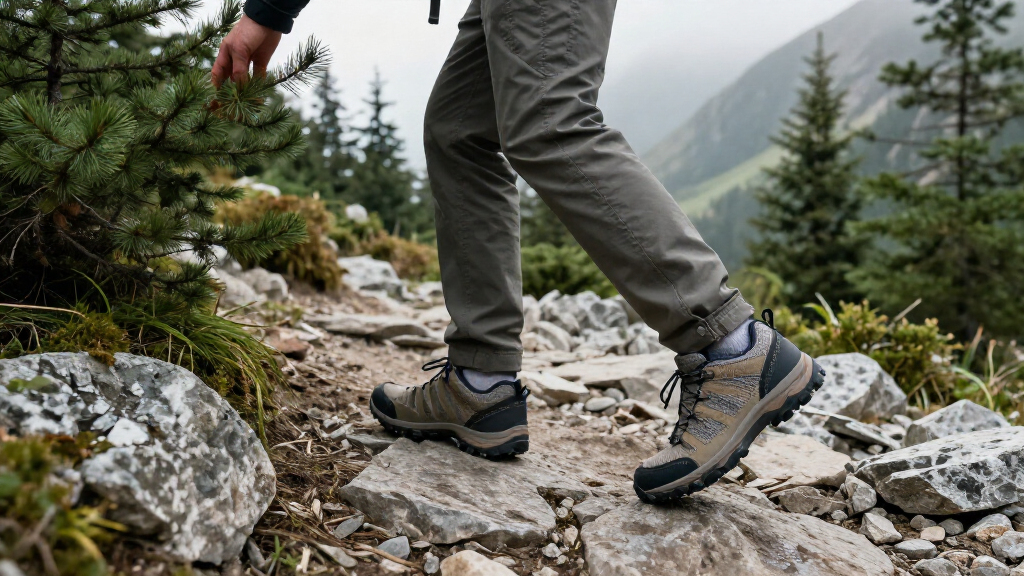
I ranked these shoes around the needs implied by a ROA-inspired hiking search: trail-ready grip, useful protection, a secure fit, and enough comfort for the distances and terrain each design targets. I also weighed weather handling, cushioning, flexibility, and how easily a shoe can move between hikes and everyday wear. Because this lineup includes hiking shoes, trail runners, and a water shoe, I judged each against its intended role rather than treating them as interchangeable.
The order favors versatile hiking performance first, then more specialized strengths such as waterproofing, low weight, or water-friendly construction. A shoe’s place also reflects its compromises: a flexible trail runner may feel less supportive with a loaded pack, while a waterproof build can retain heat and dry more slowly after water gets inside. I did not treat model names or feature lists as proof of fit; buyers should check sizing and intended use before choosing.
| ROA hiking shoe | Sole material | Midsole |
|---|---|---|
| Merrell Men’s Accentor 3 Hikin | Rubber | — |
| Merrell Men’s Moab 3 Hiking Sh | — | — |
| Saucony Men’s Cohesion TR 15 T | Rubber | — |
| Altra Men’s Lone Peak 9 Trail | MaxTrac | — |
| Merrell Men’s Speed Strike 2 H | Rubber | Lightweight EVA foam |
| Merrell Men’s All Out Blaze Ae | — | Merrell UniFly |
| Columbia Men’s Fairbanks Low H | Rubber | TechLite cushioned |
| ALTRA Men’s Lone Peak 8 Trail | — | EGO |
| Columbia Men’s Crestwood Hikin | — | TechLite cushioned |
| Oboz Men’s Bridger Low B-DRY W | Rubber | — |
| adidas Men’s Terrex Anylander | Rubber | EVA |
| Brooks Men’s Ghost Trail Runni | Rubber | Nitrogen-infused DNA LOFT v3 |
| adidas Men’s Terrex Eastrail 3 | Rubber | — |
| Merrell Women’s Moab 3 Hiking | Rubber | — |
| adidas Men’s Terrex Anylander | Rubber | EVA |
Factors to Consider When Choosing Best ROA Hiking Shoes
To choose among these 15 shoes, start with your routes and the way you like a shoe to feel—not with the longest feature list. The comparisons show that hiking support, running-shoe flexibility, and water management pull in different directions. These factors can help you avoid paying for protection you don’t need or choosing a light shoe that feels underbuilt for your plans.
Match the shoe to your route and pack
Think about the roughest section you walk regularly, not just the trailhead or the most common easy outing. Smoother paths and short walks can suit a flexible trail-running design, while rocky, uneven routes call for a more protective, hiking-oriented feel. A heavier pack increases the value of a stable platform and secure fit, even if the shoe feels less nimble. A frequent mistake is buying a lightweight shoe for long, loaded hikes because it feels comfortable indoors. Try it with the socks and pack weight you expect to use, and check whether your foot shifts on a slope. The right level of support is the least restrictive shoe that still feels controlled on your actual terrain.
Treat waterproofing as a tradeoff
A waterproof membrane can help in cold rain, damp brush, or muddy conditions, but it does not make a shoe ideal for every wet setting. Once water spills over the collar, a waterproof shoe can hold moisture inside and take longer to dry. For warm weather, repeated stream crossings, or routes where drainage matters, a water shoe or more breathable construction may be a better match. Consider how often your feet get wet and whether the weather is cool enough for the added barrier to pay off. Another common mistake is assuming a water-resistant label means the shoe can handle prolonged submersion. Choose waterproofing for the conditions you face most often, rather than as a blanket upgrade.
Compare fit, not just size labels
Brand sizing and shoe shapes can vary, so a familiar size in one model may not fit another the same way. Check toe room while standing, heel hold while walking, and whether the midfoot feels secure without painful pressure. Feet often swell during longer outings, which makes a snug fit at home less forgiving on the trail. Roomier options such as the Altra Lone Peaks may appeal to hikers who want space for toe spread, but that shape is not automatically right for every foot. Try shoes late in the day when possible and wear your usual hiking socks. If you use orthotics, confirm that they sit securely and do not crowd the upper.
Choose cushioning and flexibility for your pace
More cushioning can soften repeated impact on hard-packed trails, while a flexible shoe can feel natural when you move quickly or cover mixed surfaces. Those qualities do not replace underfoot protection on sharp, rocky terrain. A highly flexible trail runner may fatigue some hikers over long days, especially with a pack, while a firmer hiking shoe can feel less lively on casual walks. Consider your pace, distance, and sensitivity to uneven ground rather than assuming softer always means more comfortable. If you are new to trail shoes, build up mileage gradually as your feet adjust to a different level of support. Choose the balance that stays comfortable after several hours, not just during a short try-on.
Prioritize traction for your actual surfaces
Grip needs change between packed dirt, loose gravel, wet rock, and muddy slopes. A tread pattern that works well on dry paths may not provide the same confidence in slick or soft ground. Look at lug depth and spacing as clues: deeper, more open lugs can shed mud, while shallower patterns often feel smoother on firm surfaces. No outsole makes every surface safe, so route conditions and careful footing still matter. A common buying error is choosing an aggressive tread for mostly pavement and hard trail, where it can feel unnecessary. Match traction to your most frequent terrain, then leave room for slower, more deliberate steps when conditions exceed the shoe’s strengths.
Decide when a more specialized build is worth it
A specialized shoe makes sense when one condition dominates your outings, such as regular wet-weather hikes, water crossings, or a preference for a roomy, low-drop running-shoe feel. For mixed use, a versatile hiking shoe can reduce the need to own several pairs. Pay more attention to fit, outsole grip, and construction quality than to extra features you rarely use. If you are choosing between closely related versions, compare the actual changes in weather protection, fit, and intended activity instead of assuming the newer number is better for you. Buyers who hike occasionally may get more value from a straightforward, adaptable design; frequent hikers may benefit from a model tailored to their terrain. The best specialized option is the one that solves a recurring problem without creating a new one.
Frequently Asked Questions
Are trail-running shoes a good choice for hiking?
They can work well for lighter packs, faster outings, and trails where flexibility matters more than a structured hiking feel. The Lone Peak, Cohesion TR 15, and Ghost Trail represent different trail-running approaches in this lineup. Compared with the Moab 3 or Bridger Low, running-oriented shoes may feel less supportive when the terrain is rough or the pack is heavy. Fit and underfoot protection matter more than the category label, so try them on the surfaces and distances you expect to cover. For long hikes with substantial loads, lean toward a hiking-focused design unless you already know a flexible shoe suits you.
Should I choose a waterproof hiking shoe or a breathable one?
Choose waterproofing when cool rain, wet vegetation, or muddy conditions are routine and keeping water out matters more than quick drying. A breathable or water-friendly shoe can be more comfortable in warm weather or on routes with frequent crossings, since water can drain rather than remain trapped. The Oboz Bridger Low B-DRY and Terrex Anylander RAIN.RDY are aimed at weather protection, while the Merrell All Out Blaze Aero Sport serves a different, water-oriented purpose. Waterproof shoes can still get wet from above the collar, so the membrane is not a guarantee of dry feet. Base the choice on your typical conditions, not on the assumption that waterproof is always better.
How much toe room should hiking shoes have?
Your toes should be able to spread and move without hitting the front of the shoe when you walk downhill. At the same time, excess space can let the foot slide, causing rubbing or reducing control on uneven ground. Try shoes with your hiking socks and check both toe room and heel hold while moving. Feet may swell over a long outing, so a fit that feels barely roomy in a store can become uncomfortable later. The Lone Peak models offer a roomier shape than many conventional hiking shoes, but the best fit depends on your foot and preferred feel.
Can one pair cover both everyday wear and weekend hikes?
Yes, if your hikes are moderate and the shoe’s tread and fit also feel comfortable on pavement. More versatile options such as the Merrell Moab 3 or simpler trail-ready designs can suit a mix of errands and casual outings, while specialized waterproof or water-shoe builds target narrower conditions. Frequent pavement use can wear down trail tread faster and may make aggressive lugs feel less smooth. If you hike in rough terrain or carry a heavy pack, prioritize trail performance over appearance or everyday versatility. Decide which activity will account for most of the shoe’s use and make that the priority.
Is the Lone Peak 9 a meaningful choice over the Lone Peak 8?
Both are trail-running shoes in the same family, so fit, feel, and the specific version details matter more than the number alone. The Lone Peak 9 is the newer entry in this comparison, while the Lone Peak 8 remains a relevant option for shoppers who find its fit or construction better suited to them. I would not assume a newer model is automatically more comfortable or appropriate for hiking. Compare the current product specifications and try both if possible, paying attention to toe room, heel security, and underfoot feel. Choose the version that works with your routes and feet rather than choosing by model year.
Conclusion
For the broadest mix of hiking comfort and trail-ready use, I’d start with the Merrell Men’s Moab 3 as the best overall pick. The Columbia Crestwood or Merrell Speed Strike 2 are sensible value-oriented choices for hikers who want a straightforward option without a specialized design, while the Oboz Bridger Low B-DRY is my premium-leaning choice for buyers who want a more weather-focused hiking shoe. Beginners should compare the Moab 3 and Crestwood by fit and intended terrain rather than chasing the most technical build. For a roomy, flexible feel, choose between the Altra Lone Peak 9 and Lone Peak 8; for water crossings, look at the Merrell All Out Blaze Aero Sport; for wet-weather protection, compare the Oboz with the Terrex Anylander RAIN.RDY. Your best match is the shoe that fits securely and suits the conditions you hike most often.