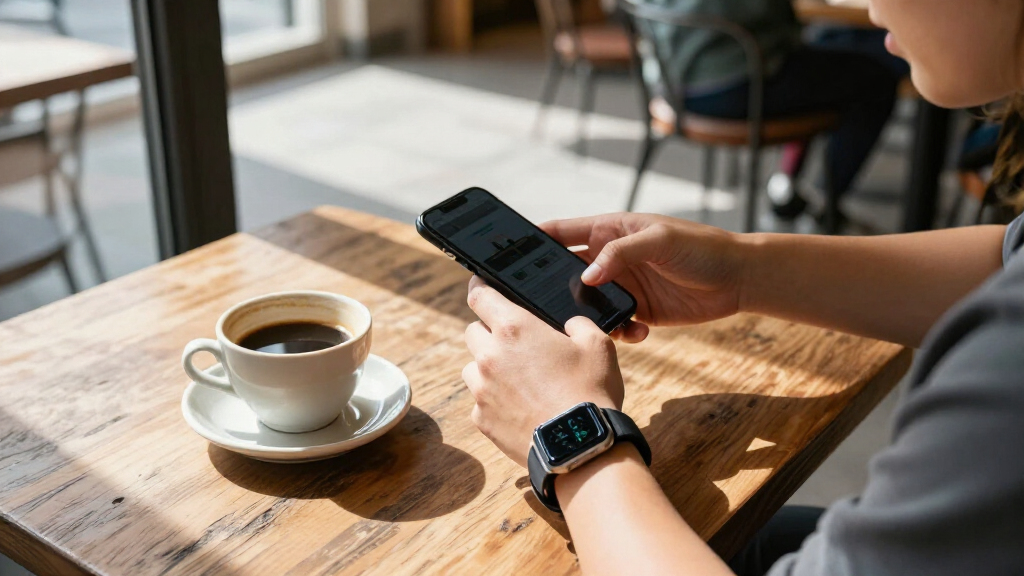

The best wearable tech devices depend on what you want to track or do: my best overall pick is the Google Fitbit Inspire 3 for approachable fitness and sleep tracking, while the Oura Ring 5 stands out for a low-profile form and the WHOOP MG for screen-free training and recovery insights. Across these 15 options, the main tradeoffs are wristband versus ring comfort, screen versus distraction-free use, and feature depth versus subscriptions or limited-purpose designs. Some devices focus on activity data, while others center on wellness prompts, audio capture, or smart-glasses functions. I ranked them by how well their purpose, usability, and ownership requirements fit a clear buyer need. Read on for the full breakdown and a guide to choosing the right kind of wearable.

Get your wardrobe favorites delivered free with Prime
- Fast, free delivery on millions of items
- Prime Video, Amazon Music and more included
- Member-only deals all year
Key Takeaways
- Fitbit Inspire 3 is the most balanced entry point: it combines familiar wrist-based tracking with a screen and avoids the narrower purpose of wellness-only or AI-focused devices.
- Rings and bands solve different comfort problems: the Oura Ring 5 offers discreet wear, while the Xiaomi Smart Band 11 gives screen-based feedback without shifting to a ring form.
- Screenless does not mean simple: WHOOP MG and Amazfit Helio trade on-device displays for app-led tracking, so buyers should be comfortable checking a phone for detail.
- Membership terms affect long-term fit: WHOOP MG and Apollo Neuro include a 12-month membership, making renewal terms part of the ownership decision rather than an afterthought.
- Special-purpose wearables require a specific use case: Plaud NotePin S, smart glasses, Pulsetto FIT, and Bee Frontier focus on recording, hands-free interaction, or wellness rather than replacing a general fitness tracker.
| Xiaomi Smart Band 11 Fitness Tracker, Black, 1.72-inch AMOLED Display |  | Best for Long Battery Life | Display: 1.72-inch AMOLED touchscreen; up to 2000 nits | Body: Metal; 15.6 g without strap | Thickness: 9.99 mm, excluding PPG protrusion | VIEW LATEST PRICE | See Our Full Breakdown |
| Google Fitbit Inspire 3 Fitness Tracker, Midnight Zen/Black, with Small and Large Bands |  | Best for Sleep-Focused Beginners | Display: Touchscreen | Band and case: Silicone band; resin case | Tracking: Heart rate, sleep duration, stress, blood oxygen, and activity | VIEW LATEST PRICE | See Our Full Breakdown |
| Pulsetto FIT (V2) Wellness Wearable |  | Best for Short Guided Wellness Sessions | Session length: 4–10 minutes | Included programs: 5: Stress, Sleep, Calm, Focus, and Release | App integrations: Apple Health, Garmin, Whoop, Oura, and more | VIEW LATEST PRICE | See Our Full Breakdown |
| Oura Ring 5 Smart Ring, Gold, Size 10 |  | Best Premium Ring for Health Tracking | Material and color: Titanium; Gold | Size: 10 | Weight: 0.06 kg | VIEW LATEST PRICE | See Our Full Breakdown |
| Plunthorn AI Smart Glasses with Camera, 4K Video, Translation, and Voice Assistant |  | Best for Travel and Hands-Free Capture | Video: 4K | Translation: Real-time translation in 139+ languages | Audio: Bluetooth open-ear speakers | VIEW LATEST PRICE | See Our Full Breakdown |
| SOUYIE Screenless Smart Fitness Tracker with Dual Straps |  | Best for Low-Maintenance Activity Tracking | Weight: 19.4 g | Display: Screenless | Activity tracking: Steps, distance, calories, and 170+ sports modes | VIEW LATEST PRICE | See Our Full Breakdown |
| Plaud NotePin S Wearable AI Voice Recorder |  | Best for Wearable Meeting Notes | Weight: 17.28 g | Storage: 64 GB | Battery life: Up to 20 hours | VIEW LATEST PRICE | See Our Full Breakdown |
| BIEMHA Smart Ring Health and Fitness Tracker, Rose Gold, Size 10 |  | Best for Subscription-Free Ring Tracking | Color: Rose Gold | Size: 10 | Display: No display | VIEW LATEST PRICE | See Our Full Breakdown |
| WHOOP MG Screenless Fitness and Health Wearable with 12-Month Membership |  | Best for Recovery Coaching | Membership: 12 months | Display: Screenless | Battery life: 14+ days | VIEW LATEST PRICE | See Our Full Breakdown |
| Smart Ring Health Tracker for Women and Men, Sleep Exercise Monitoring Wearable Ring, Real-Time Tracking, iOS/Android Compatible, IP68 Waterproof, No Subscription, 5-Day Battery (Rose Gold) | | Best for Water-Ready Ring Wear | Color: Rose Gold | Shape: Round | Water resistance depth: 80 meters | VIEW LATEST PRICE | See Our Full Breakdown |
| Google Fitbit Air Screenless Activity Tracker, Obsidian |  | Best for Discreet Everyday Tracking | Battery life: Up to 7 days | Quick charging: 5 minutes provides up to 1 day of battery life | Band size: One size, fits 130–210 mm | VIEW LATEST PRICE | See Our Full Breakdown |
| Apollo Neuro Wearable with 12-Month SmartVibes AI Membership, Glacier |  | Best for Guided Relaxation Sessions | Battery life: Up to 8 hours per charge | Wear options: Wrist, ankle, or clothing clip | Measured metrics: Sleep duration and stress | VIEW LATEST PRICE | See Our Full Breakdown |
| Amazfit Helio Screenless Activity Tracker |  | Best Screenless Tracker for Training Variety | Battery life: Up to 10 days | Sports modes: 27 | Metrics: Heart rate, blood oxygen, stress, sleep duration, and step count | VIEW LATEST PRICE | See Our Full Breakdown |
| Xiaomi Mi Smart Band 10 (2025) Global Version – Midnight Black |  | Best for Long Battery Life and On-Wrist Display | Display: 1.72-inch AMOLED | Brightness: 1500 nits HBM | Battery life: Up to 21 days | VIEW LATEST PRICE | See Our Full Breakdown |
| Bee Frontier Wearable Personal AI, Lavender |  | Best for Searchable Meeting Notes | Battery life: Up to 7 days | Language support: More than 40 languages | Controls: One button | VIEW LATEST PRICE | See Our Full Breakdown |
| wearable tech device | Battery life | Water resistance |
|---|---|---|
| Xiaomi Smart Band 11 Fitness T | Up to 21 days | 5ATM; 50 meters |
| Google Fitbit Inspire 3 Fitnes | — | Up to 50 meters |
| Pulsetto FIT | — | — |
| Oura Ring 5 Smart Ring | Up to 1 week | 50 meters |
| Plunthorn AI Smart Glasses wit | — | — |
| SOUYIE Screenless Smart Fitnes | 10–15 days per charge | IP68; not recommended for swimming, diving, hot baths, or sauna |
| Plaud NotePin S Wearable AI Vo | Up to 20 hours | — |
| BIEMHA Smart Ring Health and F | 2–3 days; over 5 days with smart charging case | Rated to 80 meters |
| WHOOP MG Screenless Fitness an | 14+ days | — |
| Smart Ring Health Tracker for | 2–3 days; up to 5 days with charging case | — |
| Google Fitbit Air Screenless A | Up to 7 days | Up to 50 meters |
| Apollo Neuro Wearable with 12- | Up to 8 hours per charge | Water resistant |
| Amazfit Helio Screenless Activ | Up to 10 days | 50 meters |
| Xiaomi Mi Smart Band 10 | Up to 21 days | 50 meters (5 ATM) |
| Bee Frontier Wearable Personal | Up to 7 days | — |
More Details on Our Top Picks
Xiaomi Smart Band 11 Fitness Tracker, Black, 1.72-inch AMOLED Display
The Xiaomi Smart Band 11 is the strongest fit here for buyers who want broad everyday tracking without frequent charging. Its up to 21-day battery life outlasts the Oura Ring 5’s stated week, while its 1.72-inch AMOLED screen makes workout stats and notifications easier to read than on a screenless tracker such as WHOOP MG. It covers heart rate, blood oxygen, sleep, stress, and more than 150 sports modes, so it suits varied routines rather than one narrow use. The tradeoff is that it has no built-in GPS: route tracking relies on a connected phone. It is also a wrist-worn band, not the discreet ring format of the Oura, and iPhone owners need iOS 14 or later.
Pros:- Up to 21 days of stated battery life
- Large 1.72-inch AMOLED touchscreen with up to 2000-nit brightness
- Tracks heart rate, blood oxygen, sleep, stress, and 150+ sports modes
- 5ATM water resistance and a light 15.6 g body without the strap
Cons:- No built-in GPS; route tracking depends on a connected phone
- iOS compatibility requires iOS 14 or later
- A wrist display may be less discreet than the Oura Ring 5
Best for: Phone-carrying walkers and fitness beginners who want a readable display, broad health tracking, and infrequent charging.
Not ideal for: Runners who want GPS routes without carrying a phone, or buyers who prefer a screen-free ring.
- Display:1.72-inch AMOLED touchscreen; up to 2000 nits
- Body:Metal; 15.6 g without strap
- Thickness:9.99 mm, excluding PPG protrusion
- Tracking:Heart rate, blood oxygen, sleep, and stress
- Sports modes:150+
- Water resistance:5ATM; 50 meters
- Battery life:Up to 21 days
- Connectivity and compatibility:Bluetooth; iOS 14 or later and Android devices
- GPS:No built-in GPS; GPS geotagging functionality
Our verdict“Choose the Xiaomi Smart Band 11 if you want a feature-rich wrist tracker with a bright screen and especially long battery life, and can live without onboard GPS.”
Google Fitbit Inspire 3 Fitness Tracker, Midnight Zen/Black, with Small and Large Bands
The Fitbit Inspire 3 is a straightforward entry point for buyers who want daily activity and sleep insights in a slim wrist tracker. Its smart wake alarm adds a practical use beyond logging metrics, and the included small and large bands make fit easier to sort out than sizing the Oura Ring 5. It tracks heart rate, exercise, sleep, stress, and blood oxygen, with more than 40 exercise modes. Like the Xiaomi Smart Band 11, it needs a nearby phone for GPS functionality, and the Xiaomi offers a larger AMOLED display and longer stated battery life. The Inspire 3’s tradeoffs include some features being limited by location or requiring Fitbit Premium; its 32 MB storage also leaves less room than the Xiaomi’s listed 256 MB.
Pros:- Tracks activity, heart rate, sleep, stress, and blood oxygen
- Includes a vibrating smart wake alarm and 40+ exercise modes
- Small and large silicone bands are included
- Water resistant to 50 meters and compatible with supported iOS and Android phones
Cons:- GPS functionality requires a nearby smartphone
- Some features and content are location-limited or require Fitbit Premium
- The Xiaomi Smart Band 11 offers a larger AMOLED screen and longer stated battery life
Best for: New fitness-tracker buyers who want sleep and activity tracking, a vibrating wake alarm, and two band sizes in the box.
Not ideal for: People who want built-in GPS, a large bright screen, or access to every wellness feature without a paid membership.
- Display:Touchscreen
- Band and case:Silicone band; resin case
- Tracking:Heart rate, sleep duration, stress, blood oxygen, and activity
- Exercise modes:40+
- Water resistance:Up to 50 meters
- Connectivity:Bluetooth
- Compatibility:iOS 16.4 or higher; Android OS 11.0 or higher
- Included bands:Small and large
Our verdict“Pick the Inspire 3 if sleep tracking and an easy wake alarm matter more to you than a larger display or independent GPS.”
Pulsetto FIT (V2) Wellness Wearable
The Pulsetto FIT (V2) takes a different approach from activity trackers: it is built around brief, guided wellness sessions rather than continuous step, workout, or sleep measurement. Its 4–10 minute programs for stress, sleep, calm, focus, and release suit people who want a planned pause in the day. The included app also works offline and connects with platforms including Apple Health, Garmin, Whoop, and Oura, making it a possible companion to trackers such as the Xiaomi Smart Band 11 rather than a substitute for them. That distinction is the main tradeoff: the provided information does not describe a screen, activity metrics, or continuous health tracking. More programs and several app tools require optional Premium, and the wearable depends on a compatible phone for setup and app features.
Pros:- Brief 4–10 minute sessions can fit into daily routines
- Five included programs cover stress, sleep, calm, focus, and release
- Offline mode is available
- Integrates with Apple Health, Garmin, Whoop, Oura, and other health platforms
Cons:- Optional Premium is needed for additional programs and app features
- Requires a compatible iOS or Android device
- Unlike the Xiaomi Smart Band 11 or Fitbit Inspire 3, it is not described as a continuous activity tracker
Best for: People seeking short, app-guided relaxation routines to add alongside a separate activity or sleep tracker.
Not ideal for: Buyers looking for a standalone smartwatch, continuous fitness metrics, or a wearable that replaces a conventional fitness band.
- Session length:4–10 minutes
- Included programs:5: Stress, Sleep, Calm, Focus, and Release
- App integrations:Apple Health, Garmin, Whoop, Oura, and more
- Offline mode:Yes
- Optional Premium:4 additional programs, personalized daily plan, breathing sessions, affirmations, Stress Resilience Score, and AI Wellness chat
- Compatibility:iOS 12.0+ and Android 6.0+
- Weight:15.1 ounces
- Battery:One included lithium-ion battery
Our verdict“Choose Pulsetto FIT as a guided wellness companion if brief sessions are your goal, not as your main fitness-tracking device.”
Oura Ring 5 Smart Ring, Gold, Size 10
The Oura Ring 5 is the discreet choice for buyers who want health metrics without a wrist screen. Its titanium ring tracks more than 50 health metrics, including sleep, activity, stress, and heart rate, making it better suited to round-the-clock wear than a display-led band for people who dislike watches. Compared with the Fitbit Inspire 3, it trades a visible screen and included alternate bands for a compact ring form; compared with the Xiaomi Smart Band 11, its stated battery life is shorter at up to one week. Fit needs more attention, too: the dedicated sizing kit matters because its sizing differs from standard jewelry and earlier Oura generations. New members also face an ongoing membership after the included first month, a recurring commitment absent from the product’s basic hardware description.
Pros:- Tracks more than 50 health metrics, including sleep, activity, stress, and heart rate
- Titanium construction is described as lightweight and scratch-resistant
- Water resistant to 50 meters
- Ring format avoids wearing a wristband or watch
Cons:- Sizing kit is needed because the sizing differs from standard jewelry rings and earlier Oura generations
- New members need an ongoing membership after the included first month
- Up to one week of battery life is shorter than the Xiaomi Smart Band 11’s stated maximum
Best for: Buyers who prefer a discreet titanium ring and want broad sleep, activity, stress, and heart-rate tracking through an app.
Not ideal for: People who want on-device stats, dislike membership fees, or need a simple purchase without checking ring-specific sizing.
- Material and color:Titanium; Gold
- Size:10
- Weight:0.06 kg
- Metrics:50+ health metrics
- Water resistance:50 meters
- Battery life:Up to 1 week
- Connectivity:Bluetooth
- App:Oura App
Our verdict“Choose the Oura Ring 5 if discreet, app-based health tracking is worth careful sizing and an ongoing membership to you.”
Plunthorn AI Smart Glasses with Camera, 4K Video, Translation, and Voice Assistant
The Plunthorn AI Smart Glasses stand apart from the fitness-focused Xiaomi Smart Band 11 and Fitbit Inspire 3: their main draw is hands-free media and travel assistance, not health tracking. The listed 4K video camera, voice assistant, object recognition, open-ear audio, and real-time translation in 139+ languages give them a broader everyday role for people who want calls, music, and camera access without reaching for a phone. That feature mix is appealing, but the product details contain two conflicts buyers should treat cautiously: the description claims IP65 protection, while the specifications say it is not water resistant, and GPS is described as unavailable despite a reference to GPS geotagging. I would not choose these for workouts or wet conditions; the health metrics and clearer water-resistance claims of a fitness band are more relevant there.
Pros:- Lists 4K video recording and companion-app file management
- Real-time translation is listed for 139+ languages
- Open-ear speakers support music and hands-free calls while leaving ears uncovered
- Works with iOS and Android smartphones
Cons:- Water-resistance information conflicts: IP65 is claimed in the description, while specifications say not water resistant
- GPS information conflicts between no GPS and GPS geotagging functionality
- Does not provide the health-tracking focus of the Xiaomi Smart Band 11 or Fitbit Inspire 3
Best for: Travelers and hands-free content creators who want camera, open-ear audio, voice assistance, and translation features in glasses.
Not ideal for: Fitness buyers seeking health tracking, or anyone who needs dependable water-resistance and GPS specifications before purchase.
- Video:4K
- Translation:Real-time translation in 139+ languages
- Audio:Bluetooth open-ear speakers
- Battery:290 mAh lithium-polymer
- Compatibility:iOS and Android smartphones
- Lens and shape:Transparent lenses; rectangular
- Water-resistance information:Conflicting listing: IP65 in description; not water resistant in specifications
- GPS information:No GPS stated; GPS geotagging functionality also listed
Our verdict“Consider these glasses for travel-oriented camera and audio features, but skip them if reliable water-resistance or fitness tracking is a priority.”
SOUYIE Screenless Smart Fitness Tracker with Dual Straps
The SOUYIE Screenless Smart Fitness Tracker suits buyers who want activity and sleep data without a bright display or frequent charging. Its 19.4 g metal body comes with silicone and nylon straps, giving more wear options than a single-band tracker. Compared with the WHOOP MG, it offers a broader list of sport modes and no stated membership requirement, but WHOOP puts more emphasis on recovery coaching and specialized health features. SOUYIE’s app covers heart rate, blood oxygen, stress, sleep, and more than 170 sports modes, while outdoor GPS depends on a paired phone. The 10–15-day stated battery life is a strength, though the screenless design means checking progress requires the app. IP68 protection does not make it a swimming tracker; hot baths, saunas, and water sports are out.
Pros:- Lightweight 19.4 g body with silicone and nylon strap options
- Tracks sleep, activity, and a wide range of health metrics
- Offers more than 170 sports modes and phone-assisted GPS for seven outdoor modes
- States 10–15 days of battery life and includes an app with no subscription fees
Cons:- Screenless design requires a phone to review data and notifications
- Not recommended for swimming, diving, hot baths, or sauna use
- Health measurements are for reference, not medical diagnosis
Best for: People who want long-wearing activity and sleep tracking, multiple strap choices, and phone-based reports without a wrist display
Not ideal for: Swimmers, sauna users, and anyone who wants to check stats or GPS maps directly on the wearable
- Weight:19.4 g
- Display:Screenless
- Activity tracking:Steps, distance, calories, and 170+ sports modes
- Health tracking:Heart rate, blood pressure, blood oxygen, HRV, stress, and mood
- Sleep tracking:Light, deep, and REM sleep; nighttime sleep and daytime naps
- Battery life:10–15 days per charge
- Connectivity:Bluetooth; iOS and Android app
- Water resistance:IP68; not recommended for swimming, diving, hot baths, or sauna
Our verdict“Choose SOUYIE if you want a lightweight, screen-free tracker with broad activity coverage and long stated battery life, but not if you need a swim-ready wearable or on-wrist stats.”
Plaud NotePin S Wearable AI Voice Recorder
The Plaud NotePin S is the most specialized wearable here: it is for capturing conversations, not counting steps or tracking sleep. Its pin, clip, necklace, and wristband options make it easier to fit into different work settings than carrying a separate recorder. With 64 GB of storage and up to 20 hours of recording, it can handle extended note-taking sessions; recordings can then be transcribed and shaped into structured documents in the Plaud app. Compared with the SOUYIE Screenless Smart Fitness Tracker, Plaud gives up health and activity monitoring in favor of a practical productivity job. It can also record online meetings through Plaud Desktop. The tradeoff is that transcription minutes depend on the plan, so the wearable’s recording capacity does not guarantee unlimited transcription. It also has no headphone jack.
Pros:- Can be worn as a pin, clip, necklace, or wristband
- Provides 64 GB of storage and up to 20 hours of recording
- App can transcribe, summarize, and structure recordings into work documents
- Includes multiple wearing accessories, a charging dock, and Apple Find My support
Cons:- Transcription minutes are limited by the selected plan
- Does not track fitness, sleep, or health metrics
- No headphone jack
Best for: Students, journalists, and meeting-heavy professionals who want a wearable recorder with several attachment options and app-based transcription
Not ideal for: Buyers seeking a fitness or health wearable, or anyone who needs unlimited transcription without plan limits
- Weight:17.28 g
- Storage:64 GB
- Battery life:Up to 20 hours
- Recording time:Up to 1,200 minutes
- Recording range:Up to 3 m (9.8 ft)
- Recording format:MP3
- Microphone modes:Mono and stereo
- Included accessories:Magnetic pin, clip, lanyard, wristband, charging dock, and USB-C cable
Our verdict“Pick the Plaud NotePin S for wearable conversation capture and AI-assisted notes, not as a substitute for a health or fitness tracker.”
BIEMHA Smart Ring Health and Fitness Tracker, Rose Gold, Size 10
The BIEMHA Smart Ring makes sense for buyers who prefer a compact ring to a wrist-worn tracker and want sleep, activity, and heart-rate data without an app subscription. It has no display, so it stays unobtrusive, and its stated 80-meter water resistance gives it a broader water-use claim than the SOUYIE Screenless Smart Fitness Tracker, which is not recommended for swimming. Battery life is the bigger compromise: expect 2–3 days between charges, with the smart charging case extending use beyond five days. Compared with the WHOOP MG, BIEMHA is a simpler, ring-shaped option without WHOOP’s listed ECG and coaching features. Heart rate is measured every 30 minutes, so it is not the right pick for buyers seeking frequent live readings. Check the size carefully before ordering.
Pros:- Tracks sleep duration, activity, and heart rate in a compact ring
- No app subscription is required
- Rated water resistant to a stated depth of 80 meters
- Smart charging case can extend use beyond five days
Cons:- Battery lasts only 2–3 days without the charging case
- Heart rate is measured every 30 minutes rather than continuously
- Size 10 may not fit, so sizing needs careful checking
Best for: People who want a discreet, subscription-free ring for basic sleep, activity, and heart-rate tracking, and who can confirm a size 10 fit
Not ideal for: Buyers who need frequent heart-rate readings, a display, longer stretches between charges, or a size other than 10
- Color:Rose Gold
- Size:10
- Display:No display
- Metrics:Heart rate, sleep duration, and activity
- Water resistance:Rated to 80 meters
- Battery life:2–3 days; over 5 days with smart charging case
- Compatibility:iOS and Android
- App subscription:Not required
Our verdict“Choose this BIEMHA ring for discreet, no-subscription wellness tracking if size 10 fits and you are comfortable charging it every few days.”
WHOOP MG Screenless Fitness and Health Wearable with 12-Month Membership
The WHOOP MG is the most coaching-focused fitness wearable in this group. Its screenless form supports overnight wear, while the app connects sleep, strain, recovery, and a wide set of health measurements to personalized guidance. Compared with the SOUYIE Screenless Smart Fitness Tracker, WHOOP offers more detailed recovery and sleep tools, plus listed ECG and blood pressure insights; SOUYIE instead emphasizes a large selection of sport modes and a free app. The included 12-month membership is central to WHOOP’s value, not an optional extra, so this is a poor match for buyers who want a one-time device purchase without ongoing service. Its wireless PowerPack can recharge the wearable while it is being worn, reducing downtime. The tradeoff is straightforward: there is no screen, and the app membership shapes the experience.
Pros:- Tracks broad health, fitness, sleep, and recovery metrics
- Includes personalized coaching and app-based health insights
- Wireless PowerPack charges the wearable while it is being worn
- Includes a SuperKnit Luxe band and a 12-month membership
Cons:- Included service requires a 12-month membership
- Screenless design means data and guidance are viewed in the app
- Its extensive metrics may be more than casual trackers need
Best for: Committed exercisers who want app-based recovery guidance, extensive sleep metrics, and a wearable they can charge while wearing
Not ideal for: Buyers who want on-wrist stats, do not want a membership-based service, or only need basic step and sleep tracking
- Membership:12 months
- Display:Screenless
- Battery life:14+ days
- Health tracking:Heart rate, resting heart rate, HRV, respiratory rate, blood oxygen, skin temperature, and ECG
- Sleep tracking:REM, deep, light, awake time, sleep need, sleep debt, consistency, and efficiency
- Included band:SuperKnit Luxe band
- Charging accessory:Waterproof Wireless PowerPack
- PowerPack water resistance:IP68; up to 10 meters for 2 hours
Our verdict“Choose WHOOP MG if you will use its recovery coaching and broad health metrics enough to justify a membership-based, screenless setup.”
Smart Ring Health Tracker for Women and Men, Sleep Exercise Monitoring Wearable Ring, Real-Time Tracking, iOS/Android Compatible, IP68 Waterproof, No Subscription, 5-Day Battery (Rose Gold)
This BIEMHA Smart Ring targets buyers who want sleep and exercise tracking in a compact form, with no subscription and a stated water-resistance depth of 80 meters. Those claims make it a natural alternative to the wrist-based SOUYIE Screenless Smart Fitness Tracker for people who dislike wearing a band; the ring also carries a stronger stated swimming suitability, while SOUYIE specifically advises against swimming. Battery life is less convenient than the headline of five days may suggest: the listed 2–3 days applies without the charging case, which extends use to up to five days. Compared with the other BIEMHA Smart Ring, Size 10 in this roundup, its product data highlights real-time tracking but does not specify a size. The compact rose-gold design and no-subscription access are appealing, though buyers should verify fit and charging expectations.
Pros:- Tracks sleep and exercise metrics including heart rate, steps, and calories
- No subscription is required for feature access
- Stated water resistance to 80 meters
- Compact rose-gold ring design
Cons:- Battery lasts 2–3 days without the charging case
- The listed five-day battery expectation depends on using the charging case
- Product data does not specify a ring size, so fit needs checking
Best for: People who prefer a discreet ring over a wrist tracker and want subscription-free sleep and exercise tracking with a stated high water-resistance rating
Not ideal for: Buyers who want a known ring size in the product listing, several days of use without a charging case, or frequent charging-free wear
- Color:Rose Gold
- Shape:Round
- Water resistance depth:80 meters
- Battery life:2–3 days; up to 5 days with charging case
- Connectivity:Bluetooth wireless
- Compatibility:iOS and Android
- Tracking:Sleep, exercise, heart rate, steps, and calories
- Subscription:No subscription required
Our verdict“Choose this BIEMHA ring if you want subscription-free, discreet tracking and a stated high water-resistance rating, provided its fit and charging routine work for you.”
Google Fitbit Air Screenless Activity Tracker, Obsidian
The Fitbit Air is a good fit for buyers who want health and activity tracking without a screen on their wrist. Its lightweight, adjustable band can stay on for workouts and sleep, while heart-rate, SpO2, and temperature-variation tracking give it broader health coverage than a basic step counter. Compared with the Amazfit Helio Screenless Activity Tracker, the Fitbit Air has a shorter stated battery life, but its five-minute quick charge can provide a day of use—handy when you forget to charge it overnight. The tradeoff is that it relies on a phone for GPS, and personalized coaching requires a separate subscription. I’d choose it for low-profile daily wear, not for runners who want independent route tracking or a visible stats display.
Pros:- Screenless design suits discreet all-day and sleep wear
- Micro-adjustable band supports a more tailored fit
- Tracks heart rate, SpO2, and other health metrics
- Five-minute charge provides up to a day of battery life
Cons:- GPS requires a compatible smartphone
- Personalized coaching features require a separate subscription
- Up to seven days of battery life is shorter than the Amazfit Helio’s stated ten days
Best for: People who want a comfortable, screen-free tracker for everyday activity, sleep, and basic health metrics.
Not ideal for: Runners who want built-in GPS or buyers who want on-device workout stats and coaching without a separate subscription.
- Battery life:Up to 7 days
- Quick charging:5 minutes provides up to 1 day of battery life
- Band size:One size, fits 130–210 mm
- Water resistance:Up to 50 meters
- Sensors:Optical heart rate monitor, 3-axis accelerometer, gyroscope, device temperature sensor, red and infrared SpO2 sensors
- GPS:Via smartphone
- Compatibility:Android 11 or higher; iOS 16.4 or higher
- Band material and color:Google Performance Loop Band; Obsidian
Our verdict“Choose the Fitbit Air if you want a discreet tracker for everyday health and sleep, and can do without a screen or built-in GPS.”
Apollo Neuro Wearable with 12-Month SmartVibes AI Membership, Glacier
The Apollo Neuro takes a different approach from fitness trackers: gentle vibrations are intended to support relaxation, focus, and sleep rather than provide a broad workout dashboard. Its wrist, ankle, or clothing-clip wear options make it easier to place the device where it feels comfortable. That flexibility sets it apart from the wrist-focused Fitbit Air, but Apollo’s stated battery life is only up to eight hours per charge, so it suits planned sessions better than continuous, multi-day wear. The included 12-month SmartVibes AI membership adds a year of access to its membership service, though buyers should distinguish that from long-term included access. I’d pick Apollo for someone seeking vibration-based wellness support; it is a poor match for anyone expecting detailed activity tracking or an all-week charge.
Pros:- Can be worn on the wrist, ankle, or clipped to clothing
- Gentle vibration approach is non-invasive and drug-free
- Includes 12 months of SmartVibes AI membership
- Tracks sleep duration and stress
Cons:- Up to 8 hours of battery life per charge limits continuous wear
- Recommended daily use of 3–5 hours means it is geared toward sessions rather than all-day tracking
- Offers a narrower fitness-tracking feature set than the Fitbit Air or Amazfit Helio
Best for: People seeking a wearable for scheduled relaxation, focus, or sleep-support sessions, with flexible placement beyond the wrist.
Not ideal for: Fitness-focused buyers who need workout metrics, long battery life, or a tracker they can wear continuously between charges.
- Battery life:Up to 8 hours per charge
- Wear options:Wrist, ankle, or clothing clip
- Measured metrics:Sleep duration and stress
- Connectivity:Bluetooth
- Water resistance:Water resistant
- Membership:12 months of SmartVibes AI
- Battery:Rechargeable lithium-ion
- Color and shape:Glacier; octagonal
Our verdict“Choose Apollo Neuro for flexible, vibration-based wellness sessions, not as a replacement for a full activity tracker.”
Amazfit Helio Screenless Activity Tracker
For people who want a screen-free band built around training and recovery, the Amazfit Helio brings together heart rate, blood oxygen, stress, sleep, and workout tracking, with 27 sports modes including strength training and HYROX. Its up to 10-day battery life also gives it an advantage over the Fitbit Air’s stated seven days between charges. That makes the Helio the stronger choice for varied training schedules and less frequent charging, while both trackers keep the wrist free of a display. The tradeoff is that the Helio has no built-in GPS, so location tracking depends on another device, and its screenless design means you cannot check stats on your wrist. I’d choose it for training breadth and recovery data, but not for runners who want a self-contained GPS wearable.
Pros:- Tracks heart rate, blood oxygen, stress, sleep, and recovery
- Includes 27 sports modes, including strength training and HYROX
- Up to 10 days of battery life
- Water resistant to 50 meters
Cons:- No built-in GPS
- Screenless design prevents on-device viewing of metrics
- For GPS-dependent workouts, it needs a connected device rather than operating independently
Best for: Screen-free fitness users who train across several sports and want workout, sleep, and recovery metrics with longer battery life.
Not ideal for: Outdoor athletes who need built-in GPS or people who prefer to view live workout stats on a wearable screen.
- Battery life:Up to 10 days
- Sports modes:27
- Metrics:Heart rate, blood oxygen, stress, sleep duration, and step count
- Water resistance:50 meters
- GPS:No built-in GPS
- Compatibility:Android 7.0 and above; iOS 15.0 and above
- Band and closure:Nylon band with hook-and-loop closure
- Connectivity and operating system:Bluetooth; Zepp OS
Our verdict“Choose the Helio if you want a screen-free tracker with broad training modes and longer battery life than the Fitbit Air.”
Xiaomi Mi Smart Band 10 (2025) Global Version – Midnight Black
The Xiaomi Mi Smart Band 10 is the display-led choice in this group: its 1.72-inch AMOLED screen puts workout and health information on your wrist, unlike the screenless Fitbit Air and Amazfit Helio. A stated 21-day battery life also makes it a better fit for buyers who dislike frequent charging, while more than 150 sports modes cover a wide range of activities. The bright display is useful outdoors, and the electronic compass adds swimming-direction tracking. Those strengths come with a key limitation: there is no built-in GPS, so location data depends on a connected phone. Xiaomi’s app defaults to metric units, which may frustrate imperial-unit users, and its battery estimate is not a promise of the same runtime for every pattern of use. I’d pick this over the screenless bands for visible wrist stats and extended battery life.
Pros:- 1.72-inch AMOLED display rated at 1500 nits HBM
- Up to 21 days of battery life with fast charging
- More than 150 sports modes
- Electronic compass supports swimming direction tracking
Cons:- No built-in GPS; location tracking relies on a connected smartphone
- Native app defaults to metric units
- The 168 MB storage capacity is limited
Best for: Buyers who want a bright, readable display, many workout modes, and fewer charging interruptions.
Not ideal for: Runners who need built-in GPS or users who want imperial units presented by the native app without relying on third-party integration.
- Display:1.72-inch AMOLED
- Brightness:1500 nits HBM
- Battery life:Up to 21 days
- Charging:Fast charging; 1 hour for a full charge
- Connectivity:Bluetooth 5.4
- Water resistance:50 meters (5 ATM)
- GPS:No built-in GPS; geotagging via phone
- Operating system and storage:Xiaomi HyperOS; 168 MB
- Band material and color:Fluoroelastomer; Midnight Black
Our verdict“Choose the Mi Smart Band 10 if you want visible wrist stats and long stated battery life, and can accept phone-dependent GPS.”
Bee Frontier Wearable Personal AI, Lavender
The Bee Frontier is the most task-focused wearable here: it processes conversations into searchable summaries, takeaways, and action items rather than tracking workouts or sleep. Its one-button operation keeps interaction simple, and support for more than 40 languages may suit multilingual conversations. The stated seven-day battery life is longer than the Apollo Neuro’s up-to-eight-hour charge window, though these devices serve very different purposes. Bee’s automatic audio deletion is a useful privacy detail, but buyers should still check whether the device and its processing approach fit their own recording needs. The interface is deliberately sparse—a button and green LED—so it offers less visible feedback than the Xiaomi Mi Smart Band 10’s display. Some integrations and advanced features require a Pro subscription after the free 30-day period. I’d choose Bee for turning conversations into follow-up notes, not for health tracking.
Pros:- Turns conversations into searchable summaries, takeaways, and action items
- Supports more than 40 languages
- Audio is automatically deleted and not stored
- One-button controls and up to seven days of battery life
Cons:- Some integrations and advanced features require a Pro subscription after the free 30-day period
- One button and a green LED provide limited on-device feedback
- Does not serve as a health or activity tracker like the Fitbit Air or Xiaomi Mi Smart Band 10
Best for: People who regularly need searchable conversation summaries and action items, including multilingual professionals who want a simple wearable interface.
Not ideal for: Buyers seeking fitness or health monitoring, a screen with detailed controls, or ongoing access to advanced features without a subscription.
- Battery life:Up to 7 days
- Language support:More than 40 languages
- Controls:One button
- Audio processing:Real-time; audio is automatically deleted and not stored
- Pro subscription:Free for 30 days
- Color:Lavender
Our verdict“Choose Bee Frontier if searchable conversation notes matter more to you than fitness tracking or a screen-based interface.”
How We Picked
I compared the 15 devices by the job each is designed to do, then weighed everyday usability, comfort, feature focus, build and care needs, platform compatibility, and ownership requirements. For general-purpose fitness and wellness wearables, I favored options that combine useful tracking with accessible controls. For specialist products, I judged them against their stated purpose rather than treating them as direct substitutes for a fitness band.
The ranking gives priority to clear buyer fit and versatility, then accounts for tradeoffs such as a screenless design, a narrow feature set, or a membership requirement. That puts a balanced tracker ahead of devices that make sense for fewer people, while still giving each specialist a place where its distinctive function is relevant. Product names and listed features are assessed as supplied; I do not imply hands-on testing or make unsupported claims about measurement accuracy.
Factors to Consider When Choosing Best Wearable Tech Devices
Before choosing, decide what you want the wearable to change about your day: your activity habits, how you review sleep and recovery, or how you capture and access information. A device that excels at one task may be a poor substitute for a general tracker. These factors help separate useful specialization from features you are unlikely to use.
Match the form factor to how you will wear it
A wristband is easy to glance at and often makes activity data more visible, but it may feel intrusive during sleep or clash with a watch you already wear. Rings can be more discreet, yet sizing and finger comfort matter more than buyers sometimes expect. Screenless devices reduce visual interruptions, though they ask you to rely on a phone or app for feedback. Think about when you will wear the device, not only how it looks in a product photo. If possible, check sizing and return terms before committing to a ring or a fit-sensitive wearable. The right form is the one you will keep on during the routine you want to track.
Choose the job before comparing feature lists
Fitness, sleep, recovery, wellness prompts, audio recording, and smart-glasses functions are different categories of value. A long feature list can be misleading if its headline functions do not match your daily needs. Write down the one or two decisions you want the device to support, such as whether to take a walk break or capture a meeting note hands-free. Then check whether the device provides that function directly or routes it through an app or service. Avoid buying a specialist wearable in the hope that it will also replace a general activity tracker. A focused tool can be a good choice, but only when its main use is already clear.
Look beyond the device to ongoing access and compatibility
A wearable can depend on a companion app, phone operating system, cloud account, or membership for parts of its experience. Check what is included, when any included membership ends, and which features may require continued access. This matters especially when a device is positioned around coaching, AI, or ongoing wellness content. Confirm that your phone is supported and that the app provides the level of detail you expect. A device that pairs successfully but hides useful functions behind an ongoing service may not suit someone seeking a self-contained tracker. Treat connectivity and service terms as part of the product, not setup trivia.
Treat health and wellness data as guidance, not a diagnosis
Wearable measurements are estimates gathered from sensors and algorithms, not a replacement for clinical assessment. Sleep, activity, and recovery scores can help you notice patterns, but they may vary with fit, placement, and routine. Avoid choosing a device solely because it presents more metrics; extra numbers are useful only if you can interpret them and act on them. If you have a health concern, use a qualified clinician rather than a consumer wearable to make medical decisions. Also review what data the companion app collects and how you can manage or delete it. This is especially relevant for products that capture voice, images, or personal wellness information.
Check maintenance, battery habits, and practical durability
Daily charging can become a nuisance, while a longer interval between charges may make a device easier to keep in a tracking routine. Consider whether you can charge it during a predictable break and whether you need continuous overnight wear. Sweat, water exposure, strap cleaning, ring sizing, and replacing accessories all affect day-to-day ownership. Water-resistance labels do not make every wearable suitable for every water activity, so check the maker’s specific guidance. For smart glasses and recording wearables, think about storage, charging, and when recording is appropriate around other people. A small maintenance burden can outweigh an impressive feature set if it interrupts regular use.
Pay for versatility only when you will use it
A more specialized or service-connected wearable may offer a distinct experience, but that does not make it a better fit for every buyer. Set a realistic routine and identify which functions you will use weekly rather than counting every advertised capability equally. Beginners often benefit more from clear feedback and simple setup than from dense analytics. Buyers with an established training or work habit may get more value from recovery insights, hands-free capture, or AI features. Compare the ongoing commitment as well as the hardware, including memberships and app dependence. The best choice is the least complicated device that reliably supports the task you care about.
Frequently Asked Questions
Which wearable is the safest choice if I have never owned a tracker?
Start with a device whose main function is easy to understand and whose feedback fits into an existing routine. A general fitness band is usually a simpler starting point than a wellness-stimulation wearable, smart glasses, or an AI recorder. Check that the companion app works with your phone and that you can view useful information without committing to features you do not need. Avoid buying based only on the number of metrics listed. A straightforward tracker is more likely to help you learn which data you actually value before you move to a specialist option.
Should I choose a smart ring or a fitness band for sleep and activity tracking?
Choose based on comfort and the kind of feedback you want during the day. A ring is discreet and avoids a wrist screen, but fit is personal and it offers less at-a-glance interaction. A band is easier to check quickly and may suit someone who wants activity information visible on the wrist. Both types still depend on their apps for interpretation, so compare the app experience and phone compatibility as well as the hardware. If you are unsure about ring comfort, confirm sizing and return policies before ordering.
Do screenless wearables work without a paid membership?
That depends on the specific device and which functions you expect to use. Some products are sold with a defined membership period, while other devices may focus on features that do not rely on the same kind of ongoing service. Read the service terms for what happens after an included period, and distinguish basic device use from coaching, analysis, or AI functions. Also check whether the wearable needs an app account or internet access for routine use. If avoiding recurring commitments is a priority, favor products with clearly stated ongoing access requirements.
Can one wearable replace my smartwatch, fitness tracker, and health app?
Usually, a wearable is best at a particular combination of tasks rather than replacing every tool. A fitness band may handle activity and basic wellness tracking but may not offer the communication or app controls of a smartwatch. A ring can be discreet for tracking, while a recorder or smart glasses address entirely different needs. Before buying, list the functions you use on your current devices and mark which ones you truly want to consolidate. If a product leaves a daily task uncovered, keeping a second device may be more practical than forcing a single wearable to do everything.
What should I check before buying a wearable that records audio or video?
Check how recording starts, where files are stored, how they transfer to a phone or service, and whether the device signals that recording is active. Review storage limits, battery expectations, and any account or AI-service requirements that affect access to recordings. Think about workplace, school, and local privacy rules before using a camera or microphone around other people. A hands-free recorder can be useful for a defined task, but it is not a substitute for a fitness tracker unless it also meets that need. Choose one only if its recording workflow fits your habits and privacy expectations.
Conclusion
For most buyers seeking one wearable for everyday activity and wellness, I recommend the Google Fitbit Inspire 3 as the best overall pick in this lineup. The Xiaomi Smart Band 11 is my best value-style choice for shoppers who want a screen-based band, while the Oura Ring 5 is the best premium-style pick for those who prefer discreet ring wear and are comfortable checking its app. Beginners should start with the Fitbit Inspire 3 for its familiar tracker format; buyers focused on screen-free training and recovery should compare the WHOOP MG with the Amazfit Helio, paying close attention to service requirements and app dependence. For specific needs, choose Plaud NotePin S for wearable voice capture, Plunthorn smart glasses for camera and translation functions, or Pulsetto FIT and Apollo Neuro only if their wellness-focused approach matches what you want. Pick the device that fits your intended routine, rather than the one with the longest feature list.