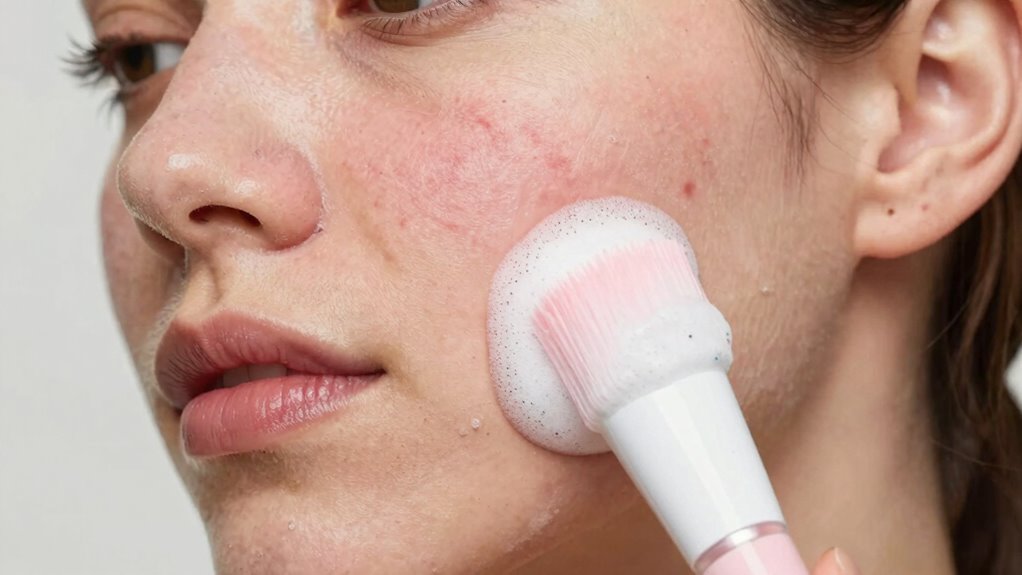

If you notice your skin feels tight, dry, irritated, or develops redness after using a facial cleansing brush, it might be over-exfoliating. Other signs include enlarged pores, flaky patches, or persistent burning sensations. Overuse disrupts your skin’s natural barrier and accelerates aging. Recognizing these symptoms early can save your skin from long-term damage. Keep an eye on these clues—staying aware helps you avoid serious issues, and you’ll uncover more tips shortly.
Key Takeaways
- Look for persistent redness, irritation, or burning sensation after using the brush.
- Notice increased skin roughness, dryness, or flaky patches indicating over-exfoliation.
- Watch for enlarged pores or skin sensitivity that worsens with regular cleansing.
- Be alert to pain, rawness, or discoloration that persists or worsens over time.
- Seek professional advice if signs of damage like swelling or severe irritation occur.
How Often Should You Use a Facial Brush Without Overdoing It
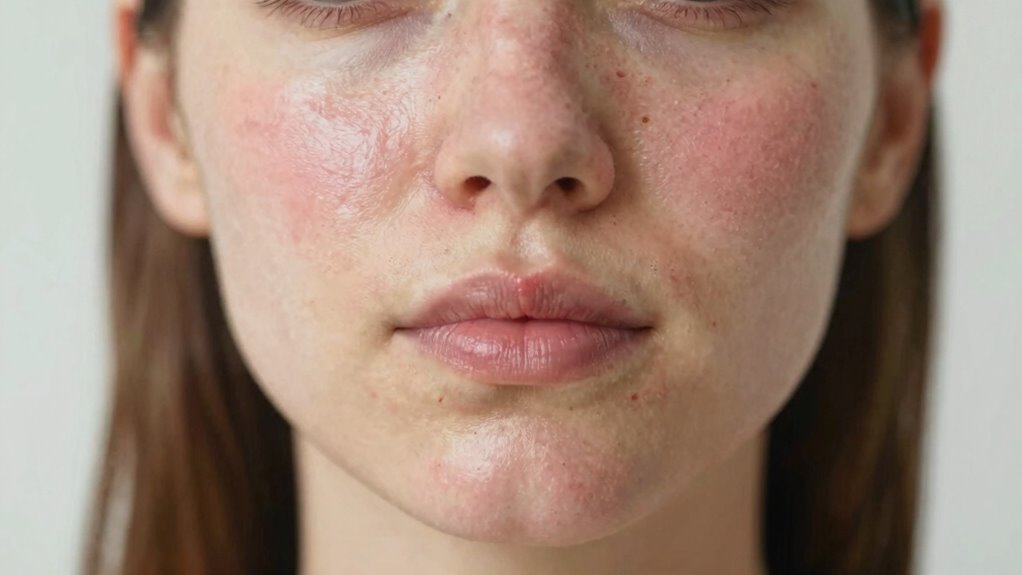
To get the best results from your facial cleansing brush without harming your skin, it’s important to find the right frequency. Follow the frequency guidelines based on your skin type—usually, 2-3 times a week works well for most. If your skin is sensitive, stick to once a week and use gentle techniques to avoid irritation. For oily or acne-prone skin, you might increase usage slightly, but always pay attention to how your skin reacts. Remember, overuse can lead to irritation and damage, so don’t rush. Use soft, circular motions and avoid pressing too hard. Adjust the frequency as needed, especially if your skin becomes red or inflamed. Monitoring your skin’s response is key to avoiding over-exfoliation and maintaining overall skin health. Additionally, understanding exfoliation frequency can help prevent skin barrier disruption and long-term damage. Being aware of over-exfoliation signs can help you stop before causing harm. Consistently paying attention to your skin’s reactions can help you fine-tune your routine and prevent skin irritation.
Signs Your Skin Is Over-Exfoliated and How to Recognize Them
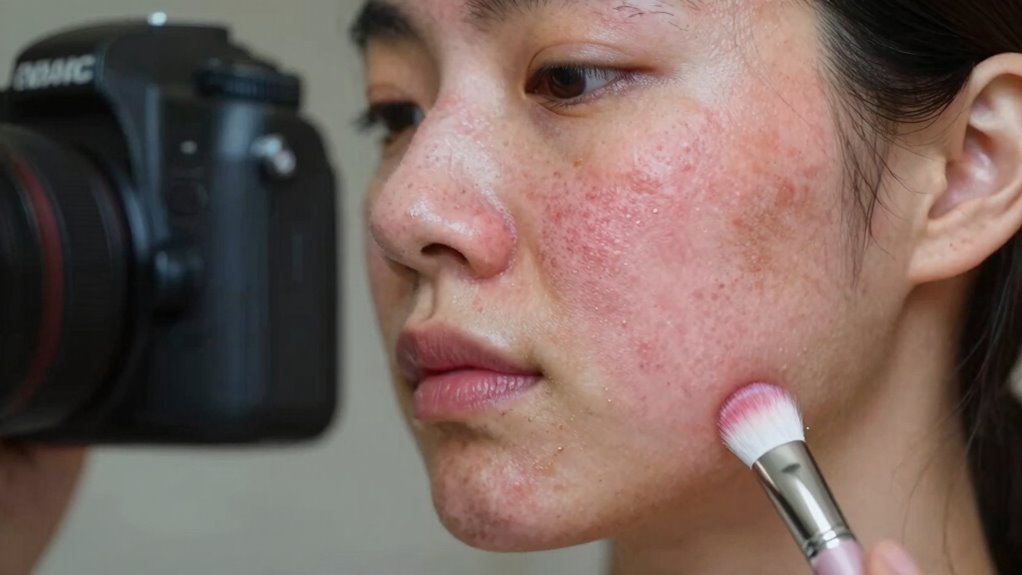
Using a facial cleansing brush too often or with too much pressure can lead to over-exfoliation, which damages your skin’s natural barrier. You’ll notice changes in skin texture, such as increased roughness or unevenness. Your skin may feel tight, dry, or irritated, even after cleansing. Pore appearance can also change—pores might look enlarged or more prominent due to inflammation or buildup of dead skin cells. Redness and sensitivity are common signs, making your skin more reactive to products or environmental factors. If you see flaky patches or experience persistent discomfort, these are clear indicators you’ve over-exfoliated. Recognizing these signs early helps prevent further damage and allows you to adjust your skincare routine accordingly. Understanding Free Floating in skin care can help you better navigate your exfoliation habits to maintain healthy skin and prevent issues like barrier disruption.
How Over-Exfoliation Affects Your Skin’s Health and Appearance
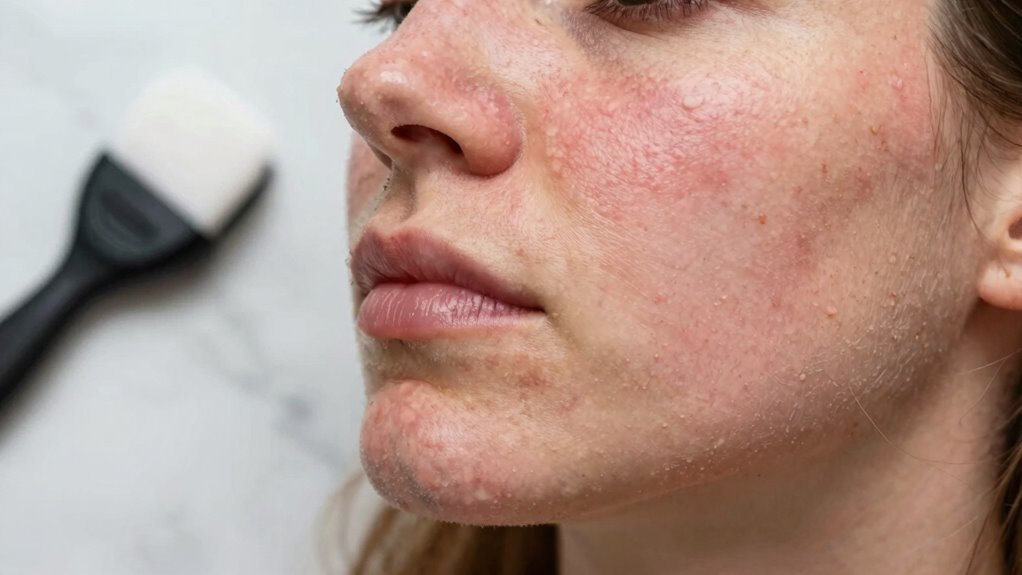
Over-exfoliating can weaken your skin’s outer layer, disrupting its natural barrier and leaving it more vulnerable. This increases your risk of sensitivity, redness, and irritation. Over time, it can also speed up signs of aging, making your skin look dull and less firm. Being aware of proper exfoliation techniques can help prevent these issues and maintain healthy skin. Additionally, understanding the cosmetic and skincare science behind exfoliation can guide you in choosing the right products and routines to protect your skin’s health.
Disrupted Skin Barrier
When you exfoliate too often or too aggressively, your skin’s protective barrier becomes compromised. This barrier, essential for keeping out irritants and retaining moisture, relies on a balanced skin pH and natural oils. Over-exfoliation can disrupt your skin’s pH balance, making it more alkaline and less effective at defending itself. As a result, your skin may become dry, flaky, and more prone to irritation. Excessive removal of dead skin cells also strips away natural oils that keep your skin moisturized and resilient. When these oils diminish, your skin’s ability to protect itself weakens further, leading to a compromised barrier. This disruption not only affects your skin’s appearance but also makes it more vulnerable to environmental damage. Piercings, especially those in sensitive areas, require proper care to prevent additional irritation or infection.
Increased Sensitivity Risks
As your skin’s protective barrier becomes compromised, it turns more sensitive to environmental irritants and harsh products. Over-exfoliation from frequent use of facial cleansing brushes can strip away natural oils, leading to sensitive skin that reacts easily. When you exfoliate too often, you weaken the skin’s defenses, making it more prone to redness, irritation, and discomfort. This heightened sensitivity can cause your skin to become inflamed or develop a burning sensation even with gentle products. To avoid these risks, it’s essential to monitor your exfoliation frequency and give your skin time to recover. If you notice increased redness or irritation, it’s a sign you’re overdoing it. Maintaining a balanced exfoliation routine helps protect your skin’s health and prevents unnecessary sensitivity. Additionally, using air purifiers can help reduce airborne irritants that might exacerbate skin sensitivities and promote a healthier environment for your skin to heal. Incorporating gentle skincare products can further support skin recovery and minimize irritation.
Accelerated Aging Signs
Excessive use of facial cleansing brushes can accelerate the visible signs of aging. Over-exfoliation damages your skin’s barrier, leading to a pH imbalance that hampers natural healing. This disruption increases fine lines and wrinkles while reducing collagen production. Additionally, your skin may overcompensate by producing excess oil, causing breakouts and dullness. These changes make your skin look older faster. Recognizing the importance of skin barrier health helps maintain a youthful and resilient complexion.
Tips for Using Facial Cleansing Brushes Safely and Effectively
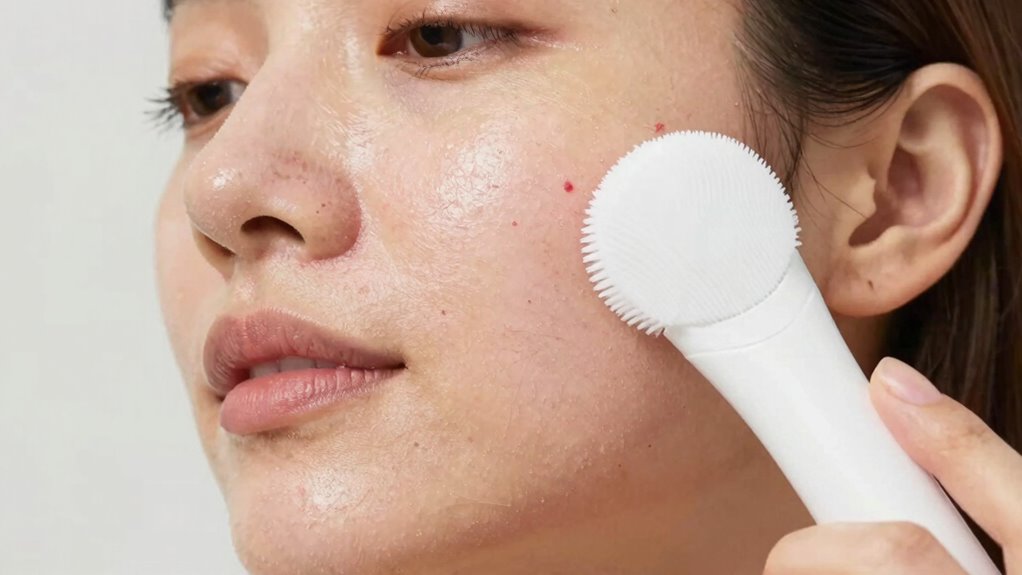
To use facial cleansing brushes safely and effectively, you should start by choosing the right brush for your skin type and following the manufacturer’s instructions carefully. Use gentle, circular motions to avoid irritation and over-exfoliation. Incorporate skincare ingredients suited to your skin’s needs—such as hydrating or calming products—to enhance cleansing without stripping moisture. Pay attention to facial massage techniques; gentle pressure and slow movements help improve circulation and promote relaxation. Limit use to 1-2 times per week if you have sensitive skin, and avoid pressing too hard. Always clean your brush after each use to prevent bacteria buildup. Being mindful of exfoliation techniques can help you maximize benefits while minimizing the risk of damaging your skin. Additionally, understanding proper brush maintenance can extend the lifespan of your device and ensure safe use over time.
Common Mistakes That Lead to Over-Exfoliation and How to Avoid Them
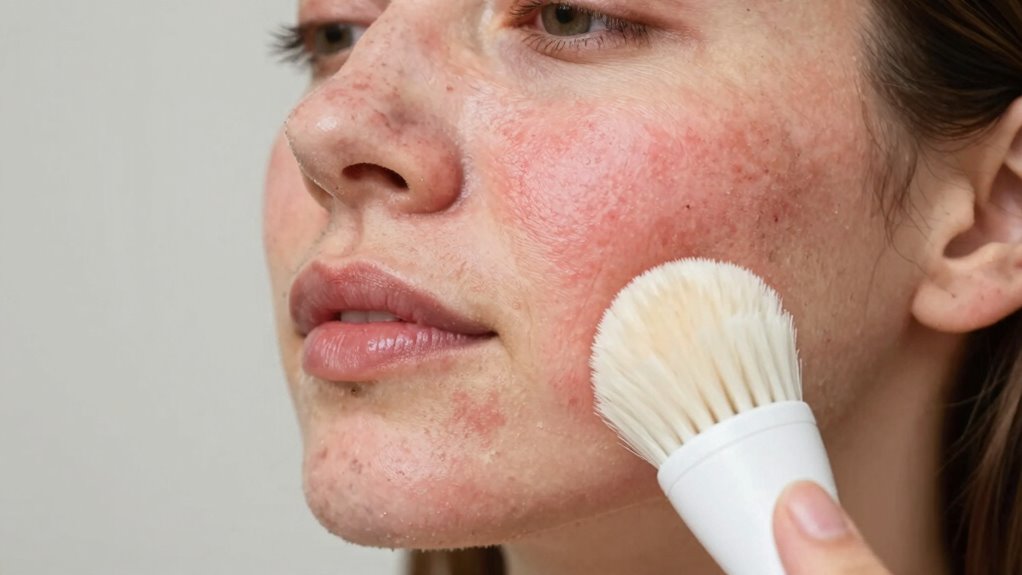
Many people unintentionally over-exfoliate their skin by using facial cleansing brushes too frequently or applying too much pressure, which can lead to irritation, redness, and breakouts. One common mistake is ignoring your skin’s pH balance; using products that disrupt it can weaken your skin’s barrier and cause sensitivity. To avoid this, choose brushes and cleansers compatible with your skin type and pH level. Over-exfoliation often happens when you don’t give your skin enough time to recover between sessions or when you use harsh scrubs alongside your brush. Being gentle, limiting exfoliation to a few times a week, and selecting compatible products helps prevent damage. Paying attention to your skin’s response ensures you enjoy the benefits without risking over-exfoliation.
When Should You See a Dermatologist About Skin Irritation From Exfoliation
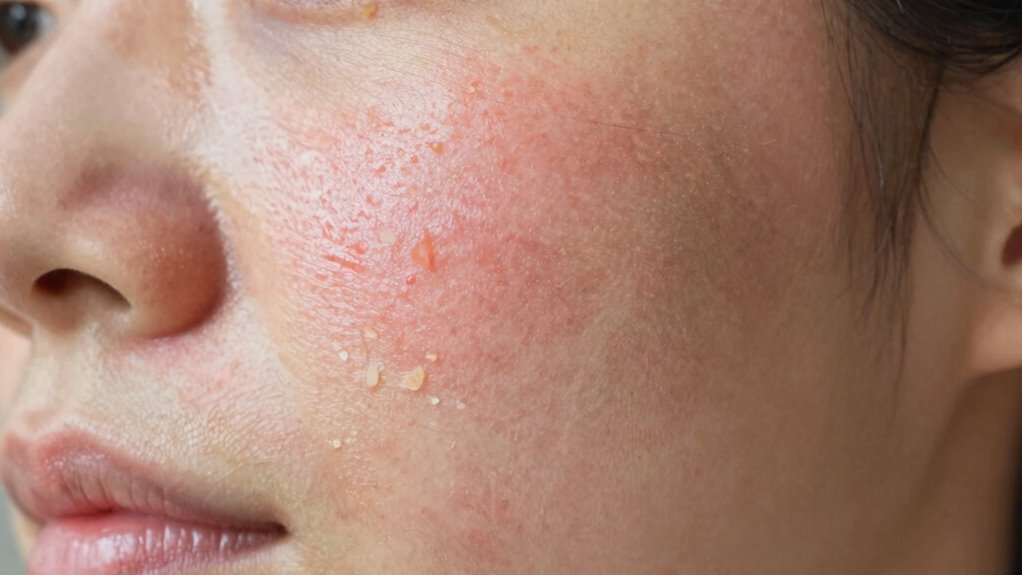
If you notice persistent redness, swelling, or pain after exfoliating, it’s time to see a dermatologist. Unusual skin discoloration or lasting discomfort shouldn’t be ignored either. Prompt medical advice can help prevent further irritation or damage.
Persistent Redness or Swelling
Persistent redness or swelling after exfoliation signals that your skin may be reacting poorly to the treatment. If you notice ongoing redness or swelling, it could indicate pore congestion or irritation, especially if you have oily skin. These symptoms might be your skin’s way of signaling that it’s over-exfoliating or struggling to recover. Ignoring persistent redness can lead to further irritation or even infection. If the redness or swelling lasts more than a few days, it’s time to see a dermatologist. They can assess whether your skin barrier is compromised and recommend targeted treatments. Over-exfoliation can weaken your skin’s natural defenses, making it more susceptible to damage and irritation. Proper skincare routines that include gentle products and appropriate exfoliation frequencies can help prevent these issues. Don’t dismiss these signs as minor; they’re important indicators that your skin needs professional care to heal properly.
Severe or Lasting Pain
Severe or lasting pain after exfoliation is a clear sign that your skin needs professional attention. It often indicates facial brush damage caused by excessive scrubbing, which can harm the skin’s delicate layers. If you experience persistent pain that doesn’t improve, avoid further aggressive treatments and consult a dermatologist promptly. This pain may signal inflammation or nerve irritation resulting from over-exfoliation. Ignoring it can lead to long-term damage or infection. Remember, your skin shouldn’t feel raw, throbbing, or extremely tender after cleaning. Instead, any discomfort should subside quickly. If pain persists or worsens, it’s a sign you need expert evaluation to prevent further harm. Prompt professional care guarantees proper treatment and helps restore your skin’s health and integrity.
Unusual Skin Discoloration
Unusual skin discoloration after exfoliation can signal that your skin is reacting negatively to the treatment. Discoloration causes vary, but often include inflammation, irritation, or damage to deeper skin layers. You might notice pigmentation changes like darkening or lightening that don’t fade quickly. These pigmentation changes could be temporary or permanent, depending on the severity of the reaction. If the discoloration persists or worsens, it’s a sign you should see a dermatologist. Ignoring these signs can lead to long-term skin issues or uneven tone. It’s especially important to seek professional advice if you notice unusual patches or persistent dark spots after exfoliating. Prompt consultation helps prevent further damage and ensures safe, effective skincare.
Frequently Asked Questions
Can Facial Brushes Cause Long-Term Skin Damage?
Yes, facial brushes can cause long-term skin damage if used excessively. Mechanical abrasion from vigorous scrubbing can weaken your skin barrier, leading to increased sensitivity, redness, and irritation. Over time, this damage may impair your skin’s ability to protect itself, causing premature aging and persistent issues. To avoid long-term harm, use gentle pressure, limit usage frequency, and choose brushes suitable for your skin type.
Is There a Recommended Frequency for Sensitive Skin?
For sensitive skin, it’s best to embrace gentle cleansing routines and avoid overdoing it. Using your facial brush no more than 2-3 times a week allows your skin to stay balanced without risking irritation. Pay attention to how your skin responds and adjust accordingly. This way, you protect your skin’s natural barrier while still enjoying the benefits of effective cleansing, ensuring your skin remains calm and healthy.
How Do I Choose the Right Brush for My Skin Type?
To choose the right brush for your skin type, consider your skin sensitivity first. For sensitive skin, opt for brushes with soft bristles made from gentle materials like silicone or fine nylon. If you have oily or acne-prone skin, look for brushes with slightly firmer bristles to help cleanse pores effectively. Always test a small area first, and avoid harsh materials that could cause irritation or over-exfoliation.
Are There Natural Alternatives to Mechanical Exfoliation?
Yes, you can opt for natural alternatives to mechanical exfoliation. Try gentle scrubbing with ingredients like oatmeal or sugar mixed with honey, which offer mild physical exfoliation. Chemical exfoliants like AHAs or BHAs derived from natural sources, such as fruit acids, also work effectively. They provide gentle, consistent removal of dead skin cells without overdoing it, helping you achieve smooth, radiant skin without risking over-exfoliation.
What Ingredients Should I Avoid After Over-Exfoliating?
Avoid harsh skincare ingredients like retinoids, alcohol-based toners, and strong acids after over-exfoliating. These ingredients can increase ingredient sensitivity, irritate your skin, and hinder healing. Instead, choose gentle, soothing skincare ingredients such as aloe vera, hyaluronic acid, and ceramides. You want to nourish, hydrate, and restore your skin’s barrier, not further irritate or strip it. Being mindful of ingredient sensitivity helps you recover faster and maintain healthy, balanced skin.
Conclusion
To keep your skin healthy, listen to your body’s signals and don’t push your luck. Using your facial cleansing brush wisely ensures you get the benefits without falling into trouble. Remember, a little caution goes a long way—sometimes, less really is more. If your skin shows signs of over-exfoliation, don’t ignore them; timely action can save you from bigger problems down the road. Play it safe and keep your glow shining bright!