
TL;DR

Get your wardrobe favorites delivered free with Prime
- Fast, free delivery on millions of items
- Prime Video, Amazon Music and more included
- Member-only deals all year
LED face masks have gained popularity as a skincare tool, but experts suggest they are supplementary rather than essential. Their benefits are modest compared to foundational skincare routines. The debate centers on cost, efficacy, and whether they replace basic skincare practices.
Sales of LED face masks increased by 102% in 2025, making them a staple in many skincare routines, despite questions about their necessity and cost-effectiveness. Experts emphasize that while these devices can support skin repair, they are not a substitute for fundamental skincare practices, such as daily SPF use and proper cleansing.
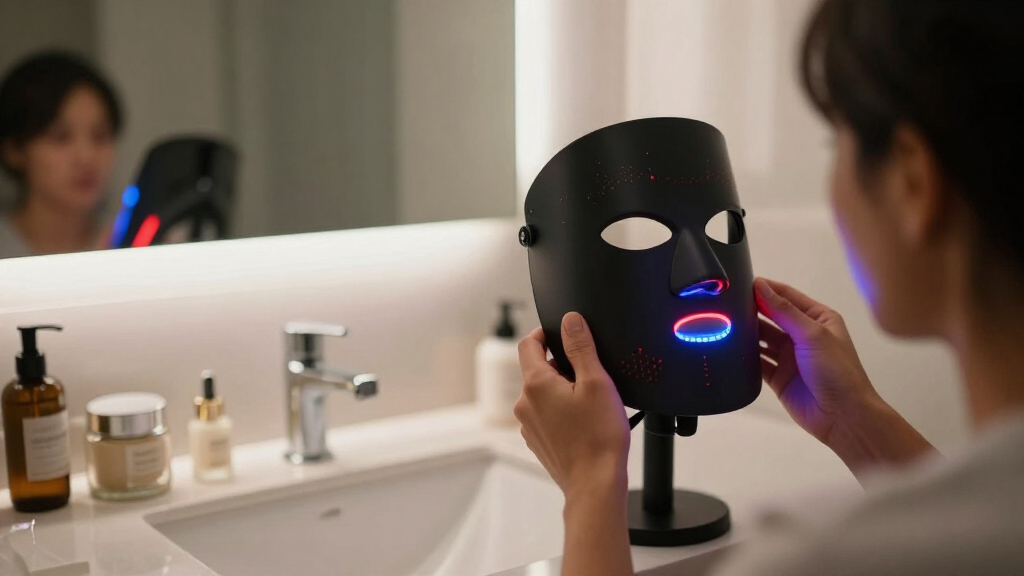
LED face masks utilize photobiomodulation (PBM) technology, where different light wavelengths stimulate cellular processes in the skin. Red light aims to reduce inflammation and promote collagen, while blue light targets acne-causing bacteria, according to dermatologist Dr. Derrick Phillips. Despite their growing popularity, with sales rising significantly in 2025, these devices typically cost between £100 and £500, raising questions about their necessity for most consumers.
Experts advise that foundational skincare routines—such as using retinoids, vitamin C, peptides, and daily SPF—offer more tangible results for skin health and aging. Dr. Phillips notes that topical actives often deliver stronger visible effects per pound than LED masks. He recommends consulting a dermatologist before investing in such devices to tailor skincare needs effectively.
Alternatives like LED patches, which are more affordable and targeted, are also gaining popularity. These patches can treat specific skin concerns, such as acne, and are more travel-friendly. Facial massage techniques like gua sha or facial rollers are also suggested as cost-effective methods to stimulate blood flow and improve skin appearance.
Why Consumers Should Question LED Mask Value
While LED masks can support skin repair, their benefits are modest compared to basic skincare routines. Their high cost and the need for consistent use make them a questionable investment for many. Experts emphasize prioritizing proven skincare fundamentals, such as SPF and active ingredients, over expensive gadgets. For consumers, understanding the limited scope of LED therapy helps avoid unnecessary expenditure and focus on more effective, affordable options.LED face mask for skin rejuvenation
As an affiliate, we earn on qualifying purchases.
As an affiliate, we earn on qualifying purchases.
Growth of LED Masks and Consumer Skepticism
LED face masks have evolved from medical treatments for conditions like tuberculosis to popular skincare devices. Their sales soared in 2025, driven by marketing claims of anti-aging and skin rejuvenation. Despite the technological roots and some evidence supporting their benefits, experts caution that results are often subtle and depend heavily on consistent use. The debate continues over whether they are essential or just a trendy luxury for skincare enthusiasts.“LED therapy can support the skin’s natural repair processes, but it’s not a substitute for foundational skincare practices like daily SPF.”
— Dr. Derrick Phillips
What Long-Term Benefits and Risks Are Still Unclear?
While some studies suggest LED therapy can support skin health, the extent of long-term benefits remains uncertain. The variability in individual results and the lack of large-scale, long-term clinical trials mean that the true efficacy and potential risks of prolonged use are not fully established.
Future Research and Consumer Guidance on LED Masks
Researchers are expected to conduct more comprehensive studies to clarify the long-term effects of LED therapy. Meanwhile, consumers should consult dermatologists for personalized advice and consider investing in proven skincare ingredients and sun protection. Market trends suggest continued growth in affordable LED options like patches, which may offer targeted benefits with fewer costs.
Key Questions
Do LED face masks really improve skin appearance?
They can support skin repair and reduce inflammation, but improvements are generally modest and depend on consistent use. They are not a substitute for foundational skincare practices.
Are LED masks worth the high cost?
Experts recommend prioritizing proven skincare ingredients and sun protection over expensive gadgets. LED masks may be beneficial as an addition but are not essential for skin health.
What are affordable alternatives to LED masks?
LED patches, facial massage tools like gua sha, and effective topical actives such as retinoids and vitamin C are cost-effective options that can support skin health.
Can LED therapy replace topical skincare products?
No, LED therapy should complement, not replace, active skincare ingredients and daily sun protection. A comprehensive routine remains most effective.
What should I consider before buying an LED face mask?
Consult a dermatologist for personalized advice, evaluate your skincare goals, and weigh the device’s cost against proven skincare methods for best results.
Source: Guardian Life
Halloween Picks
halloween
As an affiliate, we earn on qualifying purchases.