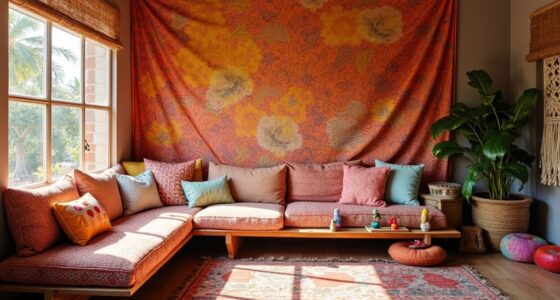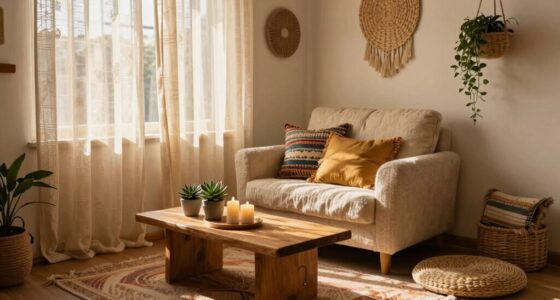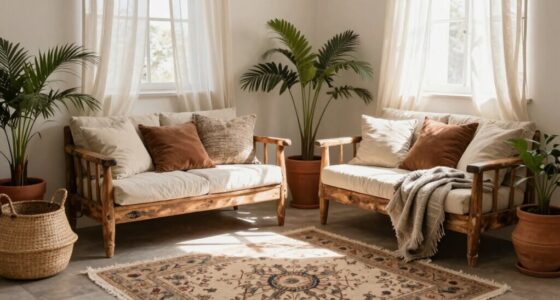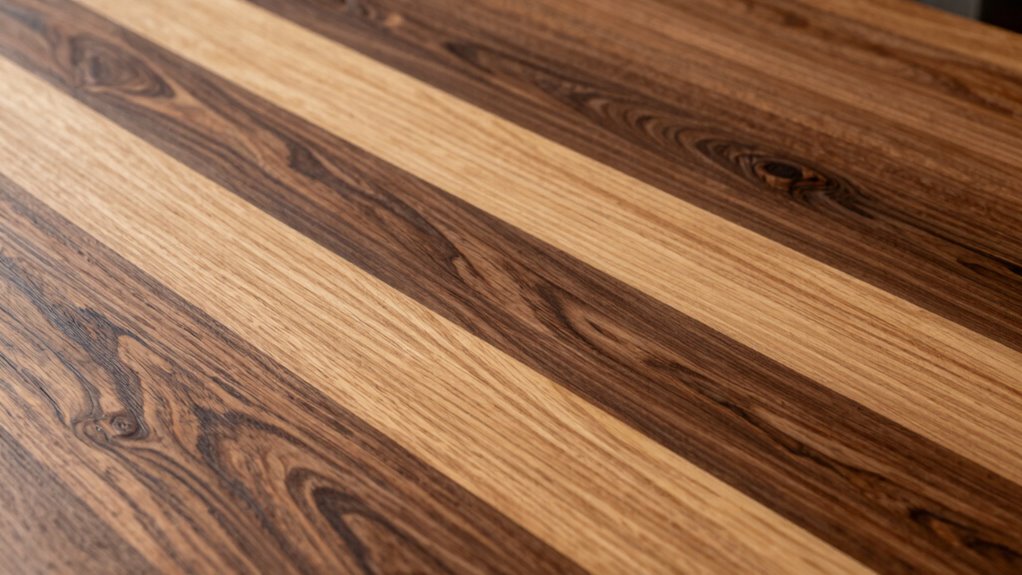

To make mixed wood tones feel intentional, focus on coordinating colors and strategic placement. Choose a cohesive color palette with warm and cool undertones to create harmony. Mix larger statement pieces with smaller accents in contrasting or complementary shades to add interest. Group similar tones and plan your layout carefully to establish a balanced, layered look. When you understand how to blend these elements thoughtfully, you’ll create a space that feels both natural and purposeful. Keep exploring to learn more.

Get your wardrobe favorites delivered free — and shop member deals
- Fast, free delivery on millions of items
- Access to Prime Big Deal Days deals on October 6–7
- Prime Video, Amazon Music and more included
Key Takeaways
- Establish a cohesive color palette by mixing warm and cool undertones thoughtfully.
- Use a deliberate furniture placement strategy to create balance and visual interest.
- Incorporate textiles, rugs, or wall art to unify different wood tones.
- Group similar wood tones to define zones and guide the eye intentionally.
- Focus on layering and curated arrangements to achieve a natural, sophisticated look.
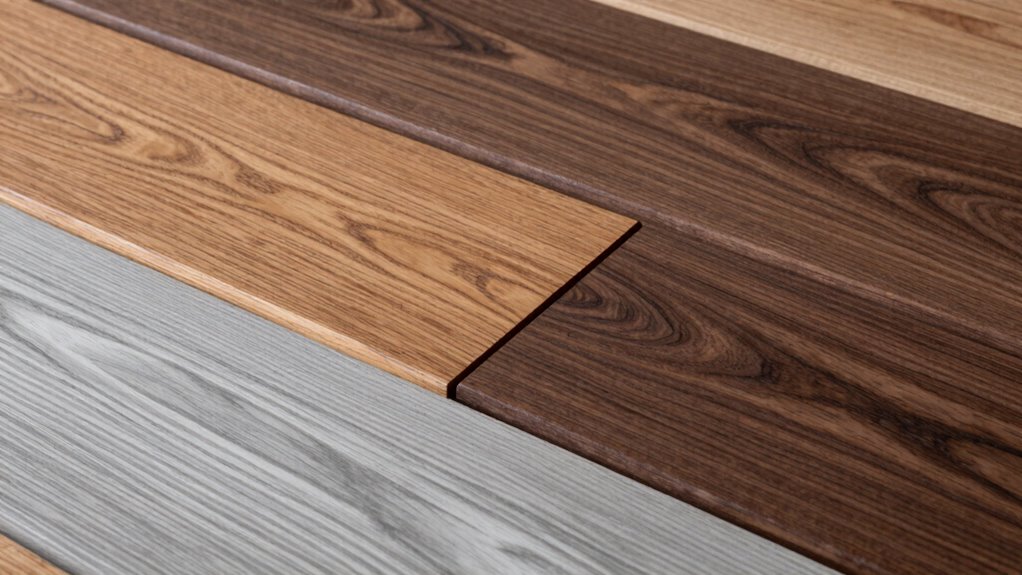
Mixing different wood tones can instantly add warmth and visual interest to a space, but without a clear plan, it can also feel chaotic or unintentional. The key to making mixed wood tones look purposeful lies in your approach to color coordination and furniture placement. When you choose varying woods, think about how their shades complement or contrast each other. You don’t need everything to match perfectly, but establishing a cohesive color palette helps the different tones work harmoniously. For instance, pairing warm oak with cooler walnut creates a balanced look, avoiding a jarring mismatch. Consider sticking to a limited color range—if your floor is a rich cherry, select furniture pieces in similar warm hues or neutral tones to anchor the room.
Mixing wood tones adds warmth and interest through thoughtful color coordination and strategic furniture placement.
Furniture placement plays an equally essential role. Strategically arranging pieces can emphasize the intentionality behind your wood choices. Place larger furniture items, like a sofa or dining table, in a dominant wood tone, then introduce smaller accents, such as side tables or chairs, in contrasting woods to create visual interest without chaos. Grouping similar tones together can also help establish zones within a room, making the mixed woods feel deliberate rather than accidental. For example, if your coffee table is a medium-tone pine, place nearby accessories or accent furniture in a matching or complementary shade. This anchors the space and guides the eye naturally.
Another tip is to use the same undertones across different wood types. Warm undertones in a maple floor and a light oak cabinet will feel cohesive, even if the woods differ in shade. Conversely, mixing cool undertones, like ash and gray-stained woods, can also work well together but requires careful attention to how these tones interact. Remember, it’s more about creating a visual dialogue between the woods rather than matching each piece exactly. Incorporating visual harmony through textiles, rugs, or wall art that tie the color scheme together further reinforces the intentionality of your design. Paying attention to color undertones can significantly enhance the cohesiveness of your mixed woods. Additionally, understanding wood grain patterns can help you make more cohesive choices when combining different types of wood.
Ultimately, when you approach your mixed wood tones with a plan for color coordination and furniture placement, you craft a space that’s both inviting and thoughtfully curated. The goal is to create a layered look that feels curated, not random. With deliberate choices and strategic arrangement, your room will showcase a sophisticated harmony of wood tones that feels natural and well-designed.
As an affiliate, we earn on qualifying purchases.
Frequently Asked Questions
How Do I Choose the Right Wood Tones for My Space?
To choose the right wood tones, start by considering wood tone contrast to create visual interest, balancing light and dark shades. Incorporate natural wood variations for warmth and texture, but keep consistency in style to prevent chaos. Think about your space’s existing color palette and furniture. Mix different wood tones intentionally, aiming for harmony rather than matching, so your space feels curated and cohesive.
Can Mixing Wood Tones Affect the Room’s Perceived Size?
Mixing wood tones can be like balancing a tightrope—if done right, it expands your space visually. When you establish color harmony and visual balance, contrasting woods won’t make your room feel cramped; instead, they add dimension. Lighter woods reflect more light, making areas feel open, while darker tones anchor the space. Thoughtful mixing enhances depth without shrinking your room’s perceived size.
What Tools Are Best for Matching Wood Finishes?
To match wood finishes effectively, use a wood stain tester to see how different stains look on your wood. Carry finish samples with you to compare colors in your space’s lighting. This way, you can guarantee the stain matches your existing décor. Testing samples helps you visualize the final look, making it easier to create a cohesive, intentional design with mixed wood tones.
How Do I Balance Different Wood Textures in a Room?
To balance different wood textures, start by paying attention to the wood grain and color contrast. You can mix rough and smooth textures, but make certain the grain patterns complement each other, creating harmony. Use consistent color tones or contrast them intentionally for visual interest. Incorporate accessories or fabrics that tie the textures together, making the room feel cohesive and intentional, rather than cluttered or mismatched.
Are There Specific Design Styles That Suit Mixed Wood Tones?
Yes, certain design styles like rustic, Scandinavian, and eclectic naturally embrace mixed wood tones. You should focus on color coordination and furniture pairing to create harmony, choosing complementary or contrasting shades to balance the look. These styles allow you to mix different wood textures confidently, emphasizing your unique taste. By thoughtfully selecting pieces that work together, you’ll make your space feel intentional and cohesive, even with varied wood tones.
Conclusion
When you thoughtfully blend different wood tones, it’s no coincidence that your space feels both intentional and inviting. By carefully choosing and balancing hues, you create a harmonious environment that reflects your unique style. Sometimes, the smallest details—like a perfectly paired wood piece—can make all the difference. Trust your eye and embrace the mix; it’s these subtle touches that turn a room into a curated haven, proving that beauty truly lies in the details.
Halloween Picks
halloween
As an affiliate, we earn on qualifying purchases.