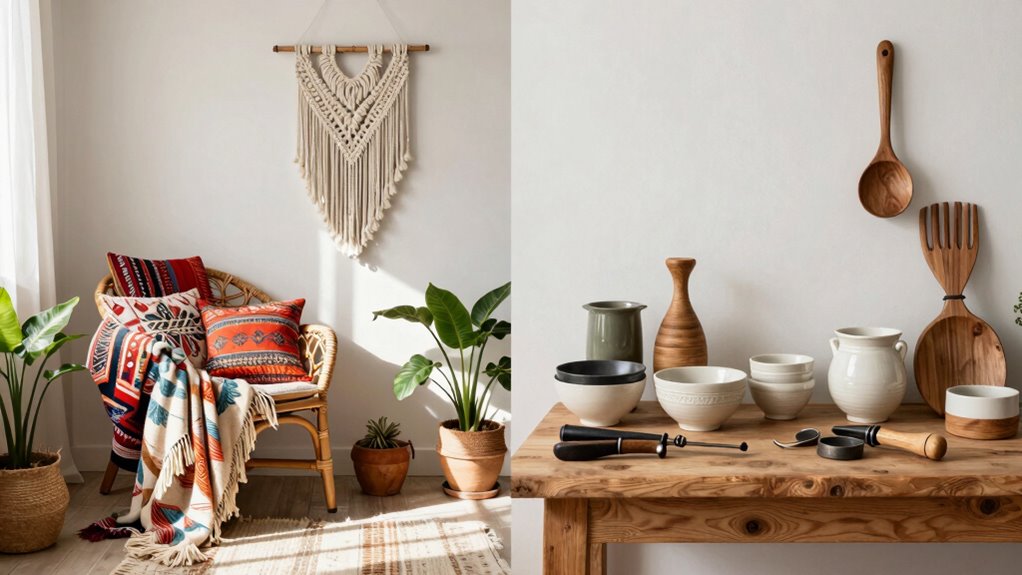
Craftcore and boho are different in both style and mindset. Craftcore focuses on craftsmanship, authenticity, and sustainability, with curated vintage and handmade pieces that evoke nostalgia. Boho, on the other hand, is about self-expression, layering vibrant textiles, and mixing eclectic accessories for a relaxed, artistic vibe. If you want to understand how these styles stand out and what makes each unique, there’s more to discover just ahead.

Get your wardrobe favorites delivered free with Prime
- Fast, free delivery on millions of items
- Prime Video, Amazon Music and more included
- Member-only deals all year
Key Takeaways
- Craftcore emphasizes curated authenticity, craftsmanship, and sustainable materials, while Boho focuses on eclectic, expressive, and layered aesthetics.
- Craftcore features vintage and handmade items highlighting effort and skill; Boho uses vintage and textiles for visual storytelling and artistic freedom.
- The overall vibe of craftcore is clean, thoughtful, and intentionally curated; Boho is relaxed, vibrant, and free-spirited.
- Craftcore prioritizes quality, craftsmanship, and authenticity; Boho celebrates artistic expression through mixing textures, colors, and styles.
- Craftcore’s aesthetic is tactile and nostalgic, whereas Boho is more about eclectic visual richness and personal storytelling.
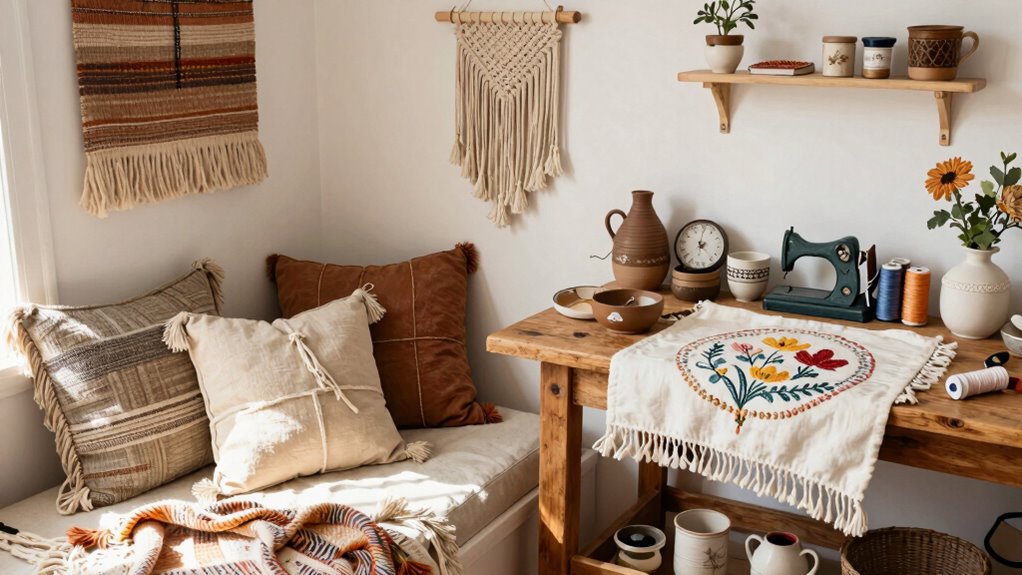
When you’re exploring different interior styles, it’s easy to confuse craftcore and boho, but understanding their key differences can help you choose the one that best fits your personality. Craftcore centers around the appreciation of craftsmanship. It emphasizes handmade textiles, artisanal details, and a curated sense of authenticity. When you lean towards craftcore, you’re drawn to pieces that showcase skill and personal touch—think woven rugs, embroidered cushions, and handcrafted ceramics. These items often have a tactile quality that highlights the maker’s effort and creativity. Vintage accessories also play a pivotal role in craftcore because they add a layer of history and character to your space. You might incorporate old pottery, vintage lamps, or antique furniture, all of which evoke a sense of nostalgia and craftsmanship. The overall vibe is clean, thoughtful, and intentionally curated, focusing on quality over quantity. Additionally, craftcore often emphasizes sustainability by prioritizing handmade and eco-friendly materials, aligning with principles of sustainable living.
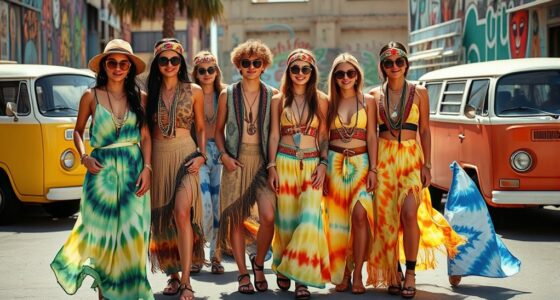
In contrast, boho (short for bohemian) is more eclectic and free-spirited. It embraces an artistic, relaxed look that combines various styles and eras. While handmade textiles are also common in boho, they tend to be more vibrant, layered, and casually styled. You might mix colorful rugs, patterned throws, and embroidered wall hangings without worrying too much about matching or symmetry. Vintage accessories in boho are used to tell a story—like a collection of mismatched picture frames, vintage jewelry displayed on a stand, or an old suitcase turned side table. The goal is to create a space that feels lived-in and expressive, reflecting your personality’s artistic, adventurous side. Boho encourages mixing textures, colors, and styles, often resulting in a rich, visually stimulating environment. This eclectic approach often incorporates artistic expression as a core element, making each space uniquely yours.
As an affiliate, we earn on qualifying purchases.
Frequently Asked Questions
How Did Craftcore and Boho Originate Historically?
Craftcore and boho originate from different historical influences and cultural origins. Craftcore grew from a desire to celebrate handmade, artisanal work, influenced by the DIY movement and a nostalgia for traditional crafts. Boho, on the other hand, draws from bohemian and hippie cultures of the 1960s and 70s, emphasizing free-spirited, eclectic styles. Both styles reflect their unique cultural roots, shaping their distinct aesthetics today.
Which Fashion Styles Influence Craftcore and Boho the Most?
You’ll find that textile techniques and cultural influences shape both craftcore and boho styles, but in different ways. For craftcore, handcrafted details, embroidery, and sustainable fabrics take center stage. Meanwhile, boho draws from diverse cultural influences like folk art, vintage patterns, and relaxed, free-spirited vibes. These styles are like fashion encyclopedias, blending traditional techniques with eclectic influences to create truly unique looks that speak to your soul.
Are There Specific Accessories Unique to Each Aesthetic?
You’ll notice that craftcore features handcrafted jewelry that emphasizes artisanal skills, often with earthy or rustic elements. In contrast, boho accessories include vintage pieces like layered necklaces, fringe bags, and chunky rings, giving a free-spirited vibe. Both styles celebrate individuality, but craftcore focuses on handcrafted authenticity, while boho leans toward vintage charm and eclectic mixing. These unique accessories help define each aesthetic’s distinct personality.
Can Craftcore and Boho Be Combined in One Outfit?
Yes, you can definitely combine craftcore and boho in one outfit. Embrace sustainable fashion trends by mixing vintage-inspired looks with handmade accessories, textured fabrics, and earthy tones. Layering chunky jewelry with embroidered garments creates a harmonious blend of the two aesthetics. This fusion highlights eco-conscious choices while celebrating artistic, free-spirited styles, resulting in a unique, personalized look that captures the essence of both craftcore and boho.
What Are Common Color Palettes for Each Style?
You’ll find that craftcore often features earthy, muted palettes inspired by nature, emphasizing color symbolism like greens for growth and browns for stability. Boho, on the other hand, thrives on vibrant, eclectic hues, with rich jewel tones and warm neutrals. Pattern diversity is key for both styles, but craftcore favors subtle, organic designs, while boho embraces bold, mixed patterns that reflect free-spirited creativity.
Conclusion
Understanding the difference between craftcore and boho helps you embrace your unique style more confidently. Did you know that boho fashion has seen a 25% rise in popularity over the past year, thanks to its free-spirited vibe? Knowing these distinctions allows you to mix and match elements intentionally, creating looks that truly reflect your personality. So, next time you shop or style yourself, remember: craftcore celebrates handmade details, while boho channels effortless wanderlust.
Fall Picks
fall essentials
As an affiliate, we earn on qualifying purchases.