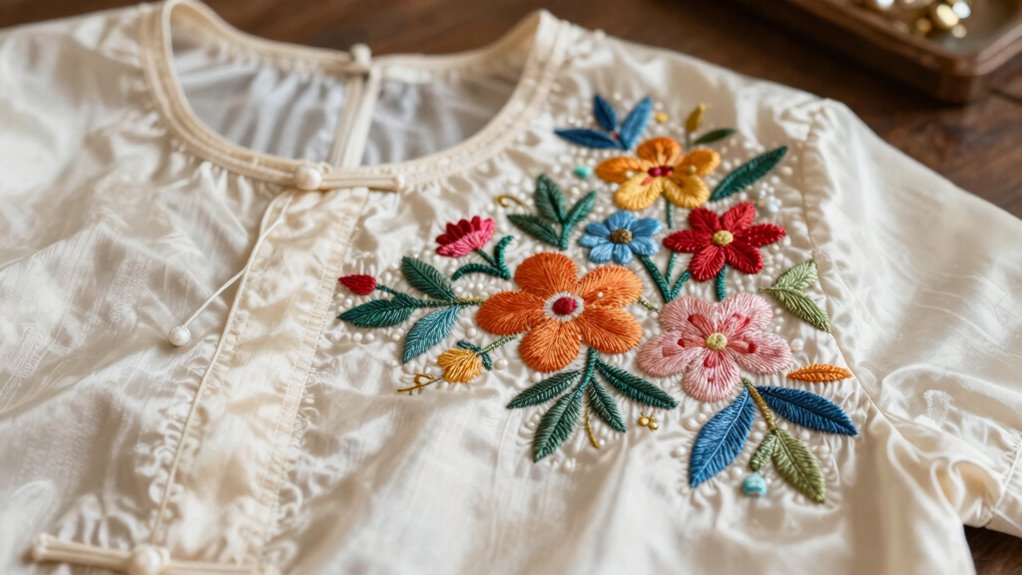

Handmade details in fashion still carry status because they showcase true craftsmanship, skill, and dedication that mass production can’t match. Each piece reflects tradition, unique techniques, and personal effort, making it more authentic and special. These details add texture, character, and a sense of individuality, elevating the garment’s value. By choosing handmade, you’re embracing sustainability, cultural preservation, and timeless style. Keep exploring to discover how these qualities truly elevate luxury fashion.

Get your wardrobe favorites delivered free — and shop member deals
- Fast, free delivery on millions of items
- Access to Prime Big Deal Days deals on October 6–7
- Prime Video, Amazon Music and more included
Key Takeaways
- Handmade details showcase craftsmanship and dedication, elevating garments beyond mass-produced items.
- Unique textures and techniques demonstrate artistry, making each piece distinctive and highly valued.
- They preserve cultural heritage and traditional skills, adding depth and authenticity to fashion.
- Slight variations in handmade items emphasize individuality and timeless elegance over fleeting trends.
- Supporting ethical and sustainable practices enhances the status and exclusivity of handmade fashion.
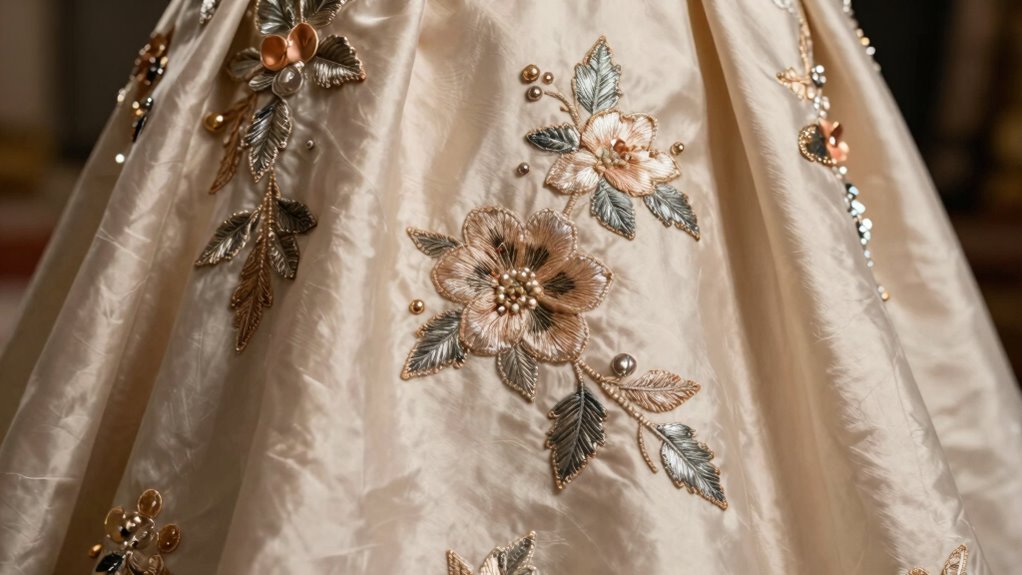
In a world dominated by fast fashion, handmade details stand out as a symbol of craftsmanship and individuality. When you see a piece crafted with artisanal techniques, you recognize the skill and dedication behind it. These details aren’t just embellishments; they’re a tribute to luxury craftsmanship that elevates an ordinary garment into something exceptional. Unlike mass-produced items, handmade elements carry a story—one of tradition, patience, and skill that cannot be replicated by machines. This authenticity appeals to those who value quality over quantity, who seek to stand apart through subtle but meaningful distinctions.
Handmade details celebrate craftsmanship, authenticity, and individuality—transforming ordinary garments into timeless, meaningful treasures.
You might notice that garments with handmade details often have a unique texture or finish that’s impossible to achieve with factory processes. This is because artisans utilize techniques passed down through generations, ensuring each stitch, embroidery, or fabric manipulation reflects expertise and care. Whether it’s intricate beadwork, hand-stitched seams, or delicate embroidery, these elements demonstrate a level of luxury craftsmanship that’s highly prized. In a sense, you’re not just wearing clothes—you’re wearing a piece of artistry, a product of human touch and meticulous attention to detail. This connection to craftsmanship lends an air of exclusivity, making these pieces feel more personal and valuable. Additionally, the artisanal techniques used often involve a slower, more deliberate process that emphasizes quality over speed. These methods often require a high level of skilled craftsmanship, which further enhances their prestige. Moreover, supporting these techniques helps sustain the traditional methods that form the foundation of many cultural identities.
Handmade details also carry a strong sense of individuality, setting you apart from the mass-produced crowd. When you choose garments or accessories with artisanal techniques, you’re embracing a style that’s less about fleeting trends and more about timeless elegance. Each piece carries slight variations, making it unique—an imperfect perfection that machines can’t replicate. This uniqueness resonates with those who want their style to reflect personality and authenticity. It’s not just about owning luxury; it’s about appreciating the effort and skill that went into creating something one-of-a-kind.
Moreover, investing in handmade details supports sustainable practices and ethical production. Since these items are often produced in smaller quantities, they tend to have a lower environmental impact and promote fair labor conditions. When you opt for these pieces, you’re making a conscious choice that aligns with values of craftsmanship and integrity. Additionally, choosing handmade items helps preserve traditional techniques and artisanal skills, which are vital for maintaining cultural heritage. These skills are often passed down through generations, contributing to the preservation of cultural identity. In a fast-paced world where everything seems disposable, handmade details remind you of the enduring beauty of quality, tradition, and thoughtful creation. They carry prestige because they embody a commitment to excellence—something that’s increasingly rare and highly valued in today’s fashion landscape.
As an affiliate, we earn on qualifying purchases.
Frequently Asked Questions
How Do Handmade Details Influence Overall Clothing Durability?
Handmade details enhance clothing durability by emphasizing craftsmanship longevity and material resilience. When you choose garments with handcrafted elements, you’re investing in pieces that are carefully assembled, often with stronger stitches and attention to detail. This meticulous process reduces wear and tear over time, ensuring your clothing lasts longer. Handmade details, thus, contribute markedly to the overall durability of your wardrobe, combining quality craftsmanship with resilient materials for lasting style.
Are Handmade Features More Environmentally Sustainable Than Machine-Made Ones?
Ever wonder if handmade features are more eco-friendly? They often are, because sustainable craftsmanship emphasizes eco-friendly techniques like natural dyes and low-impact processes. By choosing handmade, you support artisans who prioritize quality over quantity, reducing waste and energy consumption. Isn’t it better to wear clothing that’s crafted with care for the environment? Handmade details promote sustainability, making your wardrobe both stylish and eco-conscious.
What Skills Are Required for Creating Intricate Handmade Fashion Details?
To create intricate handmade fashion details, you need solid craftsmanship techniques and artisan skills. You should master embroidery, beading, lace-making, and appliqué, paying close attention to detail and precision. Developing patience and steady hands helps guarantee quality. Learning traditional methods and gaining experience through practice allows you to refine your skills. Combining creativity with technical expertise, you bring unique, luxurious touches to fashion pieces that machine-made details can’t match.
How Has Technology Impacted the Tradition of Handmade Fashion Elements?
Technology acts as both a brush and a blade, transforming traditional craftsmanship. You find that digital embroidery allows you to create intricate designs swiftly, blending artistry with efficiency. Automated craftsmanship streamlines production, maintaining quality while reducing time. While some may see technology as a threat, it actually elevates handmade fashion elements, ensuring they stay relevant and prestigious. You harness these tools to preserve tradition, innovate, and showcase craftsmanship’s enduring power.
Do Handmade Details Increase the Resale Value of Fashion Items?
Yes, handmade details can increase the resale value of fashion items because they enhance luxury branding and boost their exclusivity appeal. When you own pieces with intricate, artisanal craftsmanship, they’re perceived as more unique and valuable. This craftsmanship signals quality and rarity, making your items more desirable on the resale market. As a result, handmade details help you fetch higher prices and maintain an item’s prestige over time.
Conclusion
You now see why handmade details still hold status in fashion—they showcase craftsmanship, uniqueness, and tradition. These intricate touches aren’t just about aesthetics; they represent a commitment to quality that mass-produced items can’t match. Surprisingly, a recent survey found that 78% of consumers are willing to pay more for handmade products, highlighting their enduring appeal. So, next time you choose a piece with a handcrafted detail, remember you’re valuing artistry and heritage over mere trendiness.
Fall Picks
fall essentials
As an affiliate, we earn on qualifying purchases.