
TL;DR

Get your wardrobe favorites delivered free with Prime
- Fast, free delivery on millions of items
- Prime Video, Amazon Music and more included
- Member-only deals all year
Luxury industry experts are calling for brands to embrace China’s booming secondhand luxury market. This shift presents new opportunities for growth but also poses challenges in branding and authenticity. The development signals a significant change in consumer behavior in China.
Leading voices in the fashion industry are urging luxury brands to actively embrace China’s rapidly expanding secondhand luxury market. This development is driven by shifting consumer preferences, increased environmental awareness, and the rise of digital resale platforms, which collectively present both opportunities and challenges for luxury brands seeking to maintain exclusivity and growth.
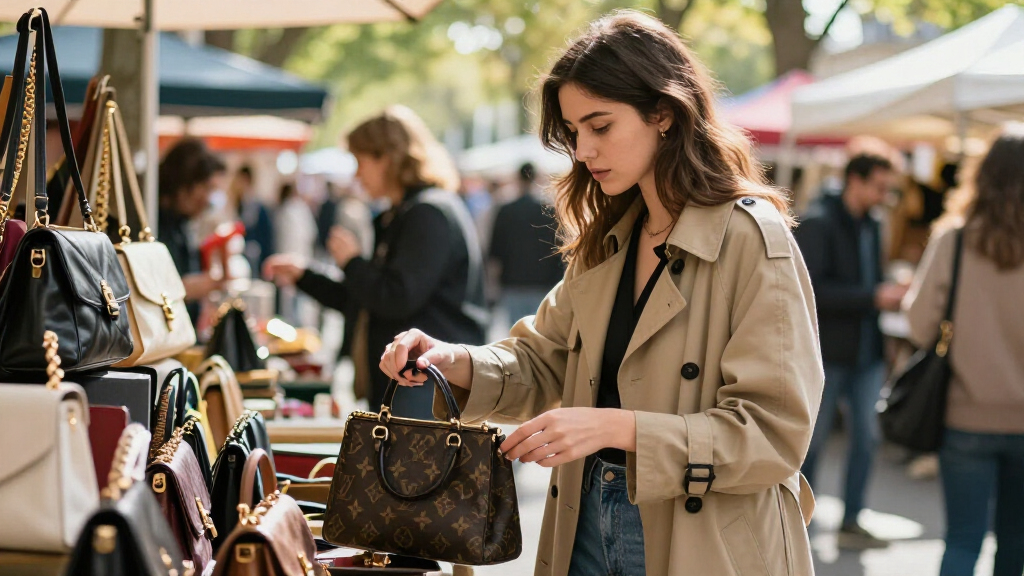
According to industry analysts, China’s secondhand luxury market has experienced exponential growth over the past few years, with estimates suggesting it could be worth over $20 billion by 2025. This surge is fueled by younger consumers seeking affordable access to high-end brands, as well as a cultural shift toward sustainability and circular fashion practices. Several major Chinese cities now host thriving resale platforms, both online and offline, where consumers buy and sell pre-owned luxury items.
Experts like fashion economist Li Wei and retail strategist Chen Ming emphasize that luxury brands risk missing out on significant revenue streams if they do not adapt to this trend. They argue that integrating secondhand channels into their sales strategies could enhance brand loyalty and reach new demographics, especially among Millennials and Generation Z consumers who prioritize sustainability and value authenticity.
Some brands have already begun exploring this space, with initiatives such as official resale programs or partnerships with established secondhand platforms. However, industry insiders note that many luxury houses remain cautious, concerned about brand dilution, counterfeits, and maintaining control over product provenance and pricing.
Implications of Secondhand Market for Luxury Brand Strategies
The rise of China’s secondhand luxury market represents a fundamental shift in consumer behavior, forcing brands to reconsider their traditional sales and branding models. Embracing resale channels can open new revenue streams, improve brand sustainability perceptions, and foster deeper engagement with younger consumers. Conversely, failure to adapt could result in lost market share as competitors leverage these channels to connect with a digitally savvy, environmentally conscious generation.
This trend also raises questions about brand control, authenticity verification, and the future of luxury retail. As resale platforms gain prominence, luxury brands must develop robust strategies to protect their image while capitalizing on the market growth. The decision to embrace or resist secondhand sales will significantly influence the industry’s evolution in China and globally.
As an affiliate, we earn on qualifying purchases.
Growth of China’s Secondhand Luxury Market and Industry Response
China’s secondhand luxury market has seen remarkable growth over the past five years, driven by a combination of economic factors, digital innovation, and changing consumer values. Platforms such as Xianyu, Secoo, and luxury-specific resale apps have gained millions of users, reflecting a cultural shift toward valuing sustainability and affordability in luxury consumption. This trend aligns with broader global movements but is particularly pronounced in China due to its large, young, and digitally connected population.
Major luxury brands historically maintained strict control over their distribution channels, but recent years have seen a gradual acceptance of resale markets as legitimate and lucrative. Some brands, like Louis Vuitton and Gucci, have launched official resale initiatives or partnered with resale platforms to better manage authenticity and brand image. Still, many remain cautious, fearing brand dilution or counterfeit proliferation.
Industry experts note that the Chinese government’s increasing focus on environmental sustainability and consumer protection also influences this shift, encouraging brands to see secondhand markets as part of a circular economy rather than a threat.
Challenges in Balancing Brand Control and Resale Growth
While the market’s growth is clear, it remains uncertain how many luxury brands will fully embrace resale channels without risking brand dilution or counterfeit issues. The long-term impact of official resale initiatives on brand exclusivity and pricing strategies is still being evaluated, and some industry insiders question whether all brands can or should participate at scale.
Additionally, the regulatory environment around resale platforms and secondhand sales in China continues to evolve, creating potential legal and operational uncertainties for brands and consumers alike.
Expected Developments in Luxury Resale Strategies
In the coming months, more luxury brands are expected to announce official resale partnerships or develop their own secondhand programs. Industry analysts predict increased investment in authenticity verification technology and stricter brand control measures. Meanwhile, resale platforms will likely expand their offerings and user base, further integrating into mainstream luxury consumption.
Regulatory developments and consumer acceptance will shape the future landscape, with some brands potentially leading the way in setting standards for responsible resale practices.
Key Questions
Why should luxury brands consider secondhand markets?
Secondhand markets offer new revenue streams, access to younger, environmentally conscious consumers, and opportunities to enhance brand loyalty through circular fashion initiatives.
What are the main risks for luxury brands in resale channels?
The primary risks include brand dilution, counterfeit proliferation, loss of exclusivity, and potential damage to brand image if resale is not properly managed.
How are Chinese consumers influencing this trend?
Chinese consumers, especially Millennials and Gen Z, prioritize sustainability, affordability, and authenticity, driving demand for resale platforms and secondhand luxury items.
Are any brands already successful in resale initiatives?
Yes, brands like Louis Vuitton and Gucci have launched official resale programs or partnered with resale platforms, aiming to control authenticity and brand image while tapping into the secondhand market.
Source: rss
Halloween Picks
halloween
As an affiliate, we earn on qualifying purchases.