
To unify mixed furniture, use repetition to create visual connections through consistent elements like color, texture, or shape. Stick to a cohesive color palette, repeating shades in pillows or rugs, and incorporate similar finishes or motifs to establish style harmony. Balance this with small variations to keep the space lively. By thoughtfully applying these principles, you’ll craft a unified look that’s both harmonious and interesting—if you keep exploring, you’ll discover even more tips.

Get your wardrobe favorites delivered free with Prime
- Fast, free delivery on millions of items
- Prime Video, Amazon Music and more included
- Member-only deals all year
Key Takeaways
- Use a consistent color palette across all furniture and accessories to create visual harmony.
- Repeat similar shapes, motifs, or finishes to establish a cohesive visual language.
- Incorporate repeated textures or materials to link different furniture pieces subtly.
- Establish rhythm by echoing design elements, such as angular lines or geometric patterns.
- Balance repetition with intentional variety to keep the space lively yet unified.

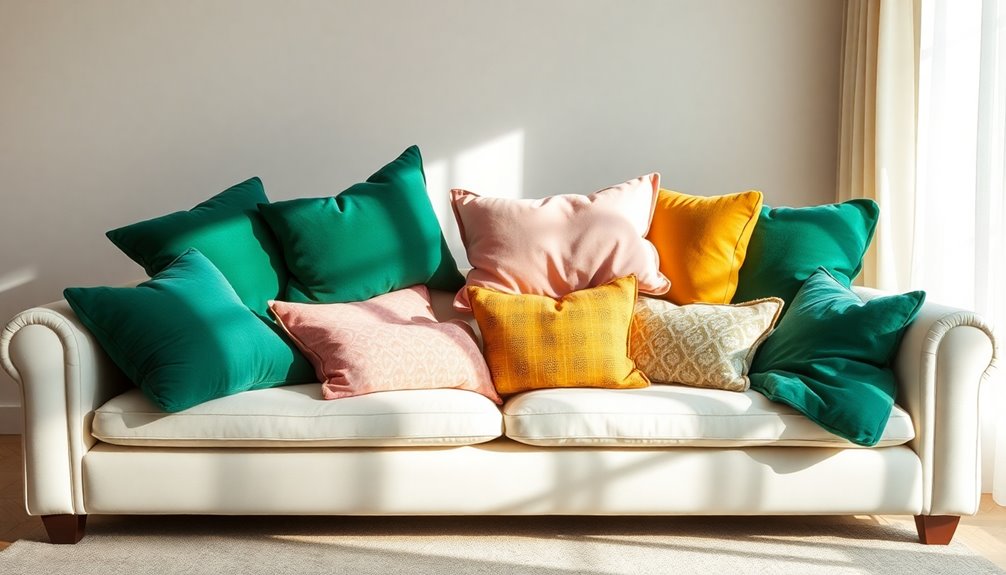
Bringing together a variety of furniture styles can feel overwhelming, but using repetition makes the space look cohesive and thoughtfully designed. When you incorporate repeated elements, you create visual connections that guide the eye and unify the different pieces. One of the most effective ways to do this is through color coordination. Choose a color palette that appears throughout your room—whether it’s in throw pillows, rugs, or decorative accents—and stick with it. Repeating these colors creates a sense of harmony, regardless of the furniture styles involved. For instance, if you have a vintage wooden coffee table and modern metal chairs, tying them together with a shared color, like soft blues or warm neutrals, helps them feel like part of a curated whole. This consistency in color also prevents your space from looking chaotic or disjointed, making each piece feel intentional.
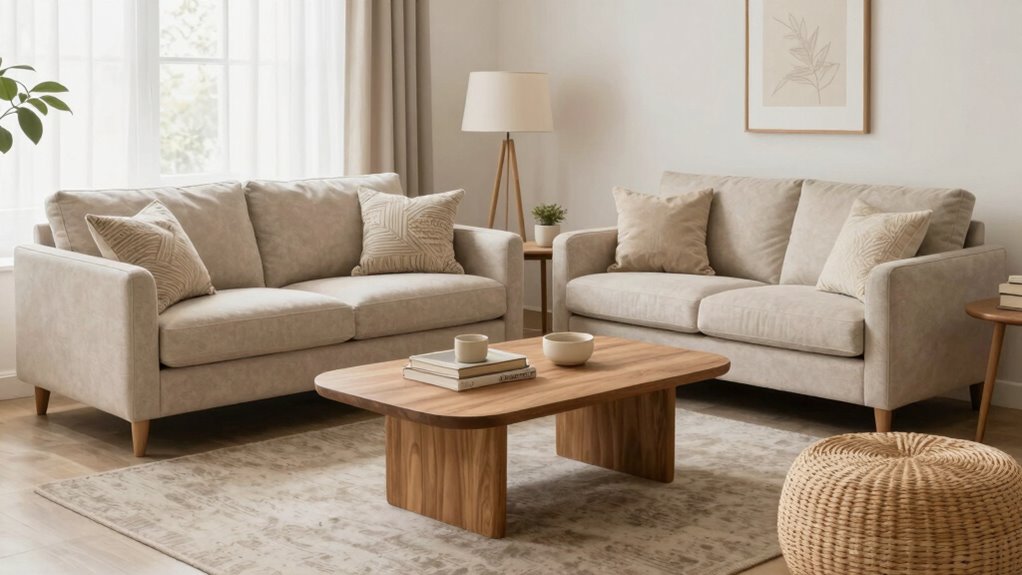
Style consistency is another key element when using repetition to unify mixed furniture. You don’t need every piece to match perfectly, but finding a common thread—whether through finishes, shapes, or motifs—cements the overall look. For example, if you’re mixing mid-century modern pieces with industrial elements, repeating angular lines or geometric shapes across different furniture items can establish a visual rhythm. This repetition of style cues helps your eye recognize a pattern, even as the furniture varies. It’s about creating a visual language that links disparate elements, making the room feel cohesive rather than cluttered. Additionally, understanding the importance of visual harmony can help you create a balanced and inviting space. Incorporating repetition of design cues not only enhances aesthetic appeal but also guides the viewer’s perception of a unified environment. Recognizing the power of repetition in interior design can elevate your approach and bring a more deliberate flow to your decor. Moreover, paying attention to consistent proportions can further strengthen the sense of unity and balance in your room.
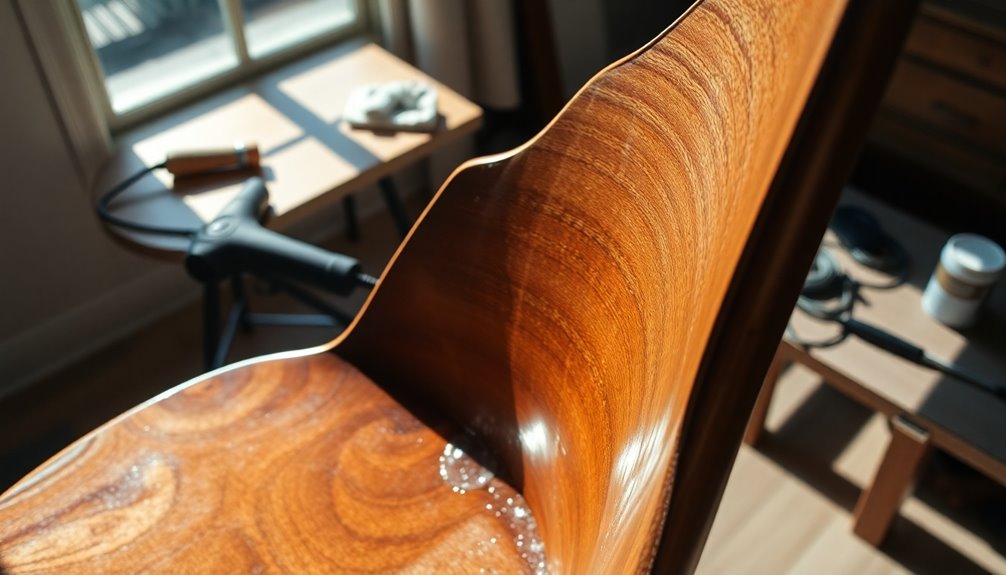
In addition to color and style, consider using repeated textures or materials to reinforce unity. Incorporate similar fabrics or finishes across different pieces. If you have a leather sofa, add cushions with a similar tone or texture elsewhere in the room. Or, if you have wood furniture, ensure the wood finishes complement each other, even if the styles differ. This subtle repetition adds depth and interest without overwhelming the space.
Finally, don’t forget to balance repetition with variety. Use it to establish a connection, then introduce small differences to keep the room lively. Repetition doesn’t mean everything should match; it’s about creating links that make the space feel intentional and harmonious. When you thoughtfully repeat colors, textures, or design cues, your mixed furniture will come together seamlessly, showcasing your unique style while maintaining a polished, unified look.
Popular right now

Shark PowerDetect Robot Vacuum and Mop Combo with 60-Day Self-Emptying Base (AV2800ZE)

KitchenAid Artisan 5-Quart Tilt-Head Stand Mixer with Flex Edge Beater

Roborock Q7 M5+ Robot Vacuum and Mop with Self-Emptying Dock
As an affiliate, we earn on qualifying purchases.
Frequently Asked Questions
Can Repetition Work With Bold or Contrasting Furniture Pieces?
Yes, repetition works well with contrasting furniture and bold designs. You can repeat a specific color, shape, or material across different pieces to create visual harmony. For instance, repeating a bold color in accessories or patterns links contrasting furniture together, making the space feel cohesive. This technique balances the boldness, ensuring your mixed furniture looks intentional and unified rather than chaotic.
How Do I Balance Repetition Without Creating Monotony?
You’re worried about turning your space into a snooze fest, right? Balance repetition by mixing patterns and color coordination thoughtfully. Use a dominant theme, then sprinkle in subtle variations—like different textures or shades—to keep it fresh. This way, you avoid monotony while maintaining unity. Think of it as a dance—repetition guides the rhythm, but variety keeps the audience engaged and enthusiastic for the next move.
Is Repetition Effective in Small or Cluttered Spaces?
Repetition works well in small or cluttered spaces because it creates visual continuity. By repeating elements like color coordination, you establish a sense of spatial harmony, making the room feel more cohesive and less chaotic. Use consistent patterns, textures, or accent colors across different furniture pieces. This approach guides the eye smoothly, making the space appear more unified and intentional, even when it’s densely furnished.
What Are Some Common Mistakes When Using Repetition?
You might stumble into trouble when overusing repetition like a parrot, creating a monotonous landscape. Avoid neglecting color coordination and pattern mixing, which can cause your space to feel chaotic. Repetition should enhance harmony, not overshadow variety. Be cautious not to duplicate too many elements or rely solely on one style, or your room risks feeling predictable or disjointed, rather than unified and lively.
How Do I Incorporate Repetition With Different Textures and Materials?
To incorporate repetition with different textures and materials, start by choosing a unifying element like fabric patterns or color schemes. Use the same or complementary fabric patterns across cushions, throws, or upholstery to create visual consistency. Repeat a specific color palette throughout your furniture pieces, whether in pillows, rugs, or decorative accents. This approach ties diverse textures and materials together, making your mixed furniture look cohesive and intentionally styled.
Conclusion
By repeating colors, styles, or textures throughout your space, you create a sense of harmony that ties diverse furniture pieces together. Remember, variety is the spice of life, but unity is the key to a cohesive look. When you use repetition thoughtfully, your room feels intentional and balanced. So, don’t be afraid to repeat elements—it’s the secret to turning a collection of furniture into a beautifully unified space.