If you choose a round table, you’ll notice a more open and smooth flow within your space, making movement easier and reducing congestion. It encourages inclusive conversations and creates a welcoming environment where everyone can participate equally. Rectangular tables, on the other hand, maximize space and support structured setups but may create tighter circulation and sharp corners that hinder movement. To truly optimize your space and daily interactions, keep exploring the details—you’ll find helpful insights ahead.
Key Takeaways
- Round tables promote open movement and better traffic flow by eliminating sharp corners and maximizing space efficiency.
- Rectangular tables can create tighter spaces and obstruct smooth circulation due to their shape and corners.
- Round tables facilitate easier access and movement around the table, reducing congestion during busy times.
- Rectangular tables may hinder flow in small or crowded rooms, making navigation more difficult.
- The choice of shape impacts daily interaction, with round tables encouraging inclusive conversations and seamless interaction.
Which Table Shape Is Best for Your Space and Needs?

Choosing the right table shape depends largely on your space and how you plan to use it. If you want a durable option that maintains its aesthetic appeal over time, consider material durability. Rectangular tables often feature sturdy materials like wood or metal, making them ideal for high-traffic areas or frequent use. They provide a clean, classic look that complements many decor styles. On the other hand, round tables tend to have a softer, more inviting aesthetic appeal, perfect for making small spaces feel cozy. They also eliminate sharp corners, offering a safer choice for homes with kids. Think about your room’s size and your daily activities. A rectangular table maximizes surface area, while a round table fosters easier conversation and movement. Design versatility can also influence your choice, as round tables often fit seamlessly into various interior styles. Additionally, considering the flow difference between these shapes can help optimize your space for both function and comfort. For example, the space efficiency of round tables can be particularly beneficial in tight quarters, allowing for better circulation. Moreover, understanding the vetted options for wave and wind influences the durability and stability of your table choice, ensuring long-term satisfaction. Recognizing how each shape interacts with interior layout can lead to a more harmonious and functional environment.
How Table Shape Affects Movement and Traffic Flow in Your Room
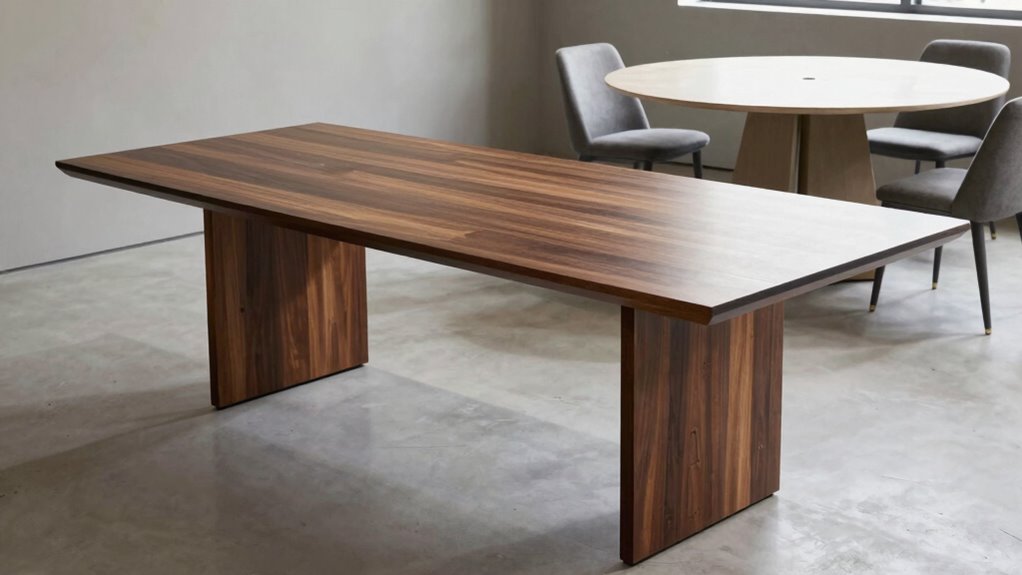
The shape of your table considerably influences how easily people can move around your room. A rectangular table often creates tight spaces, which can hinder smooth traffic flow and disrupt natural movement patterns. You might find yourself steering around sharp corners, leading to congestion during busy times. In contrast, a round table encourages a more open layout, allowing for effortless circulation and better distribution of movement. With no corners to dodge, people can move freely from any side, reducing bottlenecks and making the room feel more spacious. Your choice of shape directly impacts daily flow, affecting how comfortably everyone can mingle, access different areas, or reach shared items. Understanding this relationship helps you optimize your space for smoother, more efficient movement. Additionally, considering traffic flow principles can further enhance the room’s functionality and comfort, especially when planning for space optimization. Recognizing how furniture arrangement influences movement can lead to a more harmonious and functional living area. Incorporating design best practices can also help maximize both aesthetics and usability in your space. Moreover, selecting the right table shape can contribute to room safety by minimizing obstacles and potential hazards.
Why Are Round Tables Better for Inclusive Conversations?
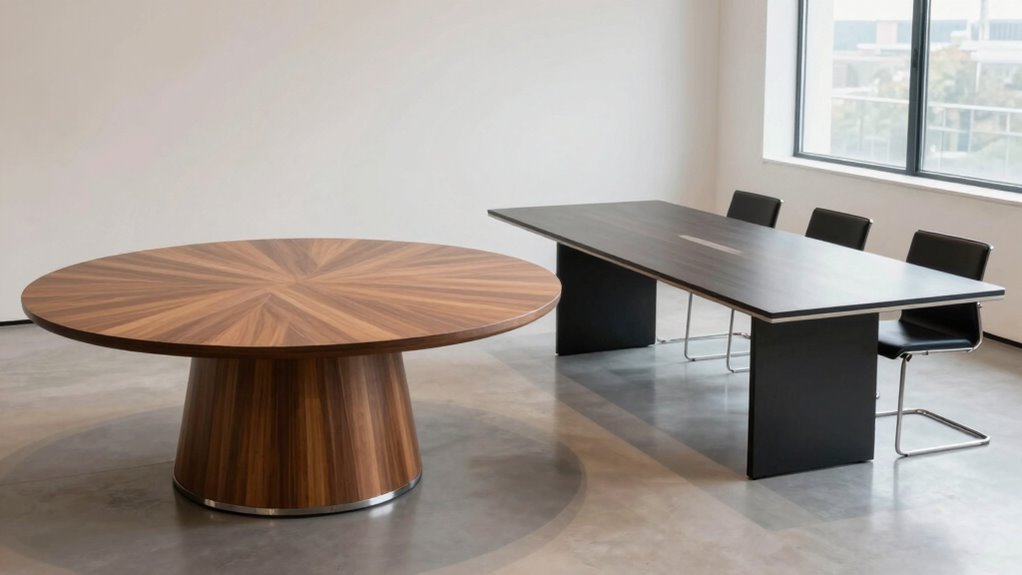
Round tables foster more inclusive conversations because their shape naturally brings everyone into equal proximity, eliminating the hierarchy created by corners or edges. This setup encourages open dialogue and balanced participation, positively influencing group dynamics. When everyone faces each other directly, communication flow becomes smoother, reducing misunderstandings and fostering a sense of equality. People feel more comfortable sharing ideas without feeling overshadowed or marginalized. The absence of sharp corners helps create a welcoming environment where all voices are heard. As a result, the quality assessment of round tables ensures that their design contributes to better communication and interaction. Additionally, their ergonomic design encourages active listening and engagement from all participants. The air circulation around the table can also improve comfort and create a more inviting atmosphere, making it easier for everyone to contribute and stay connected throughout the conversation. The visual accessibility provided by the round shape further enhances engagement, ensuring that no one feels left out of the discussion. Moreover, the versatility of shapes allows round tables to adapt to various spaces and needs, promoting flexibility in different settings. Overall, round tables promote a collaborative atmosphere, making it easier for everyone to contribute and stay connected throughout the conversation.
How Rectangular Tables Maximize Space and Structure
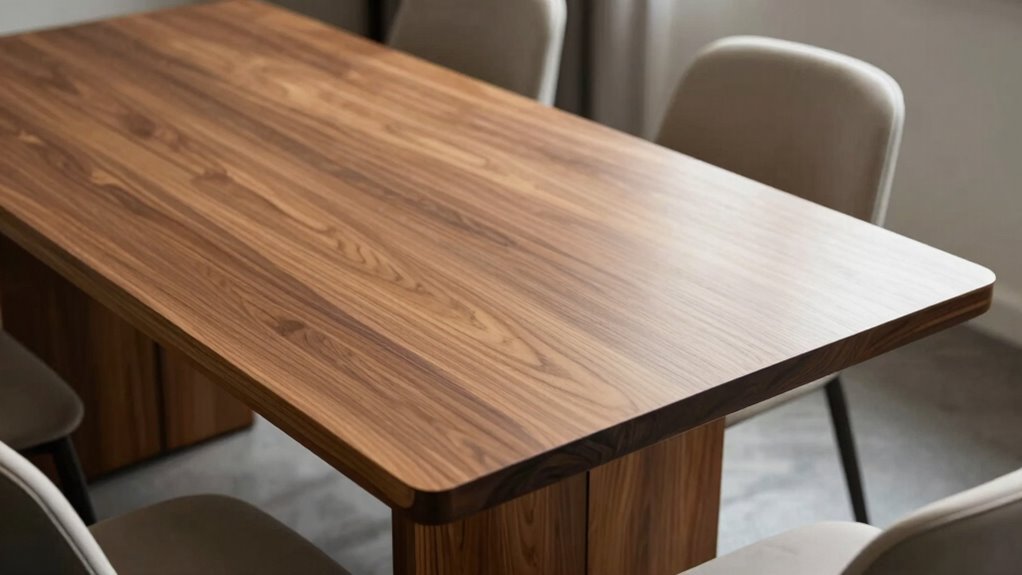
Rectangular tables are highly efficient for maximizing space and creating clear organizational structures in various settings. Their shape allows you to fit more seating and work areas within a given room, making best use of available space. The design promotes better flow and movement, reducing clutter and congestion. Additionally, rectangular tables support effective space optimization by aligning neatly against walls or dividing larger rooms into functional zones. Their structural design ensures stability and strength, accommodating multiple users comfortably. You can customize configurations—such as extended or split setups—to suit different needs. Overall, rectangular tables help streamline layouts, enhance functionality, and maintain a tidy environment, making them ideal for offices, conference rooms, and dining areas where efficient space utilization and organized structure are priorities. Effective space utilization is further supported by their ability to create a cohesive and organized environment, which is essential for maintaining a productive interior flow. Incorporating rectangular tables can also improve space planning, allowing for better utilization of available square footage. Moreover, their versatile design supports flexible arrangements, enabling easy adaptation to changing needs and activities within the space.
Do Round or Rectangular Tables Work Better in Small Spaces?
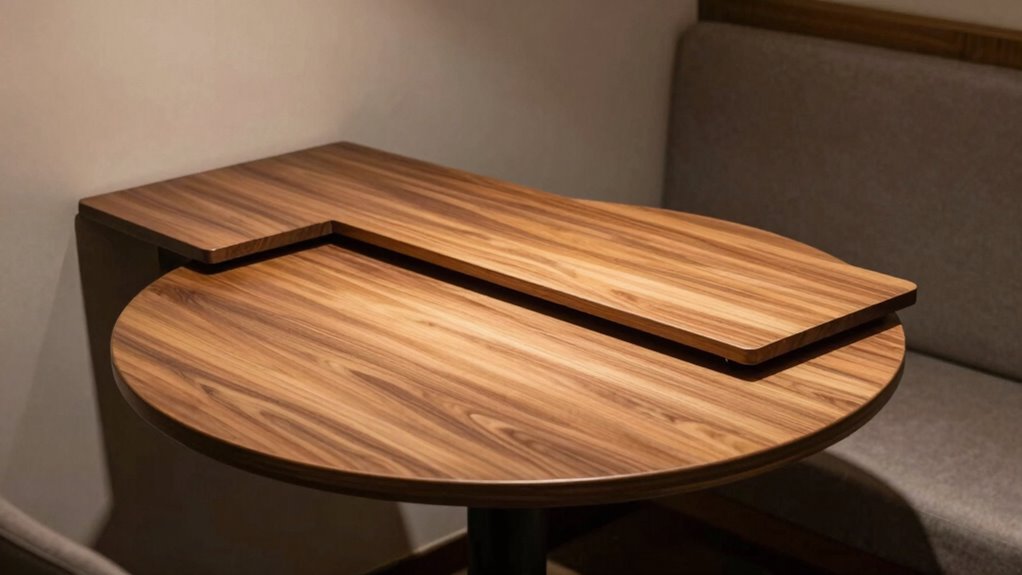
When choosing a table for a small space, considering the shape’s impact on usability and flow is essential. Round tables work well because they maximize seating without taking up too much room and create better flow, making the space feel less cramped. Rectangular tables can be efficient too, especially when pushed against a wall, but they may limit movement around the table. Your tablecloth choices and table finishing also influence how the space feels; lighter colors and simple designs help keep the area open and airy. Round tables often demand softer, flowing tablecloths, while rectangular ones can handle more structured finishes. Additionally, understanding spatial layout principles can help you select pieces that enhance space and functionality. Considering furniture placement and how different table shapes influence it can further improve the overall flow. Being mindful of interior design basics can ensure your space remains both functional and inviting. Ultimately, in small spaces, round tables tend to offer a more functional and visually spacious option, enhancing daily usability and comfort.
How the Shape of Your Table Influences Family Dinners and Gatherings
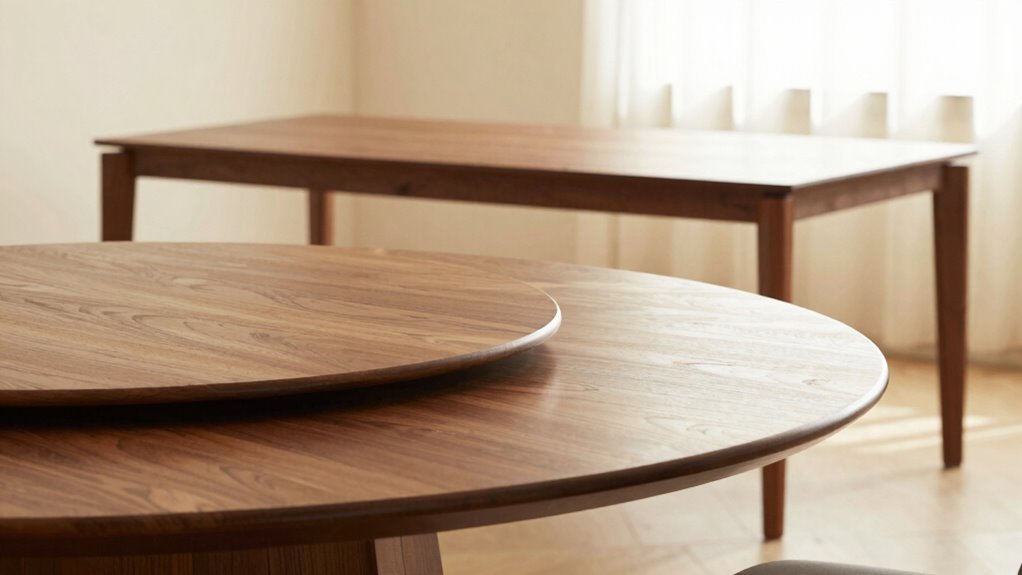
The shape of your table considerably influences how family dinners and gatherings feel. A round table encourages everyone to sit closer, fostering intimacy and easier conversation, regardless of decorative styles. It also promotes a balanced flow, making it simple for everyone to participate. Conversely, rectangular tables offer a more formal look and can accommodate larger groups, but may create occasional barriers in communication. Your choice impacts table maintenance; round tables often have fewer corners to clean, while rectangular ones might require more effort to keep tidy. The shape also guides the visual harmony of your space, aligning with your decor. Ultimately, selecting the right shape depends on your gathering style and how you want your family to connect around the table daily.
Which Table Shape Is Better for Your Workspace?

Choosing the right table shape for your workspace can considerably boost productivity and comfort. A round table offers a more inviting atmosphere, encouraging open communication and easier interaction, which enhances collaboration. Its smooth edges contribute to better table aesthetics, creating a softer, more modern look. On the other hand, rectangular tables maximize space efficiency, providing ample surface area for multiple devices, documents, and equipment. When considering material durability, both shapes can be crafted from robust materials like hardwood, metal, or engineered surfaces, ensuring longevity. Your choice depends on your workspace’s size, layout, and the type of work you do. If you prioritize a friendly, inclusive environment, a round table is ideal. For maximizing functionality and space, a rectangular table might be the better fit. Additionally, considering a Free Floating design can help create a more flexible and adaptable workspace layout.
Common Mistakes to Avoid When Choosing Table Shapes
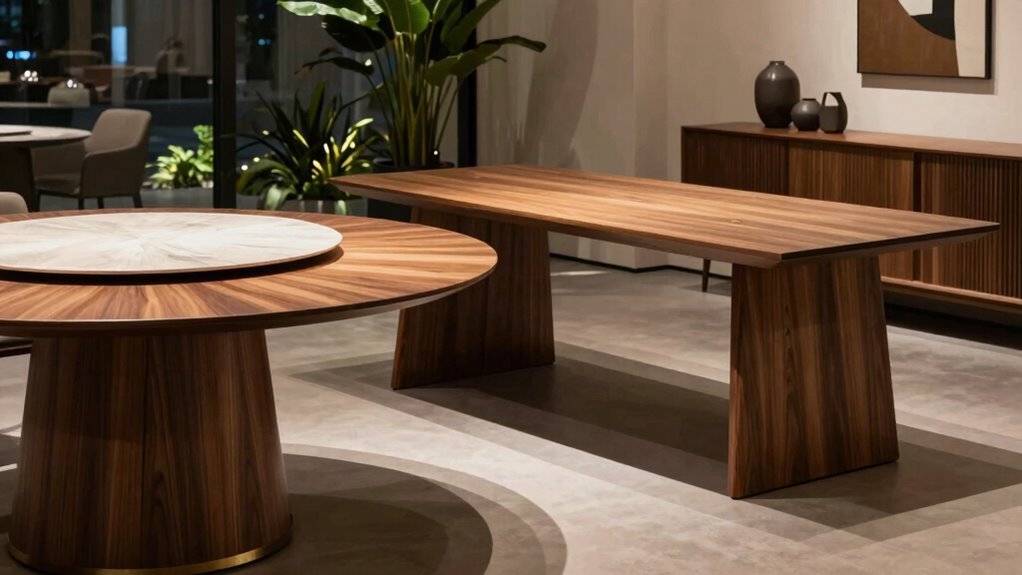
Avoid overlooking space efficiency when selecting a table shape, as it can make or break your room’s layout. Don’t forget to take into account seating flexibility, so your table can adapt to different needs or gatherings. Missing these points could lead to a setup that feels cramped or inconvenient.
Prioritize Space Efficiency
To maximize space efficiency, it’s essential to evaluate how well a table fits into your available area. Choosing the right shape can make a significant difference in your layout. Avoid these common mistakes:
- Ignoring the need for space saving furniture, which can clutter small rooms.
- Overlooking a compact design that optimizes every inch.
- Selecting a table too large for the space, reducing walkways and usability.
- Forgetting to consider how the shape impacts flow and movement.
Prioritize furniture that fits snugly without crowding. Rectangular tables often maximize seating in narrow spaces, while round tables promote flow in open areas. Making thoughtful choices ensures your space remains functional and comfortable.
Consider Seating Flexibility
When selecting a table shape, thinking about seating flexibility can prevent future hassles. You want versatility options that adapt to different gatherings, whether for intimate dinners or larger parties. Round tables often promote better interaction and can easily accommodate extra chairs without overcrowding, making them ideal for flexible seating arrangements. Rectangular tables, on the other hand, may offer more surface area but can limit movement and seating options. Consider aesthetic considerations too; round tables create a softer, more inviting look, while rectangular ones provide a structured, formal appearance. By prioritizing seating flexibility, you’ll choose a shape that not only fits your space but also adapts to your changing needs, ensuring comfort and style without sacrificing functionality.
Frequently Asked Questions
How Does Table Shape Impact the Overall Room Aesthetic?
The shape of your table greatly influences your room’s aesthetic by enhancing visual harmony and affecting spatial perception. A round table creates a softer, more inviting look, making the space feel cozy and inclusive. Conversely, rectangular tables add structure and formality, making the room appear more organized and spacious. Choose based on your style and how you want the room to feel, as each shape sets a different tone.
Are There Ergonomic Benefits to Choosing One Shape Over Another?
Choosing a round or rectangular table dramatically impacts your ergonomic posture and seating comfort. A round table offers unparalleled freedom of movement, reducing strain and encouraging natural posture shifts, making it feel like a sanctuary for your back. Rectangular tables, on the other hand, provide defined boundaries that support better alignment during long conversations. Both shapes promote ergonomic benefits, but your choice depends on whether you prioritize fluidity or structure in your workspace.
Can Table Shape Influence Social Dynamics During Gatherings?
Yes, table shape influences social dynamics during gatherings. A round table promotes intimacy levels by allowing everyone to see each other’s faces clearly, fostering conversation and inclusivity. Its visual symmetry creates a balanced environment, making guests feel equally involved. Rectangular tables, however, can create visual and physical barriers, potentially reducing interaction across the length of the table. Choose a round table for more engaging, intimate conversations.
Do Different Shapes Require Different Maintenance or Cleaning?
Different table shapes do require varying maintenance, especially considering the table material and seating capacity. Round tables with smooth surfaces are easier to clean and maintain, as they have fewer corners and edges. Rectangular tables, especially larger ones, may need more attention around the edges and corners to keep them free of dust and debris. Regardless of shape, choosing durable materials like wood or laminate simplifies cleaning and guarantees longevity.
How Does Table Shape Affect the Versatility of the Space?
Think of your space as a symphony, where table shape sets the rhythm. A round table fosters intimacy and flexible seating, perfect for social harmony, while a rectangular one maximizes space optimization, fitting neatly into corners or long rooms. Your choice influences design harmony, making your space feel open or cozy. So, selecting the right shape helps you craft a versatile environment that adapts seamlessly to your needs.
Conclusion
Choosing between round and rectangular tables depends on your space and needs. While round tables promote inclusivity and smooth flow, rectangular ones maximize space and structure. Think about how you use your table—whether for family dinners, work, or gatherings—and pick the shape that supports your lifestyle. Ultimately, understanding how each shape influences movement and interaction helps you make a smarter, more comfortable choice every day.