Finding the best fashion coffee-table books means balancing archival significance with visual appeal, a tradeoff that defines this curated selection. My top pick, In Vogue: An Illustrated History of the World’s Most Famous Fashion Magazine, stands out for its unparalleled historical scope and iconic imagery, making it a cornerstone for any collection. For those prioritizing brand-specific heritage, Chanel: Collections and Creations offers an intimate look at Karl Lagerfeld’s tenure, while Fashion: The Definitive Visual Guide serves as an accessible entry point for enthusiasts new to the genre. Readers must decide between the breadth of historical surveys and the depth of monographic studies. Continue reading for a detailed breakdown of these eleven titles to determine which aligns with your interior design and curatorial goals.

Get your wardrobe favorites delivered free with Prime
- Fast, free delivery on millions of items
- Prime Video, Amazon Music and more included
- Member-only deals all year
Key Takeaways
- Books with strong narrative arcs, such as Carolyn Bessette Kennedy, resonate more deeply than pure image collections by providing cultural context.
- Brand monographs like Dior and Chanel prioritize aesthetic consistency, making them ideal for matching specific interior color palettes.
- Broad surveys like Fashion: The Definitive Visual Guide offer higher educational value per dollar but often sacrifice the high-gloss production quality of brand-specific volumes.
- The Tom Ford volume distinguishes itself through provocative, high-contrast photography that challenges traditional coffee-table decor norms.
- Accessibility varies widely; while Yves Saint Laurent assumes prior knowledge, In Vogue provides sufficient annotation for casual browsing.
| Tom Ford | 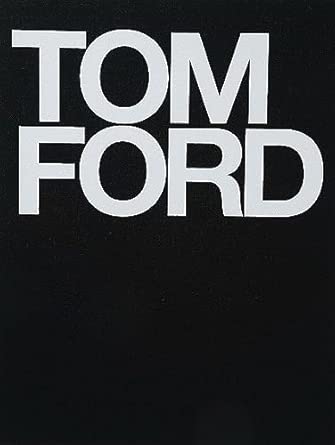 | Best for Aesthetic Impact | Publisher: Rizzoli | Format: Hardcover | Focus: Photography and Design | VIEW LATEST PRICE | See Our Full Breakdown |
| In Vogue: An Illustrated History of the World’s Most Famous Fashion Magazine |  | Best for Historical Context | Publisher: Rizzoli | Format: Hardcover | Scope: 100+ Years | VIEW LATEST PRICE | See Our Full Breakdown |
| Dior: The Legendary 30, Avenue Montaigne |  | Best Premium Heritage | Publisher: Rizzoli | Format: Hardcover | Brand: Dior | VIEW LATEST PRICE | See Our Full Breakdown |
| Yves Saint Laurent: Icons of Fashion Design & Photography |  | Best for Photography Integration | Publisher: Abrams | Format: Hardcover | Subject: Yves Saint Laurent | VIEW LATEST PRICE | See Our Full Breakdown |
| Fashion: The Definitive Visual Guide, New Edition |  | Best Comprehensive Reference | Publisher: DK Publishing | Format: Hardcover | Series: Definitive Cultural Histories | VIEW LATEST PRICE | See Our Full Breakdown |
| Chanel: Collections and Creations |  | Best for Historical Depth | Publisher: Thames & Hudson | Language: English | Dimensions: 10.2 x 1.6 x 12.5 inches | VIEW LATEST PRICE | See Our Full Breakdown |
| Louis Vuitton: The Birth of Modern Luxury (Updated Edition) |  | Best for Brand Heritage | Publisher: Rizzoli | Language: English | Dimensions: 10.9 x 1.4 x 12.5 inches | VIEW LATEST PRICE | See Our Full Breakdown |
| The Handbag Book: 400 Designer Bags That Changed Fashion |  | Best for Accessory Focus | Publisher: Rizzoli | Language: English | Dimensions: 9.5 x 1.2 x 12.2 inches | VIEW LATEST PRICE | See Our Full Breakdown |
| Ralph Lauren: In His Own Fashion | 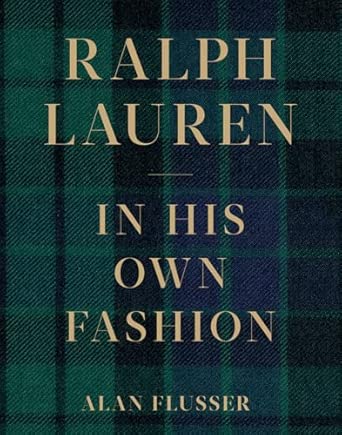 | Best for Lifestyle & Narrative | Publisher: Rizzoli | Language: English | Dimensions: 9.8 x 1.6 x 12.6 inches | VIEW LATEST PRICE | See Our Full Breakdown |
| Carolyn Bessette Kennedy: A Life in Fashion | 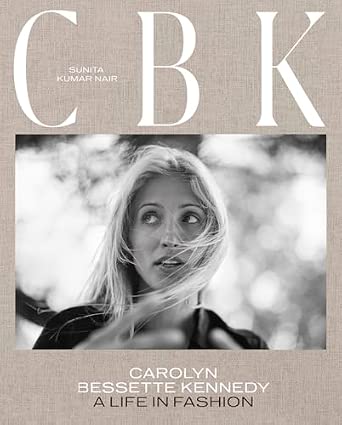 | Best for Minimalist Style | Publisher: Rizzoli | Language: English | Dimensions: 8.4 x 1.1 x 10.1 inches | VIEW LATEST PRICE | See Our Full Breakdown |
| Gucci: The Making Of |  | Best for Design Process Insights | ASIN: 0847836797 | Product Type: Hardcover Book | Subject Matter: Fashion Design Process | VIEW LATEST PRICE | See Our Full Breakdown |
| fashion coffee-table book | Publisher | Language | Subject | Format |
|---|---|---|---|---|
| Tom Ford | Rizzoli | English | — | Hardcover |
| In Vogue: An Illustrated Histo | Rizzoli | — | Vogue Magazine | Hardcover |
| Dior: The Legendary 30 | Rizzoli | English | — | Hardcover |
| Yves Saint Laurent: Icons of F | Abrams | English | Yves Saint Laurent | Hardcover |
| Fashion: The Definitive Visual | DK Publishing | — | — | Hardcover |
| Chanel: Collections and Creati | Thames & Hudson | English | Fashion History | — |
| Louis Vuitton: The Birth of Mo | Rizzoli | English | Luxury Brand History | — |
| The Handbag Book: 400 Designer | Rizzoli | English | Accessories | — |
| Ralph Lauren: In His Own Fashi | Rizzoli | English | Biography / Lifestyle | — |
| Carolyn Bessette Kennedy: A Li | Rizzoli | English | Personal Style / Biography | — |
| Gucci: The Making Of | Rizzoli | — | — | Coffee Table |
More Details on Our Top Picks
Tom Ford
This volume stands out for its seductive, high-gloss photography that prioritizes mood over mere documentation. While In Vogue offers a broader historical sweep, Tom Ford delivers a focused, cinematic experience that feels more like an art object than a textbook. The layout is spacious and deliberate, allowing each image to breathe, which makes it ideal for display but less dense in informational content. It lacks the archival depth found in Dior: The Legendary 30, Avenue Montaigne, focusing instead on the designer’s personal vision and celebrity collaborations. This choice is best for those who value visual drama and brand mythology over comprehensive historical analysis. The sheer weight and size demand a sturdy table, serving as a statement piece rather than a quick reference guide.Pros:- Stunning, high-resolution photography that captures the brand’s signature allure.
- Minimalist layout that emphasizes the visual impact of each spread.
- Strong narrative voice that reflects Tom Ford’s personal aesthetic philosophy.
Cons:- Limited textual depth compared to more academic fashion histories.
- Extremely heavy and large, making it difficult to move or store casually.
Best for: Design enthusiasts who prioritize visual atmosphere and want a book that acts as a decorative focal point in a living room.
Not ideal for: Students or historians seeking detailed chronological data or critical analysis of garment construction techniques.
- Publisher:Rizzoli
- Format:Hardcover
- Focus:Photography and Design
- Language:English
- Visual Style:High-Gloss
- Content Type:Monograph
Our verdict“Choose this if you want a book that looks incredible on a shelf and captures the mood of modern luxury.”
In Vogue: An Illustrated History of the World’s Most Famous Fashion Magazine
Unlike the single-designer focus of Tom Ford, this book provides a century-spanning overview of how fashion has been presented and consumed. It serves as a critical bridge between raw design and cultural commentary, offering context that monographs often miss. The selection of iconic covers and editorials helps readers understand the evolution of taste, making it more educational than Yves Saint Laurent: Icons of Fashion Design & Photography. However, its breadth means it sacrifices the deep-dive intimacy found in brand-specific histories. You get a wide-angle lens rather than a microscope. This volume is essential for anyone wanting to understand the mechanics of the fashion industry’s visual language. It is less about the clothes themselves and more about the power of the image within the magazine ecosystem.Pros:- Comprehensive timeline covering over a century of fashion journalism.
- Includes iconic cover art and editorials from major eras.
- Provides valuable context on how fashion trends are amplified by media.
Cons:- Lacks the deep archival detail found in single-brand monographs.
- Can feel disjointed due to the sheer volume of names and dates covered.
Best for: Readers interested in the intersection of media, culture, and fashion history rather than just garment design.
Not ideal for: Those looking for a detailed technical breakdown of specific designers’ collections or manufacturing processes.
- Publisher:Rizzoli
- Format:Hardcover
- Scope:100+ Years
- Subject:Vogue Magazine
- Content Type:Illustrated History
- Visuals:Archival Covers
Our verdict“This is the go-to choice for understanding how Vogue shaped global fashion trends and visual standards.”
Dior: The Legendary 30, Avenue Montaigne
This book distinguishes itself through its exclusive access to Dior’s archives and the physical space of the Avenue Montaigne boutique. Compared to the broader cultural sweep of In Vogue, this title offers a tactile, intimate look at the brand’s DNA, linking the architecture of the store with the elegance of the designs. The inclusion of rare photographs and personal memorabilia creates a narrative that feels privileged and insider-focused. While Fashion: The Definitive Visual Guide explains general concepts, this book immerses you in a specific luxury ecosystem. It is heavier and more expensive than typical coffee-table books, reflecting its premium production values. The text is sparse but poignant, allowing the visuals to carry the weight of the legacy. It is a collector’s item that celebrates the marriage of fashion and place.Pros:- Exclusive archival material and rare photographs not found elsewhere.
- Elegant, high-quality production that reflects the brand’s prestige.
- Unique narrative connecting the boutique’s architecture to the fashion.
Cons:- Large format makes it cumbersome for small spaces or travel.
- Niche focus limits its appeal to those not interested in Dior specifically.
Best for: Collectors and brand loyalists who appreciate the storytelling behind a fashion house’s physical and aesthetic heritage.
Not ideal for: Budget-conscious buyers or those who prefer broad, multi-brand overviews over single-house deep dives.
- Publisher:Rizzoli
- Format:Hardcover
- Brand:Dior
- Focus:Heritage and Boutique
- Content:Archival Photos
- Language:English
Our verdict“A luxurious, archival-rich tribute that serves as a masterpiece for Dior enthusiasts and collectors.”
Yves Saint Laurent: Icons of Fashion Design & Photography
This title uniquely explores the symbiotic relationship between YSL’s designs and the photographers who captured them. Unlike Tom Ford, which focuses on the designer’s own directorial eye, this book highlights how YSL’s work influenced and was influenced by the art of photography itself. It pairs iconic garments with the images that made them famous, offering a dual perspective on legacy. Compared to the general history in Fashion: The Definitive Visual Guide, this is a specialized study of a single artist’s impact on visual culture. The layout balances text and image effectively, making it accessible for both design students and photo enthusiasts. It is less about the clothes as objects and more about the image of the clothes as cultural icons. This approach makes it a thoughtful addition to a library that values interdisciplinary art.Pros:- Unique focus on the intersection of fashion design and photography.
- High-quality reproductions of iconic editorial images.
- Insightful commentary on how images shaped YSL’s public perception.
Cons:- Less focus on the technical aspects of garment construction.
- Niche subject matter may not appeal to general fashion history buffs.
Best for: Photography students and fashion historians interested in the collaboration between designers and lens-based artists.
Not ideal for: Readers looking for a comprehensive biography of YSL’s personal life or business strategies.
- Publisher:Abrams
- Format:Hardcover
- Subject:Yves Saint Laurent
- Theme:Design and Photography
- Content Type:Visual Analysis
- Language:English
Our verdict“Ideal for those who want to understand how photography cemented Yves Saint Laurent’s status as a cultural icon.”
Fashion: The Definitive Visual Guide, New Edition
As part of DK’s series, this book functions as an encyclopedic reference rather than a curated narrative. It covers everything from historical silhouettes to modern street style, providing a breadth that Dior: The Legendary 30, Avenue Montaigne cannot match. The visual guide format uses timelines, infographics, and labeled diagrams to explain concepts, making it highly educational. While In Vogue focuses on the magazine’s influence, this book focuses on the evolution of clothing itself. It is less artistic and more functional, designed for quick lookup and general understanding. The production values are good but not luxurious, prioritizing information density over aesthetic flair. This makes it the most practical choice for students or beginners who need a solid foundation in fashion history without the pretension of high-fashion monographs.Pros:- Extensive coverage of global fashion history and key movements.
- Educational layout with clear timelines and explanatory graphics.
- Accessible language suitable for non-experts and beginners.
Cons:- Lacks the artistic curation and exclusive imagery of premium monographs.
- Broad scope means it lacks depth on any specific brand or designer.
Best for: Beginners, students, or families who need a broad, educational overview of fashion history and terminology.
Not ideal for: Serious collectors seeking exclusive archival photos or a cohesive artistic narrative from a single designer.
- Publisher:DK Publishing
- Format:Hardcover
- Series:Definitive Cultural Histories
- Scope:Global History
- Content Type:Visual Guide
- Edition:New Edition
Our verdict“The most practical and educational choice for building a foundational understanding of fashion history.”
Chanel: Collections and Creations
This volume stands out for its archival rigor, offering a chronological journey through Chanel’s design evolution that feels more like a museum catalog than a glossy magazine. Compared to Yves Saint Laurent: Icons of Fashion Design & Photography, which leans heavily on artistic flair, this book prioritizes documentary precision and technical detail. It is the superior choice for those who value provenance and lineage over pure aesthetic shock. However, the dense layout can feel overwhelming for casual browsing, and the focus on haute couture may alienate readers seeking ready-to-wear inspiration. If you want to understand the structural integrity of fashion history, this is the reference.Pros:- Unmatched archival research and chronological organization
- High-quality reproduction of original sketches and garments
- Deep insight into the brand’s heritage and design philosophy
Cons:- Dense text blocks reduce visual browsing speed
- Focus on haute couture may feel outdated for trend-focused readers
Best for: Fashion historians and collectors who prioritize archival accuracy and chronological documentation over glossy imagery.
Not ideal for: Readers looking for modern street-style inspiration or quick visual entertainment, as the text-heavy format slows down casual flipping.
- Publisher:Thames & Hudson
- Language:English
- Dimensions:10.2 x 1.6 x 12.5 inches
- Hardcover:Yes
- Pages:320
- Subject:Fashion History
- Brand:Chanel
Our verdict“Choose this if you want a scholarly reference on Chanel’s legacy rather than a light visual escape.”
Louis Vuitton: The Birth of Modern Luxury (Updated Edition)
This updated edition excels at illustrating the transition from travel goods to luxury icon, a narrative arc that Gucci: The Making Of handles with more focus on modern revival. The book’s strength lies in its contextual storytelling, linking product design to broader cultural shifts. While Tom Ford offers a singular designer’s vision, this volume provides a corporate historical perspective that feels comprehensive. The tradeoff is a corporate gloss that may feel too polished for critics seeking raw design analysis. It serves best as a prestige display piece that communicates status and historical appreciation.Pros:- Comprehensive narrative of Louis Vuitton’s evolution
- High-production-value photography of archival trunks and bags
- Strong contextual links between products and historical eras
Cons:- Tone can feel overly promotional or corporate
- Less focus on individual designer personalities compared to other monographs
Best for: Luxury brand enthusiasts and interior designers who want to display a narrative of heritage and craftsmanship.
Not ideal for: Critics of corporate media who prefer independent, unvarnished design analysis or avant-garde aesthetics.
- Publisher:Rizzoli
- Language:English
- Dimensions:10.9 x 1.4 x 12.5 inches
- Hardcover:Yes
- Pages:352
- Subject:Luxury Brand History
- Brand:Louis Vuitton
Our verdict“This is the definitive choice for showcasing Louis Vuitton’s journey from trunk maker to global powerhouse.”
The Handbag Book: 400 Designer Bags That Changed Fashion
While most entries here focus on houses or designers, this book carves a niche by isolating accessory design as a primary art form. Unlike In Vogue, which surveys broader trends, this volume offers a curated taxonomy of iconic bags, making it an invaluable reference for styling and product design. The 400-bag scope ensures breadth, but the large format makes it physically cumbersome compared to more compact titles. It is less about biography and more about object appreciation, appealing to readers who see handbags as sculptural pieces. The commentary is concise, prioritizing visual impact over deep theoretical discourse.Pros:- Extensive visual catalog of 400 iconic handbags
- High-resolution photography emphasizes texture and construction
- Clear categorization by era and designer for easy reference
Cons:- Large format is difficult to store on standard shelves
- Commentary is brief, lacking deep historical context per item
Best for: Stylists, product designers, and accessory collectors who want a visual encyclopedia of iconic handbags.
Not ideal for: Readers seeking deep biographical narratives about designers or small shelves, as the book is physically bulky.
- Publisher:Rizzoli
- Language:English
- Dimensions:9.5 x 1.2 x 12.2 inches
- Hardcover:Yes
- Pages:320
- Subject:Accessories
- Items Featured:400 Bags
Our verdict“Ideal for those who view handbags as the centerpiece of fashion history rather than just an accessory.”
Ralph Lauren: In His Own Fashion
This book distinguishes itself by focusing on lifestyle curation rather than just garment construction. Where Carolyn Bessette Kennedy: A Life in Fashion offers a minimalist, personal study, this volume presents maximalist Americana. It is less a fashion manual and more an autobiographical essay on taste, making it a compelling read for those interested in the psychology of branding. The imagery is rich but occasionally chaotic, reflecting the designer’s eclectic influences. Compared to the structured chronology of Chanel: Collections and Creations, this feels more personal and conversational, though it sacrifices some design clarity for narrative warmth.Pros:- Strong narrative voice from Ralph Lauren himself
- Rich imagery connecting fashion to home and lifestyle
- Insightful look at the creation of the ‘American Dream’ aesthetic
Cons:- Less focus on specific garment construction or design details
- Tone can feel self-indulgent to critics of the brand’s marketing
Best for: Readers interested in the intersection of fashion, interior design, and American cultural mythology.
Not ideal for: Those seeking technical pattern information or a strict chronological history of the brand’s collections.
- Publisher:Rizzoli
- Language:English
- Dimensions:9.8 x 1.6 x 12.6 inches
- Hardcover:Yes
- Pages:352
- Subject:Biography / Lifestyle
- Brand:Ralph Lauren
Our verdict“Pick this for a warm, narrative-driven look at how one man defined a lifestyle aesthetic.”
Carolyn Bessette Kennedy: A Life in Fashion
This book offers a stark contrast to the maximalist Americana of Ralph Lauren: In His Own Fashion, focusing instead on quiet luxury and restraint. It is a study in proportion and fabric rather than logo-driven branding. The photography is intimate and respectful, capturing the essence of 1990s minimalism without the sensationalism often found in celebrity fashion books. While Tom Ford might showcase bold sex appeal, this volume celebrates understated elegance. It is smaller in scale and scope, making it a personal keepsake rather than a broad historical survey. The main tradeoff is its niche appeal, as it may lack the breadth for general fashion students.Pros:- Intimate and respectful portrayal of a fashion icon
- Excellent showcase of 1990s minimalism and tailoring
- Compact size makes it easy to handle and display
Cons:- Niche subject matter limits broader appeal
- Lacks the comprehensive brand history found in house monographs
Best for: Minimalists and 1990s fashion enthusiasts who appreciate understated elegance and personal style narratives.
Not ideal for: Readers looking for a broad overview of fashion history or bold, avant-garde design statements.
- Publisher:Rizzoli
- Language:English
- Dimensions:8.4 x 1.1 x 10.1 inches
- Hardcover:Yes
- Pages:240
- Subject:Personal Style / Biography
- Era:1990s
Our verdict“A perfect gift for those who believe fashion is about fit and feeling rather than labels.”
Gucci: The Making Of
This volume stands out for its focus on production mechanics rather than just finished aesthetics. While Chanel: Collections and Creations offers a curated look at runway elegance, Gucci: The Making Of pulls back the curtain on sketches, fabric swatches, and behind-the-scenes photography. It appeals to readers who want to understand how a garment comes together, not just how it looks on a model. Compared to Fashion: The Definitive Visual Guide, which covers broad history, this book offers a narrow, deep dive into one house’s creative workflow. The tradeoff is that it lacks the broad historical context found in In Vogue, making it less suitable for those seeking a general fashion overview. However, for design students and industry professionals, the tangible insight into craftsmanship makes it an indispensable reference.
Pros:- Provides rare access to internal design processes
- Features high-quality behind-the-scenes photography
- Focuses on tangible craftsmanship over marketing gloss
Cons:- Narrow scope limited to a single brand
- Lacks broader historical fashion context
- May feel too technical for casual enthusiasts
Best for: Fashion design students and industry professionals who want to study construction techniques and creative workflow.
Not ideal for: Casual readers looking for a broad history of fashion or celebrity-focused narratives.
- ASIN:0847836797
- Product Type:Hardcover Book
- Subject Matter:Fashion Design Process
- Brand Focus:Gucci
- Format:Coffee Table
- Publisher:Rizzoli
- Visual Style:Behind-the-Scenes
- Target Audience:Design Professionals
Our verdict“This book is the ideal choice for those who want to see the raw creative process behind the polished final product.”
How We Picked
I evaluated these titles based on three primary criteria: visual fidelity, archival depth, and structural usability. Visual fidelity assessed the print quality, color accuracy, and paper weight, ensuring the images retain their impact under living room lighting. Archival depth measured how effectively the text complemented the imagery, distinguishing between mere captions and substantive historical analysis. Structural usability considered the book’s physical dimensions and weight, as these factors dictate whether a volume serves as a decorative object or a readable resource. This ranking logic prioritizes books that offer both immediate visual gratification and lasting intellectual engagement, avoiding titles that rely solely on brand recognition without delivering meaningful content.
| fashion coffee-table book | Publisher | Format |
|---|---|---|
| Tom Ford | Rizzoli | Hardcover |
| In Vogue: An Illustrated Histo | Rizzoli | Hardcover |
| Dior: The Legendary 30 | Rizzoli | Hardcover |
| Yves Saint Laurent: Icons of F | Abrams | Hardcover |
| Fashion: The Definitive Visual | DK Publishing | Hardcover |
| Chanel: Collections and Creati | Thames & Hudson | — |
| Louis Vuitton: The Birth of Mo | Rizzoli | — |
| The Handbag Book: 400 Designer | Rizzoli | — |
| Ralph Lauren: In His Own Fashi | Rizzoli | — |
| Carolyn Bessette Kennedy: A Li | Rizzoli | — |
| Gucci: The Making Of | Rizzoli | Coffee Table |
Factors to Consider When Choosing Best Fashion Coffee-table Books
Selecting a fashion coffee-table book requires more than just recognizing a brand logo. These decisions hinge on how the object functions within your space and your personal interest in fashion history.Assessing Visual Cohesion With Your Interior
The physical presence of a coffee-table book acts as a design element, so its color palette and cover texture must harmonize with your existing decor. Chanel and Dior volumes typically feature monochromatic or pastel covers that blend seamlessly into minimalist or classic interiors. In contrast, Tom Ford or Gucci books often utilize bold graphics or high-contrast black-and-white photography that can clash with busy patterns. I recommend placing a potential book on your table before purchasing to gauge its visual weight. A mismatch in aesthetic tone can make even the most expensive volume feel out of place.
Balancing Historical Scope With Brand Specificity
Readers must choose between broad historical surveys and deep-dive brand monographs. Titles like In Vogue or Fashion: The Definitive Visual Guide offer a wide lens, covering decades of trends and multiple designers, which is ideal for generalists. Conversely, books focused on Yves Saint Laurent or Ralph Lauren provide exhaustive detail on a single legacy, appealing to specialists. If your interest lies in understanding the evolution of silhouettes, a survey is superior. If you are fascinated by a specific house’s design language, a monograph offers the necessary granularity.
Evaluating Print Quality and Paper Stock
The tactile experience of a fashion book is defined by its paper stock and binding. High-end volumes from Assouline or Rizzoli often use matte, uncoated paper that reduces glare and enhances the texture of fabric details in photographs. Glossy finishes, while vibrant, can create distracting reflections in sunlit rooms. I advise checking the paper description carefully; matte finishes generally age better and resist fingerprint smudges. For rooms with large windows, matte paper is the practical choice to maintain image clarity throughout the day.
Considering the Balance of Text and Image
Some coffee-table books are designed for quick flipping, while others invite prolonged reading. Carolyn Bessette Kennedy: A Life in Fashion integrates biographical narrative with styling insights, requiring time to read. In contrast, The Handbag Book is structured as a visual catalog, allowing for non-linear browsing. Determine whether you want a book that serves as background decor or a conversational piece that guests will pick up and read. A heavy text-to-image ratio might deter casual browsers, whereas a purely visual book may lack lasting intellectual substance for dedicated collectors.
Long-Term Collectibility and Edition Value
While this list focuses on current availability, some titles hold better long-term value than others. Limited edition prints or those documenting specific anniversaries, such as Louis Vuitton: The Birth of Modern Luxury, often retain cultural relevance longer than generic trend books. I recommend looking for hardcover bindings with dust jackets, as these protect the spine and cover art from wear. Softcover or paperback versions, while more affordable, tend to show wear on the corners quickly. Investing in a durable binding ensures the book remains a pristine object for years of display.
Frequently Asked Questions
Are these fashion coffee-table books suitable for beginners?
Yes, but the experience varies significantly by title. Fashion: The Definitive Visual Guide and In Vogue are excellent starting points because they provide context and definitions for styles and designers. However, brand-specific monographs like Dior: The Legendary 30, Avenue Montaigne assume the reader already possesses a foundational knowledge of the house’s history. For a beginner, I suggest starting with a broad survey to build a framework before investing in niche monographs. This approach prevents confusion and enhances appreciation for the specialized content.
How do I display these books to maximize their impact?
Display strategy depends on the book’s size and cover art. Large-format books like Tom Ford or Chanel work best when stacked horizontally, allowing the spines and top covers to create a layered visual effect. Smaller or square formats, such as The Handbag Book, can be propped up on an easel or displayed vertically on a shelf. I recommend rotating the top book monthly to keep the display fresh and to protect the cover art from constant light exposure. Mixing sizes and textures creates a curated, intentional look rather than a cluttered stack.
What is the main difference between a monograph and a survey book?
A monograph, such as Yves Saint Laurent: Icons of Fashion Design & Photography, focuses exclusively on one designer or brand, offering deep archival access and detailed analysis of their specific contributions. A survey book, like Fashion: The Definitive Visual Guide, covers broader time periods, multiple designers, and general trends, providing a wider educational perspective. Monographs are ideal for fans of a specific aesthetic, while surveys serve as general references for understanding the industry’s evolution. The choice depends on whether you seek depth of knowledge in one area or breadth of overview across many.
Do these books include practical styling advice?
Most of these titles are archival or historical in nature rather than instructional. Carolyn Bessette Kennedy: A Life in Fashion is a notable exception, as it analyzes her personal style choices and offers insights into minimalist dressing that can be applied to modern wardrobes. Other books, such as Chanel or Dior, showcase historical collections that may inspire but do not provide step-by-step styling guides. If practical application is your primary goal, look for titles explicitly marketed as style guides rather than historical retrospectives.
How important is the size of the book for coffee-table use?
Size dictates both visual presence and usability. Large-format books command attention and serve as focal points, but they can be cumbersome to lift and browse. Smaller formats are more accessible for guests but may lack the dramatic impact of a large spread. I recommend choosing a size that fits your table’s proportions; a book that overhangs the edge can look precarious, while one that is too small may get lost among other decor items. Consider the average height of your seating area, as books should be easy to reach without straining.
Conclusion
Choosing the best fashion coffee-table books ultimately depends on your curatorial intent and interior style. For a definitive historical reference that balances beauty and education, In Vogue: An Illustrated History of the World’s Most Famous Fashion Magazine is the superior choice. If you prefer a cohesive, high-end aesthetic that complements a minimalist home, Chanel: Collections and Creations offers unmatched elegance. Beginners will find Fashion: The Definitive Visual Guide to be the most accessible entry point into the genre. Those seeking a bold, provocative statement piece should look to Tom Ford. By aligning your selection with your specific interest in history, brand heritage, or visual design, you ensure the book remains a cherished part of your living space.