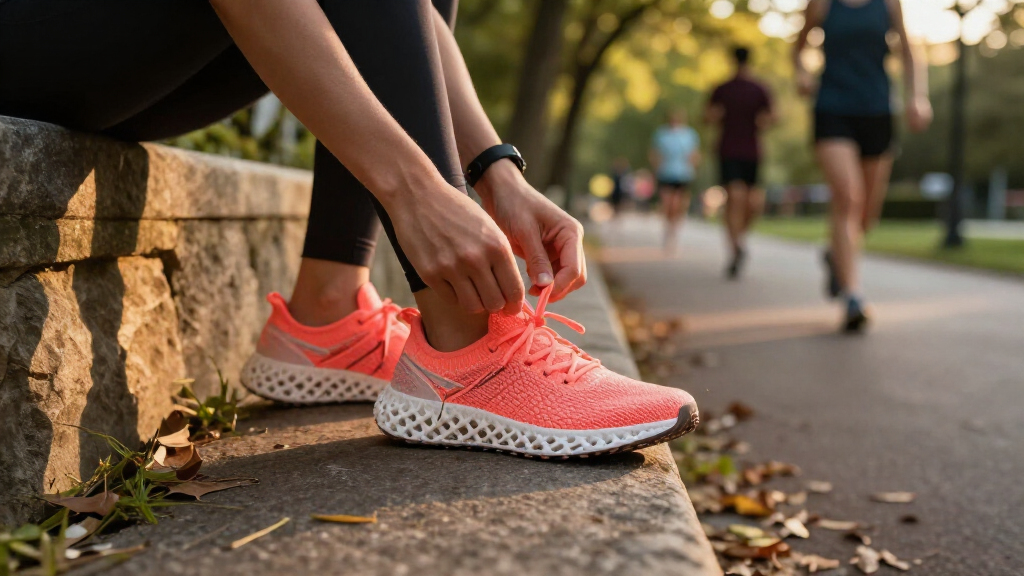

Choosing among the best 3D-printed running shoes means separating purpose-built running models from footwear that merely uses a printed lattice. My leading running pick is the adidas Women’s 4DFWD 2, which pairs a printed midsole with a PRIMEKNIT+ and mesh upper and a Continental Rubber outsole. The adidas 4D Run 1.0 is a strong alternative for shoppers who want a clearly described 3D-printed lattice and a foot-holding heel clip, while the adidas 4D Fusio keeps the design simpler with a mesh upper and lace closure.

Get your wardrobe favorites delivered free with Prime
- Fast, free delivery on millions of items
- Prime Video, Amazon Music and more included
- Member-only deals all year
The main tradeoff is that the product information is uneven: the 4DFWD 2 provides useful outsole and fit details, while the Run 1.0 and Fusio listings leave important questions about fit and running conditions unanswered. The BIQU slide has a printed, ventilated structure, but it is not a running shoe, so I treat it as a casual or recovery-style option rather than a substitute for a trainer. My ranking prioritizes running relevance, clarity of construction and the information a buyer can use to decide whether a model suits their routine.
Key Takeaways
- The adidas Women’s 4DFWD 2 is my lead running pick because its listing identifies a PRIMEKNIT+ and engineered-mesh upper, regular fit, lace closure and Continental Rubber outsole.
- The adidas 4D Run 1.0 is the clearest choice for buyers focused on a described 3D-printed lattice midsole, but the listing supplies little guidance on fit or suitable running surfaces.
- The adidas 4D Fusio is a straightforward lace-up option with a mesh upper, though its product details provide fewer performance cues than the 4DFWD 2.
- The BIQU is a 3D-printed slide, not a running shoe; its lattice and drainage-oriented design suit a different use from the adidas running models.
- All four listings leave some buyer questions unresolved, so I would check current sizing, return terms and intended-use guidance before ordering.
| adidas Women’s 4DFWD 2 Running Shoes |  | Best Overall for Running | Category: Women’s running shoes | Upper: PRIMEKNIT+ and engineered mesh | Outsole: Continental Rubber | VIEW LATEST PRICE | See Our Full Breakdown |
| adidas 4D Run 1.0 Men’s Running Shoes, White |  | Best for a Clearly Described 3D Lattice | Category: Men’s running shoes | Upper: adidas Primeknit textile | Midsole: 3D-printed lattice using Digital Light Synthesis | VIEW LATEST PRICE | See Our Full Breakdown |
| adidas Men’s 4D Fusio Shoes |  | Best Simple Lace-Up Option | Category: Men’s shoes | Upper: Mesh | Sole material: Synthetic rubber | VIEW LATEST PRICE | See Our Full Breakdown |
| BIQU 3D-Printed Ergonomic Slide Sandals |  | Best Casual Lattice Slide, Not for Running | Category: Slip-on slide sandals | Design: 3D-printed hexagonal lattice | Sole material: Resin listed; TPU identified in feature description | VIEW LATEST PRICE | See Our Full Breakdown |
| 3D printed running shoe | Category | Upper | Closure | Sole material |
|---|---|---|---|---|
| adidas Women’s 4DFWD 2 Running | Women’s running shoes | PRIMEKNIT+ and engineered mesh | Lace-up | — |
| adidas 4D Run 1.0 Men’s Runnin | Men’s running shoes | adidas Primeknit textile | — | Synthetic rubber |
| adidas Men’s 4D Fusio Shoes | Men’s shoes | Mesh | Lace | Synthetic rubber |
| BIQU 3D-Printed Ergonomic Slid | Slip-on slide sandals | — | Slip-on | Resin listed; TPU identified in feature description |
More Details on Our Top Picks
adidas Women’s 4DFWD 2 Running Shoes
The 4DFWD 2 is my best overall running pick because its supplied details give a buyer more to work with than the other running models here. The PRIMEKNIT+ and engineered-mesh upper describes a combination of textile construction and mesh, while the lace-up closure lets the wearer adjust how securely the shoe sits. Its listed regular fit is also more useful than the limited sizing information supplied for the 4D Run 1.0 and Fusio.
The Continental Rubber outsole is another useful point of distinction. The other adidas entries list rubber or synthetic rubber but do not name a comparable outsole compound. That does not prove the 4DFWD 2 will grip better in every condition, and the listing does not specify road, track or wet-weather performance. Still, it gives me a more concrete outsole detail to weigh when choosing among these four.
The main reservation is not the shoe’s stated design but the quality of the product information: fabric is described as synthetic and rubber, while the outer material is listed as leather. That inconsistency makes it harder to know exactly what materials the upper or exterior uses. Compared with the 4D Run 1.0, this model has more fit and outsole detail but less clearly supplied information about its 3D lattice construction in the provided description. I would pick it for a more complete running-shoe specification, but skip it if precise material disclosure is a deciding factor.
Pros:- PRIMEKNIT+ and engineered-mesh upper construction is identified.
- Lace-up closure allows adjustment around the foot.
- Regular fit is stated in the listing.
- Continental Rubber outsole is specifically named.
Cons:- Material information conflicts: fabric is listed as synthetic and rubber, while the outer material is listed as leather.
- The supplied details do not explain surface or weather suitability.
- The provided description offers less detail about the 3D-printed midsole than the 4D Run 1.0 listing.
Best for: Runners seeking the most fully specified running option in this group, especially those who value a regular fit, adjustable lacing and a named outsole.
Not ideal for: Buyers who need consistent material information or explicit guidance about running surfaces, weather use or the exact performance of the printed midsole.
- Category:Women’s running shoes
- Upper:PRIMEKNIT+ and engineered mesh
- Outsole:Continental Rubber
- Closure:Lace-up
- Fit:Regular
- Fabric type:Synthetic and rubber, as listed
- Outer material:Leather, as listed
Our verdict“I rank the 4DFWD 2 first for running because it offers the clearest fit, upper and outsole details, though its material labels need clarification.”
adidas 4D Run 1.0 Men’s Running Shoes, White
If the printed midsole is the main reason you are shopping this category, the 4D Run 1.0 is the most directly described option in this lineup. Its Digital Light Synthesis lattice is presented as informed by 17 years of athletic data and designed for cushioning and energy return. That description gives the buyer a clearer account of the shoe’s central design feature than the 4DFWD 2 information provided here.
The upper is adidas Primeknit textile, and a contoured heel clip is intended to help hold the foot in place. Those details make the Run 1.0 a more focused alternative to the Fusio, whose supplied description notes mesh and a lace closure but says little about its fit or underfoot design. For someone comparing the construction story of the adidas options, the Run 1.0 has the strongest explanation of its printed midsole.
That advantage comes with a clear limitation: the listing does not state a fit profile, surface recommendation or weather guidance. The product title identifies a men’s shoe and a white color, but the supplied information does not resolve sizing questions. The 4DFWD 2 is easier to evaluate for fit and outsole because it lists a regular fit and Continental Rubber; the Run 1.0 makes more sense when the lattice description matters more than those missing details. I would not infer a specific running style or performance level from the design description alone.
Pros:- Digital Light Synthesis 3D lattice midsole is clearly identified.
- Midsole is described as designed for cushioning and energy return.
- Primeknit textile upper is stated.
- Contoured heel clip is intended to help secure the foot.
Cons:- No specific fit profile or sizing guidance is supplied.
- The listing does not identify preferred running surfaces or weather conditions.
- Outsole detail is less specific than the Continental Rubber information on the 4DFWD 2.
Best for: Men’s-shoe shoppers who want a running model with a specifically described Digital Light Synthesis lattice midsole and a textile upper.
Not ideal for: Buyers who need detailed sizing help, a stated fit category, named running-surface guidance or weather recommendations before choosing.
- Category:Men’s running shoes
- Upper:adidas Primeknit textile
- Midsole:3D-printed lattice using Digital Light Synthesis
- Midsole design basis:Described as informed by 17 years of athletic data
- Midsole intent:Designed for cushioning and energy return
- Heel feature:Contoured heel clip
- Sole material:Synthetic rubber
- Origin:Made in the USA or imported
Our verdict“I recommend the 4D Run 1.0 to buyers who prioritize a clearly explained printed lattice, while the 4DFWD 2 is easier to assess for fit and outsole details.”
adidas Men’s 4D Fusio Shoes
The 4D Fusio is the most straightforward adidas option in this group: the supplied listing identifies a mesh upper, synthetic rubber sole and lace closure without offering much elaboration. That simplicity may suit a buyer who prefers familiar shoe components and does not need a long feature list. It also means this model is harder to distinguish as a running shoe than the 4D Run 1.0, whose printed lattice and intended cushioning are explicitly described.
Compared with the 4DFWD 2, the Fusio provides less information about fit and outsole construction. The 4DFWD 2 names a regular fit and Continental Rubber outsole, giving it a more useful specification set for someone making a running-focused choice. The Fusio’s mesh may be a relevant upper detail, but the listing does not describe the shoe’s midsole structure, cushioning intent, support or intended running conditions. I would not assume those properties from the model name.
This is a reasonable candidate if the buyer wants a men’s lace-up adidas shoe and finds the mesh-and-rubber construction appealing, but it is not my first recommendation for shoppers seeking a clearly explained 3D-printed running design. The supplied description calls it a 4D Fusio, yet does not spell out the printed midsole details included for the Run 1.0. That gap makes direct comparison harder. I rank it behind the 4DFWD 2 and Run 1.0 because those listings give more decision-useful information, not because the available details prove the Fusio performs worse.
Pros:- Mesh upper is identified.
- Lace closure allows the fit to be adjusted.
- Synthetic rubber sole is stated.
- The construction details are simple to compare at a basic level.
Cons:- The supplied description does not explain the midsole or its 3D-printed structure.
- No fit category or sizing guidance is provided.
- Running-surface and cushioning details are absent.
Best for: Men’s-shoe shoppers who want a simple lace-up model with a mesh upper and synthetic rubber sole, and who can confirm its intended use and fit from the current listing.
Not ideal for: Runners who want a clearly specified 3D-printed midsole, stated fit guidance, or more information about cushioning and outsole design.
- Category:Men’s shoes
- Upper:Mesh
- Sole material:Synthetic rubber
- Closure:Lace
- Fabric type:Synthetic and rubber
- Origin:Made in the USA or imported
Our verdict“The 4D Fusio is a basic mesh-and-lace option, but the 4DFWD 2 and 4D Run 1.0 are easier to evaluate as 3D-printed running shoes.”
BIQU 3D-Printed Ergonomic Slide Sandals
The BIQU is the outlier in this roundup: it is a slip-on slide, not a running shoe. Its 3D-printed hexagonal lattice is presented as a cushioning and airflow feature, with drainage-oriented design and a checkered sole intended to improve traction. Those attributes point toward casual wear or use around water, rather than the lace-up running use described for the adidas models.
Among the four products, it has the most explicitly described open, ventilated lattice layout, while the 4D Run 1.0 is the clearest running option for a printed midsole. The BIQU’s one-piece molded construction and slip-on design make it easier to put on and remove, but they do not provide the adjustable hold of the adidas lace closures. The product information also calls the slide waterproof while listing resin as the sole material and TPU in a separate feature description, so I would confirm the material and water-use details with the current listing if either affects the purchase.
The product’s biggest drawback is the mismatch between its inclusion in a running-shoe search and its actual category. There is no running-specific fit, support or performance information, and the traction claim is not quantified. I would choose it only if I want a lattice slide for casual use and understand it is not a replacement for a trainer. Runners should compare the adidas options instead, particularly the 4DFWD 2 for its named outsole or the 4D Run 1.0 for its detailed midsole description.
Pros:- 3D-printed hexagonal lattice is designed to promote airflow and drainage.
- Soft TPU sole is described as intended for cushioning and rebound.
- Slip-on, one-piece molded construction is simple to put on and remove.
- Checkered sole is intended to improve slip resistance.
Cons:- This is a slide, not a running shoe.
- No specific sizing or fit guidance is provided.
- Traction performance is not quantified, and sole-material descriptions vary.
Best for: Shoppers seeking a slip-on slide with a ventilated lattice design for casual or recovery-style wear, rather than a shoe for running.
Not ideal for: Anyone looking for a running trainer, adjustable foot hold, stated running support, or verified traction performance.
- Category:Slip-on slide sandals
- Design:3D-printed hexagonal lattice
- Sole material:Resin listed; TPU identified in feature description
- Outer material:Mesh
- Closure:Slip-on
- Water resistance:Listed as waterproof
- Fit range:Men and women
- Sole design:Checkered pattern intended to improve traction
Our verdict“The BIQU can suit casual slide wear, but I would not count it as a running alternative to any of the three adidas shoes.”
How We Picked
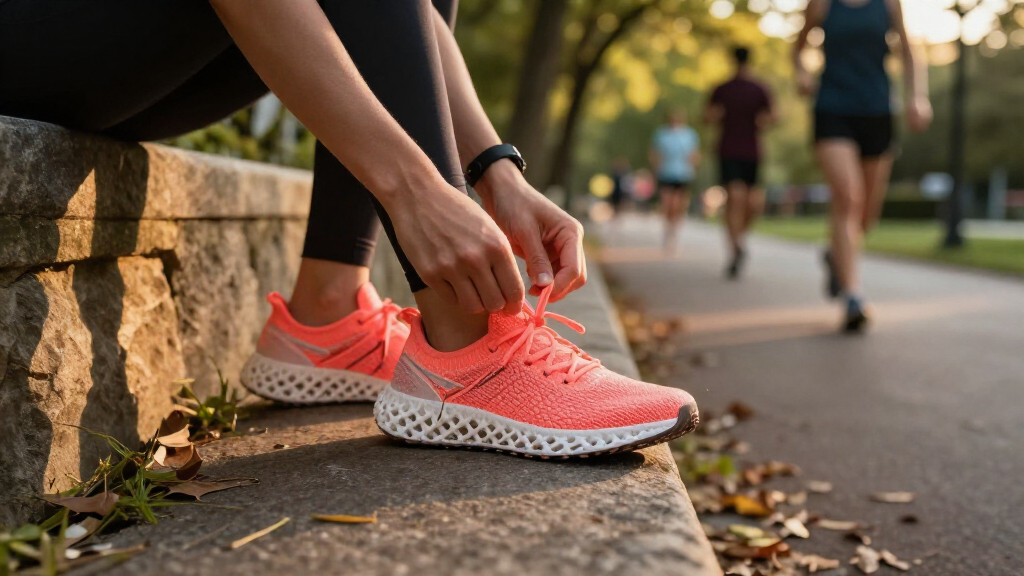
I ranked these products around the promise of 3D-printed running shoes, not around the presence of the words “3D printed” alone. That distinction matters because three entries are adidas shoes described for running, while the BIQU is a slip-on slide. I include it because the supplied details describe a printed lattice, but rank it separately in practical terms: it may interest someone seeking cushioned casual footwear, yet it does not meet the same use case as a running trainer.
For the running picks, I compared how clearly each listing explains the midsole, upper, closure, fit and outsole. These details help a shopper judge whether the shoe has a suitable structure for their needs, even though the supplied information does not establish pace, mileage, durability, support category or surface-specific performance. I gave the 4DFWD 2 the lead because its details cover more of the components that affect a decision, including its regular fit and named outsole. The 4D Run 1.0 follows for its clearly described printed lattice, cushioning and energy-return intent, with a contoured heel clip and Primeknit upper. The Fusio ranks after those options because its basic mesh and lace-up construction is clear, but its provided description offers less to distinguish it as a running choice.
I also considered listing clarity and meaningful tradeoffs. A product’s stated design intention is not proof of a particular result, so I describe cushioning, rebound and traction as intended characteristics rather than verified outcomes. Where the information is incomplete or inconsistent—such as the 4DFWD 2’s conflicting material labels—I call that out instead of filling gaps with assumptions. I do not treat the BIQU’s waterproof label or traction pattern as evidence that it is suitable for running; those claims need more detail before a buyer can rely on them for a specific activity.
| 3D printed running shoe | Category | Upper | Closure | Fabric type |
|---|---|---|---|---|
| adidas Women’s 4DFWD 2 Running | Women’s running shoes | PRIMEKNIT+ and engineered mesh | Lace-up | Synthetic and rubber, as listed |
| adidas 4D Run 1.0 Men’s Runnin | Men’s running shoes | adidas Primeknit textile | — | — |
| adidas Men’s 4D Fusio Shoes | Men’s shoes | Mesh | Lace | Synthetic and rubber |
| BIQU 3D-Printed Ergonomic Slid | Slip-on slide sandals | — | Slip-on | — |
Factors to Consider When Choosing Best 3D Printed Running Shoes
Before choosing a shoe because its midsole is printed, I would first decide whether the product is actually meant for running and what information I need to judge fit. In this set, the adidas models are the running candidates; the BIQU is a slide. The distinctions below help separate printed-midsole interest from practical running-shoe needs.
Start with the intended activity
A lattice structure does not make every piece of footwear a running shoe. The 4DFWD 2, 4D Run 1.0 and 4D Fusio are presented as running shoes or shoes in adidas’s 4D line. The BIQU is explicitly a slip-on slide. It may suit casual wear, but it lacks the stated running category and adjustable lace closure of the adidas models. I would rule it out immediately if I need a shoe for regular road or track runs.
Among the adidas options, the listings differ in how much they say about running use. The 4DFWD 2 gives a regular fit and named outsole. The Run 1.0 explains its printed lattice and design intent. The Fusio supplies basic upper, sole and closure details, but little about its midsole. A buyer who wants the most useful running-specific details should start with the first two rather than treating all three as interchangeable.
Decide which midsole information matters
The 4D Run 1.0 has the clearest description of its Digital Light Synthesis lattice midsole, including the stated aim of cushioning and energy return. That is helpful for someone comparing how the shoe is constructed, but it does not establish how the shoe will feel for an individual runner. The supplied 4DFWD 2 details place more emphasis on its upper, fit and outsole. For buyers weighing overall product information rather than a single technology description, that balance is why I rank it first.
The Fusio listing does not provide a comparable explanation of a printed midsole, so I would seek clarification before selecting it specifically for 3D-printed construction. The BIQU does describe a printed lattice, but its slide category makes it the wrong comparison for running performance. Keep construction claims separate from personal fit and running results: a feature description can explain what a design is intended to do without proving that it will suit your stride or routine.
Compare upper, closure and fit details
The 4DFWD 2 gives the most direct fit cue with its stated regular fit, and its lace-up closure allows adjustment. Its PRIMEKNIT+ and engineered-mesh upper details also help set expectations about the upper construction, though the conflicting material labels should be checked. The Run 1.0 lists Primeknit textile and a contoured heel clip intended to help hold the foot in place, but it does not provide a fit profile. The Fusio says mesh and lace closure, while leaving fit guidance unspecified.
When a listing leaves sizing unclear, use the current size chart and retailer fit information rather than guessing from a model name or another shoe in the lineup. Pay particular attention to the width and return policy if those details are available. For the BIQU, the lack of sizing guidance is more pronounced: its slip-on form offers no laces for adjustment, so a secure fit matters even for casual wear. I would not buy it for a long walk or other demanding use without clearer fit information.
Read outsole claims with care
The 4DFWD 2 is the only product here with a named Continental Rubber outsole. The Run 1.0 lists synthetic rubber, while the Fusio also lists a synthetic rubber sole. These material names provide a useful point of comparison, but the supplied descriptions do not provide surface tests, wet-weather advice or traction measurements. I would avoid assuming that one outsole is best for rain, trails or a particular pace based on the details provided.
The BIQU’s checkered sole is intended to improve slip resistance, but no performance figures are offered. Its waterproof label and drainage-oriented lattice description also call for care: drainage and waterproof claims may refer to different use conditions, and the listing does not explain how they relate. If reliable grip or water protection is important, seek specific current product guidance instead of relying on a pattern or a brief label.
Use the gaps in the listings as a decision filter
Each product has unresolved details. For the 4DFWD 2, the material labels conflict. For the Run 1.0, fit and surface guidance are missing. For the Fusio, the supplied details do not explain its 3D-printed midsole or running profile. For the BIQU, sizing and quantified traction are unavailable, and its role as a slide makes it unsuitable for a running-shoe purchase. These gaps are not evidence that a product will fail; they show where the available information cannot answer a buyer’s question.
I would shortlist the 4DFWD 2 for the clearest overall running specification, the Run 1.0 for the most explicit printed-lattice description and the Fusio only if its basic construction suits my needs after checking further details. The BIQU belongs on a separate casual-footwear list. Before ordering, verify the exact version, sizing information, material details and intended use for the product currently offered.
Frequently Asked Questions
Which product here is the best 3D-printed running shoe?
I rank the adidas Women’s 4DFWD 2 first for running because its supplied details include a stated regular fit, lace-up closure, PRIMEKNIT+ and engineered-mesh upper, and a Continental Rubber outsole. The adidas 4D Run 1.0 is a strong alternative if the clearest description of the printed lattice is your main priority. Neither listing provides every detail a runner may want, so check current fit and use guidance before choosing.
Is the BIQU slide suitable for running?
No. The BIQU is described as a slip-on slide, not a running shoe. Its lattice, cushioning intent and drainage-oriented design may appeal for casual wear, but the listing does not provide running-specific fit, support or performance information. For running, I would compare the three adidas options and treat the BIQU as a separate footwear category.
What makes the adidas 4D Run 1.0 different from the 4DFWD 2?
The 4D Run 1.0 listing gives the clearest account of its Digital Light Synthesis lattice midsole and says the design is intended for cushioning and energy return. The 4DFWD 2 listing supplies more information about fit, upper construction and outsole, including a regular fit and Continental Rubber. I would choose based on which information matters more to your decision, while confirming missing details for either model.
Does a 3D-printed lattice guarantee better cushioning or energy return?
No. A printed structure and its stated design goals explain how a product is presented, but they do not guarantee a particular feel or outcome for every runner. The Run 1.0 is described as designed for cushioning and energy return, and the BIQU’s lattice is described as intended for cushioning and rebound. Those are product intentions, not personalized results or independent performance evidence.
What should I check before ordering one of these shoes?
Check the current size chart, fit guidance, return terms, materials and intended running surface. The 4DFWD 2 has inconsistent material labels, the Run 1.0 lacks specific sizing and surface guidance, and the Fusio description leaves its midsole details unclear. For the BIQU, confirm fit and understand that it is a slide rather than a trainer. These checks help address gaps that the supplied descriptions do not resolve.
Conclusion
For the buyer who wants the strongest all-around running shortlist from these details, I recommend the adidas Women’s 4DFWD 2 because it provides the clearest fit and outsole information. Choose the adidas 4D Run 1.0 if a specifically described 3D-printed lattice is your main deciding factor and you are willing to verify fit and surface guidance. The adidas 4D Fusio suits shoppers who prefer a basic mesh-and-lace construction, but I would seek more detail before buying it expressly for its printed midsole. The BIQU is only for someone shopping for a casual lattice slide, not a running shoe. My final check would be the current product listing’s sizing, materials and intended-use details, since those are the main unanswered questions across this comparison.