When sourcing art and textiles ethically while traveling, focus on artisan markets that feature handmade items with stories behind them. Look for fair trade labels or vendors committed to fair wages and sustainable practices. Ask about the materials used and avoid mass-produced souvenirs. Building connections with local artisans deepens your understanding and ensures your purchases support their communities. If you want to learn more about making mindful, responsible choices, keep exploring how to shop ethically abroad.

Get your wardrobe favorites delivered free with Prime
- Fast, free delivery on millions of items
- Prime Video, Amazon Music and more included
- Member-only deals all year
Key Takeaways
- Focus on authentic artisan markets showcasing handmade textiles and artwork with clear stories behind their creation.
- Look for fair trade certification labels or signs indicating ethical sourcing and fair wages for artisans.
- Observe craftsmanship, materials, and techniques to ensure products are genuinely handcrafted and culturally significant.
- Support vendors committed to sustainable practices, using eco-friendly materials and environmentally conscious methods.
- Build genuine connections with artisans to understand their practices and promote cultural preservation through your purchases.
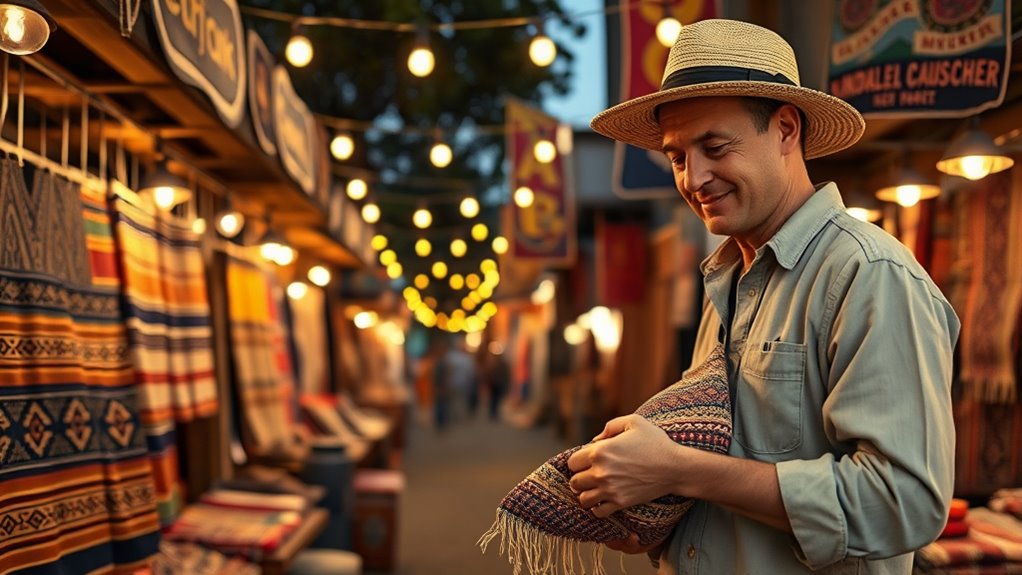
Traveling offers a unique chance to discover authentic art and textiles directly from their creators, but it’s important to do so ethically. When you explore local markets, especially artisan markets, you have the opportunity to support artisans who craft their work with care and cultural pride. These markets often feature handmade textiles, jewelry, and artwork that reflect the traditions and skills passed down through generations. To guarantee your purchases are ethical, look for vendors who participate in fair trade practices, which assure that artisans receive fair compensation for their efforts. Fair trade certification guarantees that the artisans benefit directly, rather than middlemen or large corporations, allowing you to make responsible choices that promote sustainable livelihoods.
As you wander through artisan markets, pay attention to how products are made and sold. Authentic artisans usually take pride in their work and are enthusiastic to share the stories behind their creations. When buying textiles, for instance, ask about the materials used, the techniques involved, and the cultural significance of the patterns. If vendors are open to sharing this information, it’s a good sign they’re committed to transparent and ethical practices. Avoid purchasing mass-produced items or those that seem to lack craftsmanship, as these often come from factories that underpay workers or exploit local resources.
Supporting fair trade artisans not only guarantees that your purchases are ethically sourced but also empowers local communities to thrive. Many artisan markets now partner with fair trade organizations or cooperatives, making it easier for travelers like you to identify sustainable options. Look for labels or signs indicating fair trade certification, which signals that the artisans have received fair wages and work under decent conditions. By choosing these products, you help preserve traditional crafts, promote economic independence, and foster cultural exchange.
Additionally, be mindful of the environmental impact of your purchases. Favor items made from sustainable or natural materials, and inquire about eco-friendly practices. Respect local customs and avoid pressuring vendors for discounts, as fair trade principles promote fair compensation over price bargaining. Remember, your goal is to build genuine connections with artisans, appreciate their craft, and ensure your travel supports their community. Ultimately, sourcing art and textiles ethically while traveling enriches your experience, deepens your understanding of local culture, and makes your contributions meaningful and positive. Incorporating sustainable and eco-friendly materials into your purchases further enhances your responsible travel practices, aligning with the principles of mindful living and environmental stewardship.
As an affiliate, we earn on qualifying purchases.
Frequently Asked Questions
How Can I Verify the Authenticity of Ethically Sourced Art?
You can verify the authenticity of ethically sourced art by checking its art provenance, which traces its history and ownership to guarantee it’s legitimate. Also, research the artist or community to confirm cultural sensitivity was respected during creation and sale. Ask for certificates of authenticity or documentation from reputable sources, and consult local experts or galleries familiar with ethical sourcing practices to avoid supporting exploitation or illegal trade.
Are There Specific Certifications to Look for in Ethical Textiles?
You should look for certifications like Fair Trade and Organic Certifications when sourcing ethical textiles. Fair Trade guarantees fair wages and safe working conditions, while Organic Certifications verify environmentally friendly farming practices. These labels help you confirm that the textiles meet ethical standards. Always check for official seals on product tags or packaging, and research the certifying organizations to ensure their credibility before making your purchase.
How Do I Avoid Supporting Illegal or Exploitative Art Markets?
You can avoid supporting illegal or exploitative art markets by prioritizing art market transparency and researching the artist’s background. Seek out reputable galleries and trusted sources that promote fair trade and cultural respect. Be cautious of purchases that seem overly cheap or lack provenance, as they may contribute to cultural exploitation. Trust your instincts, ask questions, and verify authenticity to guarantee your support fosters genuine artistry rather than perpetuating unethical practices.
What Are the Best Practices for Bargaining Ethically?
When bargaining ethically, you should prioritize cultural sensitivity by respecting local customs and traditions. Always aim for fair pricing that reflects the item’s value and artisans’ effort. Engage honestly and politely, avoiding pressure or haggling aggressively. Listen carefully to sellers, show appreciation for their work, and be transparent about your budget. This approach fosters mutual respect, supports ethical practices, and helps you build genuine connections with local artisans.
How Can I Ensure My Purchases Support Local Communities?
Sure, supporting local communities is as simple as buying their crafts, right? Well, it’s more than just a purchase. You should look for products with fair trade certification and engage with community involvement. By doing so, you guarantee your money genuinely benefits the artisans, preserving their culture and livelihood. Your responsible choices help build a sustainable economy, making your trip not just memorable, but meaningful for those who create the art and textiles.
Conclusion
By choosing to source ethical art and textiles during your travels, you support artisans and preserve cultural heritage. Every purchase becomes a meaningful connection, ensuring your journey leaves a positive impact. Will you let your travels be just about sights, or will you also embrace the stories and traditions woven into each piece? When you prioritize ethical sourcing, you turn your trip into a powerful act of respect and sustainability. Isn’t that the real beauty of exploring the world?
Fall Picks
fall essentials
As an affiliate, we earn on qualifying purchases.