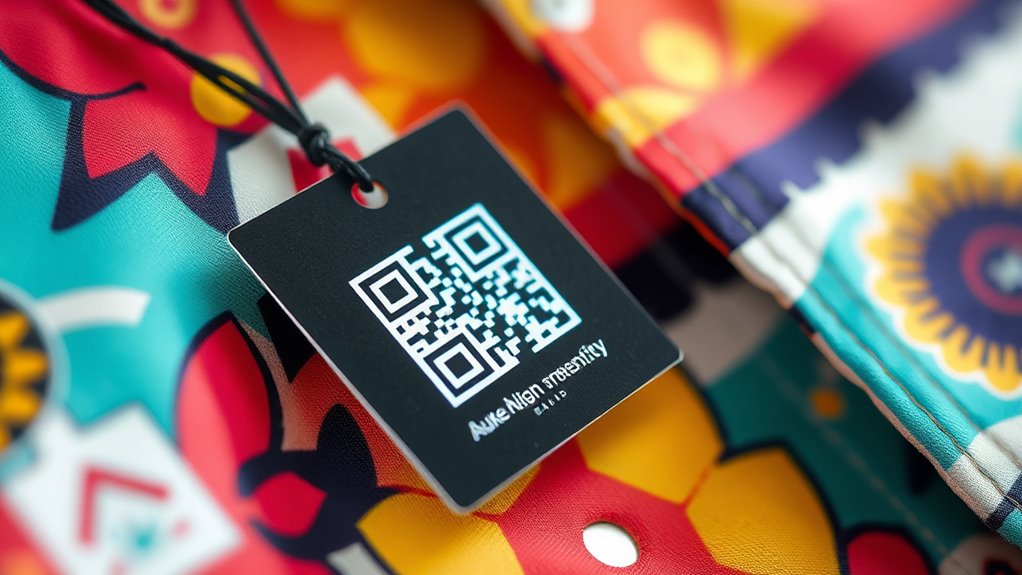

Digital product passports give you detailed info about your clothes’ origins, materials, and lifecycle, helping you make smarter, eco-friendly choices. By scanning a QR code or checking a digital profile, you can see where your clothes come from, how they’re made, and their environmental impact. This transparency encourages brands to improve practices and lets you decide based on sustainability and ethics. Keep exploring to discover how these passports can transform your wardrobe choices.

Get your wardrobe favorites delivered free — and shop member deals
- Fast, free delivery on millions of items
- Access to Prime Big Deal Days deals on October 6–7
- Prime Video, Amazon Music and more included
Key Takeaways
- Digital product passports provide detailed information about a garment’s origin, materials, and manufacturing process, promoting transparency.
- They empower consumers to make informed choices based on sustainability, ethical sourcing, and environmental impact.
- Passports encourage brands to adopt higher ethical standards and eco-friendly practices due to increased accountability.
- They assist in proper disposal, recycling, or upcycling, helping reduce waste and extend garment lifespan.
- Overall, they foster responsible consumption and support the transition toward a more sustainable fashion industry.

Have you ever wondered how companies track a product’s life cycle from manufacturing to disposal? With the rise of digital product passports, you now have a clearer window into the journey of your clothes. These digital records serve as a complete profile for each item, containing details about its origin, materials, and the processes it went through. This transparency empowers you as a consumer to make more informed decisions, especially when it comes to sustainability. Brands are increasingly adopting digital product passports to promote sustainable manufacturing practices. Instead of just focusing on aesthetics or price, they now highlight how their products are made, what materials are used, and whether those materials are ethically sourced or environmentally friendly. This shift encourages brands to adhere to higher standards and gives you confidence that you’re supporting companies committed to sustainability.
Digital product passports reveal your clothes’ journey, from origin to disposal, empowering sustainable and informed choices.
Consumer transparency is at the core of digital product passports. When you scan a QR code or access a digital profile, you get instant insights into the lifecycle of your clothes. You can see where the fabric was sourced, how it was produced, and its environmental impact. This level of transparency challenges fast fashion’s often opaque supply chain, where consumers rarely know the true story behind their purchases. Now, you’re better equipped to choose garments that align with your values, whether that means prioritizing eco-friendly materials, fair labor practices, or durability. Digital product passports aim to eliminate confusion and guesswork, giving you concrete data rather than vague promises. This increased transparency puts pressure on brands to improve their practices, knowing that consumers are paying attention and demanding accountability.
Moreover, digital product passports facilitate better decision-making when it’s time to dispose of or recycle your clothes. With detailed information about the materials and their recyclability, you can decide whether to donate, upcycle, or properly recycle your garments. This knowledge helps extend the lifespan of your clothes and reduces waste. As the fashion industry moves toward circular economy models, digital passports act as essential tools for tracking a product’s afterlife, ensuring materials are reused or disposed of responsibly. Transparency in supply chains is also promoted through these passports, fostering trust between consumers and brands.
In essence, digital product passports give you a more active role in the lifecycle of your clothes. By providing detailed, accessible information, they foster a culture of sustainability and transparency. You gain the power to support ethical brands, make eco-conscious choices, and participate in a more sustainable fashion ecosystem. This technology isn’t just about tracking; it’s about transforming how you relate to your clothes and encouraging a more responsible approach to consumption.
digital product passport for clothes
As an affiliate, we earn on qualifying purchases.
As an affiliate, we earn on qualifying purchases.
Frequently Asked Questions
How Secure Is My Personal Data in a Digital Product Passport?
Your personal data in a digital product passport is generally secure, thanks to strong security measures like encryption and access controls. However, it is crucial to stay informed about data privacy policies and ensure the platform you use follows best practices. While technology helps protect your information, always be cautious about sharing unnecessary details and regularly review privacy settings to maintain control over your data.
Will Digital Product Passports Increase the Cost of My Clothing?
It’s a mixed bag, but digital product passports might push up clothing costs a bit. The cost implications stem from increased manufacturing expenses, as brands invest in creating and maintaining these digital records. While some prices may rise, it’s often a small price to pay for transparency and sustainability. Ultimately, whether your clothes cost more depends on how brands balance these added expenses with other factors.
Can I Access a Digital Product Passport Offline?
You can’t typically access a digital product passport offline because it relies on online data, ensuring real-time updates and data security. To view essential details offline, some brands might provide downloadable summaries, but full access usually requires an internet connection. This setup helps protect your data from hacking or misuse, ensuring your information stays secure. So, while offline access is limited, digital passports prioritize data security and reliability.
How Do Digital Product Passports Impact Clothing Resale or Secondhand Markets?
Ever wonder how digital product passports influence secondhand markets? They boost resale value by providing transparency, making it easier to verify authenticity and track sustainability. You can confidently buy and sell pre-owned clothes, knowing their history and eco-impact. This encourages more sustainable shopping habits and reduces waste. With these passports, the secondhand market becomes more trustworthy, helping you make smarter, eco-conscious choices while giving your wardrobe a new lease on life.
Are Digital Product Passports Compatible Across Different Brands and Retailers?
Digital product passports are designed for brand interoperability and cross-platform compatibility, but they may not be fully compatible across all brands and retailers yet. You might find that some brands use different systems, making it tricky to access or transfer passport data seamlessly. As the technology evolves, expect greater compatibility, so your clothes can be tracked and verified more easily, regardless of where you shop or resell.
Conclusion
Imagine your favorite shirt telling you its whole story—from where the cotton grew to the ethical choices made along the way. Digital product passports do just that, giving you transparency and control over your clothes. They’re like a personal history book in your pocket, empowering you to make sustainable choices. As more brands adopt this technology, you’ll be able to shop confidently, knowing you’re supporting a more honest, eco-friendly fashion future.
Fall Picks
fall essentials
As an affiliate, we earn on qualifying purchases.