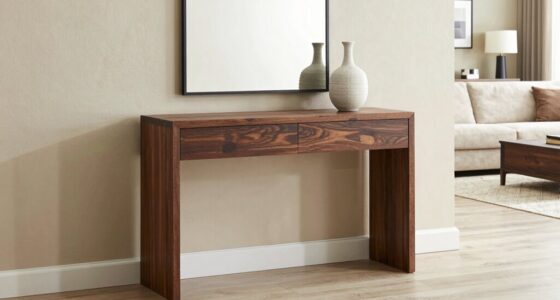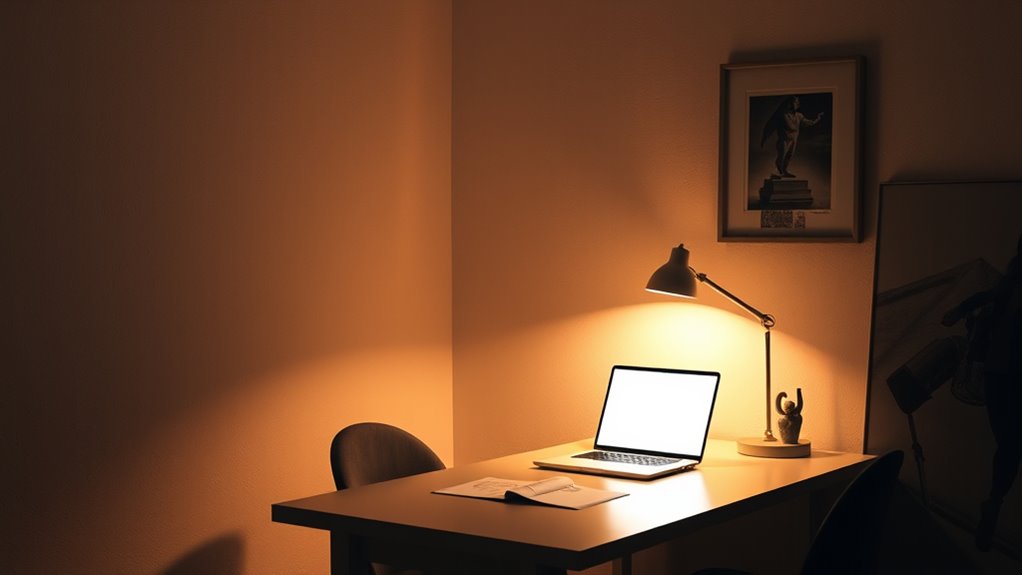

Lighting 101 involves understanding three key layers: ambient, task, and accent lighting. Ambient light provides overall brightness and sets the mood, while task lighting focuses on specific activities like reading or cooking. Accent lighting highlights features or artwork, adding depth to the space. Combining these layers carefully creates a balanced, functional, and inviting environment. To master how each type works together and makes your space shine, keep exploring for more tips.

Get your wardrobe favorites delivered free with Prime
- Fast, free delivery on millions of items
- Prime Video, Amazon Music and more included
- Member-only deals all year
Key Takeaways
- Ambient lighting provides general, soft illumination to create a welcoming atmosphere in a space.
- Task lighting focuses on specific areas to enhance functionality, such as reading or cooking tasks.
- Accent lighting highlights features like artwork or architectural details, adding visual interest.
- Combining all three layers ensures a balanced, practical, and aesthetically pleasing environment.
- Proper selection of fixtures and bulbs enhances the effectiveness of each lighting layer.
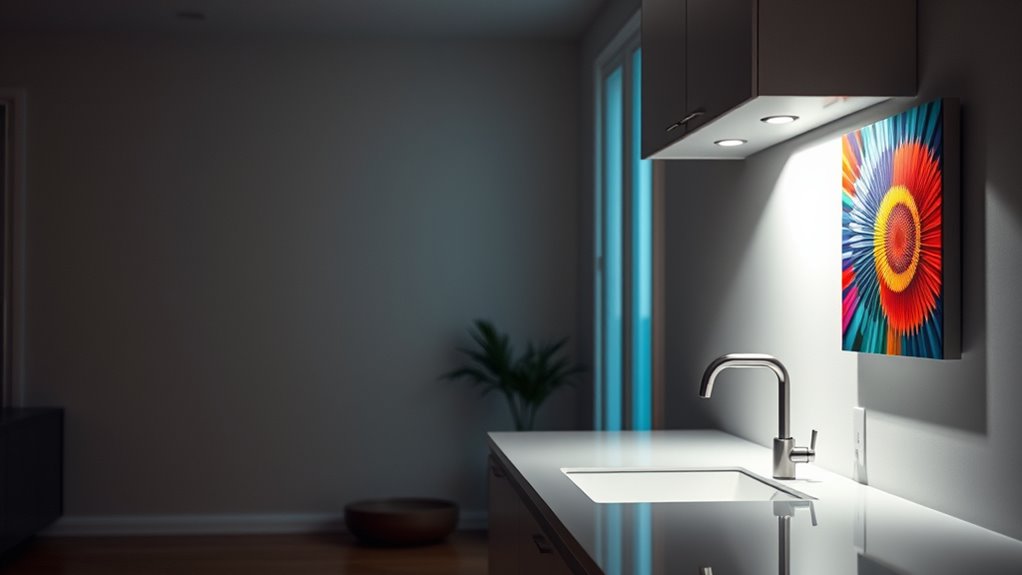
Have you ever wondered how lighting can transform a space? The right lighting setup sets the mood, highlights features, and makes your environment more functional. When you’re choosing your lights, understanding the different types of lighting—ambient, task, and accent—is essential. These layers work together to create a balanced atmosphere. A good starting point is to explore bulb types and fixture styles, as these elements considerably influence the overall effect. The variety of bulb types, such as LED, incandescent, halogen, and CFL, each offers distinct qualities like brightness, color temperature, and energy efficiency. LED bulbs, for example, are popular because they last longer and consume less power, while incandescent bulbs provide warmer tones ideal for cozy settings. Fixture styles also matter; from sleek modern designs to vintage-inspired fixtures, your choices can complement your decor and serve functional needs. For ambient lighting, you might opt for ceiling-mounted fixtures, recessed lights, or chandeliers that distribute soft, overall light throughout the room. These fixtures often come in various styles, so you can select something that matches your aesthetic while providing even illumination. Task lighting, on the other hand, is more focused and functional. Think about adjustable reading lamps, under-cabinet lights in kitchens, or desk lamps in a home office. When selecting fixture styles for task lighting, you want something that directs light precisely where you need it. Different bulb types can also influence the quality of task lighting; for instance, a bright, daylight LED bulb can mimic natural light, reducing eye strain during work or reading. Additionally, lighting design plays a crucial role in harmonizing all layers for a cohesive look. Accent lighting is designed to highlight specific features, such as artwork, architectural details, or decorative objects. Smaller fixtures like track lights, picture lights, or wall sconces are common choices. These fixtures often feature adjustable styles, allowing you to direct light exactly where you want it. Bulb types for accent lighting tend to favor warmer or cooler tones, depending on the desired effect, and dimmable options give you control over the mood. Combining these lighting layers thoughtfully can dramatically enhance your space. For example, a chandelier provides ambient light, a desk lamp supplies task lighting, and a wall sconce highlights artwork. Picking the right bulb types and fixture styles for each layer ensures not only a functional environment but also a visually appealing one. So, when planning your lighting, consider how each element works together and choose fixtures and bulbs that align with your style and needs. That way, you’ll create a well-lit space that feels inviting, practical, and uniquely yours.
As an affiliate, we earn on qualifying purchases.
Frequently Asked Questions
How Do I Choose the Right Lighting for Small Spaces?
To select the right lighting for small spaces, focus on creating a sense of openness and warmth. Use warm color temperature bulbs to make the room feel cozy, and place fixtures strategically to avoid clutter. Opt for wall sconces or compact fixtures that provide sufficient ambient light without overwhelming the space. Proper fixture placement guarantees balanced illumination, making your small room feel larger and more inviting.
What Are the Energy-Efficient Options for Ambient Lighting?
Like the wise owl in the night, you can choose energy-efficient ambient lighting by using LED bulbs, which consume less power and last longer. Solar lighting is another great option, harnessing sunlight during the day to illuminate your space at night. Both options reduce energy costs and environmental impact, making your small space both eco-friendly and beautifully lit. Embrace these solutions for a smarter, greener home.
How Can I Adjust Lighting to Reduce Eye Strain?
You can reduce eye strain by adjusting your lighting to minimize glare and setting your screen brightness to match your environment. Use glare reduction techniques like anti-reflective screens or reposition your light sources. Dim your ambient lighting if it’s too bright, and avoid harsh overhead lights. These steps help create a comfortable workspace, reducing eye fatigue and making it easier to focus on your screen for longer periods.
What Are Popular Trends in Accent Lighting Design?
You can create striking accent lighting by using LED fixtures with adjustable color accents. Popular trends include integrating RGB LED strips for dynamic color-changing effects and highlighting architectural features or artwork. Focus on sleek, minimalist fixtures that blend seamlessly into your space, and experiment with different color accents to set moods or enhance focal points. This approach offers flexibility, energy efficiency, and a modern touch to your interior design.
How Do I Integrate Smart Lighting Into My Home?
You can easily integrate smart lighting into your home by replacing regular bulbs with smart bulbs. These allow you to control your lighting via voice commands, making it simple to adjust brightness or color. Connect the bulbs to your smart home hub or app, then set up voice control through devices like Alexa or Google Assistant. This way, you enjoy seamless, hands-free lighting management for any room.
Conclusion
Understanding the differences between ambient, task, and accent lighting helps you create a perfect space. Did you know that good lighting can boost productivity by up to 30%? By choosing the right combination, you’ll not only enhance your home’s aesthetics but also improve your mood and efficiency. So, experiment with different lighting styles to find what truly makes your space shine. Remember, the right light can transform any room into a welcoming haven.
Fall Picks
fall essentials
As an affiliate, we earn on qualifying purchases.