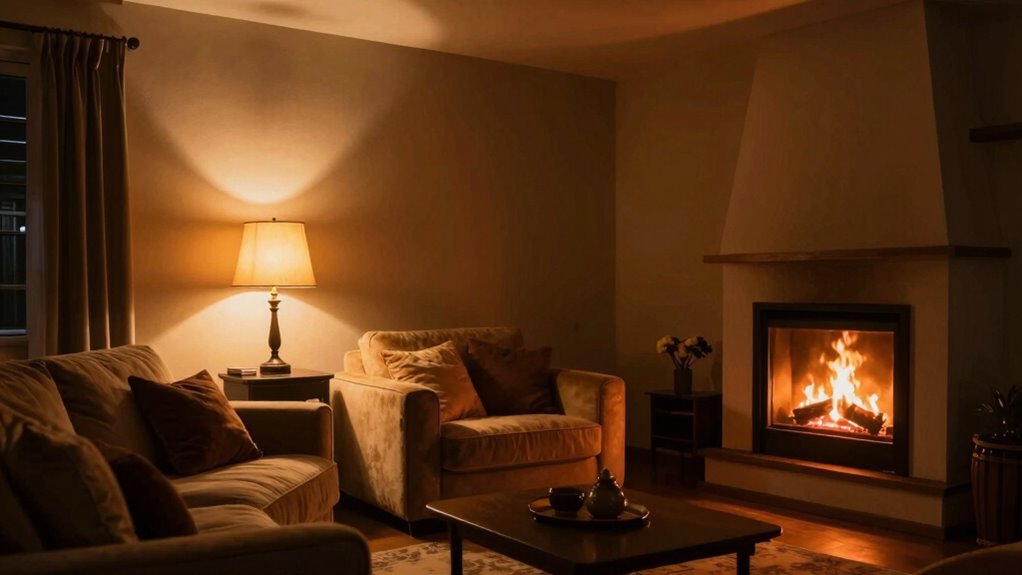

Layered lighting combines ambient, task, and accent lights to make your space cozy and functional. The key is balancing these three types—using warm bulbs and dimmers to create a soft, inviting glow while highlighting key features or areas. Proper placement and fixture choices help avoid harsh shadows and overly bright spots. If you want your room to feel warm, inviting, and perfectly lit, explore how to set up your ideal 3-light system for comfort and style.
Key Takeaways
- Layered lighting combines ambient, task, and accent lights to create a warm, inviting, and functional space.
- Start with ambient lighting for overall warmth, add task lights for specific activities, and use accent lights to highlight features.
- Use dimmable fixtures and warm bulbs (around 2700K) to adjust brightness and maintain a cozy atmosphere.
- Proper placement and balancing of light levels prevent harsh shadows and create visual harmony.
- Incorporate smart controls and adjustable fixtures for customizable, energy-efficient, and adaptable room lighting.
What Is Layered Lighting and Why It Matters in Your Home
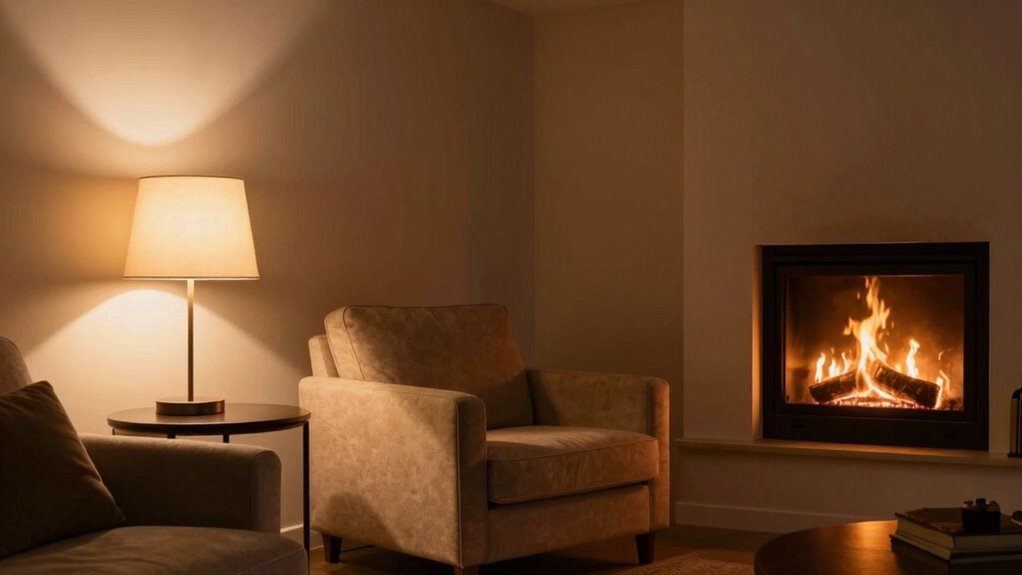
Layered lighting combines different types of illumination to create a balanced and functional space. It helps you set the right mood with an ambient glow while ensuring enough light for tasks. When you layer lighting, you avoid harsh shadows and overly bright spots, making your home more inviting and easier to navigate. Ambient lighting provides a soft, overall glow that warms the room, while task focus lighting highlights specific areas where you need more visibility, like a kitchen countertop or reading nook. By mixing these elements, you gain control over your environment, enhancing comfort and usability. Properly layered lighting transforms your space into a cozy, practical sanctuary. Additionally, understanding energy efficiency can help you choose lighting options that reduce power consumption while maintaining a warm ambiance. Incorporating layered lighting strategies can also help you achieve an even distribution of light, eliminating dark corners and creating a more harmonious environment. Exploring lighting placement can optimize how each light source works together for the best effect, and considering vetted lighting options ensures you select reliable and effective fixtures for your home.
The Three Types of Layered Lighting You Should Know
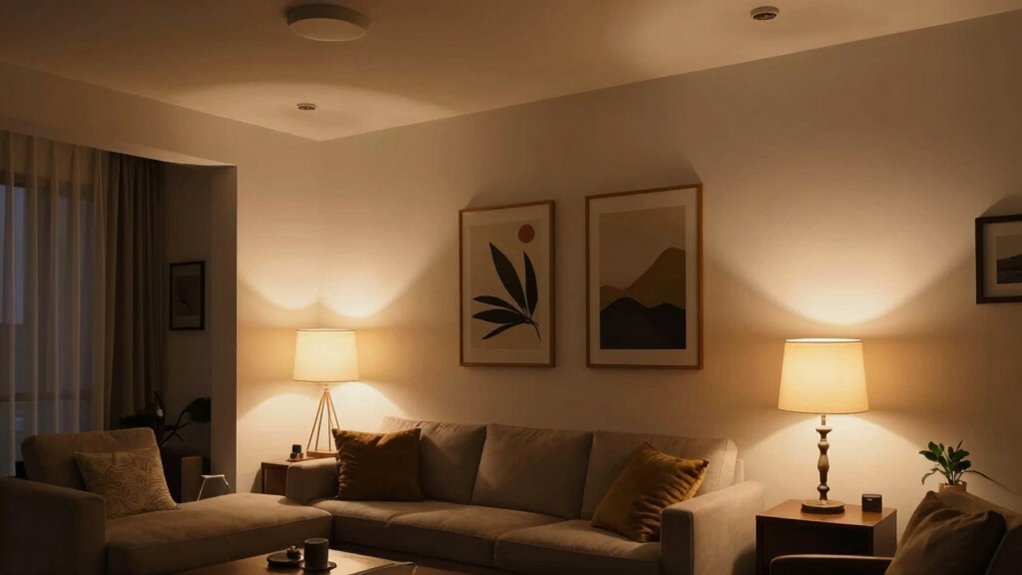
Understanding the three main types of lighting—ambient, task, and accent—can help you create a balanced and functional space. Ambient glow provides overall illumination, setting the mood and making your room inviting. Task lighting focuses on specific areas where you need bright, directed light for activities like reading or cooking. Accent accents add visual interest by highlighting artwork, architectural features, or decorative elements, creating depth and personality. Combining these three types guarantees your space feels cozy yet practical. Ambient lighting sets the foundation, while accent accents add layers of visual intrigue. Task lighting ensures you can perform activities comfortably. Proper lighting placement is essential for achieving the right balance and functionality in your room. Mastering these layers helps you craft a room that’s both warm and functional, perfect for any occasion.
How to Plan Your Room’s Layered Lighting for a Cozy Feel
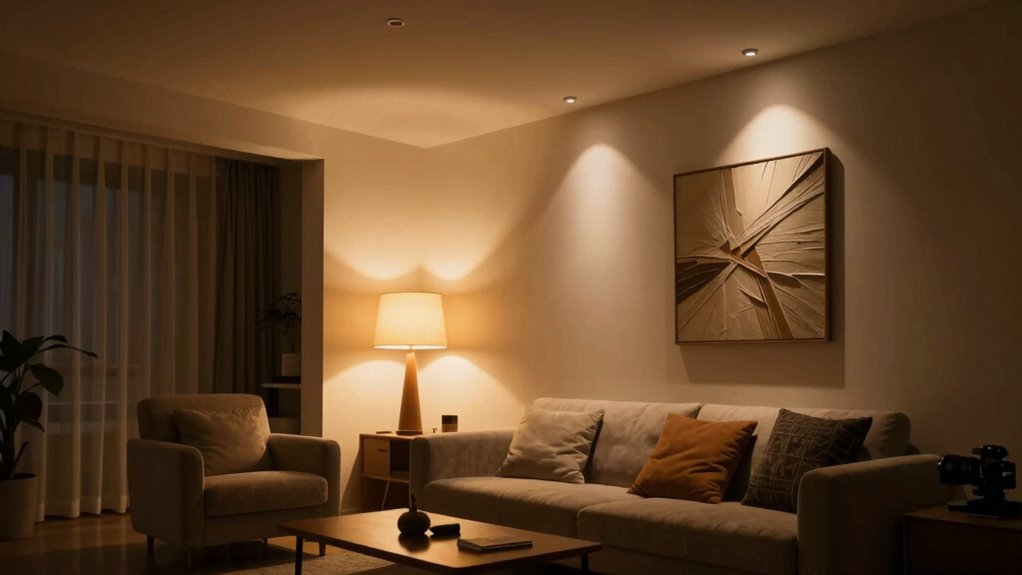
Creating a cozy room with layered lighting starts by planning how each type of light will work together to foster warmth and intimacy. Begin by establishing an ambient glow that softens the space and creates a welcoming atmosphere. This ambient lighting sets the mood and guarantees the room feels inviting. Next, identify key areas where task focus is essential, such as reading nooks or workspaces, and incorporate focused lighting to provide adequate illumination without overpowering the ambient glow. Consider the placement and brightness of each light to balance comfort and functionality. By thoughtfully combining ambient and task lighting, you create a layered effect that enhances coziness, making your room feel both intimate and practical. Proper planning ensures a harmonious, warm environment, especially when understanding lighting placement and how it affects room ambiance.
Choosing the Right Fixtures for Your Layered Lighting Setup
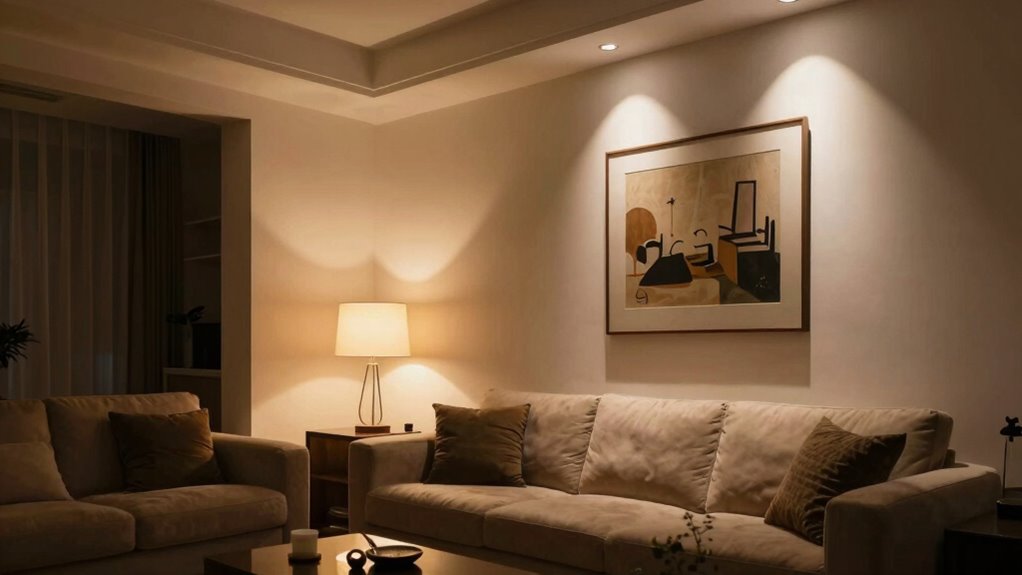
Choosing the right fixtures is essential for achieving a balanced layered lighting setup that complements your space. Start with versatile options like decorative fixtures, which add style and personality to your room. Chandeliers, sconces, or statement pendant lights can serve as your primary or accent pieces. Incorporate dimmer switches to give you control over light levels, allowing you to adjust brightness for different activities and moods. This flexibility helps create a cozy atmosphere and prevents over-illumination. Focus on selecting fixtures that suit your decor style while providing adequate light coverage. Avoid choosing overly bright or harsh fixtures that can disrupt the room’s ambiance. Thoughtfully combining decorative fixtures with dimmer switches ensures your layered lighting setup is both functional and inviting. Free floating can also influence fixture placement to enhance the overall ambiance and ensure lighting is evenly distributed throughout the room. Additionally, understanding lighting fundamentals can help you make more informed choices for your setup.
How to Balance Light Levels and Add Warmth Effectively
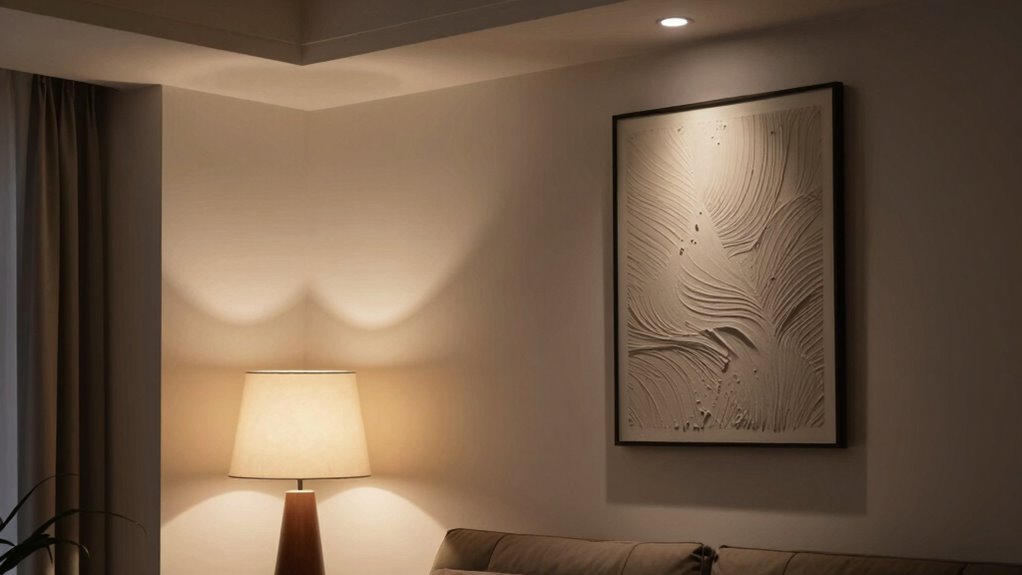
Ever wonder how to make your layered lighting feel both balanced and inviting? The key is mastering dimming techniques to control light levels without overpowering the space. Use dimmers on your main and ambient lights to adjust brightness, creating a warm, cozy atmosphere. Incorporate accent lighting strategically to highlight artwork, architectural features, or textured walls, adding depth and visual interest. Properly balancing these elements prevents harsh contrasts and ensures no area feels too bright or dim. Focus on warm bulb temperatures to enhance the cozy effect, and tweak dimmers as needed to achieve the perfect glow. Understanding lighting control techniques can help you fine-tune your setup for optimal comfort and ambiance. Additionally, integrating smart lighting systems can provide automated adjustments to match different times of day or activities, enhancing the overall layered lighting experience. Incorporating dimming controls can also make it easier to experiment with different light intensities to find the most inviting balance.
Common Mistakes to Avoid When Setting Up Layered Lighting

When setting up layered lighting, it’s easy to overlook common pitfalls that can undermine the overall effect. One mistake is relying solely on overhead fixtures without considering their placement and brightness. This can create harsh shadows or uneven lighting. Another trap is neglecting dimming switches, which are essential for adjusting light levels and creating ambiance. Without them, you lose flexibility and can end up with rooms that are either too bright or too dim. Additionally, improper lighting placement can lead to areas that are poorly lit or overly illuminated, disrupting the balanced atmosphere you aim to achieve. To avoid these issues, carefully plan your layered lighting layout to ensure a harmonious and functional lighting design. Incorporating lighting controls such as dimmers can significantly enhance your ability to customize the ambiance and adapt to different activities or moods. Paying attention to lighting zones within a room can also help you target specific areas for task or accent lighting, improving both functionality and aesthetics. Properly considering lighting techniques during setup can further prevent uneven illumination and ensure a cohesive look.
Creative Ideas for Using the 3-Light Setup in Different Rooms
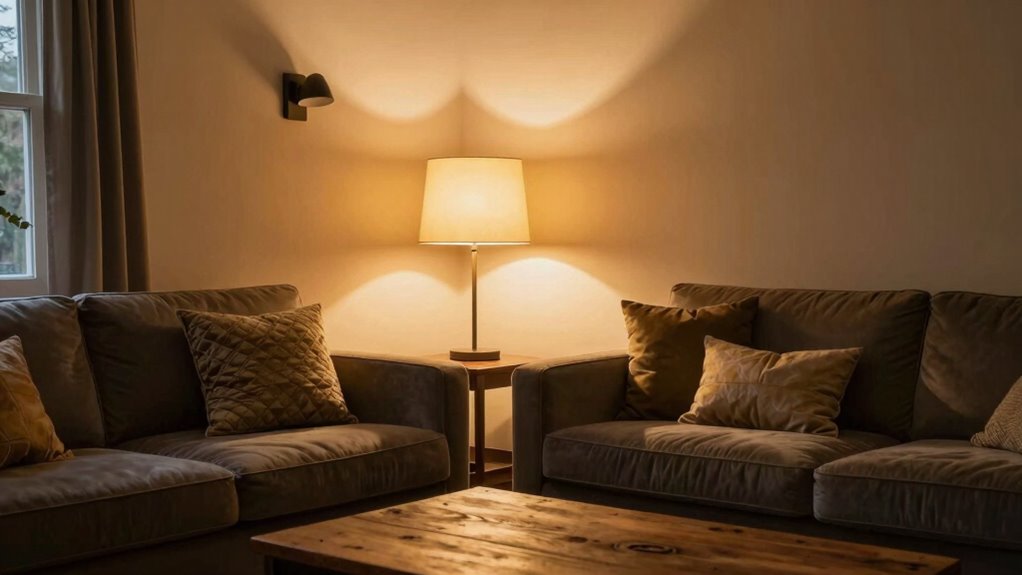
A well-designed 3-light setup can transform the look and feel of any room by balancing functionality and ambiance. In living rooms, use decorative accents like adjustable fixtures or stylish bulbs to add personality while highlighting artwork or architectural features. In kitchens, focus on energy efficiency by choosing LED bulbs that provide bright, task-oriented lighting without increasing your energy bill. Incorporating layered lighting design can further elevate your space by adding depth and versatility. For bedrooms, consider placing accent lights to emphasize cozy corners or decorative accents, creating a warm, inviting atmosphere. Incorporating attention to detail can further elevate your space by adding depth and versatility. In bathrooms, layered lighting enhances both practicality and style—use dimmable lights for relaxation and brighter options for grooming. Additionally, understanding lighting layering techniques can help you create more dynamic and adaptable environments—no matter the room, a thoughtfully arranged 3-light setup enhances decor and mood, proving that good lighting is both functional and visually appealing. Moreover, paying attention to zodiac traits and personalities can inspire personalized lighting choices that reflect individual styles and atmospheres.
How to Adjust Your Lighting for Different Moods and Activities
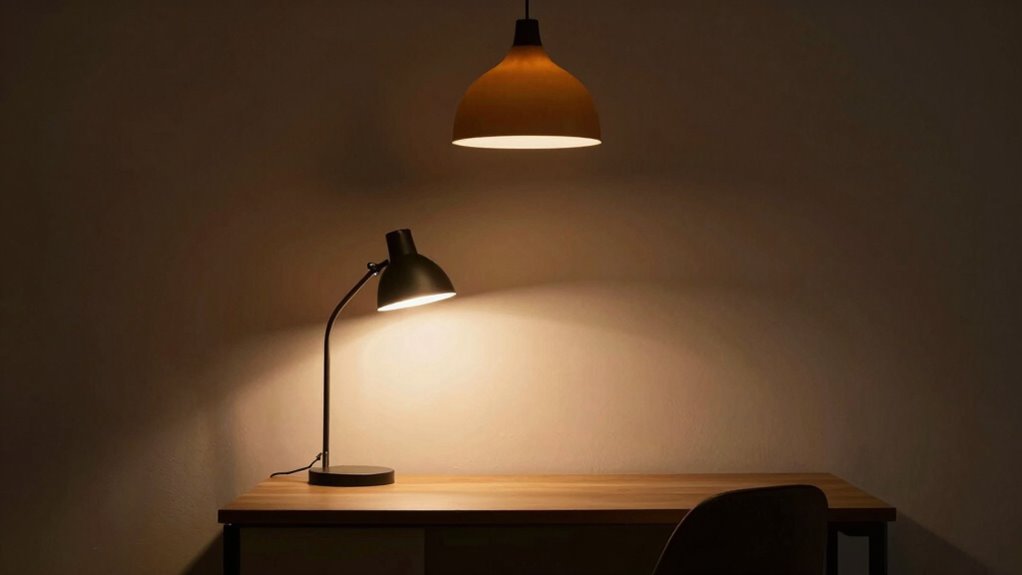
To set the right mood or support your activity, start by adjusting the brightness levels so the space feels comfortable and functional. Next, choose the appropriate color temperature—warmer tones create cozy atmospheres, while cooler tones energize the room. By fine-tuning these elements, you can effortlessly create the perfect lighting for any occasion. Additionally, understanding digital safety can help you select lighting solutions that protect your devices and personal information.
Brightness Levels Adjustment
Adjusting your lighting levels is essential for setting the right mood and supporting different activities. Dimming switches make it easy to control brightness, allowing you to create the perfect atmosphere. Divide your space into brightness zones, such as a cozy reading corner or a bright workspace, and tailor each zone’s light intensity accordingly. For relaxing evenings, lower the light levels to create a warm, inviting environment. When hosting guests or working on projects, increase the brightness to keep the space functional. Use dimmers to smoothly _shift_ between different lighting needs without hassle. This flexibility helps you adapt your room’s ambiance quickly, ensuring your lighting always complements your mood and activity. Proper brightness adjustment enhances comfort and functionality in any room.
Color Temperature Choices
Choosing the right color temperature for your lighting can dramatically influence the mood and functionality of a space. Cooler temperatures (around 5000K) create a bright, energizing lighting ambiance perfect for tasks or kitchens. Warmer temperatures (around 2700K) generate a cozy, inviting atmosphere ideal for relaxation or dining. The table below helps you select the ideal color temperature based on activity:
| Activity | Recommended Color Temperature | Lighting Ambiance |
|---|---|---|
| Reading or working | 4000K – 5000K | Bright, focused |
| Relaxing or dining | 2700K – 3000K | Warm, cozy |
| Creating ambiance | 2000K – 2700K | Soft, intimate |
Adjusting color temperature allows you to craft the perfect lighting ambiance for any activity or mood.
Quick Tips to Make Your Space More Comfortable With Layered Lighting
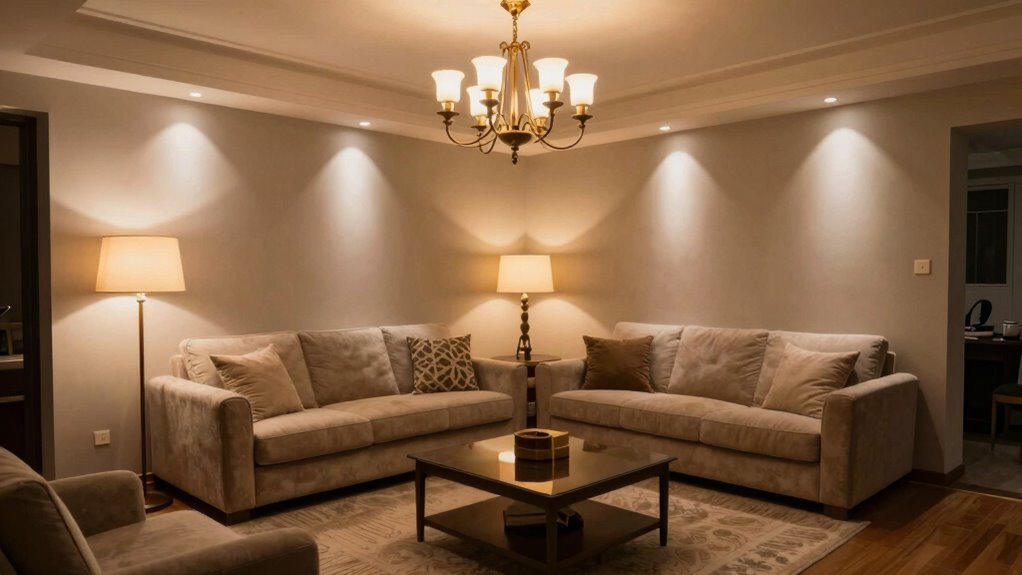
Incorporating layered lighting can instantly boost your comfort by creating a balanced, inviting atmosphere. To achieve this, use decorative fixtures that add style while providing soft, diffuse light. Avoid harsh glare by mixing different light sources at varying heights and intensities. Installing smart controls makes it easy to adjust lighting to suit your mood and activities, enhancing coziness without hassle. Dimmer switches allow you to fine-tune brightness levels, making spaces feel more relaxing. Focus on warm color temperatures to foster a welcoming vibe. Incorporating lighting controls and adjustable features helps you customize your environment effortlessly. Combining these tips, you can effortlessly transform any room into a cozy retreat. Remember, the key is balance—layered lighting should complement your space without overwhelming it, giving you full control over your comfort level. Understanding indoor air quality can help you select lighting options that also support a healthier, more comfortable environment. Incorporating quality lighting fixtures can further elevate your space’s ambiance and durability.
Frequently Asked Questions
How Do I Choose the Best Bulbs for Layered Lighting?
To choose the best bulbs for layered lighting, consider bulb color and wattage. Opt for warm white bulbs to create a cozy atmosphere, and select bulbs with appropriate wattage for each fixture—lower wattage for ambient lighting, higher for task lighting. Avoid overly bright bulbs that can harshen the space. Balancing bulb color and wattage helps you achieve inviting, functional layered lighting that enhances any room’s mood.
Can Layered Lighting Help Reduce Energy Costs?
Yes, layered lighting can help reduce energy costs by allowing you to use energy-efficient bulbs and control each layer independently. You can turn off or dim certain lights when full illumination isn’t needed, maximizing energy savings. This targeted approach not only enhances the room’s ambiance but also promotes cost reduction, making your lighting more sustainable and economical over time.
What Are the Best Placement Tips for a 3-Light Setup?
Did you know proper fixture placement can cut lighting costs by up to 20%? When placing your 3-light setup, start with the focal point, like a seating area or artwork. Keep spacing considerations in mind—spread fixtures evenly to avoid dark spots and guarantee balanced illumination. Position the primary light slightly above eye level, and use smaller fixtures for accent lighting to create a cozy, well-lit space.
How Do I Incorporate Dimming Controls Effectively?
You should incorporate dimming controls by installing smart switches in each lighting zone, giving you easy control over brightness levels. This allows you to create the perfect ambiance for any occasion. Use dimmers on main and accent lights to adjust lighting smoothly, and group zones for simultaneous control. With smart switches, you can even set schedules or control your lighting remotely, making your space more versatile and cozy.
Is Layered Lighting Suitable for Small Rooms?
Layered lighting works well in small rooms because you can use compact fixtures to avoid clutter and create a cozy feel. By mixing ambient, task, and accent lighting, you add depth and flexibility. Adjust the color temperature to match your mood—warm tones make the space inviting, while cooler tones keep it bright and functional. This approach maximizes your small room’s potential without overwhelming the space.
Conclusion
With layered lighting, you’re the artist shaping the mood of your home’s canvas. Think of it as tuning the strings of a cozy melody, where each light plays a part in creating warmth and comfort. When you balance and blend your fixtures, your space transforms into a welcoming haven — a soft glow that invites relaxation and intimacy. Embrace these tips, and watch your rooms come alive with a warm, enchanting glow.