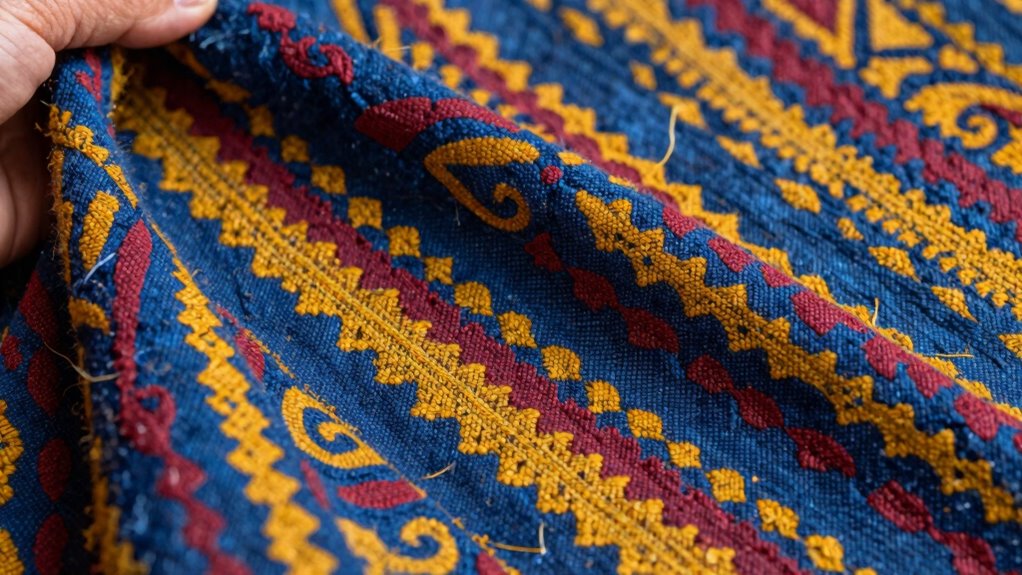

You’re drawn to natural dyes because they connect fashion with sustainability, culture, and craftsmanship. These dyes come from renewable resources, reducing environmental harm and promoting eco-friendly practices. They also offer a rich, nuanced palette that synthetic dyes can’t match, adding authenticity and character to garments. Wearing pieces dyed naturally celebrates tradition while supporting ethical choices. If you continue exploring, you’ll discover how natural dyes blend history with innovation, making them a lasting fascination in modern style.
Key Takeaways
- Natural dyes preserve cultural heritage and traditional craftsmanship, connecting modern fashion to historical artistry.
- They offer unique, nuanced colors that develop depth and individuality in each piece.
- Eco-friendly and sustainable, natural dyes reduce chemical runoff and conserve resources.
- They support ethical practices, promoting environmental responsibility and cultural diversity.
- Advances in research expand color palettes, keeping natural dyes innovative and relevant today.
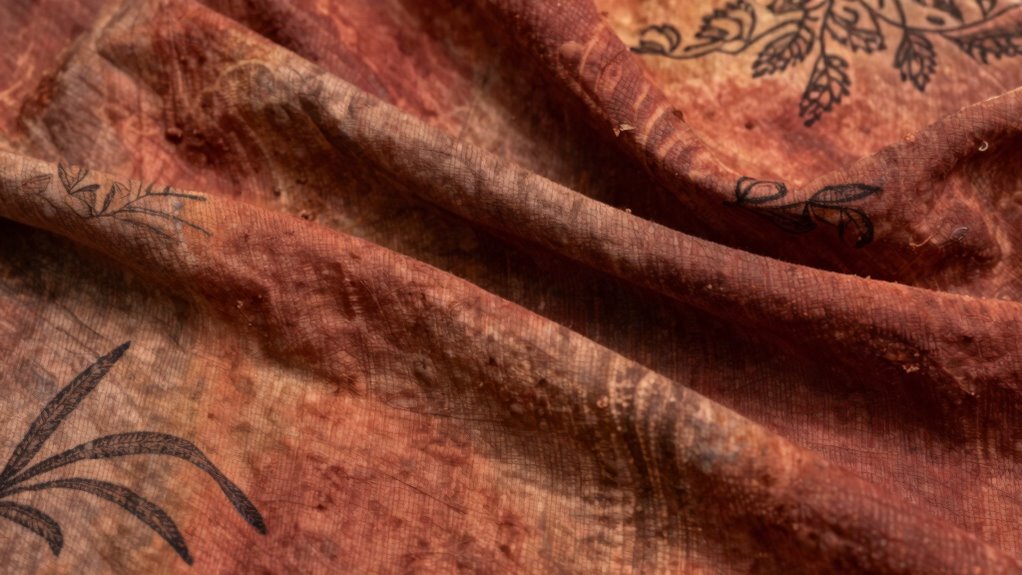
As sustainable fashion gains momentum, natural dyes are making a vibrant comeback in modern design. You might wonder why these ancient coloring techniques continue to captivate designers and consumers alike. One key reason is their deep historical significance. For centuries, cultures around the world relied on plant-based dyes to create textiles that told stories, marked social status, or held spiritual meaning. From the indigo hues of West Africa to the rich reds extracted from madder roots in Asia, these dyes carried cultural identities that still resonate today. By incorporating natural dyes into contemporary fashion, you connect your wardrobe to a rich tradition of craftsmanship and storytelling, honoring the skills of artisans who perfected these methods long before synthetic dyes appeared.
Beyond their cultural importance, natural dyes also offer significant environmental benefits that appeal to eco-conscious consumers like you. Unlike synthetic dyes, which often rely on toxic chemicals, natural dyes are derived from renewable resources such as plants, minerals, and insects. This means you reduce your exposure to harmful substances that can pollute waterways and harm ecosystems during the manufacturing process. Additionally, natural dyeing typically requires less energy and water, making it a more sustainable option overall. When you choose garments dyed with natural pigments, you’re supporting practices that minimize environmental impact, promoting a healthier planet for future generations. Environmental impact is a crucial factor driving the shift towards these eco-friendly practices. Using natural dyes also helps preserve traditional craftsmanship techniques that might otherwise be lost in the face of industrialization. Incorporating these methods supports the preservation of traditional knowledge, which is essential for maintaining cultural diversity in fashion. Moreover, advancements in research are leading to innovative plant-based dyes, expanding the color options available and further enhancing sustainability.
Another aspect that keeps natural dyes relevant today is their unique aesthetic appeal. You’ll notice that natural dyes often produce subtle, nuanced shades that can’t be perfectly replicated with synthetic alternatives. These variations give each piece a one-of-a-kind quality, adding depth and character to your wardrobe. As designers seek authenticity and individuality, natural dyes provide a rich palette that evolves with each batch, offering you garments that feel more personal and meaningful. Plus, as research advances, new plant-based dyes are emerging, expanding the spectrum of colors and allowing you to experiment with hues that are both beautiful and sustainable.
Incorporating natural dyes into modern fashion is also a statement of values. By choosing garments colored with these traditional methods, you demonstrate a commitment to environmental responsibility and cultural preservation. It’s a way for you to express your style while supporting ethical practices and sustainable innovation. As awareness of the environmental impact of synthetic dyes grows, more brands are turning to natural dyeing techniques to meet consumer demand. Whether you’re drawn to their history, their eco-friendly advantages, or their distinctive look, natural dyes continue to fascinate because they blend beauty, tradition, and sustainability into every thread. They remind you that fashion doesn’t have to come at the expense of the planet or cultural heritage—it can celebrate both.
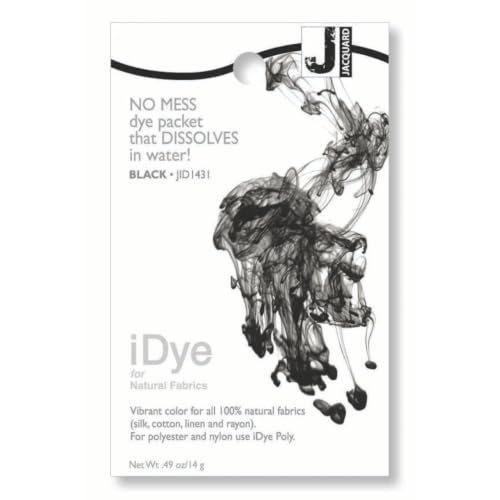
Jacquard iDye for Natural Fabrics, No Mess Fabric Dye for Cotton, Linen, Silk, Rayon & Viscose, Washing Machine or Stovetop Dye for Clothing Restoration, Shibori & DIY Projects, Black 14g
- No Mess Dissolvable Packet: Easy to use, no spills or measuring
- Versatile Dyeing Options: Use in washing machine or stovetop
- Suitable for Natural Fabrics: Ideal for cotton, linen, silk, rayon, viscose
As an affiliate, we earn on qualifying purchases.
As an affiliate, we earn on qualifying purchases.
Frequently Asked Questions
Are Natural Dyes More Sustainable Than Synthetic Dyes?
Yes, natural dyes are generally more sustainable than synthetic dyes because they serve as eco-friendly alternatives that reduce pollution and energy consumption. You’ll appreciate their cultural significance, as they often connect to traditional practices and local ecosystems. By choosing natural dyes, you support environmentally conscious fashion and preserve cultural heritage, making your choices more meaningful and sustainable for the planet and communities alike.
How Long Do Natural Dyes Typically Last on Fabrics?
Natural dyes typically last on fabrics for about 4 to 6 washes, but their dye longevity varies depending on the dye type and fabric. You might notice some colorfastness issues over time, especially with brighter or more delicate shades. To extend the life of your naturally dyed textiles, wash them gently in cold water and avoid harsh detergents. Proper care can help maintain vibrant colors and reduce fading.
Can Natural Dyes Be Used for All Types of Textiles?
You can use natural dyes on many textiles, but some materials respond better than others. Plant-based pigments work well with natural fibers like cotton, linen, and wool, providing vibrant, eco-friendly results. To guarantee durability, you’ll want to use eco-friendly mordants, which help fix the dye and improve color fastness. However, synthetic fabrics or those with special finishes might not absorb natural dyes effectively, so testing first is always a good idea.
What Are the Main Challenges in Producing Natural Dyes at Scale?
The main challenges in producing natural dyes at scale include ensuring consistent dye extraction and achieving reliable color fastness. You face difficulties in sourcing quality raw materials consistently, which affects dye strength and hue. Additionally, natural dyes often fade faster than synthetic ones, so you need to develop methods to improve color fastness. Scaling up also requires sustainable harvesting practices, balancing environmental impact with production demands.
Are Natural Dyes Allergy-Safe for Sensitive Skin?
Natural dyes can be allergy-safe for sensitive skin, but it depends on the source and individual reactions. If you’re concerned about skin sensitivity, allergy prevention measures like patch testing are essential. While many natural dyes are gentle, some plant-based colors may trigger allergies in sensitive individuals. Always choose dyes known for their hypoallergenic properties, and consult a dermatologist if you have a history of skin reactions.
Conclusion
While synthetic dyes flood your wardrobe with endless shades, it’s the natural dyes that truly connect you to tradition, nature, and sustainability. Amidst the fast-paced, mass-produced fashion world, they remind you of a time when colors carried stories and meaning. Choosing natural dyes isn’t just about style—it’s about making a conscious choice to honor the earth. In a sea of sameness, natural dyes stand out, inviting you to wear history and harmony every day.