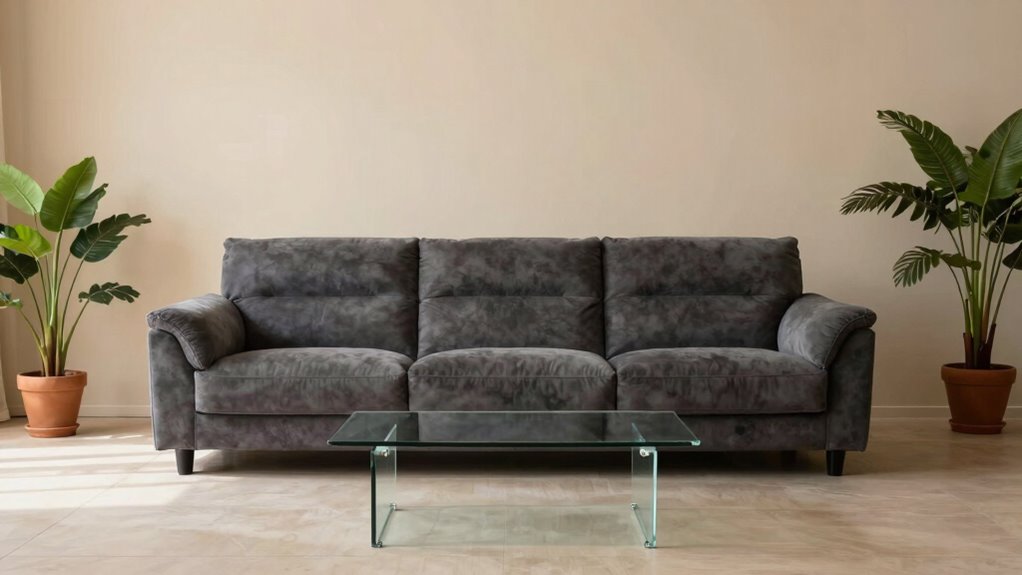
The furniture spacing rule that consistently saves layouts is to leave enough space between pieces for both comfort and flow—about 18 to 24 inches between your sofa and coffee table, and roughly 36 inches between seating spots for conversation. This prevents overcrowding and makes the room feel open and inviting. Proper spacing enhances natural movement, complements color schemes, and maximizes lighting. Stick to these guidelines, and you’ll create a balanced, stylish space that’s both functional and cozy—plus, there’s more to discover to perfect your setup.

Get your wardrobe favorites delivered free with Prime
- Fast, free delivery on millions of items
- Prime Video, Amazon Music and more included
- Member-only deals all year
Key Takeaways
- Maintain 18-24 inches between seating and coffee tables for comfort and easy movement.
- Keep approximately 36 inches between seating pieces to promote conversation and flow.
- Use proper spacing to balance room openness and prevent overcrowding or emptiness.
- Align furniture placement with lighting to enhance depth, brightness, and overall ambiance.
- Focus on giving each piece enough space to breathe, creating harmony and visual appeal.
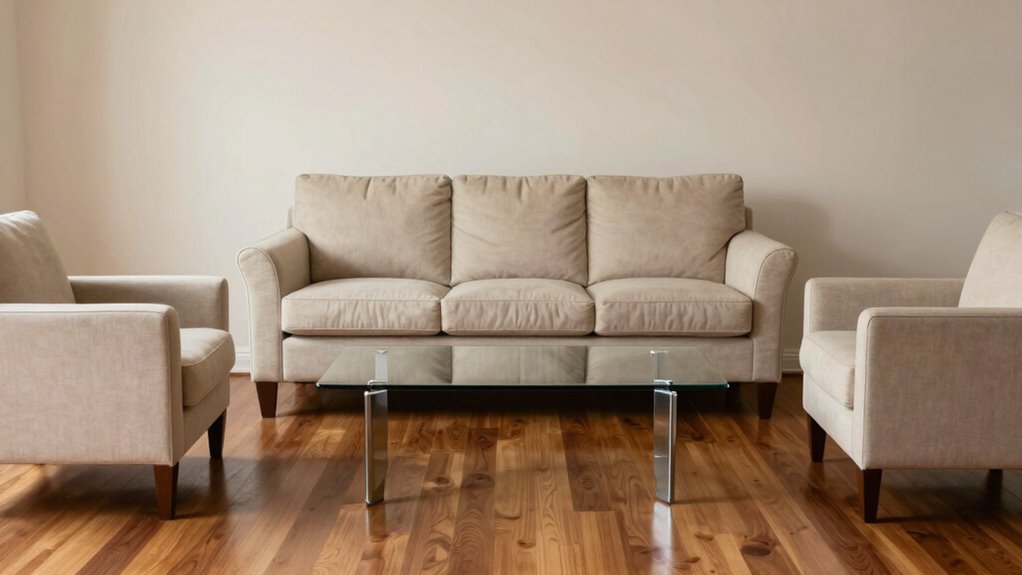
Ever wondered how to make your space look balanced and comfortable? The answer often lies in understanding the furniture spacing rule, a simple yet powerful guideline that can transform any room. When arranging furniture, it’s essential to give each piece enough room to breathe without making the space feel sparse or cluttered. This balance is key to creating a welcoming environment where movement feels natural and each element complements the others. One of the tricks is to contemplate the overall color schemes and lighting options in your room. These factors influence how spacious or cozy your space feels, so they should work hand-in-hand with your furniture placement. Additionally, considering room proportions can help ensure your layout remains harmonious and visually appealing.
Your furniture should be spaced in a way that encourages conversation and ease of movement. For example, in a living room, a good rule of thumb is to leave about 18 to 24 inches between the sofa and coffee table, giving enough space for your legs and for people to walk comfortably. When arranging chairs and sofas, aim for a distance of roughly 36 inches between seating pieces to foster conversation without making the area feel cramped. This spacing not only makes your room more functional but also visually appealing, especially when you consider the room’s color schemes. Lighter, neutral tones tend to make a space feel larger, so maintaining proper furniture spacing enhances that effect, preventing the room from appearing overcrowded. Proper furniture arrangement is also crucial for creating a balanced look that feels natural and inviting.
Lighting options also play a significant role in how effectively your furniture spacing works. Well-placed lighting, such as floor lamps or wall sconces, can draw attention to open spaces and create a sense of depth. When you space furniture thoughtfully, it allows light to disperse evenly across the room, avoiding dark corners or overly bright spots that can distort your perception of space. Creating visual balance through proper spacing helps to maximize the impact of your lighting choices and make the room feel more inviting. You want to avoid overcrowding furniture in a way that blocks natural light or makes the room feel closed in. Instead, leave enough space so light can flow freely, highlighting your well-chosen color schemes and making the room feel airy and inviting.
In essence, the furniture spacing rule is about finding harmony. It’s a simple concept: give each piece enough space to breathe, but not so much that the room feels disconnected. When you combine this with mindful choices of color schemes and lighting options, you create a space that’s both functional and aesthetically pleasing. This rule is your secret weapon for saving layout mistakes and crafting rooms that feel balanced, cozy, and effortless to enjoy.
Popular right now

LG C2 Series 65-Inch OLED evo 4K Smart TV (OLED65C2PUA, 2022)

Breville BES870XL Barista Express Espresso Machine, Brushed Stainless Steel

Vitamix Propel Series 750 Professional-Grade Blender, 4 Programs, Black
As an affiliate, we earn on qualifying purchases.
Frequently Asked Questions
How Do You Measure Optimal Furniture Spacing in Irregular Room Shapes?
To measure ideal furniture spacing in irregular rooms, start by sketching the space and marking key areas. Use painter’s tape or string to visualize pathways, ensuring you maintain clear walkways for functionality and flow. Focus on creating artistic layouts that emphasize visual balance, balancing furniture pieces proportionally. Keep in mind that spacing should feel natural, not cramped, and allow for comfortable movement, transforming irregular shapes into harmonious, inviting environments.
Does Furniture Spacing Differ Between Small and Large Rooms?
Yes, furniture spacing varies between small and large rooms. In smaller spaces, you should focus on furniture scale and room proportions to prevent clutter, leaving enough space for movement. Larger rooms allow for more generous spacing, emphasizing balance and functionality. Always consider how furniture size relates to the room’s dimensions, ensuring pieces complement each other and maintain proper flow, which enhances both comfort and visual harmony.
What Are Common Mistakes to Avoid With Furniture Spacing?
Don’t let your furniture crowd the room or appear out of proportion. It’s easy to fall into the trap of ignoring furniture proportions or mismatching design styles, which can throw off the entire vibe. Always measure your space carefully and leave enough room for movement. A common mistake is placing furniture too close or too far apart, so aim for a balanced flow that complements your style and keeps the space functional.
How Does Furniture Placement Impact Room Functionality?
Furniture placement directly impacts room functionality by influencing decor aesthetics and color coordination. When you position furniture thoughtfully, it creates a balanced flow that makes the space more inviting and practical. Proper placement allows for easy movement, enhances the room’s visual appeal, and guarantees your decor choices, like color schemes, complement each other. This harmony boosts both comfort and style, making your room more enjoyable and efficient to use.
Are There Specific Guidelines for Spacing Around Different Furniture Types?
Think of your space as a stage for artistic arrangements, where proper spacing creates harmony. For vintage styles, leave about 18-24 inches around sofas for comfortable movement, while dining tables need 36 inches for chairs to slide out easily. Chairs should be spaced 24-30 inches apart, ensuring ease without clutter. Following these guidelines helps your vintage-inspired or artistic setups stay functional and visually appealing, like a well-curated gallery.
Conclusion
By following this furniture spacing rule, you’re crafting a layout that feels like a well-choreographed dance—effortless and inviting. Think of it as giving your furniture room to breathe, ensuring each piece has its moment to shine without crowding or clashing. Stick to this simple guideline, and your space will always feel balanced and welcoming, like a harmonious melody. It’s a small rule with the power to transform chaos into comfort every single time.