
TL;DR

Get your wardrobe favorites delivered free — and shop member deals
- Fast, free delivery on millions of items
- Access to Prime Big Deal Days deals on October 6–7
- Prime Video, Amazon Music and more included
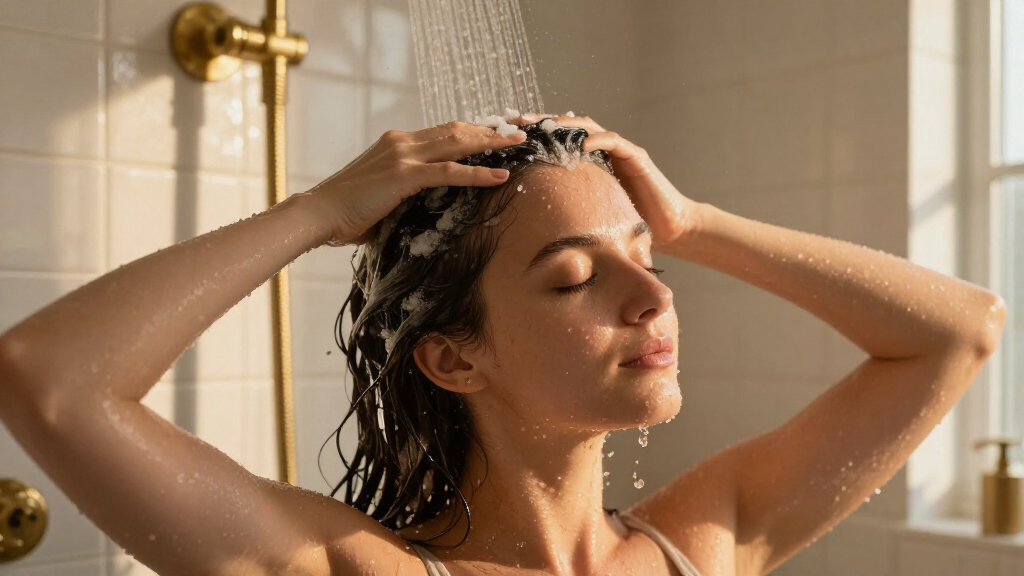
Scalp scrubs — exfoliating products applied to the scalp to remove buildup and refresh roots — are seeing a marked spike in search and editorial coverage. The products themselves are long-established in haircare, but the current surge’s trigger is unconfirmed.
Interest in scalp scrubs — exfoliating treatments rubbed into the scalp to lift product buildup, oil, and dead skin — is spiking across search and beauty-editorial coverage, with multiple outlets publishing ranked roundups under the framing of an “instant root refresh.” The products themselves are a long-established category in haircare, not a new launch or breakthrough. What is new is the volume of attention: the current wave of coverage suggests growing consumer demand for scalp-focused care, though what triggered the surge is unconfirmed.
The trend signal comes from aggregated fashion and grooming coverage, including ranked lists such as “The 15 Best Scalp Scrubs for an Instant Root Refresh,” distributed via syndicated feeds in recent weeks. Roundups of this kind typically appear when publishers detect rising search demand for a product category, making them a lagging indicator of consumer interest rather than a driver of it. The specific rankings, testing methods, and brand selections vary by outlet and have not been independently verified.
Scalp scrubs as a category are well documented. They generally fall into two types: physical scrubs, which use small abrasive particles (salt, sugar, or biodegradable beads) to manually lift debris, and chemical exfoliants, which use ingredients such as salicylic acid or fruit-derived acids to dissolve buildup. Both are positioned as treatments between washes for people who use dry shampoo, styling products, or heavy conditioners, or who have flaky or oily scalps.
Dermatological guidance on the category is mixed and long-standing. Many skin doctors acknowledge scalp exfoliation can help with sebum and product buildup for some people, while cautioning that over-exfoliation can cause irritation, and that people with psoriasis, eczema, or open sores on the scalp should consult a professional before use. These are general, well-established cautions rather than statements tied to the current coverage wave.
Why Scalp Care Is Pulling Shelf Space
The spike matters because it signals a broader shift in haircare spending from strands to scalp. Over the past several years, retailers and brands have expanded “skinification” of haircare — treating the scalp as an extension of facial skin — pushing serums, toners, and exfoliants into a category once dominated by shampoo and conditioner. Rising roundup coverage of scalp scrubs suggests that shift is now reaching mainstream buying behavior, not just enthusiast routines.
For readers, the practical stakes are straightforward: scalp scrubs are widely available at drugstore and prestige price points, but formulation and suitability vary widely. A surge in ranked lists can amplify marketing claims — such as “instant” refreshment — that are subjective by nature and not clinically defined. Anyone considering the category benefits from knowing that the attention reflects a trend, not a validated consensus on efficacy.
How Scalp Scrubs Entered the Mainstream
Scalp treatments are not new. Medicated shampoos containing ingredients like coal tar, ketoconazole, and selenium sulfide have treated dandruff and seborrheic dermatitis for decades, and salon-grade scalp exfoliation has long been part of professional haircare. The consumer scrub format — a standalone jar or tube positioned as a weekly or biweekly treatment — grew through the 2010s alongside rising use of dry shampoo and the broader “skinification” trend in beauty retail.
Ranked product roundups are a standard editorial format in fashion and grooming media, refreshed periodically as search data shifts. The current cluster of scalp-scrub lists, including the 15-product roundup circulating via RSS feeds in the fashion category, follows that pattern: publishers responding to measurable reader demand for a category they have covered before.
What the Trend Signal Does Not Tell Us
The trigger for the spike is unconfirmed. The available information is metadata from syndicated coverage — topic, category, and distribution — with no verified data on the scale of the increase, the markets affected, or what prompted it. Plausible drivers include seasonal haircare resets, celebrity or influencer activity, or new product launches, but none of these has been confirmed.
It is also unclear whether the ranked lists in circulation reflect independent testing or affiliate-driven selection; beauty roundups commonly include paid affiliate links, and methodologies are often not disclosed in detail. No specific brand, expert, or publication claims tied to this wave have been verified, and no product claims — including “instant” refresh results — have been independently assessed.
Where the Scalp-Scrub Coverage Goes From Here
If the search interest sustains, expect more publishers to refresh or expand scalp-care roundups, and brands to respond with marketing that leans into the root-refresh framing. Retail data over the coming months — sales figures or category reports from major beauty retailers — would confirm whether the editorial attention converts into sustained purchasing or fades as a short-term search spike.
Readers evaluating products in the meantime can rely on long-standing guidance: check whether a scrub uses physical or chemical exfoliation, match it to scalp sensitivity, start with infrequent use, and consult a dermatologist for any persistent flaking, itching, or irritation rather than treating it with exfoliation alone.
Key Questions
What is a scalp scrub?
A scalp treatment designed to exfoliate the scalp, using either physical particles (salt, sugar, beads) or chemical exfoliants (such as salicylic acid) to lift oil, dead skin, and product buildup between washes.
Is the current spike in scalp-scrub interest tied to a new product launch?
That is unconfirmed. The verified information is only that editorial coverage and apparent search interest are rising. No specific launch, announcement, or celebrity moment has been verified as the trigger.
Do scalp scrubs deliver an ‘instant root refresh’?
“Instant refresh” is a marketing and editorial framing, not a clinically defined outcome. Users commonly report that hair at the roots feels lighter and less oily after use, but results vary by hair type, scalp condition, and how much buildup is present.
Are scalp scrubs safe for everyone?
General dermatological guidance says over-exfoliation can irritate the scalp, and people with psoriasis, eczema, or broken skin should consult a professional before use. This is long-standing advice, not specific to the current coverage wave.
How often should a scalp scrub be used?
Most products are positioned as weekly or biweekly treatments, but frequency depends on scalp oiliness, product use, and sensitivity. Starting infrequently and adjusting based on how the scalp responds is the commonly recommended approach.
Source: rss
Evergreen bestsellers Picks
bestsellers
As an affiliate, we earn on qualifying purchases.