The best Timberland boots for most people are the Men’s Premium 6-Inch Waterproof Boot, thanks to its classic design and weather-ready build. For hiking, the White Ledge Mid Waterproof offers a more trail-focused choice, while the PRO Direct Attach MaxTRAX suits workdays that call for a soft-toe boot. The main tradeoffs are weight, support, waterproofing, and whether you need job-site protection or everyday versatility. Timberland’s lineup ranges from rugged work boots to lighter hikers and style-first classics, so the right pick depends on where you’ll wear yours most. Read on for a side-by-side breakdown of all 13 options and how I’d match each one to a buyer.

Get your wardrobe favorites delivered free with Prime
- Fast, free delivery on millions of items
- Prime Video, Amazon Music and more included
- Member-only deals all year
Key Takeaways
- The Premium 6-Inch Waterproof Boot is the strongest all-around pick for buyers who want Timberland’s recognizable look with weather protection, but its classic, substantial build is less suited to those seeking a lightweight hiker.
- Work boots and casual boots solve different problems: the Direct Attach MaxTRAX and Keele Ridge focus on job-site use, while the Britton Road styles and Earthkeepers lean toward everyday wear.
- Hiking choices depend on the kind of outing: White Ledge and Mt. Maddsen are trail-oriented mids, while the Euro Sprint and Field Hiking Boot offer different shapes and wearing priorities.
- Waterproofing appears across much of the lineup, but it does not make every boot interchangeable. Toe protection, weight, ankle coverage, and intended use still separate work, hiking, and casual models.
- Several styles share the Britton Road name but differ in height and form. The standard boot, mid lace-up, and chukka give buyers distinct coverage and styling options rather than one universal fit for every use.
| Timberland PRO Direct Attach MaxTRAX Soft Toe Waterproof Work Boot |  | Best for Wet, Cool Worksites | Upper: Leather | Waterproof construction: Direct attached, seam-sealed | Insulation: 200 grams Thermolite | VIEW LATEST PRICE | See Our Full Breakdown |
| Timberland Women’s Linden Woods Waterproof Boots |  | Best for Everyday Wear with Recycled-Content Lining | Upper: Premium Timberland leather | Lining: ReBOTL fabric containing at least 50% recycled plastic | Sole: Rubber | VIEW LATEST PRICE | See Our Full Breakdown |
| Timberland Men’s White Ledge Mid Waterproof Hiking Boots | 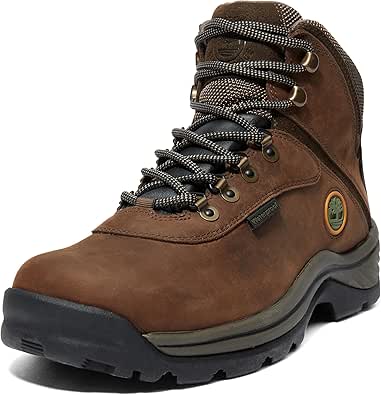 | Best for Straightforward Day Hikes | Upper: Waterproof premium leather | Waterproof construction: Seam-sealed | Tongue: Fully gusseted | VIEW LATEST PRICE | See Our Full Breakdown |
| Timberland Men’s Britton Road Waterproof Boot |  | Best for Warmth and Underfoot Support in an Ankle Boot | Upper: Waterproof leather | Waterproof construction: Seam-sealed | Insulation: PrimaLoft | VIEW LATEST PRICE | See Our Full Breakdown |
| Timberland Men’s Mt. Maddsen Waterproof Hiking Boots |  | Best for Hikers Who Want a Removable Comfort Footbed | Upper: Premium waterproof Timberland leather | Waterproof membrane: TimberDry | Tongue: Fully gusseted | VIEW LATEST PRICE | See Our Full Breakdown |
| Timberland Britton Road Mid Waterproof Lace-Up Boots |  | Best for Cold, Wet Everyday Wear | Upper: Waterproof Premium Timberland leather | Shaft height: Ankle | Waterproofing: TimberDry waterproof membrane and seam-sealed construction | VIEW LATEST PRICE | See Our Full Breakdown |
| Timberland Men’s Earthkeepers 6-Inch Lace-Up Boot |  | Best for Recycled Materials and a Simpler Build | Upper: Premium full-grain leather | Lining: 50% recycled PET | Laces: 100% recycled PET | VIEW LATEST PRICE | See Our Full Breakdown |
| Timberland PRO Men’s Keele Ridge Waterproof Steel Toe Work Boot |  | Best for Safety-Focused Work | Shaft height: Ankle | Upper materials: Nubuck leather and mesh | Toe protection: Steel safety toe | VIEW LATEST PRICE | See Our Full Breakdown |
| Timberland Men’s Premium 6-Inch Waterproof Boot |  | Best Premium Classic | Upper: Nubuck leather; product materials listed as synthetic and leather | Shaft height: Ankle | Waterproofing: Seam-sealed construction | VIEW LATEST PRICE | See Our Full Breakdown |
| Timberland Men’s 6-Inch Classic Waterproof Boots |  | Best for Arch Support | Upper: Premium leather | Shaft height: Ankle | Waterproofing: Waterproof leather with seam-sealed construction | VIEW LATEST PRICE | See Our Full Breakdown |
| Timberland Men’s Euro Sprint Hiker Boot |  | Best for Trail-Ready Support | Shaft height: Ankle | Shaft circumference: 9.25 inches | Outer material: Leather | VIEW LATEST PRICE | See Our Full Breakdown |
| Timberland Men’s Waterproof Field Hiking Boot |  | Best for Wet, Cold Hikes | Shaft height: Ankle | Shaft circumference: 9.25 inches | Upper: Waterproof Timberland leather and fabric | VIEW LATEST PRICE | See Our Full Breakdown |
| Timberland Men’s Britton Road Waterproof Chukka Boot |  | Best Waterproof Everyday Chukka | Origin: Imported | Shaft height: Ankle | Shaft circumference: 9.5 inches | VIEW LATEST PRICE | See Our Full Breakdown |
| Timberland boot | Outsole | Upper | Lining | Shaft height |
|---|---|---|---|---|
| Timberland PRO Direct Attach M | Nonmarking TPU with MaxTRAX slip-resistant tread; oil- and abrasion-resistant | Leather | Breathable, odor-resistant fabric | — |
| Timberland Women’s Linden Wood | — | Premium Timberland leather | ReBOTL fabric containing at least 50% recycled plastic | 5.63 inches (14.3 cm) |
| Timberland Men’s White Ledge M | Rubber with multidirectional lugs | Waterproof premium leather | ReBOTL fabric | — |
| Timberland Men’s Britton Road | Rubber lug | Waterproof leather | Leather | — |
| Timberland Men’s Mt. Maddsen W | Rubber with 15% recycled rubber | Premium waterproof Timberland leather | ReBOTL fabric | — |
| Timberland Britton Road Mid Wa | Rubber lug outsole | Waterproof Premium Timberland leather | ReBOTL fabric containing at least 50% recycled PET plastic; leather lining | Ankle |
| Timberland Men’s Earthkeepers | Synthetic, made with 15% recycled rubber | Premium full-grain leather | 50% recycled PET | — |
| Timberland PRO Men’s Keele Rid | Non-marking rubber; slip-, oil-, heat-, and abrasion-resistant | — | Moisture-wicking ReBOTL fabric with at least 50% recycled plastic | Ankle |
| Timberland Men’s Premium 6-Inc | Rubber lug outsole with 10% plant-based materials | Nubuck leather; product materials listed as synthetic and leather | — | Ankle |
| Timberland Men’s 6-Inch Classi | Rubber lug outsole | Premium leather | — | Ankle |
| Timberland Men’s Euro Sprint H | Rubber lug | — | — | Ankle |
| Timberland Men’s Waterproof Fi | — | Waterproof Timberland leather and fabric | — | Ankle |
| Timberland Men’s Britton Road | Rubber lug | — | Leather | Ankle |
More Details on Our Top Picks
Timberland PRO Direct Attach MaxTRAX Soft Toe Waterproof Work Boot
I’d choose the Direct Attach MaxTRAX for workdays where wet floors and cooler conditions matter more than a protective toe cap. Its seam-sealed waterproof leather, 200 grams of Thermolite insulation, and oil- and abrasion-resistant MaxTRAX outsole target jobsite use more directly than the lifestyle-focused Women’s Linden Woods. A comfort system and PU midsole are intended to ease foot fatigue during long shifts, while the breathable, odor-resistant lining helps balance the added warmth. The tradeoff is significant: this is a soft-toe boot, not a substitute for a safety-toe model when workplace rules require one. Its insulation may also feel too warm in hot weather. I’d favor it over the hiking-oriented White Ledge Mid for traction-focused work, but not for maximum toe protection.
Pros:- Seam-sealed waterproof leather helps keep feet dry in wet work settings
- MaxTRAX TPU outsole is designed for slip resistance and resists oil and abrasion
- 200 grams of Thermolite insulation adds warmth for cool shifts
- Comfort system and PU midsole are designed to reduce foot fatigue
Cons:- Soft toe does not provide a safety toe cap
- Insulation may feel too warm in hot weather
Best for: Workers who need waterproofing, slip-resistant tread, and light insulation but are permitted to wear soft-toe footwear
Not ideal for: Workers whose site requires a safety toe, or people working mainly in hot conditions who may find the insulation too warm
- Upper:Leather
- Waterproof construction:Direct attached, seam-sealed
- Insulation:200 grams Thermolite
- Lining:Breathable, odor-resistant fabric
- Toe:Soft toe
- Outsole:Nonmarking TPU with MaxTRAX slip-resistant tread; oil- and abrasion-resistant
- Shaft circumference:10 inches
- Safety compliance:ASTM F2892-24 EH SRO
Our verdict“Choose this work-focused boot for wet, cool shifts when soft-toe footwear meets your job’s requirements.”
Timberland Women’s Linden Woods Waterproof Boots
The Women’s Linden Woods is the straightforward choice here for shoppers who want a leather lace-up boot for everyday wear rather than a hiking or work-specific design. Its premium Timberland leather, rubber sole, and 5.63-inch shaft give it a taller profile than the ankle-height White Ledge Mid, while the ReBOTL lining contains at least 50% recycled plastic. That lining adds a recycled-material detail without changing the boot’s uncomplicated role. Compared with the insulated Britton Road Waterproof Boot, the Linden Woods has no insulation specified, so I wouldn’t pick it for cold-weather warmth. The supplied details also don’t identify a waterproof membrane or seam-sealed construction, making it a less certain choice for prolonged wet conditions than the White Ledge or Britton Road.
Pros:- Premium Timberland leather upper
- ReBOTL lining contains at least 50% recycled plastic
- 5.63-inch shaft offers more coverage than the ankle-height White Ledge Mid
- Rubber sole
Cons:- No insulation is specified for added warmth
- Waterproof construction is not specified in the provided product details
Best for: Women seeking a leather lace-up boot for regular casual wear who value a recycled-content lining and a shaft taller than an ankle boot
Not ideal for: Shoppers needing specified insulation or clearly documented waterproof construction for cold, persistently wet conditions
- Upper:Premium Timberland leather
- Lining:ReBOTL fabric containing at least 50% recycled plastic
- Sole:Rubber
- Shaft height:5.63 inches (14.3 cm)
- Shaft circumference:9 inches
- Closure:Lace-up
- Origin:Imported
Our verdict“Pick the Linden Woods for everyday leather-boot styling and recycled-content lining, not for documented cold-weather or wet-weather protection.”
Timberland Men’s White Ledge Mid Waterproof Hiking Boots
For day hikers who want reliable wet-weather details without a taller boot, the White Ledge Mid makes a clear case. Its waterproof premium leather, seam-sealed construction, and fully gusseted tongue help limit water and trail debris entering around the upper. Rustproof speed-lace hardware makes tightening simpler than on a basic lace-up like the Women’s Linden Woods, and multidirectional outsole lugs are intended to grip across varied trail directions. The EVA footbed and midsole keep the listed cushioning straightforward. Compared with the Mt. Maddsen, this model’s description doesn’t specify a TimberDry membrane or removable anti-fatigue footbed, so it offers fewer stated comfort and waterproofing details. Its ankle-height shaft also leaves more of the lower leg exposed than a taller boot would.
Pros:- Waterproof premium leather and seam-sealed construction help guard against wet trails
- Fully gusseted tongue helps keep debris out
- Rustproof speed-lace hardware with upper hooks simplifies lacing
- Rubber outsole has multidirectional lugs
Cons:- Ankle-height shaft gives less coverage than taller boots
- No removable footbed or TimberDry membrane is specified in the provided details
Best for: Day hikers who want waterproof leather, debris-blocking tongue construction, and easy-to-adjust speed lacing in an ankle-height boot
Not ideal for: Hikers seeking extra lower-leg coverage or a removable anti-fatigue footbed like the one specified on the Mt. Maddsen
- Upper:Waterproof premium leather
- Waterproof construction:Seam-sealed
- Tongue:Fully gusseted
- Lining:ReBOTL fabric
- Footbed:EVA
- Midsole:EVA
- Outsole:Rubber with multidirectional lugs
- Shaft:Ankle height; 9.75-inch circumference
Our verdict“Choose the White Ledge Mid for day hikes where waterproof construction and quick lacing matter more than extra shaft coverage.”
Timberland Men’s Britton Road Waterproof Boot
The Britton Road Waterproof Boot brings together warmth and underfoot support in an ankle-height format. Its waterproof, seam-sealed leather construction is paired with PrimaLoft insulation, which is designed to retain warmth when wet, and Anti-Fatigue Technology intended to absorb shock and return energy. That makes it a more comfort-and-cold-weather-focused choice than the uninsulated White Ledge Mid. The leather lining and rubber lug outsole give it a more everyday boot setup than the work-oriented Direct Attach MaxTRAX, whose tread is built around worksite traction needs. The main compromise is coverage: like the White Ledge and Mt. Maddsen, this boot ends at the ankle rather than extending higher. The provided details also don’t specify insulation weight, so direct warmth comparisons are limited.
Pros:- Waterproof leather and seam-sealed construction help keep feet dry
- PrimaLoft insulation is designed to retain warmth when wet
- Anti-Fatigue Technology is designed to absorb shock and return energy
- Rubber lug outsole
Cons:- Ankle-height shaft offers less coverage than taller boots
- Insulation weight is not specified in the provided details
Best for: Men looking for an ankle-height leather boot with specified insulation and cushioning technology for cool, wet everyday wear
Not ideal for: Buyers who need a taller shaft for added coverage or want a stated insulation weight to compare warmth levels
- Upper:Waterproof leather
- Waterproof construction:Seam-sealed
- Insulation:PrimaLoft
- Lining:Leather
- Shaft:Ankle height; 9.75-inch circumference
- Outsole:Rubber lug
- Comfort technology:Anti-Fatigue Technology
- Origin:Imported
Our verdict“Choose the Britton Road for an insulated, supportive ankle boot, but look elsewhere if you need more shaft coverage.”
Timberland Men’s Mt. Maddsen Waterproof Hiking Boots
The Mt. Maddsen is the more comfort-adjustable hiking pick in this group: its removable anti-fatigue footbed lets buyers take it out, while a TimberDry membrane, waterproof leather, and fully gusseted tongue cover the key barriers against trail moisture and debris. The compression-molded EVA midsole adds cushioning, and the rubber outsole includes 15% recycled rubber. Compared with the White Ledge Mid, the Mt. Maddsen spells out more of its footbed and membrane setup; the White Ledge instead calls out rustproof speed-lace hardware and multidirectional lugs. This boot’s ankle-height shaft still provides less coverage than taller options, and the product details don’t describe insulation, so it is not the warm-weather-to-cold-weather crossover choice that the insulated Britton Road may be.
Pros:- Waterproof leather, TimberDry membrane, and gusseted tongue help keep moisture and debris out
- Removable anti-fatigue footbed supports cushioning flexibility
- Compression-molded EVA midsole provides cushioning
- Rubber outsole contains 15% recycled rubber
Cons:- Ankle-height shaft provides less coverage than taller boots
- No insulation is specified for cold-weather use
Best for: Hikers who want waterproof construction and a removable anti-fatigue footbed they can take out or replace
Not ideal for: Hikers needing a taller shaft or specified insulation for cold-weather trips
- Upper:Premium waterproof Timberland leather
- Waterproof membrane:TimberDry
- Tongue:Fully gusseted
- Lining:ReBOTL fabric
- Footbed:Removable anti-fatigue
- Midsole:Compression-molded EVA
- Outsole:Rubber with 15% recycled rubber
- Shaft:Ankle height; approximately 5 inches from arch
- Closure:Lace-up
Our verdict“Choose the Mt. Maddsen if a removable comfort footbed and layered waterproofing matter more than extra coverage or insulation.”
Timberland Britton Road Mid Waterproof Lace-Up Boots
The Britton Road Mid makes the most sense when weather protection and cushioned warmth matter more than a lightweight feel. Its waterproof leather, TimberDry membrane, and seam-sealed construction form a more complete wet-weather package than the Earthkeepers 6-Inch Lace-Up Boot, which has no waterproofing listed. Underfoot, the OrthoLite Impressions memory foam footbed and TimberCush system add comfort, while PrimaLoft insulation helps retain warmth in cold conditions. The ReBOTL lining also uses at least 50% recycled PET plastic. The tradeoff is that insulation can feel excessive in warm weather, and the listed 9.5-inch shaft circumference may not suit every wearer. Compared with the more work-focused Keele Ridge, this is better suited to everyday winter use than safety-rated job sites.
Pros:- Waterproof leather, a TimberDry membrane, and seam-sealed construction help keep water out.
- Memory foam, TimberCush, and Anti-Fatigue Technology provide a comfort-focused setup.
- PrimaLoft insulation is designed to retain warmth when wet.
- ReBOTL lining contains at least 50% recycled PET plastic.
Cons:- Insulation may feel too warm in mild or hot conditions.
- The listed 9.5-inch shaft circumference may restrict fit for some wearers.
Best for: Everyday wearers who need insulated, waterproof boots for cold, wet commutes and errands.
Not ideal for: People shopping for warm-weather footwear or a work boot with a steel safety toe and electrical hazard protection.
- Upper:Waterproof Premium Timberland leather
- Shaft height:Ankle
- Waterproofing:TimberDry waterproof membrane and seam-sealed construction
- Footbed:OrthoLite Impressions memory foam
- Comfort system:TimberCush and Anti-Fatigue Technology
- Insulation:PrimaLoft
- Lining:ReBOTL fabric containing at least 50% recycled PET plastic; leather lining
- Outsole:Rubber lug outsole
Our verdict“Choose the Britton Road Mid for cushioned, insulated waterproofing in cold weather, but skip it if you need a cooler or safety-rated boot.”
Timberland Men’s Earthkeepers 6-Inch Lace-Up Boot
The Earthkeepers is the straightforward choice for buyers who want a full-grain leather upper and recycled components without the insulation and waterproofing found on several other boots here. Its breathable lining and recycled-PET laces keep the design relatively simple, while a removable anti-fatigue footbed offers support that can be taken out if you use an insert of your own. Compared with the insulated Premium 6-Inch Waterproof Boot, the Earthkeepers is less geared toward cold, wet days; that lighter feature set may suit everyday wear, but it leaves less protection for rough weather. The outsole includes 15% recycled rubber, though it is listed as synthetic rather than a dedicated waterproof lug outsole. Sizing needs attention: Timberland recommends ordering one size down from your usual sneaker size.
Pros:- Premium full-grain leather upper.
- Breathable lining contains 50% recycled PET, and the laces are made from 100% recycled PET.
- Removable anti-fatigue footbed supports custom inserts or replacement insoles.
- Synthetic outsole contains 15% recycled rubber.
Cons:- No waterproof membrane or seam-sealed construction is listed.
- The recommended one-size-down fit may make ordering less straightforward.
- Offers less cold-weather protection than the insulated Premium 6-Inch Waterproof Boot.
Best for: Buyers seeking a full-grain leather Timberland boot with recycled lining, laces, and outsole material for everyday use.
Not ideal for: People who need built-in waterproofing and insulation, or shoppers who prefer sizing without a recommended adjustment from sneaker size.
- Upper:Premium full-grain leather
- Lining:50% recycled PET
- Laces:100% recycled PET
- Footbed:Removable anti-fatigue footbed
- Outsole:Synthetic, made with 15% recycled rubber
- Weight:1 lb 3 oz per boot in size 9
- Sizing recommendation:Order one size down from usual sneaker size
Our verdict“Pick the Earthkeepers for a full-grain leather everyday boot with recycled components, not for dependable wet-weather or winter protection.”
Timberland PRO Men’s Keele Ridge Waterproof Steel Toe Work Boot
Unlike the everyday Premium 6-Inch Waterproof Boot, the Keele Ridge is built around job-site protection: it pairs a steel safety toe with electrical hazard protection and a waterproof membrane. Its rubber outsole is specified for slip, oil, heat, and abrasion resistance, making it a stronger fit for demanding work surfaces than Timberland’s casual leather boots. The moisture-wicking ReBOTL lining, made with at least 50% recycled plastic, adds a practical touch for long shifts. The tradeoff is that a steel toe brings a more substantial, rigid feel than a non-safety boot, while waterproof construction may reduce airflow. This is the clear choice in this group for buyers whose work requires protective features, but it is more boot than most people need for routine walking or commuting.
Pros:- Steel safety toe and electrical hazard protection are suited to protective work footwear needs.
- Internal waterproof membrane helps limit water intrusion.
- Outsole is slip-, oil-, heat-, and abrasion-resistant.
- Moisture-wicking ReBOTL lining contains at least 50% recycled plastic.
Cons:- Steel toe adds a rigid, metallic toe cap that may feel cumbersome for casual wear.
- Waterproof construction may provide less airflow than non-waterproof footwear.
Best for: Workers who need a waterproof hiker-style boot with a steel toe, electrical hazard protection, and a job-ready outsole.
Not ideal for: Casual wearers who want a lighter, more breathable everyday boot without a rigid safety toe.
- Shaft height:Ankle
- Upper materials:Nubuck leather and mesh
- Toe protection:Steel safety toe
- Waterproofing:Internal waterproof membrane
- Electrical hazard protection:Yes
- Lining:Moisture-wicking ReBOTL fabric with at least 50% recycled plastic
- Outsole:Non-marking rubber; slip-, oil-, heat-, and abrasion-resistant
- Safety standards:ASTM F2412-18a, ASTM F2413-18, ASTM F2892-18
Our verdict“Choose the Keele Ridge when your work calls for a steel toe and electrical hazard protection; for everyday use, its safety features may be unnecessary.”
The Premium 6-Inch Waterproof Boot is the more traditional, substantial pick for buyers who want weather protection with cold-weather insulation. Seam-sealed construction and 400 grams of PrimaLoft help it handle wet, chilly conditions, while the anti-fatigue sole is designed to absorb shock and return energy during extended wear. Its padded leather collar adds comfort around the ankle, and the rubber lug outsole supplies traction. Compared with the Earthkeepers, this boot is far better equipped for wet weather, though it adds insulation and a more specialized build that may be unnecessary for mild days. The upper is described as a mix of synthetic and leather materials, so it is not the best match for someone set on an all-leather construction. Its ankle-height shaft also gives less coverage than a taller boot.
Pros:- Seam-sealed construction supports waterproof protection.
- 400 grams of PrimaLoft insulation adds warmth for cold-weather wear.
- Anti-fatigue technology is designed to absorb shock and return energy.
- Rubber lug outsole includes 10% plant-based materials.
Cons:- The listed synthetic-and-leather materials may not satisfy buyers seeking an all-leather boot.
- Ankle-height coverage is limited compared with taller footwear.
- Insulation may feel excessive in warm weather.
Best for: Buyers who want an insulated, waterproof Timberland classic for cold-weather everyday wear and value a cushioned sole.
Not ideal for: Shoppers seeking an all-leather boot, a taller shaft, or footwear for warm conditions.
- Upper:Nubuck leather; product materials listed as synthetic and leather
- Shaft height:Ankle
- Waterproofing:Seam-sealed construction
- Insulation:400 grams PrimaLoft
- Construction:Direct-attached and Goodyear welt
- Outsole:Rubber lug outsole with 10% plant-based materials
- Comfort technology:Anti-fatigue shock absorption and energy return
- Collar:Padded leather
Our verdict“Pick the Premium 6-Inch for insulated waterproof protection and a classic lug-sole build, but look elsewhere if you want an all-leather or uninsulated boot.”
Timberland Men’s 6-Inch Classic Waterproof Boots
The 6-Inch Classic Waterproof Boot stands out for a steel shank for arch support, a useful distinction from the Premium 6-Inch Waterproof Boot, whose listed comfort feature is an anti-fatigue sole. Both offer waterproof, insulated protection and rubber lug traction, so the choice comes down partly to underfoot support and fit. This model uses waterproof leather with seam-sealed construction and 400g PrimaLoft designed to retain warmth even when wet; a padded collar rounds out the comfort features. The main catch is sizing: it runs large, with a recommendation to size down half a size, or a full size for sizes 12 and larger. That adjustment can complicate online fit decisions. Its ankle-height shaft also provides less coverage than a taller boot, and the insulation favors cold weather over warm-season use.
Pros:- Waterproof leather and seam-sealed construction help protect against wet conditions.
- 400g PrimaLoft is designed to retain warmth even when wet.
- Steel shank provides arch support.
- Rubber lug outsole and padded collar support everyday cold-weather wear.
Cons:- Runs large and requires sizing down, with a larger adjustment recommended for sizes 12 and above.
- Insulation may be too warm for mild or hot weather.
- Ankle-height shaft offers less coverage than taller boots.
Best for: Wearers who want an insulated waterproof 6-inch-style boot with a steel shank for added arch support.
Not ideal for: Buyers who need a precise out-of-the-box fit, prefer uninsulated footwear, or want more than ankle-height coverage.
- Upper:Premium leather
- Shaft height:Ankle
- Waterproofing:Waterproof leather with seam-sealed construction
- Insulation:400g PrimaLoft
- Support:Steel shank for arch support
- Outsole:Rubber lug outsole
- Fit:Runs large; size down half a size, or a full size for sizes 12 and larger
- Shaft circumference:9.5 inches
Our verdict“Choose this Classic Waterproof model if arch support and insulated weather protection matter most, and you are comfortable adjusting your size.”
Timberland Men’s Euro Sprint Hiker Boot
The Euro Sprint Hiker is the clearest pick here for buyers who want a straightforward hiking boot with support underfoot rather than insulation or a waterproof membrane. Its rubber lug outsole is built for outdoor traction, while the steel shank adds arch support on uneven ground. An EVA footbed and midsole keep the underfoot package lighter and cushioning-focused. Compared with the Waterproof Field Hiking Boot, it gives up specified waterproofing and warmth, but avoids insulation that some hikers may find too warm. Responsibly sourced leather and a ReBOTL lining with at least 50% recycled PET add material credentials. The main limitation is its ankle-height shaft: it offers less coverage than taller hiking boots and is a weaker fit for buyers seeking extra protection around the lower leg.
Pros:- Rubber lug outsole is designed for outdoor traction.
- Steel shank provides arch support.
- EVA footbed and midsole offer lightweight cushioning.
- ReBOTL lining contains at least 50% recycled PET, and the leather is responsibly sourced.
Cons:- No waterproof membrane is specified, unlike the Waterproof Field Hiking Boot.
- Ankle-height shaft provides less coverage than a taller boot.
Best for: Hikers seeking an ankle-height boot with a lugged outsole and steel-shank arch support, without built-in insulation.
Not ideal for: Hikers who need specified waterproof protection, warm insulation, or more lower-leg coverage from a taller shaft.
- Shaft height:Ankle
- Shaft circumference:9.25 inches
- Outer material:Leather
- Sole material:Rubber
- Outsole:Rubber lug
- Footbed and midsole:EVA
- Shank:Steel
- ReBOTL lining:At least 50% recycled PET
Our verdict“Choose the Euro Sprint Hiker for trail-oriented traction and shank support when waterproofing and insulation are not priorities.”
Timberland Men’s Waterproof Field Hiking Boot
For hikers who expect rain and cool conditions, the Waterproof Field Hiking Boot brings together a TimberDry membrane, a gusseted tongue, and lightweight PrimaLoft insulation. That combination gives it a more weather-focused role than the Euro Sprint Hiker, whose listed features emphasize traction and steel-shank support instead. The removable anti-fatigue footbed is designed to absorb shock and return energy, while a flexible nylon shank supplies arch support without the steel shank used in the Euro Sprint. Its waterproofing is specified as a TimberDry membrane made with at least 50% recycled plastic. The tradeoff is versatility: insulation may be unwelcome on warm hikes, and the 9.25-inch shaft circumference may not suit every wearer. I’d choose it for wet-weather comfort, not as an uninsulated all-season option.
Pros:- TimberDry membrane and gusseted tongue help keep water out.
- PrimaLoft insulation is designed to retain warmth when wet.
- Removable anti-fatigue footbed is designed to absorb shock and return energy.
- Flexible nylon shank provides arch support.
Cons:- Insulation may feel too warm for mild or hot-weather hiking.
- The 9.25-inch shaft circumference may limit fit for some wearers.
- Compared with the Euro Sprint Hiker, it lacks a specified steel shank.
Best for: Hikers who regularly walk in wet, cool conditions and want waterproof construction, insulation, and a removable comfort footbed.
Not ideal for: Warm-weather hikers or wearers who need a roomier shaft fit; the insulation and stated circumference may not suit them.
- Shaft height:Ankle
- Shaft circumference:9.25 inches
- Upper:Waterproof Timberland leather and fabric
- Waterproofing:TimberDry membrane made with at least 50% recycled plastic
- Footbed:Removable anti-fatigue footbed
- Shank:Lightweight nylon
- Insulation:PrimaLoft
- Sole material:Rubber
Our verdict“Pick this boot for wet, cool hikes when waterproofing and insulation matter more than an uninsulated, more adaptable feel.”
Timberland Men’s Britton Road Waterproof Chukka Boot
The Britton Road Waterproof Chukka is the everyday-leaning option in this group: it pairs waterproof leather and seam-sealed construction with a leather lining, PrimaLoft insulation, and Anti-Fatigue Technology. That makes it more comfort- and weather-oriented than the Euro Sprint Hiker, which is more clearly configured for trail traction with its steel shank and hiking-focused lug outsole. Compared with the Waterproof Field Hiking Boot, the Britton Road has a leather lining and seam-sealed leather construction, while the Field model specifies a TimberDry membrane, gusseted tongue, and removable footbed. The Britton Road’s rubber lug outsole adds grip, but its chukka format and ankle-height shaft provide less coverage than taller boots. Buyers should also note that the supplied details give no numeric shaft height or fit guidance, making fit harder to judge in advance.
Pros:- Waterproof leather and seam-sealed construction provide water protection.
- PrimaLoft insulation is designed to retain warmth when wet.
- Anti-Fatigue Technology is designed to absorb shock and return energy.
- Rubber lug outsole and leather lining suit a weather-ready everyday boot.
Cons:- Insulation may be too warm for mild-weather use.
- The ankle-height chukka offers less coverage than a taller boot.
- The provided product details do not specify numeric shaft height or fit guidance.
Best for: Buyers who want an insulated, waterproof leather chukka for everyday wear and occasional walks on damp or cool days.
Not ideal for: Hikers seeking detailed fit guidance, a taller shaft, or explicitly listed technical hiking support such as the Euro Sprint Hiker’s steel shank.
- Origin:Imported
- Shaft height:Ankle
- Shaft circumference:9.5 inches
- Upper material:Timberland leather
- Waterproofing:Waterproof leather with seam-sealed construction
- Insulation:PrimaLoft
- Lining:Leather
- Outsole:Rubber lug
- Comfort technology:Anti-Fatigue Technology
Our verdict“Choose the Britton Road Chukka for waterproof, insulated everyday wear, but favor a hiking-focused model if trail support and fit specifics matter more.”
How We Picked
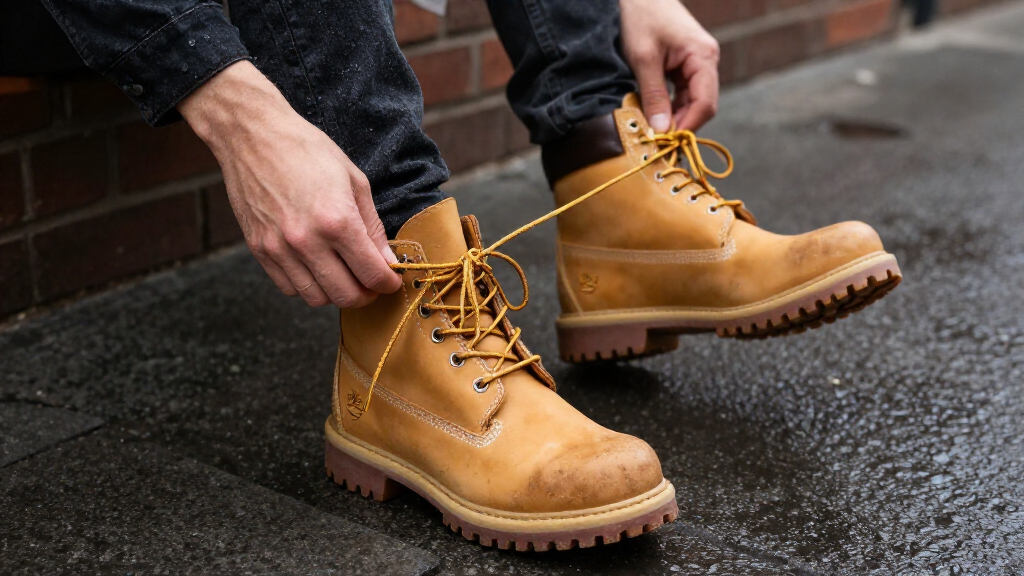
I compared these 13 Timberland boots by intended use, weather protection, coverage, support, and practical versatility. I gave more weight to models with a clear role and a useful balance of protection and wearability: the Premium 6-Inch leads as a broadly appealing everyday boot, while the hiking and work options rank for the more specific needs they address. I also looked at how boot height and construction affect likely use, since a mid hiking boot, chukka, and six-inch work boot are not direct substitutes.
The order reflects how well each option serves its stated buyer, not a claim that one type suits everyone. Work-specific protection matters more for job-site footwear; trail support and weather resistance matter more for hikers; and comfort, styling, and day-to-day flexibility matter more for casual pairs. Models with narrower use cases rank below versatile choices, while the women’s Linden Woods remains a distinct option for shoppers seeking that fit and styling. I have not treated waterproofing alone as proof that a boot is right for every wet-weather task.
Factors to Consider When Choosing Best Timberland Boots
Before choosing among Timberland boots, start with where and how often you plan to wear them. Similar-looking leather boots can differ in job-site protection, walking comfort, ankle coverage, and how easily they work with everyday clothes. These factors can help you avoid paying for features you will not use—or choosing a casual boot for work that demands certified protection.
Match the boot to its main job
Decide whether your main use is work, hiking, commuting, or casual wear before comparing styles. Work boots are built around job-site demands, but a waterproof label by itself does not mean a boot meets your workplace’s safety rules. Hiking models are shaped for outdoor walking, while classic six-inch and Britton Road boots may suit daily outfits better. A common mistake is choosing by appearance first and assuming the boot will perform well on trails or at work. If you split time between settings, pick for the activity that has the strictest requirements, then decide whether a second pair is needed for other use.
Treat waterproofing as one part of wet-weather protection
Waterproof construction can help keep rain and shallow puddle splashes out, but it does not turn every boot into a dedicated wet-weather or cold-weather shoe. Water can still enter over the top, and damp socks can result from sweat even when the exterior stays dry. Check how high the boot rises and whether you expect wet grass, deep puddles, or prolonged exposure. Buyers sometimes focus on the word “waterproof” and overlook breathability, drying time, and insulation. For frequent wet use, think about the whole setup—including socks and care—rather than relying on the boot label alone.
Choose height for coverage, mobility, and outfit
A taller boot gives more ankle coverage and can feel more secure around debris, while a lower chukka is easier to pair with everyday clothes and may feel less cumbersome. Mid-height hikers sit between those choices, but height alone does not determine support; fit, lacing, and sole structure also matter. Buyers often assume a taller silhouette will automatically be more comfortable on long walks. If you spend much of the day seated or walking on pavement, a lower or more flexible-feeling option may be easier to live with. For uneven trails or job sites, prioritize the coverage and stability you need over a familiar style.
Check for the right kind of work protection
Soft-toe and steel-toe boots are not interchangeable, and neither should be chosen without checking your employer’s safety requirements. A steel toe may be required where impact protection matters, while a soft toe can be preferable when toe protection is not mandated and a less restrictive feel is desired. Also check the specific workplace rules for electrical hazards, slip resistance, or other protective standards; product names alone do not answer every compliance question. A frequent buying error is treating “work boot” as a single safety category. Match the boot’s documented protection to the task rather than buying based only on rugged styling.
Plan for fit changes from socks and wear
Boot fit can change with sock thickness, foot swelling over a long day, and the way the upper breaks in. Try boots with the socks you expect to wear, leaving enough room for toes without letting the heel slide excessively. Do not assume a stiff or snug boot will simply become comfortable with time; pressure at the toes or sides can remain a problem. For hiking and work, a secure heel and room to move the toes matter more than a tight feel at first try-on. Check the retailer’s sizing and return terms before ordering, especially when choosing a different style or boot height from what you already own.
Pay for features that match your routine
A more specialized boot makes sense when its specific protection or support solves a recurring need, not just because it sounds more rugged. Buyers who wear boots occasionally may get more value from a versatile everyday pair than from work-focused features they never use. On the other hand, frequent job-site or trail use can justify prioritizing construction and task-specific design over a familiar casual silhouette. Maintenance also affects long-term usefulness: dirt, moisture, and neglected leather can shorten a boot’s good-looking life. Before choosing, weigh how often you will wear the pair, where it will be used, and how much care you are willing to provide.
Frequently Asked Questions
Can Timberland hiking boots replace a dedicated work boot?
Not automatically. Hiking boots are intended for outdoor walking, while work boots may offer protective features required for particular job sites. Waterproofing and a rugged sole do not confirm that a boot meets your employer’s safety standards. Check the exact requirements for toe protection and any other hazards before using a hiking model at work. If compliance is unclear, choose a work boot with documented specifications that match the task.
Should I choose a steel-toe boot or a soft-toe boot?
Let your workplace requirements decide first: some jobs require toe protection, and a soft-toe option will not meet that need. If protection is not required, a soft-toe boot may feel less restrictive for everyday work, while a steel-toe design is made for impact protection. Neither type is universally better for all-day wear, since fit and the demands of your job also matter. Confirm the exact safety standards with your employer before buying, rather than relying on the boot’s name or appearance.
Are the Britton Road boot, mid lace-up, and chukka basically the same choice?
They share a family name, but their different heights give them different wearing roles. A chukka’s lower profile may feel easier to style for casual use, while a taller version offers more ankle coverage. The mid lace-up sits between those shapes, so it can suit buyers who want a more boot-like look without choosing the tallest option. Compare the height and intended use, then check the fit of the exact style you plan to buy. Do not assume sizing or comfort will be identical across silhouettes.
Is a waterproof Timberland boot a good choice for long hikes?
It can be a sensible choice when you expect wet trails, but waterproofing is only one part of hiking comfort. Weight, fit, traction, ankle coverage, and breathability can matter just as much over a long day. In warm weather, a waterproof membrane may feel less comfortable than a more breathable option, particularly if your feet tend to run hot. Consider the terrain and expected conditions rather than choosing by waterproof status alone. Try the boots with your hiking socks and check for heel movement before taking them on a long route.
Which Timberland boot makes the most sense if I want one pair for everyday wear?
The Premium 6-Inch Waterproof Boot is the clearest all-around choice in this lineup for buyers who want a recognizable Timberland style with weather protection. Its substantial build is a tradeoff if you prefer a lighter or lower-profile shoe. The Britton Road styles may suit shoppers who want a more understated everyday shape, with the chukka offering less height. For frequent trail use or work with safety rules, choose a model made for that purpose instead of asking a casual boot to cover every task. Let your most common setting guide the final choice.
Conclusion
For the best overall choice, I recommend the Men’s Premium 6-Inch Waterproof Boot for its blend of familiar Timberland styling and weather-ready everyday use. For a value-minded buyer, the Men’s White Ledge Mid Waterproof Hiking Boot is the practical starting point when trail use is the priority, while the PRO Direct Attach MaxTRAX is the work-focused pick for someone who needs a soft toe. For a more premium-feeling classic look, I’d choose the Men’s Premium 6-Inch; for beginners who want one recognizable pair for routine wear, it is also the easiest place to start. Pick the Keele Ridge when steel-toe protection is required, the Mt. Maddsen or White Ledge for hiking, and the lower Britton Road Chukka for a more casual profile. The best Timberland boot is the one matched to your main use—not simply the one with the most rugged appearance.