
TL;DR
Equestrian-inspired home decor is gaining attention as heritage design and British country-house styles grow in popularity. Designers recommend using materials such as leather and dark wood, plus small horse-related details, rather than filling rooms with themed accessories.
Equestrian-inspired decor is gaining momentum in homes, according to a report on the heritage design trend, as interest grows in British countryside aesthetics and country-house interiors. Designers quoted in the report recommend restrained references to riding culture—such as antique brass, dark wood and vintage prints—rather than rooms dominated by horse motifs.

Get your wardrobe favorites delivered free with Prime
- Fast, free delivery on millions of items
- Prime Video, Amazon Music and more included
- Member-only deals all year
The look takes cues from traditional English countryside life, distinguishing it from Cowboycore, which draws on American Western imagery. Its appeal, the report says, sits within a broader return to heritage design, craftsmanship and timeless interiors. It describes equestrian decor as gaining momentum over the past year, but does not provide sales figures, search data or other measurements of its reach.
Caroline Woolmer, head of design at Lucie Annabel, says the style brings classic country-house references to a new audience. She also points to rich, earthy colours, described in the report as a major 2026 trend, as one way people may incorporate the look. Her comments are design-industry perspective, not independent evidence of how widely households are adopting it.
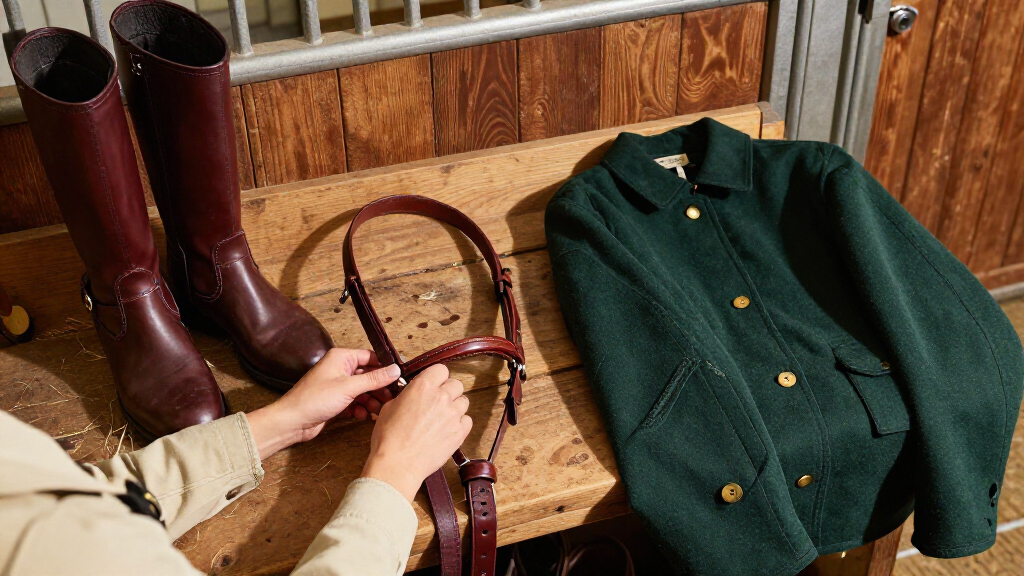
Marie Goodwin, head designer at Prestigious Textiles, advises using dark wood and antique brass as foundations, with details such as framed vintage horse prints, horseshoe motifs or decorative buckles. The report gives an equestrian-shaped brass curtain tieback as one example of a small accessory. Checks and stripes can add a traditional pattern, while leather, velvet and wool bring texture without relying on overt horse imagery.
Equestrian charm comes home
Heritage interiors are drawing on English country-house style. Designers suggest subtle materials and accents over a room full of horse motifs.
The look, in brief
Equestrian charm draws on English countryside and riding culture, while Cowboycore takes cues from the American West.
- English country-house references
- Dark wood and antique brass
- Vintage prints and tactile fabrics
- American Western imagery
- Americana motifs
Build the mood with materials
Dark wood and brass
Use these finishes as quiet country-house references.
Leather, velvet, wool
Layer tactile fabrics without relying on horse imagery.
Checks and stripes
Traditional patterns can add heritage character.
Try it in small steps
Test the palette and materials before committing to a larger room update.
Try a brass detail or framed vintage print.
Pair wool or velvet with existing furniture.
Explore wallpaper or substantial furnishings only if the look suits your room.
What the report can show
It describes growing interest, but provides no sales figures, survey results or trend data to measure how widely the style is catching on.
- Shopping examples illustrate the look, not product value or quality.
- Check price, availability and durability before buying.
- Whether the trend will last remains uncertain.
A Subtle Route Into Heritage Style
The trend offers shoppers a way to bring country-house character into a room through a few materials and details, rather than committing to a full themed makeover. That distinction matters for people interested in the look but wary of interiors that feel overly coordinated or traditional. The designers’ advice is to treat equestrian references as accents, not the room’s sole subject.
There is also a practical case for mixing old and new. Woolmer recommends contemporary furniture and clean silhouettes alongside vintage artwork and tactile fabrics, with unexpected colour accents to keep the result from feeling dated. These are styling suggestions, not a guarantee of a particular effect; how the look works will depend on a room’s existing furnishings, budget and personal taste.
For consumers, the report’s examples range from small accessories to textiles and wallpaper. A brass tieback or printed tray represents a more limited change than patterned wallpaper or a large wool throw. Because the report offers no price comparisons or independent product testing, its shopping examples are best read as illustrations of the aesthetic rather than endorsements or evidence of value.
Popular right now

KitchenAid 3-Piece Pasta Roller and Cutter Set for Stand Mixers

Bose QuietComfort Wireless Noise-Cancelling Headphones, Cypress Green

Hisense 43-Inch E6 Cinema Series Hi-QLED 4K UHD Smart Fire TV (43E6QF)
As an affiliate, we earn on qualifying purchases.
From Cowboycore to Country House
The report places equestrian charm alongside the recent popularity of Cowboycore, but says the two draw on different visual traditions. Cowboycore leans on Western and Americana motifs, while equestrian interiors look to the English countryside and established riding culture. The overlap is a shared interest in heritage references, not a claim that the styles are interchangeable.
The trend also fits a wider design interest in craftsmanship and collected interiors, according to Woolmer. Rather than reproducing a period room, the proposed approach layers woods, fabrics, metal finishes and artwork so a space appears assembled over time. The report frames the trend as current, including a connection to 2026 colour palettes, but supplies no publication date or trend-tracking data to show how that timing was determined.
“The key to styling this trend is to add gentle references to equestrianism, rather than going overboard with horse-themed accessories.”
— Marie Goodwin, head designer at Prestigious Textiles
How Broad Is the Trend?
The report does not quantify how many households are adopting the style, identify a survey or sales dataset, or set out a comparison with earlier periods. Its description of the trend gaining momentum is not supported by a stated measurement or baseline. It is also unclear which colours or products are selling most, and whether interest will continue beyond the current design cycle.
The examples are presented as styling ideas, not as independently reviewed recommendations. No information is given about product availability, durability or price comparisons, so readers should check those details before buying.
What Shoppers Can Watch
For now, the report points to small, adaptable changes: introduce a brass or leather detail, use a vintage print, or layer wool and velvet with existing furniture. People considering a larger update can test the palette and materials with accessories before choosing wallpaper or substantial furnishings.
Whether equestrian charm becomes a lasting interiors direction or remains a short-term style moment is not established. Further evidence—such as sustained retail demand, consumer surveys or continued design coverage—would help show whether the reported interest is broad and durable.
Source: rss
Key Questions
What is equestrian charm in home decor?
It is a heritage-inspired interior style drawing on English country-house and riding-culture references, including dark wood, antique brass, checks, leather and restrained horse motifs.
How is it different from Cowboycore?
The report describes Cowboycore as influenced by the American West and Americana. Equestrian charm instead looks to traditional English countryside aesthetics and riding culture.
How can I try the look without redecorating a whole room?
Start with a small accent, such as a brass accessory, a framed vintage print or a wool textile. The designers quoted recommend subtle references rather than a room full of horse-themed items.
Is equestrian charm proven to be a major sales trend?
The report describes the look as gaining momentum but provides no sales figures, survey results or trend data to quantify its popularity.
Source: idealhome.co.uk