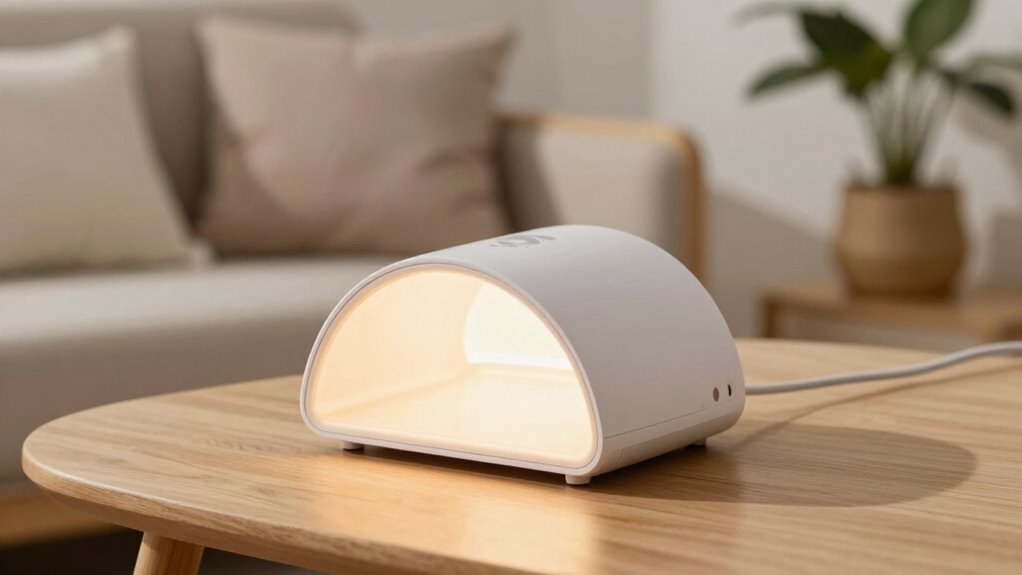

You need realistic expectations for light therapy devices because they aren’t instant solutions and work differently for everyone. It takes time—often days or weeks—to see meaningful improvements, and proper use is key for effectiveness. Some may experience skin irritation or other side effects, so paying attention to your body’s responses matters. Understanding what light therapy can and can’t do helps you stay motivated and safe. If you’re curious about how to get the best results, there’s more to explore.

Get your wardrobe favorites delivered free with Prime
- Fast, free delivery on millions of items
- Prime Video, Amazon Music and more included
- Member-only deals all year
Key Takeaways
- Results vary by individual and may take weeks to become noticeable.
- Light therapy is a supportive treatment, not a guaranteed cure.
- Proper device use and consistency are crucial for effectiveness.
- Side effects like skin irritation require realistic management expectations.
- Understanding limitations helps prevent disappointment and maintains motivation.
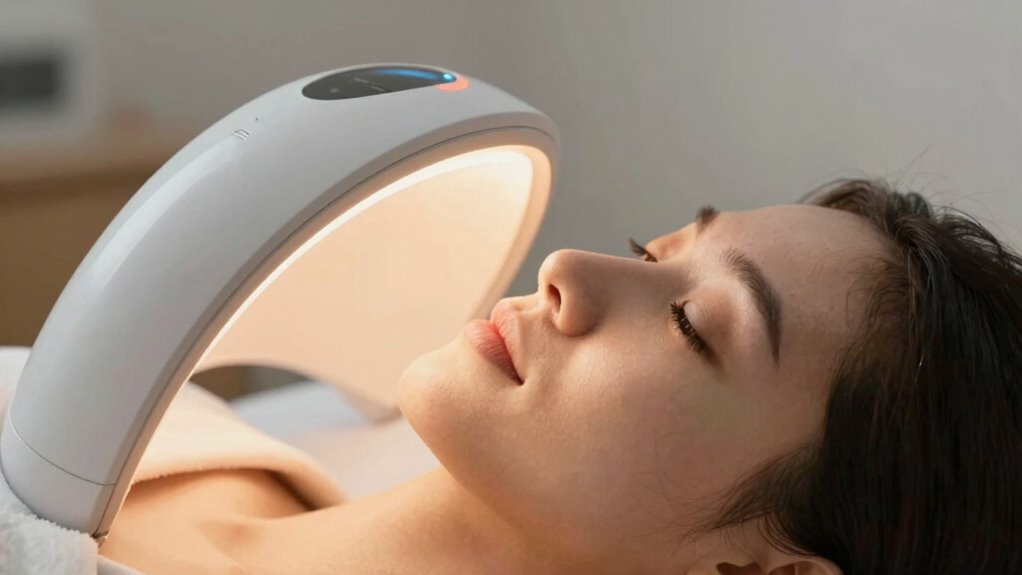
Light therapy devices have gained popularity as a non-invasive way to improve mood and regulate sleep, but it’s important to set realistic expectations. While many people turn to these devices to combat seasonal affective disorder (SAD) or to improve their overall well-being, they aren’t miracle cures. You might experience some relief from symptoms, but results can vary based on individual factors, the intensity of your condition, and how consistently you use the device. Understanding what light therapy can and cannot do helps prevent disappointment and encourages safe, effective use.
If you’re dealing with seasonal affective disorder, light therapy can be a helpful tool to boost your mood during darker months. However, it’s not a substitute for other treatments like therapy or medication if those are recommended by your healthcare provider. Using a light therapy box with the right brightness and duration can make a difference, but it often takes several days or weeks before you notice significant improvements. Patience is key, and keeping expectations realistic helps you stay motivated without feeling let down if quick results don’t happen.
Another important aspect to reflect on is your skin sensitivity. Some people may experience skin irritation or redness when exposed to the bright light. Although this isn’t common, it’s something you need to be aware of, especially if you have sensitive skin. Adjusting the distance from the device or limiting exposure time can help reduce these reactions. If you notice persistent irritation or discomfort, it’s wise to consult a healthcare professional before continuing use. Remember, while light therapy is generally safe, individual sensitivities vary, and paying attention to your body’s responses is essential. Additionally, understanding light therapy devices and how they work can help set proper expectations and optimize their benefits. Recognizing the importance of proper use can significantly influence the effectiveness and safety of your treatment. Being aware of potential side effects and how to address them can also enhance your overall experience with light therapy. Moreover, being informed about the science behind light therapy can help you better understand its mechanisms and realistic outcomes. It’s also beneficial to stay informed about how to choose the right device to ensure you’re using a safe and effective product tailored to your needs.
As an affiliate, we earn on qualifying purchases.
Frequently Asked Questions
Can Light Therapy Replace Medication for Depression?
Light therapy devices can be a helpful addition, but they shouldn’t replace medication for depression without your doctor’s guidance. They’re considered alternative treatments that work well for some, especially with lifestyle adjustments like improved sleep and outdoor activity. However, depression is complex, and combining light therapy with medication or therapy often yields the best results. Always consult your healthcare provider to create a safe, effective treatment plan tailored to you.
How Long Does It Take to See Results?
Most people notice results from light therapy within 1 to 2 weeks, but it varies. On average, the response timeline can range from a few days to several weeks, depending on individual factors. Treatment duration is typically about 30 minutes daily. Keep in mind, consistent use is key—sticking with your routine increases the chances of seeing improvements sooner. Patience and persistence are essential for effective results.
Are There Any Side Effects From Light Therapy?
You might experience minor side effects from light therapy, such as skin sensitivity or eye discomfort. It’s important to follow the device’s safety guidelines, like protecting your eyes and monitoring skin reactions. Some people may notice redness or irritation, but these usually fade quickly. To stay safe, avoid overexposure and consider consulting a healthcare professional if you have pre-existing skin or eye conditions.
Is Light Therapy Effective for Seasonal Affective Disorder?
Think of light therapy as a garden needing sunlight at the right time. It can be effective for seasonal affective disorder if you guarantee proper light intensity and stick to consistent treatment timing. Like watering plants, regular sessions during winter months help lift your mood. But don’t expect instant results; patience and proper use are key. With the right approach, you’ll see brighter days ahead.
Can Light Therapy Improve Sleep Quality?
Yes, light therapy can improve your sleep quality. It helps regulate your circadian rhythm, making it easier to fall asleep and wake up refreshed. By influencing melatonin production, light therapy signals your body when to stay alert and when to prepare for rest. Consistent use, especially in the morning, can lead to better sleep patterns, but results vary, so managing expectations is important.
Conclusion
Remember, light therapy devices aren’t magic; they’re tools to support your well-being. Manage your expectations by understanding their benefits, limitations, and the importance of consistency. Recognize that results vary, patience is key, and realistic goals keep you motivated. Embrace their potential, respect their boundaries, and stay committed. By doing so, you’ll harness their true power, enhance your mental health, and create a balanced approach to your wellness journey.
Halloween Picks
halloween
As an affiliate, we earn on qualifying purchases.