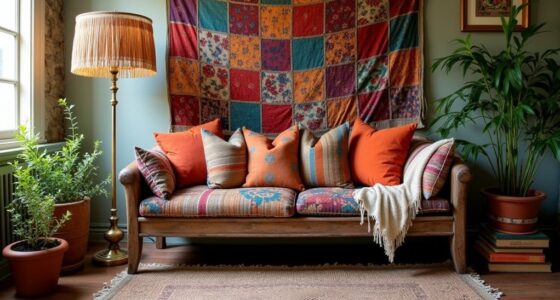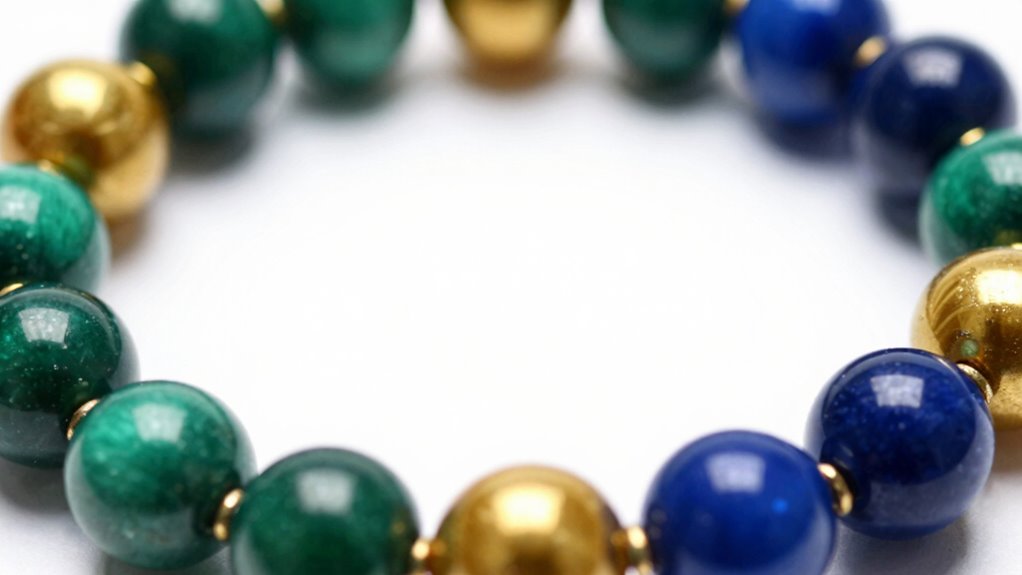

You need negative space in decorative beads and objects because it highlights their shapes and patterns, making them stand out. It helps create visual balance and guides your eye to the main features, ensuring your design doesn’t look cluttered. Negative space also emphasizes textures and colors, making details more noticeable. This balance makes your arrangements appear more sophisticated and cohesive. Keep exploring, and you’ll discover how to make your designs truly mesmerizing.

Get your wardrobe favorites delivered free with Prime
- Fast, free delivery on millions of items
- Prime Video, Amazon Music and more included
- Member-only deals all year
Key Takeaways
- Negative space enhances the shapes, patterns, and overall visual impact of beads and objects.
- It highlights tactile qualities and material differences, making textures more engaging.
- Proper spacing prevents clutter, ensuring a balanced and harmonious composition.
- It guides the viewer’s eye toward focal points and important design elements.
- Negative space conveys sophistication, cohesion, and intentionality in decorative designs.
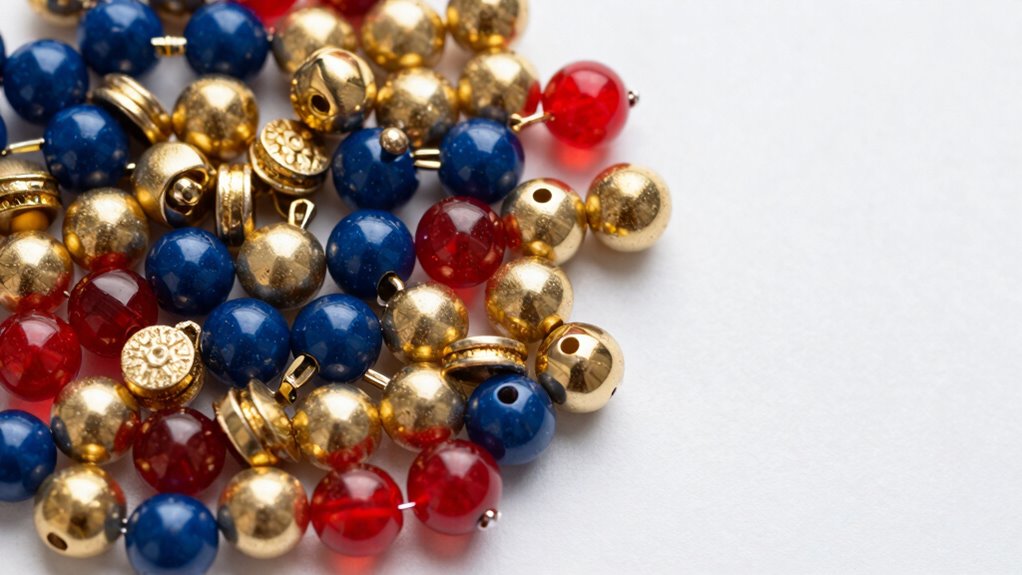
Negative space plays a crucial role in enhancing the visual appeal of decorative beads and objects, allowing the shapes and patterns to stand out more vividly. When you incorporate negative space effectively, you create a sense of balance and harmony, guiding the viewer’s eye toward the main design elements. This space isn’t just empty; it’s a strategic component that provides contrast, making colors pop and details more noticeable. For instance, in beaded jewelry, the negative space around each bead accentuates its color contrast, highlighting the vibrancy or subtlety of the hues. Without this space, the beads could appear cluttered or overwhelming, diminishing their overall impact.
Effective negative space makes beads and patterns stand out, creating balance and highlighting vibrant details.
Material texture also interacts closely with negative space. When you consider the tactile quality of your beads and objects, negative space enhances the perception of texture. A smooth, glossy bead set against a matte background accentuates its shine, while a rough, textured surface stands out even more when surrounded by clean, uncluttered space. This contrast in material textures becomes more striking with proper negative space, emphasizing the unique qualities of each element. You’ll find that strategic spacing allows viewers to appreciate the tactile differences, making your designs more engaging and visually interesting.
Using negative space thoughtfully also helps you achieve a more dynamic composition. You’re able to direct attention precisely where you want it, whether that’s on intricate details or bold color contrasts. When you leave enough room around your beads, you prevent the design from feeling overcrowded, giving each element room to breathe. This balance between filled space and emptiness ensures the viewer’s eye can travel smoothly across the piece, appreciating every detail without feeling overwhelmed. Recognizing the importance of visual balance can help you create more harmonious arrangements that draw viewers in. Additionally, understanding how composition techniques can be applied will further refine your layout choices.
Furthermore, negative space allows you to play with visual weight. Heavier-looking elements, like large beads or dark colors, can be balanced out with more negative space, preventing the design from appearing visually heavy or unbalanced. Conversely, you can fill the space more densely for a different effect, creating focal points that draw immediate attention. By understanding how negative space interacts with color contrast and material texture, you gain greater control over the overall aesthetic, making your decorative beads and objects more compelling and refined. Additionally, understanding visual hierarchy can help you craft more impactful layouts that resonate with viewers. Moreover, employing negative space intentionally can elevate the overall design sophistication of your work, giving it a more professional appearance.
In addition, negative space can help communicate a sense of visual harmony, making your designs feel cohesive and thoughtfully curated. When you master this element, your creations will feel more intentional, balanced, and visually striking, capturing attention and admiration effortlessly.
decorative beads with negative space
As an affiliate, we earn on qualifying purchases.
As an affiliate, we earn on qualifying purchases.
Frequently Asked Questions
How Does Negative Space Influence the Overall Perception of Decorative Beads?
Negative space influences how you perceive decorative beads by emphasizing bead symmetry and creating visual harmony. When you allow space around and between beads, your eyes notice the balance and pattern more clearly. This contrast enhances the attractiveness and clarity of the design, making the beads appear more intentional and cohesive. Without negative space, the beads might look cluttered, reducing the overall impact and making the design less appealing.
Can Negative Space Be Used to Create a Sense of Movement?
Yes, negative space can create a sense of movement by emphasizing the dynamic flow and visual rhythm within your design. When you strategically leave areas empty around decorative beads and objects, it guides the viewer’s eye smoothly across the composition, mimicking motion. This use of negative space makes your piece feel lively and energetic, turning static objects into a visual dance that captures attention and keeps it moving.
What Materials Best Highlight Negative Space in Bead Design?
Think of materials as the brushstrokes in your bead art, highlighting negative space like a spotlight. Glass and metal beads offer striking material contrast, making negative space stand out vividly. Porcelain or matte finishes soften the scene, creating harmony through subtle color interplay. Using transparent or semi-transparent beads emphasizes depth, allowing negative space to breathe. Your choice of materials shapes the visual dance, guiding the eye through your design’s deliberate balance.
How Do Cultural Differences Affect the Use of Negative Space?
Cultural differences profoundly influence how you use negative space in bead design. You might incorporate cultural symbolism to emphasize meaningful gaps or choose aesthetic preferences that favor minimalism or elaborate detail. In some cultures, negative space represents spiritual or social concepts, shaping your approach. Recognizing these cultural nuances helps you create beads that resonate deeply, blending tradition with your unique style while respecting the symbolic and aesthetic values of different communities.
Are There Specific Design Principles for Balancing Positive and Negative Space?
Yes, there are design principles for balancing positive and negative space. You should consider visual weight, ensuring neither space overwhelms the other, creating a sense of equilibrium. Aim for spatial harmony by distributing elements evenly and avoiding clutter. Use negative space strategically to highlight focal points and provide breathing room. This balance enhances aesthetic appeal and clarity, making your decorative beads and objects more engaging and visually pleasing.
Conclusion
Incorporating negative space into your decorative beads and objects isn’t just about aesthetics; it’s about creating balance and visual interest. Did you know that designs with well-utilized negative space are 60% more likely to catch the eye and hold attention? By embracing emptiness around your creations, you enhance their beauty and impact. So, next time you craft, remember that sometimes, what you leave out is just as important as what you put in.
Halloween Picks
halloween
As an affiliate, we earn on qualifying purchases.