Decorative clutter appears as a jumble of random objects that lack purpose, making your space feel chaotic rather than inviting. In contrast, decorative rhythm involves repetition, contrast, and balance to create a visual flow that guides your eye naturally across the room. By understanding this difference, you can transform your environment into a cohesive and harmonious space. Keep exploring to discover how color coordination and placement play key roles in achieving this balance.

Get your wardrobe favorites delivered free with Prime
- Fast, free delivery on millions of items
- Prime Video, Amazon Music and more included
- Member-only deals all year
Key Takeaways
- Decorative clutter is random and lacks purpose, while decorative rhythm uses repetition and balance to create a visual narrative.
- Clutter disrupts harmony; rhythm guides the eye smoothly across the space.
- Clutter introduces chaotic colors; rhythm employs cohesive color schemes for order.
- Effective rhythm emphasizes intentional placement and proportion; clutter appears disorganized.
- Recognizing the difference transforms a space into an inviting, balanced environment.
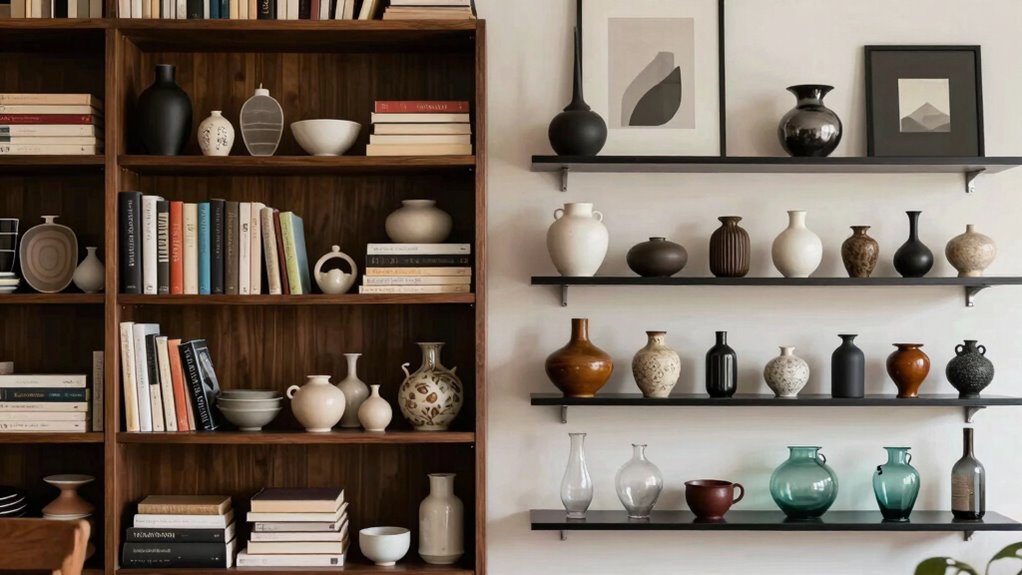
When decorating a space, it’s easy to mistake clutter for creative expression, but understanding the difference can transform your environment. Decorative clutter often appears as a jumble of random objects that don’t serve a purpose or contribute to the overall aesthetic. It can make a room feel chaotic rather than inviting. To create a balanced space, adopting a minimalist approach helps you focus on what truly matters. Instead of filling every surface with trinkets or decorative items, select a few meaningful pieces that add personality without overwhelming the eye. This approach emphasizes simplicity, allowing each item to stand out and breathe within the space.
Embrace minimalism by choosing meaningful decor that enhances your space without overwhelming it.
Color coordination plays a critical role in distinguishing decorative rhythm from clutter. When you plan your decor, aim for a cohesive palette that ties everything together. Using a limited color scheme or repeating specific hues throughout the room creates harmony and flow. This consistency helps your eye move smoothly from one element to another, establishing a visual rhythm that feels intentional and calming. Conversely, clutter often introduces a mishmash of colors that clash or seem random, disrupting any sense of rhythm. By carefully selecting colors that complement each other, you reinforce the sense of order and purpose in your decor. Recognizing visual harmony and applying it thoughtfully can make a significant difference in your interior design. Paying attention to visual balance**** ensures that no single element overwhelms the space, fostering a feeling of tranquility and coherence.
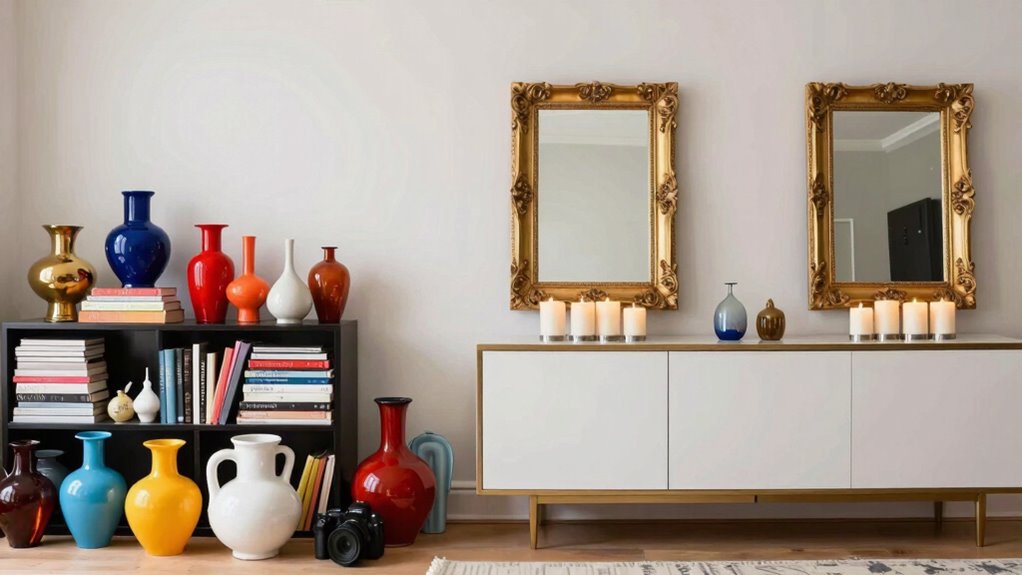
Decorative rhythm involves creating a visual narrative, guiding your eye across the room in a way that feels natural and pleasing. It’s achieved through repetition, contrast, and balance. For example, you might repeat a certain shape or color at regular intervals, or balance larger statement pieces with smaller accents. This rhythm makes your space feel cohesive and thoughtfully curated. On the other hand, clutter lacks this sense of flow. Objects are scattered without regard for size, shape, or color, leading to visual disarray rather than harmony. Incorporating design principles such as proportion and scale can help establish a more intentional decor pattern. Recognizing the importance of visual coherence can help you create a space that feels both dynamic and harmonious. Paying attention to decorative rhythm helps you craft a space that is both engaging and restful to the eye.
When you consciously design with rhythm, every item has a role—whether it’s a statement piece or a subtle accent. By contrast, clutter tends to hide its purpose, making a space feel disorganized and stressful. To cultivate decorative rhythm, consider the placement of each element carefully, ensuring it contributes to a balanced, pleasing composition. Use the minimalist approach to limit the number of objects and employ color coordination to unify the design. This way, your decor becomes a curated experience rather than a chaotic collection. Recognizing the difference between clutter and rhythm allows you to craft a space that feels intentional, inviting, and visually satisfying.
As an affiliate, we earn on qualifying purchases.
Frequently Asked Questions
How Can I Identify Decorative Clutter in My Space?
You can identify decorative clutter by noticing when objects disrupt visual balance or clash in color coordination. If your space feels chaotic, with items crowding surfaces or drawing your eye away, it’s clutter. Look for things that don’t serve a purpose or don’t complement each other. Removing or rearranging these pieces will restore harmony, creating a more cohesive look and allowing your decor’s rhythm to shine through.
What Are Common Mistakes When Creating Decorative Rhythm?
Are you balancing simplicity and avoiding symmetry? A common mistake is overloading a space with too many items, which disrupts decorative rhythm. Another mistake is relying too much on symmetry, making the space feel predictable and dull. Instead, aim for varied heights, textures, and placements that create visual interest without cluttering. Keep a sense of balance by thoughtfully spacing your decor, so it feels lively yet harmonious.
Can Decorative Clutter Ever Be Intentionally Styled?
Yes, decorative clutter can be intentionally styled to enhance your space. By carefully selecting clutter aesthetics, you create a curated look that adds personality and charm. Focus on balance, grouping similar items, and maintaining a cohesive color palette. This intentional styling transforms what might seem like chaos into a deliberate design choice, making your space feel lively and inviting while avoiding the pitfalls of random clutter.
How Does Lighting Affect Decorative Rhythm?
Lighting plays a vital role in shaping decorative rhythm by highlighting patterns and creating visual flow. Ambient illumination provides a soft, overall glow that sets the mood, while focal lighting emphasizes specific elements, guiding your eye through the space. You can use these techniques to enhance the rhythm, making your décor more dynamic and cohesive. Proper lighting guarantees your decorative elements work together, avoiding clutter and emphasizing harmony.
Are There Specific Styles That Favor Decorative Clutter or Rhythm?
Did you know that 65% of interior designers prefer minimalist balance over clutter? You’ll find that modern, minimalist styles favor decorative rhythm, creating a clean, flowing feel. Conversely, vintage accents often embrace decorative clutter, adding character and personality. If you want a calming space, opt for minimalist balance with simple lines. For a cozy, eclectic vibe, incorporate vintage accents with layered, decorative clutter that tell a story.
Conclusion
Understanding the difference between decorative clutter and decorative rhythm is like discovering a secret language your space whispers. When you balance the two, your home becomes a harmonious melody rather than a chaotic noise. Think of decorative rhythm as the steady beat that guides your eye smoothly through the room, while clutter is the discordant note you want to avoid. Mastering this balance transforms your space into a symphony of style and serenity.
Columbus Day / Indigenous Peoples' Day Picks
long weekend sales
As an affiliate, we earn on qualifying purchases.