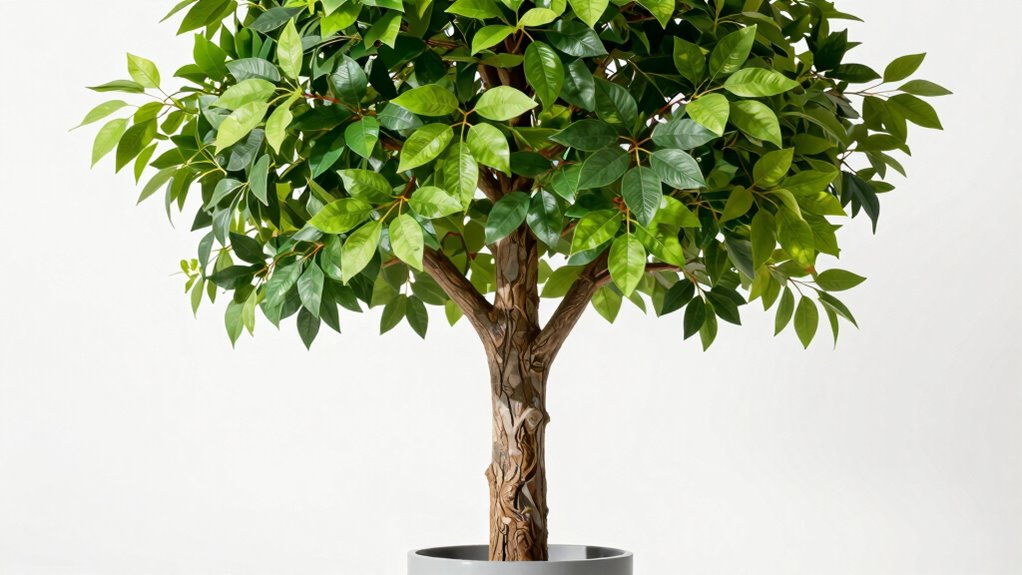

To find artificial trees that look real, focus on five key details: check for natural-looking lighting effects and size accuracy; examine the quality of leaves for color variation and texture; look at the branches for natural variation and balance; make certain the trunk has realistic bark patterns and sturdy support; and confirm the finish and materials resist fading and damage. Paying attention to these aspects helps you pick a convincing, durable tree. Keep exploring to uncover even more tips for choosing the perfect match.
Key Takeaways
- Examine leaf color and texture for natural variation and realistic appearance.
- Assess branch density and irregularities to mimic organic growth patterns.
- Check trunk details like bark texture and asymmetry for authenticity.
- Ensure the base is sturdy and well-balanced to support stability.
- Verify material quality, finish, and UV resistance for durability and long-lasting beauty.
What Features Make Artificial Trees Look Real?
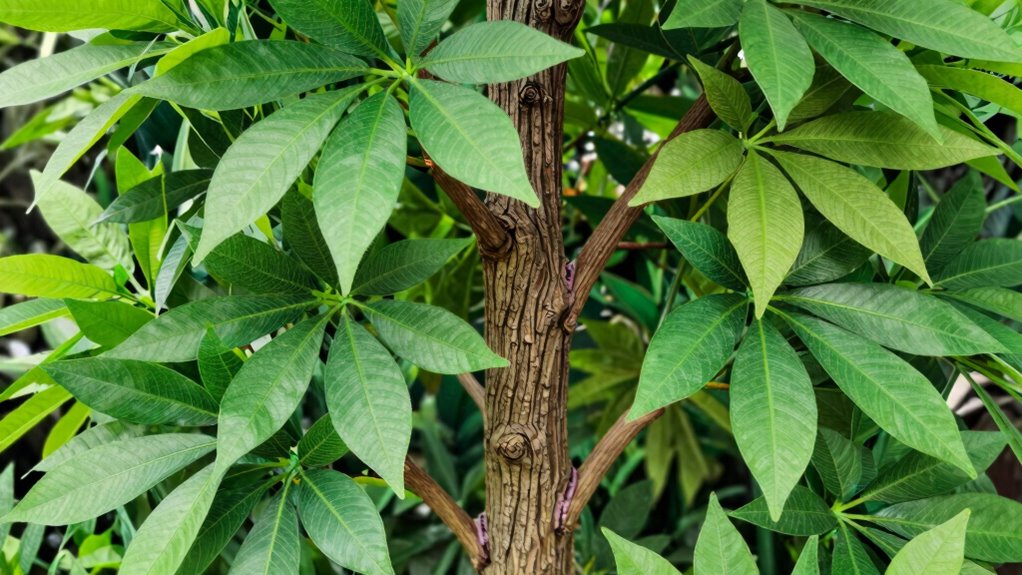
When choosing an artificial tree that looks realistic, paying attention to certain features can make all the difference. Lighting effects play a vital role; a well-designed tree mimics natural light reflections, giving leaves a lifelike shimmer. Look for trees with varied lighting effects that enhance depth and realism. Size accuracy is equally important—verify the tree matches the scale of your space and resembles a real tree in proportion. An overly small or large tree can look artificial regardless of other features. Examine the trunk and branch thickness, which should align with natural growth patterns. These details help create a convincing appearance, making your artificial tree seem authentic rather than plastic or cartoonish. Paying attention to market reputation and customer reviews can also guide you toward high-quality options. Additionally, considering the manufacturing quality ensures durability and a more realistic look over time. Attention to lighting effects and size accuracy ensures your tree adds a natural touch to your decor.
How Can You Tell If the Leaves and Foliage Are High Quality?
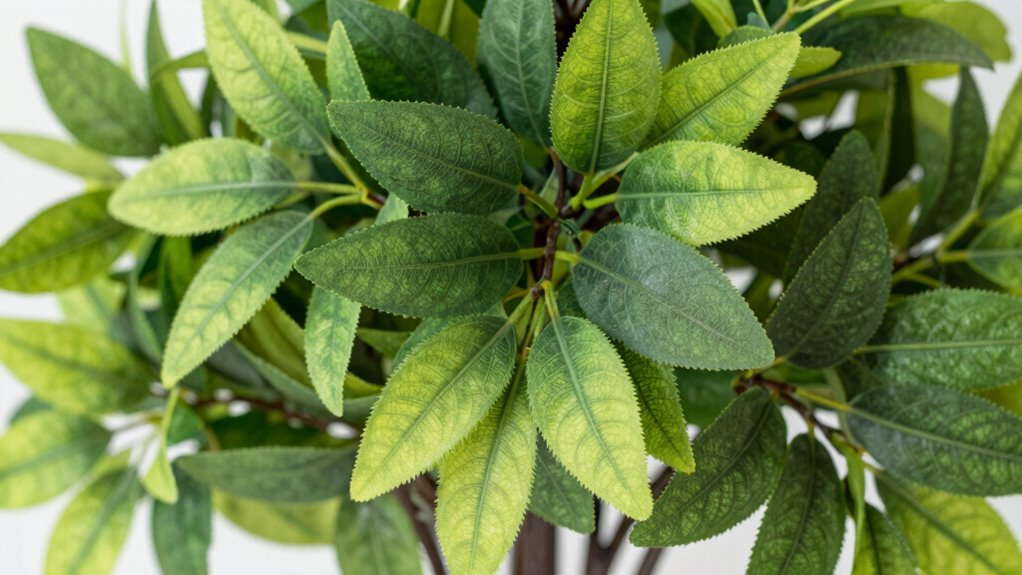
High-quality leaves and foliage can dramatically enhance the realism of your artificial tree. To evaluate this, consider these key points:
- Leaf Color: Look for natural, varied shades rather than uniform hues, which indicate authentic leaf coloring. Variations in color can mimic the subtle differences found in real foliage.
- Foliage Density: Check that the foliage isn’t sparse; a dense arrangement mimics real trees and adds depth.
- Leaf Texture: Feel the leaves—high-quality ones have a realistic texture, not plastic-like or overly shiny.
- Edge Detailing: Examine leaf edges for subtle irregularities, reflecting natural leaf shapes rather than overly perfect cuts.
- Material Quality: Assess the overall material quality, ensuring the leaves are made from durable, high-grade materials that resist fading and wear over time. Additionally, high-quality foliage often incorporates UV-resistant materials, which help maintain their appearance outdoors. Regularly inspecting the material durability can help ensure your artificial trees stay looking realistic over the years. A focus on manufacturing standards can also be an indicator of superior quality in artificial foliage.
Do the Branches and Structure Look Natural?
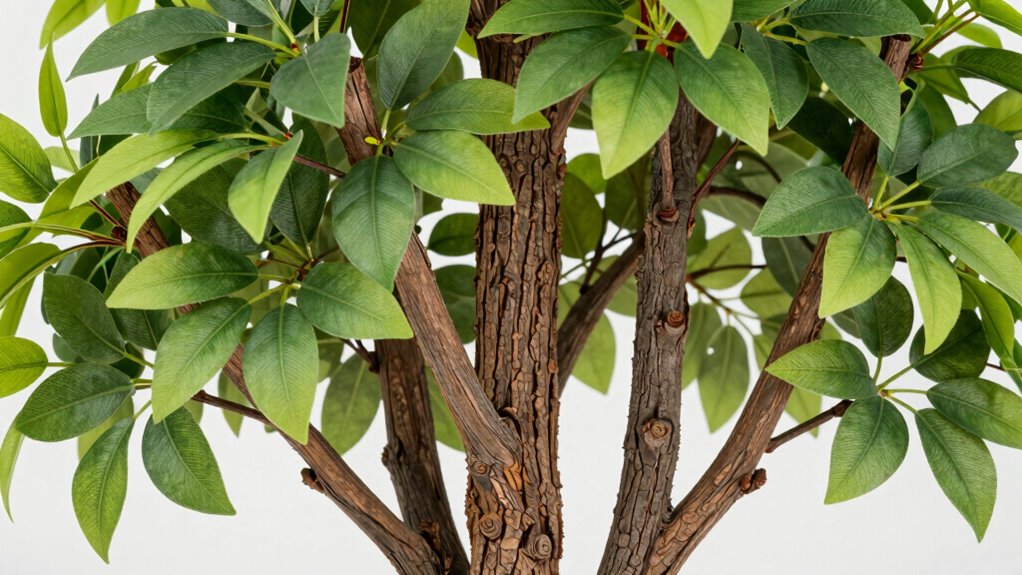
To determine if the branches and structure look natural, carefully observe how the pieces are assembled. Check the branch density – it should vary naturally, with some branches thicker and others more delicate, mimicking real trees. Uniform or overly symmetrical branch placement can make the tree look fake. Examine the trunk texture; a realistic trunk has irregularities, bark patterns, and a natural color variation. Smooth, plasticky textures immediately stand out as artificial. Look for a balanced, stable structure that supports the branches without wobbling. The overall shape should resemble an actual tree, with an organic, asymmetrical form. Additionally, pay attention to cultural symbolism in the design, as authentic trees often incorporate natural motifs that reflect real-world flora. Considering the material quality can also help distinguish a realistic artificial tree from a less convincing one. A closer inspection of the attachment points and how the branches are anchored can reveal craftsmanship details that indicate quality. It’s also helpful to assess the lighting and shading effects on the branches, as natural variations in light can enhance realism. Furthermore, inspecting the integration of natural elements can provide insight into the authenticity of the design. By paying attention to these details, you’ll better judge whether the branches and structure truly look natural.
What Should You Look for in the Tree’s Trunk and Base?

The trunk and base are essential for the overall stability and realism of the artificial tree. To guarantee durability and a natural look, check these key aspects:
- Tree stability: Make sure the base is sturdy and can support the height and weight of the tree without wobbling. A well-designed base weight helps prevent tipping and maintains balance. Properly balanced weight distribution further enhances stability. Additionally, verifying that the materials used are suitable for outdoor or indoor conditions ensures long-term durability. For added security, consider whether the base employs anchoring mechanisms for extra support in windy or high-traffic areas.
- Trunk texture: Look for a realistic trunk texture that mimics real bark, with detailed grooves and irregularities.
- Material quality: Confirm the trunk is made from durable materials that won’t crack or fade over time.
- Base design: Ensure the base is weighted or anchored properly to prevent tipping and provide extra stability.
Focusing on these elements guarantees your artificial tree will stand firm and look authentic in your space. Additionally, paying attention to practical, room-by-room solutions helps ensure your overall setup remains both stable and visually convincing.
How Do You Check the Finish and Material Durability?
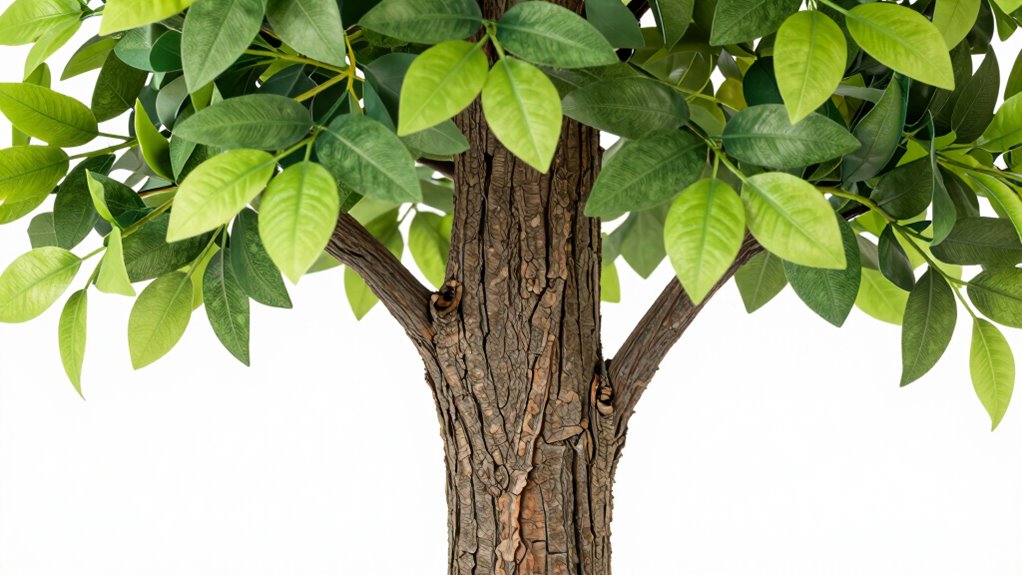
Examining the finish and material durability of an artificial tree guarantees it will maintain its appearance over time. Start by inspecting the finishing techniques used; a high-quality finish should be smooth, evenly applied, and resistant to chipping or peeling. Touch the surface to check for a consistent texture and avoid areas that feel rough or uneven. Consider the material longevity by evaluating the type of materials used—UV-resistant plastics or treated silk tend to last longer. Look for signs of fading or discoloration, especially if the tree will be placed in sunlight. A durable finish ensures the colors stay vibrant, and quality materials prevent cracking or deterioration. Properly checked, your artificial tree will remain attractive and sturdy for years to come. Quality assurance ensures that the materials and finish meet industry standards for longevity and appearance.
Frequently Asked Questions
How Long Do Artificial Trees Typically Last Before Needing Replacement?
Artificial trees usually last between 8 to 15 years, depending on their lifecycle expectancy and material durability. If you choose high-quality materials like PE or PVC, your tree can stay looking realistic for many years. Proper care, like cleaning and avoiding direct sunlight, also extends its lifespan. So, you can enjoy your artificial tree for over a decade if you select durable options and maintain it well.
Are There Maintenance Tips to Keep Artificial Trees Looking Realistic?
While watering tips don’t apply to artificial trees, you can keep them looking realistic by dusting regularly and avoiding direct sunlight. Placement considerations matter—position your tree away from heat sources or drafts to prevent fading or damage. Use a gentle brush or compressed air to remove dust, and consider occasional wiping with a damp cloth. These simple maintenance tips help your artificial tree stay vibrant and lifelike for years.
Can Artificial Trees Withstand Outdoor Weather Conditions?
Artificial trees can withstand outdoor weather if they have good UV resistance and wind durability. Look for models made with weatherproof materials that resist fading and cracking from sun exposure. Make sure they’re securely anchored to handle strong winds, preventing toppling or damage. Properly maintained, these trees remain vibrant and sturdy, making them suitable for outdoor use. Always check product specifications for UV and wind resistance before purchasing.
What Are the Best Cleaning Methods for Artificial Foliage?
Like tending a delicate garden, you should clean your artificial foliage regularly to maintain its beauty. Dust removal techniques such as gentle brushing or using a soft cloth work best. Cleanings should be done every few months, depending on dust accumulation. For stubborn dirt, lightly spray with water or use a mild soap solution. Avoid harsh chemicals to preserve the material’s integrity, keeping your artificial tree looking fresh and realistic.
How Eco-Friendly Are Artificial Trees Made From Synthetic Materials?
Artificial trees made from synthetic materials vary in eco-friendliness. You should look for options with synthetic material sustainability, which use recycled or eco-friendly components. Many manufacturers now focus on eco-friendly manufacturing processes, reducing harmful emissions and waste. While they aren’t biodegradable, choosing trees from brands committed to sustainability helps lessen environmental impact. Always check for certifications or labels indicating eco-conscious practices to make a greener choice.
Conclusion
When shopping for artificial trees that look real, focus on the details—inspect the leaves for vibrant, natural colors, examine the branches for flexibility and authenticity, evaluate the trunk for sturdy, realistic texture, and guarantee the finish resists wear. By paying attention to these key features, you’ll find a tree that mimics nature beautifully, enhances your space, and endures over time. Choose wisely, observe carefully, and enjoy a stunning, lifelike addition to your home or office.