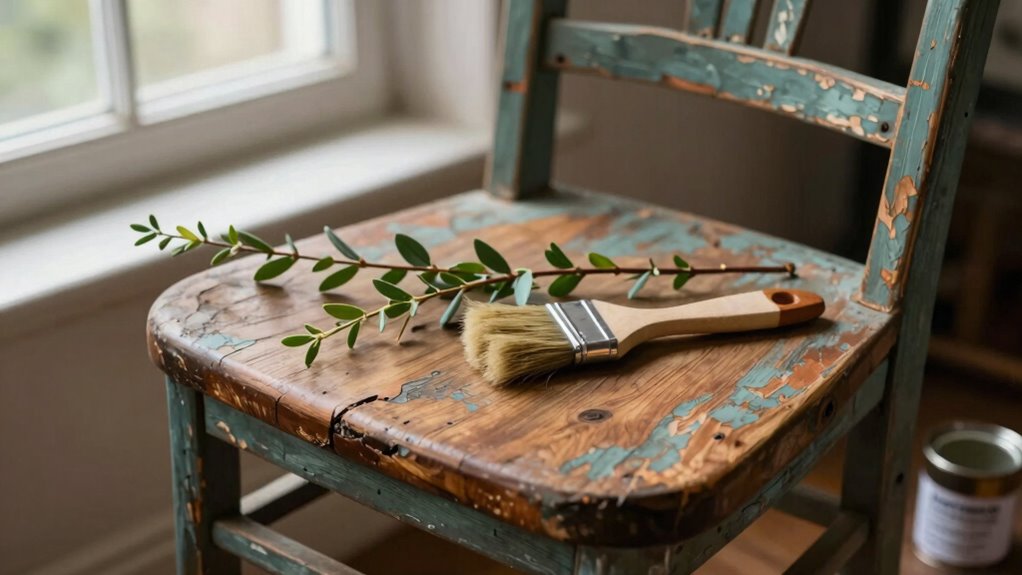

To refresh old furniture without losing its charm, start by cleaning thoroughly and evaluating its details. Use gentle techniques like light sanding to remove gloss, then apply chalk or milk paint to enhance the vintage look. Focus on highlighting original features with subtle distressing or glazing, and use tinted wax or stains to deepen the color naturally. Remember, less is more—you want to preserve its character while giving it a fresh feel. Keep exploring for more tips to perfect your restoration.

Get your wardrobe favorites delivered free with Prime
- Fast, free delivery on millions of items
- Prime Video, Amazon Music and more included
- Member-only deals all year
Key Takeaways
- Clean thoroughly and assess original details to preserve vintage features during refinishing.
- Use chalk or milk paint to add a fresh look while maintaining authentic character.
- Lightly sand edges and details to create a subtle distressed finish that reveals underlying layers.
- Apply tinted wax or stain to refresh wood tones without covering natural grain.
- Use gentle techniques and eco-friendly materials to enhance, not erase, the piece’s history.
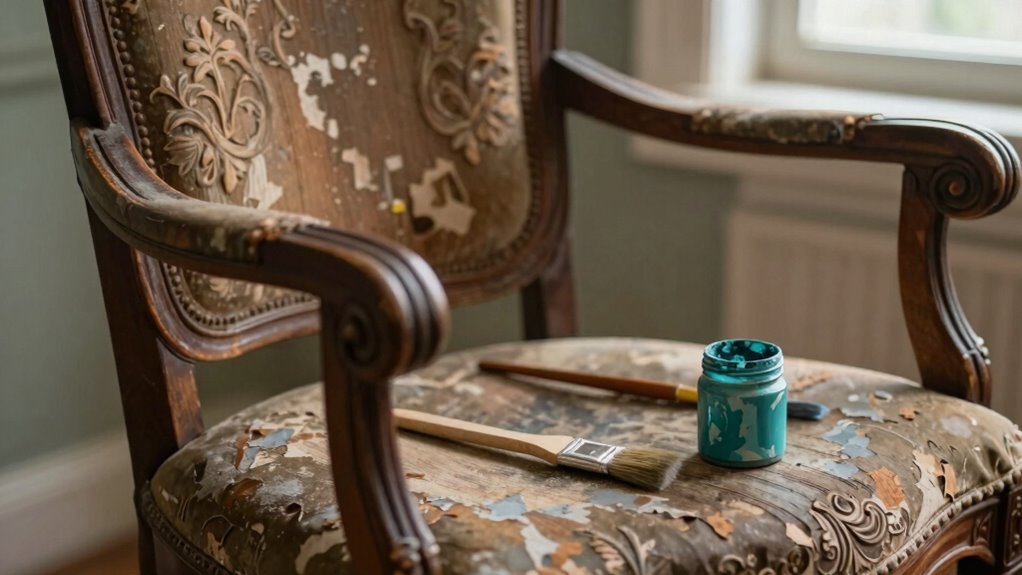
Revitalizing old furniture is a rewarding way to breathe new life into pieces you love or find affordable. Instead of discarding or heavily altering these items, you can preserve their vintage charm while giving them a fresh look. The key lies in using thoughtful paint techniques that enhance, rather than erase, their character. When you approach your project with care, you’ll find it’s possible to refresh your furniture without losing the stories embedded in its design.
Start by cleaning your piece thoroughly to remove dirt, grease,, and any loose paint. Once it’s dry, assess the furniture’s original details—like carved edges, distressed finishes, or unique hardware—that contribute to its vintage appeal. These features shouldn’t be hidden but highlighted. When choosing your paint, opt for a finish that complements the piece’s age. Chalk paint is a popular choice because it adheres well to old surfaces and creates a matte, vintage look that enhances character. You can also consider milk paint or mineral-based paints for an authentic feel.
Highlight original details with chalk, milk, or mineral-based paints for a vintage, authentic look.
Next, explore different paint techniques to preserve or enhance the furniture’s charm. For a distressed look that celebrates age, apply a base coat, then lightly sand areas where natural wear would occur—edges, corners, or raised details. This technique reveals glimpses of the underlying wood or previous paint layers, adding depth and authenticity. For a more deliberate vintage effect, use stenciling or glazing to accentuate details like moldings or carvings. Applying a transparent or tinted wax over your painted surface can also deepen the color while protecting the finish and giving it a soft, aged appearance. Additionally, researching vintage furniture restoration techniques can inspire creative ways to maintain authenticity.
If you want to preserve the original finish, consider a layered approach. Lightly sanding the surface will remove any glossy topcoat, allowing your paint to adhere better, while still maintaining the underlying character. Sometimes, a simple tinted wax or stain can refresh the wood’s hue without covering its natural grain. When applying paint or wax, use soft brushes or cloths, working gently to avoid masking the furniture’s inherent vintage charm. Incorporating sustainable practices like repurposing and eco-friendly paints can further enhance your commitment to preserving our environment.
Throughout the process, remember that less is often more. Your goal is to enhance, not erase, the history of the piece. By carefully choosing your paint and techniques, you can create a beautiful, refreshed piece that retains its unique character—showcasing the beauty of vintage charm with a personal touch.
As an affiliate, we earn on qualifying purchases.
Frequently Asked Questions
Can I Refinish Furniture Without Sanding It First?
Yes, you can refinish furniture without sanding first, especially if you want to preserve its furniture history and character. Use a chemical deglosser or a liquid sander to remove any gloss and old finishes gently. These restoration techniques help prepare the surface without stripping away the underlying details. Just make sure to clean thoroughly afterward, and choose a compatible finish to maintain the piece’s authentic look and charm.
What Tools Are Essential for Refreshing Old Furniture?
Did you know that 85% of furniture refreshes involve simple tools? For that, you’ll need essential items like screwdrivers and a putty knife. Decorative hardware instantly updates your piece’s look, so keep some on hand. Upholstery techniques, such as fabric staples and a staple gun, are also handy for reupholstering or adding new cushions. These tools help preserve character while giving your furniture a fresh, personalized touch.
How Do I Choose the Right Paint Color?
To choose the right paint color, start by considering your existing decor and the mood you want to set. A cohesive color palette helps create harmony, so pick shades that complement your space. Think about whether you want a calming, energetic, or cozy vibe. Test small samples first, observe how they look in different lighting, and select a hue that enhances your furniture’s character while aligning with your desired atmosphere.
Is It Necessary to Apply a Protective Finish Afterward?
Nope, a protective finish isn’t always necessary—unless you want your furniture to survive the apocalypse. Protective coatings and surface sealing keep your piece safe from spills, scratches, and wear, extending its charm. If you’re happy with a matte, vintage look, skip it. But if you want durability and easy cleaning, applying a protective finish is your best bet. It’s the armor your furniture secretly craves.
How Long Does the Entire Refurbishment Process Take?
The entire furniture restoration process typically takes from a few hours to several days, depending on the furniture’s condition and the DIY techniques you choose. If you’re just cleaning and lightly sanding, it might only take a few hours. However, for more detailed work like refinishing or staining, expect it to take up to a couple of days. Planning ahead helps guarantee you have enough time for each step without rushing.
Conclusion
Revitalizing old furniture doesn’t have to mean losing its charm. With a little care and creativity, you can breathe new life into cherished pieces while keeping their unique character intact. Remember, it’s often the little touches that make a big difference. So, don’t be afraid to roll up your sleeves and give your furniture a new look—it’s worth the effort. After all, you want to preserve the soul of your pieces, not just the surface.
Fall Picks
fall essentials
As an affiliate, we earn on qualifying purchases.