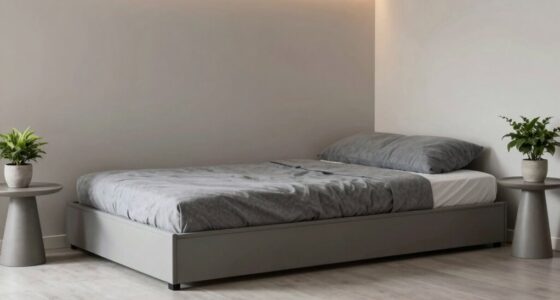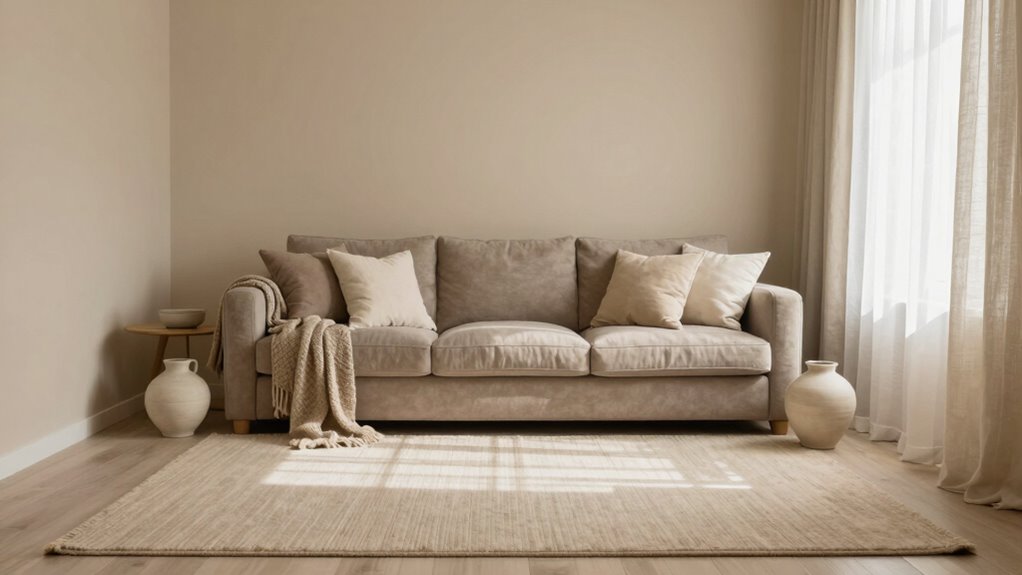

Layered neutrals work better in small spaces because they create a calm, open atmosphere that loud patterns can overwhelm. Using soft, neutral tones with diverse textures adds depth and visual interest without making the room feel cluttered. This approach makes spaces appear larger and more cohesive, promoting tranquility. By focusing on subtle variations, you can achieve a sophisticated look that’s timeless and versatile—if you keep exploring, you’ll discover even more ways to enhance your space.

Get your wardrobe favorites delivered free with Prime
- Fast, free delivery on millions of items
- Prime Video, Amazon Music and more included
- Member-only deals all year
Key Takeaways
- Layered neutrals create a sense of depth and openness without visual clutter, making small spaces appear larger.
- Subtle shade variations and textures add interest while maintaining a calm, cohesive environment.
- Neutral schemes prevent overwhelming the senses, ensuring the room feels serene and balanced.
- They are versatile and timeless, allowing easy updates without disrupting the overall harmony.
- Texture layering enhances visual richness without the chaos of loud patterns, fostering a refined aesthetic.
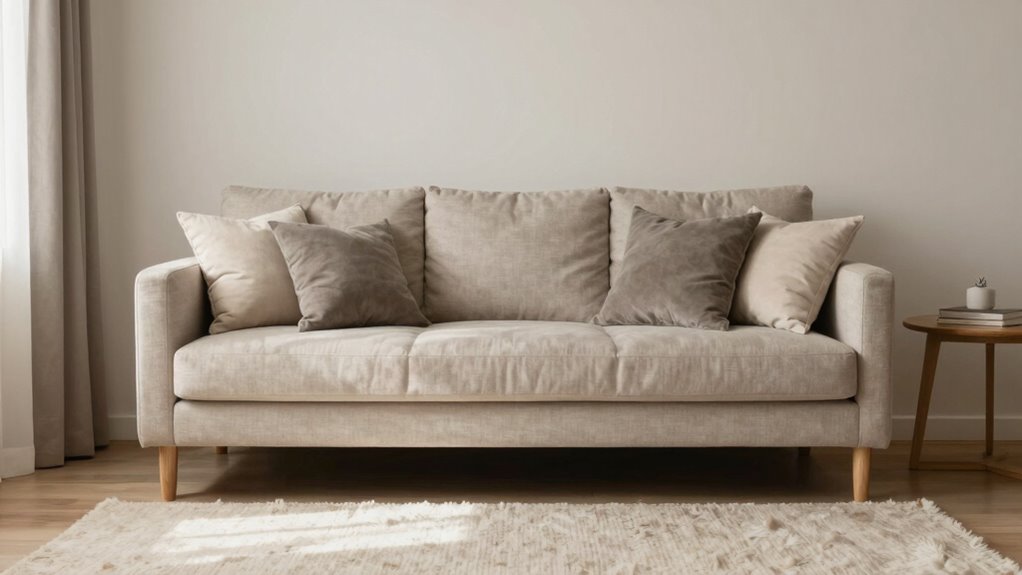
When designing small spaces, layering neutral tones can create a sense of depth and sophistication without overwhelming the room. Instead of relying on loud patterns or bold colors, you focus on subtle variations in shades, which makes the space feel more expansive and inviting. This approach leverages color psychology, where soft, neutral hues evoke calmness and balance, helping you create a tranquil environment. By choosing shades like warm beiges, cool greys, or creamy whites, you influence the mood of the room, making it feel open and restful rather than cramped or chaotic.
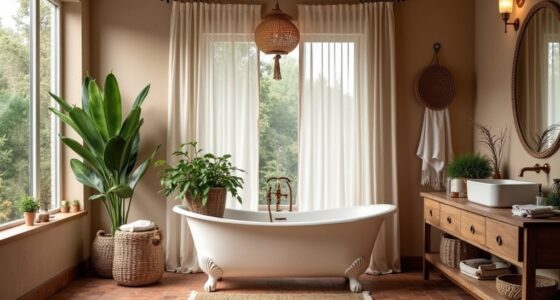
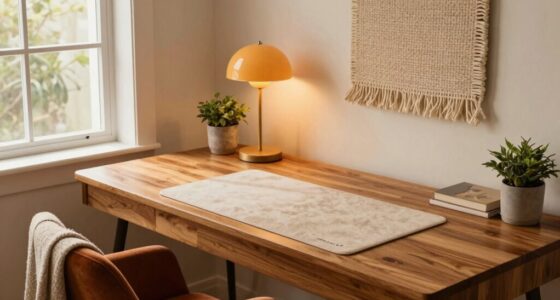
Texture layering becomes a crucial element when working with neutrals. It’s not enough to simply pick the right shades; you also want to introduce a variety of textures—think plush rugs, matte finishes, smooth fabrics, and rougher surfaces. These textures catch the light differently and add visual interest without competing with each other. When you combine different textures within a neutral palette, you create a layered look that adds depth and richness to your space. This tactile variety makes the room feel more dynamic and thoughtfully curated, even when the color scheme remains understated. Incorporating textural contrast can further emphasize this layered effect, enhancing the overall aesthetic. Additionally, understanding the importance of color psychology can help you select shades that promote desired moods and atmospheres in your space.
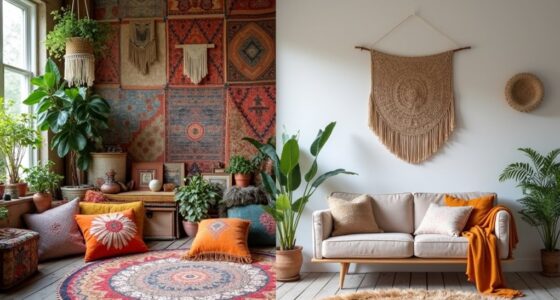
Layered neutrals work better than loud patterns because they don’t compete for attention. Loud patterns can easily overpower a small space, making it feel cluttered or busy. In contrast, neutral tones allow your eye to rest while still providing enough visual complexity through subtle variations. When you use a monochromatic or analogous color scheme, your room appears larger and more cohesive, because the eye isn’t constantly distracted by competing colors or busy designs. Texture layering further enhances this effect, giving each element a distinct feel while maintaining harmony overall.
Layering neutrals creates a cohesive, spacious look without overwhelming, adding depth through subtle variations and harmonious textures.
The beauty of neutral layering lies in its versatility. It invites you to experiment with different shades and textures without the risk of clashing or overwhelming the senses. You can add interest through throw pillows, curtains, or decorative objects, all within the same neutral family. This consistency helps your small space feel curated and intentional, rather than chaotic. Plus, because neutrals are timeless, your decor will stay stylish through changing trends, giving you a lasting, elegant environment. Incorporating biodiversity-conscious decor elements, such as natural materials or plant accents, can also enhance the calming effect of a neutral palette and connect your space to sustainable living principles. Sustainable design strategies further support this harmonious and eco-friendly approach.
In the end, choosing layered neutrals over loud patterns isn’t just about aesthetics—it’s about creating a space that feels open, serene, and refined. With thoughtful use of color psychology and texture layering, you craft a small space that’s both functional and sophisticated, where every element complements the other without competing for attention.
Popular right now

Shark AI Ultra Robot Vacuum with Self-Empty Base

KitchenAid Artisan 5-Quart Tilt-Head Stand Mixer, KSM150PS, Almond Cream

Vitamix Propel Series 510 Professional-Grade Blender, 3 Programs, Black
As an affiliate, we earn on qualifying purchases.
Frequently Asked Questions
How Do Layered Neutrals Affect Room Lighting?
Layered neutrals enhance room lighting by creating soft lighting effects and subtle color reflection. You’ll notice that these tones bounce natural and artificial light evenly, making your space feel brighter and more open. Since neutrals reflect light without overpowering it, they help amplify existing light sources. This results in a cozy, inviting atmosphere where the room feels larger and more balanced, perfect for small spaces.
Can Layered Neutrals Be Used With Bold Accent Pieces?
You can absolutely pair layered neutrals with bold accent pieces; it’s like a dance of subtlety and vibrancy. Incorporate bold accessories to create eye-catching color contrast while maintaining a cohesive look. The neutral layers serve as a calm backdrop, allowing your statement pieces to shine without overwhelming the space. This balance enhances small rooms by adding personality without clutter, making every detail work harmoniously for a stylish, inviting environment.
Are Layered Neutrals Suitable for Modern or Traditional Styles?
Layered neutrals suit both modern and traditional styles, offering great style versatility. They create a harmonious look by balancing different shades and textures, making your space feel cohesive and inviting. In modern decor, layered neutrals add subtle sophistication, while in traditional settings, they enhance warmth and timeless charm. Their flexible nature allows you to effortlessly adapt your space, ensuring color harmony regardless of your preferred style.
How Do You Add Texture With Neutral Tones?
To add texture with neutral tones, you should play with color contrast and fabric choices. Use a mix of matte and shiny surfaces, like a velvet cushion against a linen sofa, to create visual depth. Incorporate varied textiles such as woven throws, textured rugs, and embroidered pillows. These elements work together to bring tactile interest, making your space feel inviting, layered, and rich without overwhelming the room’s subtle, neutral palette.
What Are Common Mistakes When Decorating With Layered Neutrals?
A common mistake is neglecting color harmony, which can make your space feel disjointed. You might also overlook furniture coordination, resulting in a cluttered or mismatched look. Make sure your neutral tones complement each other and choose furniture that enhances the overall palette. Avoid mixing too many textures or shades without a cohesive plan, and always consider how each piece contributes to a balanced, serene environment.
Conclusion
Think of layered neutrals as the gentle whisper of a calming breeze in your small space, creating a harmonious sanctuary that feels larger and more inviting. Instead of loud patterns that shout for attention, neutrals dance softly, blending seamlessly like a peaceful melody. When you embrace layering these subtle hues, you’re painting your home with a quiet confidence—turning a tiny room into a spacious oasis where serenity reigns and every detail whispers elegance.