
In boho fashion, cultural appreciation means respecting and understanding the meaning behind traditional symbols and textiles, supporting the communities that create them. Cultural appropriation, however, involves using these symbols superficially for style, often ignoring their sacred or historical importance. To honor cultures, avoid stereotypes, and prevent misusing meaningful elements, focus on authentic sources and respectful engagement. If you want to explore how to celebrate cultures responsibly, there’s more to learn about their significance and best practices.
Key Takeaways
- Appreciation respects cultural symbols and supports authentic artisans, while appropriation uses symbols superficially for aesthetic appeal.
- Cultural symbols hold deep spiritual and historical significance; misusing them diminishes their importance.
- Appropriation often commodifies cultural elements, erasing original meanings and perpetuating stereotypes.
- Responsible fashion involves understanding a symbol’s context and supporting communities rather than superficial use.
- Avoid wearing sacred or culturally significant items as fashion statements to prevent disrespect and cultural insensitivity.
Have you ever wondered where the line is between appreciating and appropriating cultural elements in boho fashion? It’s a nuanced distinction that often gets blurred, especially as trends become more mainstream. When you see a flowy dress adorned with intricate patterns inspired by indigenous textiles or spiritual symbols, it’s easy to feel captivated. However, understanding the significance behind these traditional symbols is essential. Traditional symbolism isn’t just decoration; it often holds deep cultural, spiritual, or historical meaning for the communities that created them. Wearing these symbols without understanding their context can diminish their importance and reduce them to mere aesthetic accessories. This is where fashion commodification comes into play—when cultural elements are stripped of their original meaning and repurposed solely for commercial appeal. As a consumer or creator, you might unknowingly contribute to this process by adopting elements without considering their origins, turning cultural symbols into trendy commodities that circulate in the fashion market.
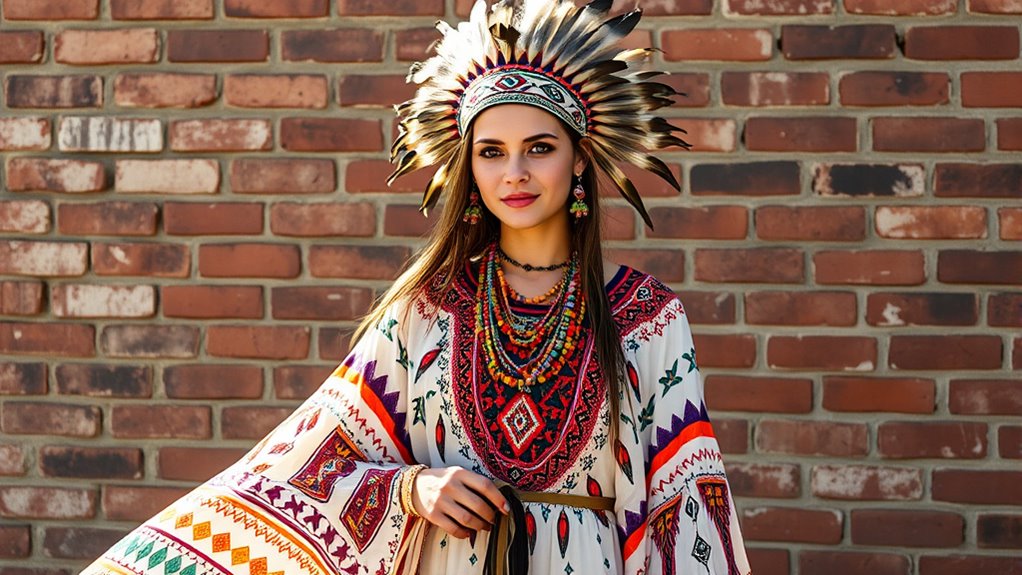
Acknowledging the difference between appreciation and appropriation requires awareness. Appreciation involves respecting and honoring a culture’s traditions, often by seeking to understand their significance and, where possible, supporting creators from the communities themselves. Appropriation, on the other hand, often involves taking cultural symbols out of their original context and using them superficially for aesthetic gain. For example, wearing a Native American headdress as a fashion statement disregards its sacred meaning and the history of oppression associated with it. When you buy or wear items inspired by other cultures, ask yourself: do I understand the cultural significance behind these symbols? Are there ways to celebrate these traditions respectfully? Supporting artisans from those cultures or purchasing authentic, ethically-made pieces can be a good step toward responsible appreciation.
Furthermore, understanding the cultural significance of these symbols can help prevent their trivialization or misinterpretation. It’s also essential to recognize how fashion commodification fuels stereotypes and can perpetuate harmful narratives. When cultural elements are commodified, they risk becoming generic or exoticized, stripping them of their original context and reducing them to trendy accessories. This process not only disrespects the communities behind these symbols but also erases their authenticity. If you’re passionate about boho fashion, approach it with a mindset of cultural curiosity and respect. Educate yourself about the origins of the patterns, textiles, and symbols you’re drawn to. Seek out authentic sources or artisans who preserve traditional craftsmanship. By doing so, you help support a more respectful, meaningful exchange rather than contributing to the cycle of cultural commodification and superficial use. This way, your fashion choices can become a genuine expression of admiration, not cultural appropriation.
Frequently Asked Questions
How Can I Respectfully Incorporate Cultural Elements Into My Wardrobe?
To respectfully incorporate cultural elements into your wardrobe, practice cultural sensitivity by learning about their origins and significance. Always choose pieces from brands or artisans who practice respectful sourcing, ensuring fair compensation and acknowledgment. Avoid stereotypes or superficial use, and support authentic craftsmanship. By doing this, you honor the culture and show genuine appreciation rather than appropriation, making your fashion choices both stylish and respectful.
What Are Common Signs of Cultural Appropriation in Fashion?
You can spot cultural appropriation in fashion when you see elements used disrespectfully or out of context, often without understanding their significance. Signs include stereotypes, exaggerated costumes, or items worn purely for trend without cultural sensitivity. To practice fashion ethics, you should educate yourself about the origins, respect cultural meanings, and seek authentic sources. This guarantees you’re honoring the culture rather than appropriating it.
Who Decides What Constitutes Cultural Appreciation Versus Appropriation?
You decide what counts as cultural appreciation versus appropriation by considering cultural boundaries and authenticity concerns. It’s about your intent, respect, and understanding of the culture you’re engaging with. Ask yourself if you’re honoring traditions or just using them superficially. Listening to community voices and learning about their significance helps you make mindful choices. Ultimately, it’s your responsibility to guarantee your actions are respectful and authentic, avoiding harmful appropriation.
How Does Cultural Exchange Differ From Cultural Exploitation?
Cultural exchange celebrates sharing customs with respect, while exploitation exploits these differences for personal gain. You can differentiate them by respecting cultural boundaries and valuing authenticity challenges. When you genuinely honor traditions, you foster fairness and understanding. However, if you appropriate without acknowledgment or understanding, you cross into cultural exploitation. By approaching others’ cultures with kindness and care, you promote positive cultural exchange instead of harmful appropriation.
What Are Examples of Positive Cultural Collaborations in Fashion?
You see positive cultural collaborations in fashion when designers incorporate traditional textiles with respect and genuine intent. For example, using indigenous patterns, honoring their cultural symbolism, and collaborating directly with artisans guarantees authenticity. This approach promotes cultural appreciation, supports local communities, and preserves traditions. By valuing the origins and involving the community, you foster meaningful exchange that benefits everyone, avoiding exploitation and celebrating diversity through thoughtful, respectful design choices.
Conclusion
Understanding the difference between cultural appreciation and appropriation helps you make respectful fashion choices. Did you know that over 60% of consumers now prefer brands that demonstrate cultural sensitivity? By embracing authentic elements and giving proper credit, you can celebrate diverse cultures without crossing boundaries. Remember, your fashion choices can promote respect and understanding—so choose to appreciate thoughtfully rather than appropriate. Your awareness can make a meaningful difference in fostering genuine cultural exchange.