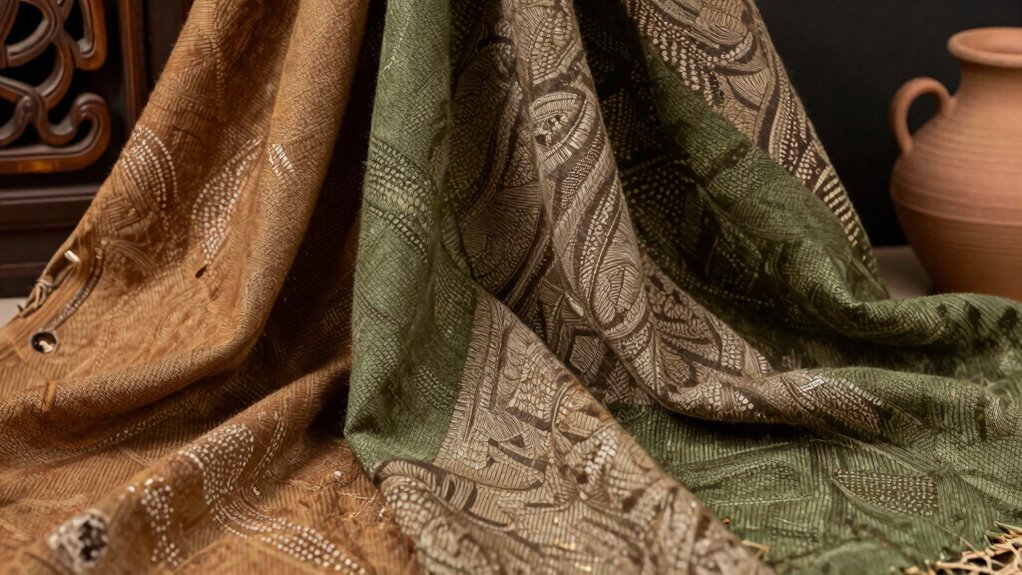

Earth tones in style carry a deep cultural history rooted in natural dyes and traditional craftsmanship. These warm browns, muted greens, and terracottas come from minerals, plants, and soils, often used for centuries across Africa, Asia, and the Americas. Wearing these hues connects you to stories of patience, skill, and cultural identity passed down through generations. If you keep exploring, you’ll discover even more about how these natural colors continue to symbolize heritage and sustainability today.

Get your wardrobe favorites delivered free — and shop member deals
- Fast, free delivery on millions of items
- Access to Prime Big Deal Days deals on October 6–7
- Prime Video, Amazon Music and more included
Key Takeaways
- Earth tones originate from natural pigments used in traditional dyeing techniques across diverse cultures.
- These hues symbolize cultural heritage, craftsmanship, and historical storytelling embedded in textiles.
- Indigenous dyeing methods, like indigo and ochre processes, highlight sustainable, eco-friendly practices.
- Wearing earth tones connects individuals to cultural identity and respect for environmental preservation.
- Modern fashion embraces earth tones to honor historical artistry and promote cultural and ecological awareness.
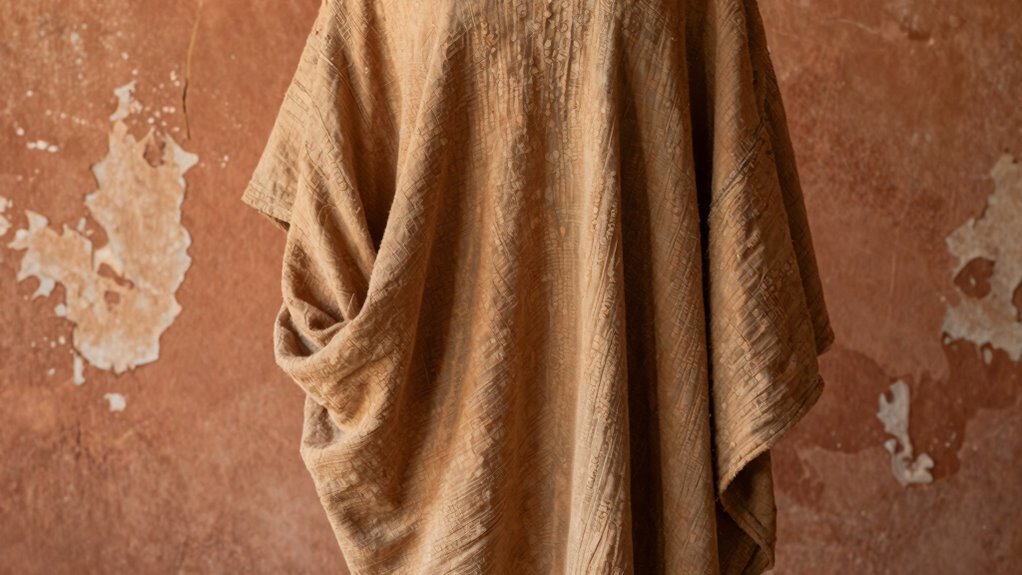
Earth tones have become a staple in modern fashion, but their origins run deeper than just style trends. These hues—think warm browns, muted greens, and rich terracottas—are rooted in centuries of cultural practices and natural processes. When you wear these colors, you’re connecting with a long history of natural pigment sourcing and traditional dye techniques that have shaped civilizations. Long before synthetic dyes, people relied on what the land provided, sourcing pigments from minerals, plants, and soils. You might be surprised to learn that many of the shades you see today come from earth-derived materials like clay, charcoal, or plant extracts. These natural sources offer a palette that’s both sustainable and deeply tied to the environment, reinforcing the idea that beauty can be rooted in nature itself. Traditional dye techniques have played a massive role in cultivating these earthy hues. Ancient cultures across Africa, Asia, and the Americas mastered methods like indigo dyeing, where plants like indigofera produced stunning shades of blue, or the use of ochre for yellows and reds. These techniques often involved complex processes—fermentation, boiling, and sun-drying—that brought out the richness of the colors. When you wear a piece dyed with traditional methods, you’re wearing more than just a fabric; you’re wearing a piece of history, crafted with patience and skill passed down through generations. These methods often relied on natural mordants—substances like alum or tannin—to fix the colors and make them last, ensuring that the vibrant earth tones remained vivid through time. Recognizing the traditional dye techniques behind these hues helps us appreciate the craftsmanship and cultural significance embedded in each garment. Understanding this history can deepen your appreciation for earth tones in fashion. You’re not just choosing a color; you’re embracing a cultural story that’s been woven into textiles for millennia. Additionally, the use of natural pigments highlights the importance of sustainable practices that respect both the environment and cultural heritage. This connection to traditional dye techniques and natural pigment sourcing highlights the importance of sustainable practices and cultural preservation. The natural origins of these hues also demonstrate how ancient societies developed eco-friendly dyeing methods that are still relevant today. When you see someone in a garment with these hues, it’s a reminder of how humans have historically interacted with their environment—harvesting, processing, and celebrating the natural world through color. By wearing earth tones, you’re participating in a global tradition that values authenticity, craftsmanship, and harmony with nature. It’s a subtle yet powerful way to honor centuries of cultural artistry while staying stylish and environmentally conscious.
As an affiliate, we earn on qualifying purchases.
Frequently Asked Questions
How Do Earth Tones Influence Mood and Emotional Well-Being?
Earth tones positively influence your mood and emotional well-being through their calming and grounding effects. Color psychology suggests these hues promote relaxation, reduce stress, and foster feelings of stability. Their emotional resonance helps you feel connected to nature, encouraging mindfulness and tranquility. When you incorporate earth tones into your environment or wardrobe, you create a soothing atmosphere that supports mental clarity, emotional balance, and overall well-being.
Are Earth Tones Suitable for All Skin Types?
Earth tones are generally suitable for all skin types because they complement natural pigmentation, enhancing your overall look. These shades promote skin harmony, making your complexion appear radiant and balanced. Whether you have light, medium, or dark skin, earth tones work well by highlighting your unique features without overwhelming them. Embrace these colors confidently, knowing they’re versatile and flattering across diverse skin tones, creating a timeless and natural aesthetic.
Can Earth Tones Be Effectively Incorporated Into Modern Fashion?
Yes, you can effectively incorporate earth tones into modern fashion by focusing on smart color pairing and fabric textures. Mix and match different shades like olive, rust, and beige for a stylish look. Use varied fabric textures such as suede, linen, or knit to add depth and interest. This approach keeps your outfit contemporary while embracing the natural, timeless appeal of earth tones, making your style versatile and on-trend.
What Are the Environmental Benefits of Using Earth Tones?
Using earth tones massively benefits the environment by promoting sustainable sourcing and eco-friendly dyes, which drastically reduce pollution and resource waste. When you choose these shades, you’re supporting practices that conserve water, lower carbon emissions, and protect ecosystems. Earth tones symbolize harmony with nature, encouraging a shift toward responsible fashion. Your choices help preserve the planet’s beauty, making your wardrobe a powerful tool for environmental activism.
How Do Earth Tones Vary Across Different Cultures?
You’ll notice that earth tones vary across cultures, reflecting ancient symbolism and regional color palettes. For example, in Africa, warm terracotta and ochre represent essentiality and earth’s richness. In Asia, muted browns and greens symbolize harmony and balance. Indigenous cultures often use specific earth tones for spiritual significance, while European palettes emphasize natural dyes from local materials. These variations reveal how each culture’s history and environment shape their unique use of earth tones.
Conclusion
So, savor the story of earth tones, a tapestry of tradition, taste, and timelessness. As you wear these warm, welcoming hues, you weave your own wonder into a world of cultural continuity. Let the legends of landscapes and lifestyles linger in your look, linking past and present with each earthy expression. Embrace the elegance of earth tones, and enjoy every effortless, enduring element they embed into your everyday style.
Fall Picks
fall essentials
As an affiliate, we earn on qualifying purchases.