Embroidery has a rich history as a way to tell stories, preserve cultural identity, and connect communities. Today, designers reinterpret traditional motifs with new materials and techniques, making embroidery a modern trend in fashion and home decor. This transformation keeps cultural significance alive while appealing to contemporary styles. As embroidery continuously evolves, it bridges past and present in creative ways. If you want to discover how this craft has kept its soul while embracing change, keep exploring.

Get your wardrobe favorites delivered free with Prime
- Fast, free delivery on millions of items
- Prime Video, Amazon Music and more included
- Member-only deals all year
Key Takeaways
- Embroidery originated as a means of cultural storytelling and heritage preservation through symbolic patterns and motifs.
- Traditional techniques have been adapted with modern materials and machine embroidery, increasing accessibility and style versatility.
- Contemporary fashion incorporates embroidery on various platforms, blending cultural motifs with modern aesthetics.
- Respectful engagement and understanding of symbolism are essential for preserving authenticity and cultural significance.
- The craft evolves by balancing heritage preservation with innovative designs, ensuring embroidery’s cultural narratives endure.
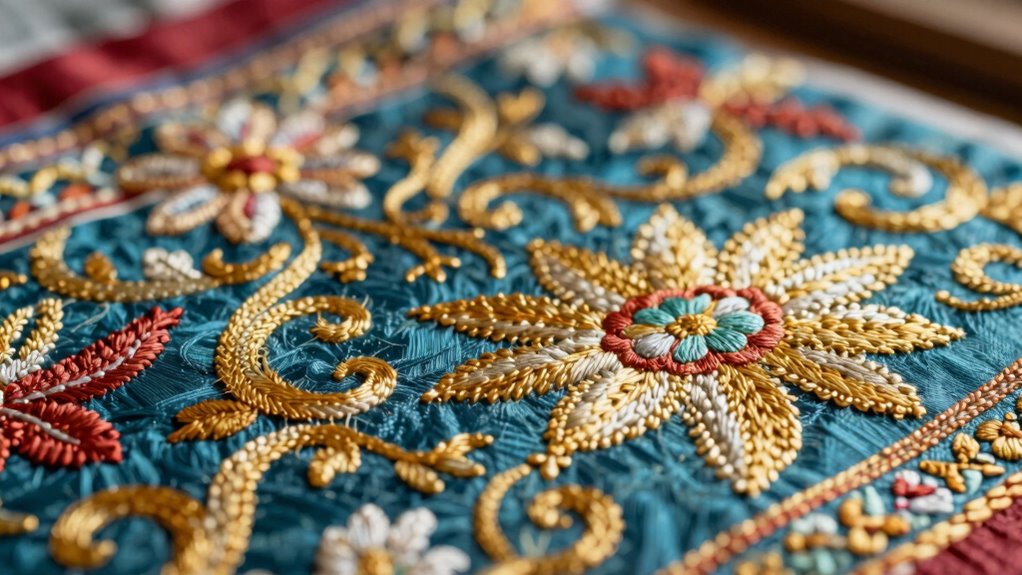
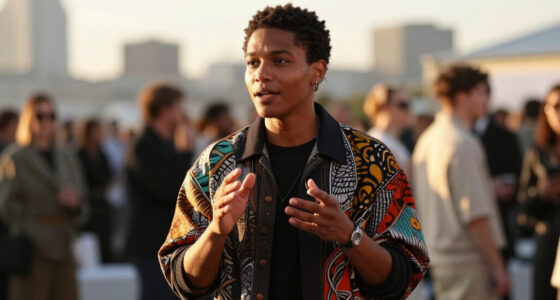
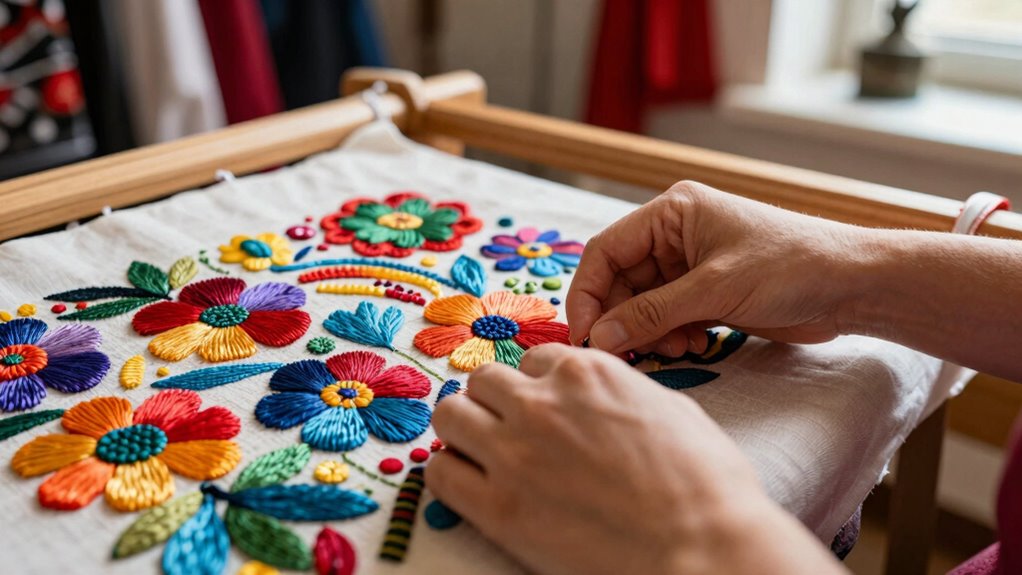
Embroidery has long been a cherished tradition, but lately, it’s become a buzzing trend in fashion and design. You might notice it on runway pieces, streetwear, or even home decor, yet its roots run deep in cultural significance. Historically, embroidery served more than just decorative purposes; it was a way for communities to express identity, tell stories, and preserve heritage. For many cultures, intricate patterns and symbols carried meanings passed down through generations, making each piece a form of cultural storytelling. When you see traditional embroidery now incorporated into modern fashion, it’s a nod to these rich histories, blending old-world significance with contemporary aesthetics.
Embroidery connects past traditions with modern fashion, blending cultural stories with contemporary style.
Today, you’re witnessing a wave of modern adaptations that reinterpret traditional embroidery techniques. Designers are experimenting with new materials, colors, and styles, transforming age-old craft into fresh, innovative designs. Instead of purely handcrafted pieces, machine embroidery is also gaining popularity, allowing for intricate details to be produced at scale, making it more accessible and versatile. This evolution doesn’t erase the cultural importance of embroidery; instead, it amplifies it by making these motifs more widely recognizable and appreciated. Traditional motifs are often simplified for a sleek, minimalist look or exaggerated for bold visual impact—yet, the underlying cultural meaning remains embedded within each stitch.
As embroidery shifts into the mainstream, its cultural significance continues to resonate. It acts as a bridge connecting past and present, reminding you of the traditions that shaped the designs. You can see this in fashion collections that celebrate indigenous patterns or in streetwear brands that incorporate embroidery inspired by regional art forms. These adaptations serve as a form of cultural homage, but they also spark conversations about authenticity, preservation, and cultural appropriation. When you wear or display embroidered pieces with cultural motifs, you participate in this dialogue, acknowledging their origins while appreciating how they’ve been reimagined for modern tastes. Recognizing the cultural significance of embroidery helps foster respectful appreciation and understanding of diverse traditions. Additionally, the techniques and motifs are often preserved through traditional craftsmanship, ensuring the continuity of these cultural expressions.
This ongoing evolution highlights how traditional craftsmanship can adapt without losing its essence, ensuring that cultural narratives are preserved through generations. The preservation of these techniques is vital for maintaining the integrity of the cultural stories behind the designs. Embroidery techniques are often passed down through generations in a cultural context, emphasizing their importance beyond mere decoration. Understanding the historical context and symbolism behind specific patterns enhances your appreciation for the art form and its deep roots. Ultimately, embroidery’s journey from tradition to trend exemplifies how a craft can evolve without losing its soul. You’re part of a community that appreciates the artistry and history behind every stitch, even as it adapts to contemporary styles. Whether it’s a traditional embroidered garment or a modern accessory, each piece carries stories and cultural significance that continue to inspire and connect people across generations. The future of embroidery is about honoring its heritage while embracing the creative possibilities of modern design, making it more vibrant and meaningful than ever before.
As an affiliate, we earn on qualifying purchases.
Frequently Asked Questions
How Has Embroidery Evolved Across Different Cultures?
You see embroidery evolve through different cultures by incorporating unique traditional motifs that reflect each society’s history and beliefs. Cultural symbolism plays a crucial role, with patterns and stitches conveying stories, social status, or spiritual beliefs. Over time, these traditional motifs blend with modern designs, creating a dynamic fusion that keeps embroidery relevant and vibrant, honoring its roots while embracing contemporary trends.
What Are the Most Popular Modern Embroidery Techniques?
You might think embroidery is old-fashioned, but modern techniques like contemporary stitch and innovative patterns prove otherwise. You can experiment with machine embroidery, combining traditional stitches with digital design, or explore freehand embroidery for personalized, textured art. These popular methods allow you to create unique, trendy pieces that blend classic craftsmanship with modern flair. Embracing these techniques keeps embroidery fresh and exciting, perfect for today’s creative projects.
How Do Designers Incorporate Embroidery Into Contemporary Fashion?
You incorporate embroidery into contemporary fashion by viewing it as art, blending traditional techniques with modern designs. You use innovative embroidery tools to create unique textures and patterns, making each piece stand out. By experimenting with bold colors and unexpected placements, you turn embroidery into a statement element. This approach helps you transform classic craftsmanship into fresh, trendsetting styles that resonate with today’s fashion-forward audiences.
What Are Sustainable Practices in Modern Embroidery?
You can embrace sustainable practices in modern embroidery by choosing eco-friendly dyes that breathe life into fabrics without harming the planet. You might also weave recycled textiles into your designs, turning scraps into stunning art. Imagine your work as a garden blooming with responsible choices, where each stitch nurtures the earth. By blending creativity with eco-consciousness, you transform embroidery into a powerful statement for a greener, more beautiful future.
How Can Beginners Start Learning Embroidery Skills?
To start learning embroidery skills, you should gather essential embroidery tools like needles, hoops, and colorful threads. Begin with simple beginner projects such as basic stitches or small motifs to build your confidence. Practice regularly, follow online tutorials, or join workshops for guidance. Keep your workspace organized, and don’t rush—embroidery is about patience and precision, and with time, your skills will improve.
Conclusion
So now, you’re part of this vibrant tapestry, weaving tradition into today’s fashion. Embroidery’s journey from ancient craft to modern trend is like a river flowing through time—ever-changing, yet rooted in history. As you embrace these intricate designs, remember you’re holding a piece of cultural artistry that continues to bloom and evolve. Let your style be the canvas where tradition and trend dance together, creating a masterpiece that’s uniquely yours.
Halloween Picks
halloween
As an affiliate, we earn on qualifying purchases.