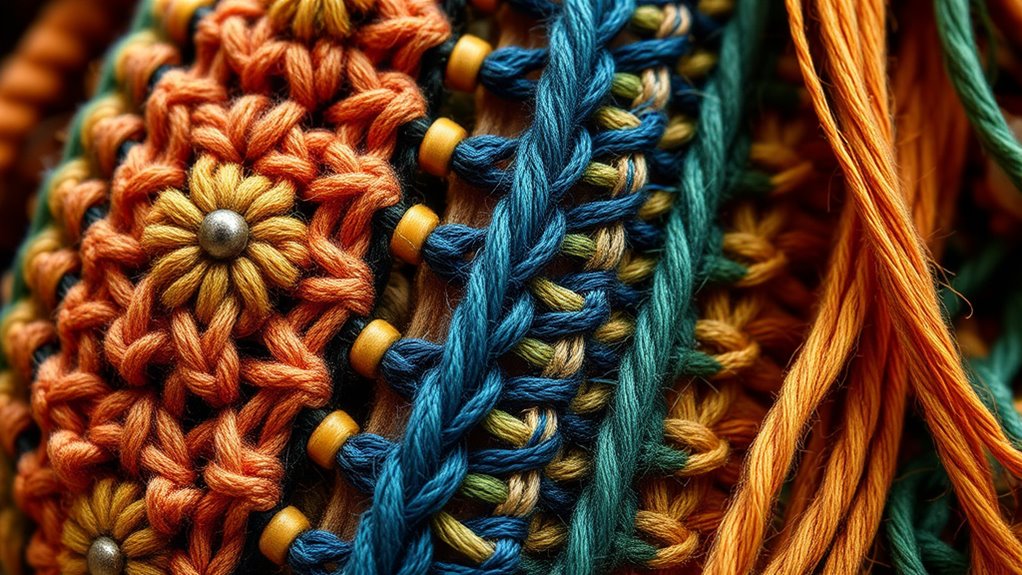
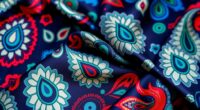
Boho textiles draw on a rich tapestry of global craft traditions like embroidery, weaving, dyeing, and quilting, each rooted in regional cultures. You’ll find intricate needlework from Eastern Europe, bold geometric patterns from North Africa, and vibrant dyes from India and Southeast Asia. These techniques embody cultural stories, history, and identity, making each piece meaningful. Exploring this heritage reveals a vibrant world of craftsmanship that continues to influence modern design—keep exploring to discover the deeper stories behind these textiles.
Key Takeaways
- Boho textiles incorporate craft techniques like embroidery, weaving, and dyeing from diverse regions such as Central Asia, South America, and Southeast Asia.
- These textiles reflect regional aesthetics through unique motifs, color palettes, and materials rooted in local cultural stories.
- Traditional craft methods are passed down through generations, preserving regional identities and cultural heritage.
- Modern boho designs blend indigenous techniques with contemporary styles, showcasing the evolution of global craft traditions.
- The use of regional craft techniques in boho textiles highlights the cultural significance and artistic diversity of global textile practices.

Boho textiles are a vibrant tapestry of cultural craftsmanship, each piece telling a story rooted in tradition. When you explore these textiles, you’ll notice how craft techniques vary widely, reflecting a rich diversity of regional aesthetics. From the intricate embroidery of Eastern Europe to the bold geometric patterns of North Africa, every region brings its unique methods and stylistic influences to the fabric. These craft techniques are more than just methods—they’re a language that communicates history, identity, and cultural values. As you examine a piece, consider how the stitches, dyes, and weaving patterns serve as a direct link to the artisans’ ancestors and their environment.
Boho textiles showcase diverse craft techniques that reflect cultural stories, regional identities, and artisanal traditions worldwide.
In many regions, traditional craft techniques are passed down through generations, often preserved by community elders or specialized artisans. For example, in Central Asia, you might notice the use of suzani embroidery—rich, floral motifs stitched onto cotton or silk, often using satin or chain stitches. These pieces are not only decorative but also hold symbolic meanings, representing prosperity or protection. Similarly, in South America, alpaca wool is woven into textiles using techniques that emphasize durability and warmth, with patterns that are emblematic of specific indigenous groups. These craft techniques are deeply embedded in regional aesthetics, where the choice of colors, motifs, and materials directly reflects the local environment and cultural stories.
You’ll also find that in regions like India or Southeast Asia, vibrant dyes and complex weaving methods create textiles that are both functional and highly decorative. Batik, tie-dye, and ikat are just a few examples of craft techniques that produce distinctive patterns. These methods often involve painstaking processes, requiring patience and skill, which are highly valued in the local artisan communities. The regional aesthetics influence every detail—whether it’s the color palette, the symmetry of geometric designs, or the symbolic motifs woven or dyed into the fabric. These elements are not arbitrary; they serve to communicate cultural identity and regional pride. Additionally, efforts to preserve and revitalize these traditional craft techniques ensure that these cultural expressions continue to thrive amid modern influences.
As you appreciate boho textiles, remember that these craft techniques and regional aesthetics are living traditions. They continue to evolve, blending old methods with contemporary influences, yet always rooted in their cultural origins. When you choose a boho textile, you’re not just selecting a decorative piece—you’re embracing a piece of history, craftsmanship, and regional identity. Every stitch, dye, and pattern embodies the skill and cultural narrative of the artisans behind it, making each textile a meaningful, vibrant expression of global craft traditions.
Frequently Asked Questions
How Do Modern Designers Incorporate Traditional Craft Techniques?
Modern designers incorporate traditional craft techniques by embracing a textile revival, blending age-old methods with contemporary styles. You’ll notice they prioritize cultural authenticity, ensuring each piece respects its origins. They collaborate with artisans worldwide, using authentic dyes, weaving, and embroidery techniques. This approach not only honors tradition but also creates unique, meaningful designs that resonate with today’s audiences, fostering appreciation for global craft heritage while keeping these techniques alive and relevant.
What Are the Environmental Impacts of Boho Textile Production?
Boho textile production can be a double-edged sword, like a garden that needs careful tending. When you choose eco-friendly dyes and prioritize water conservation, you reduce environmental harm, saving water and lowering chemical runoff. These sustainable practices help minimize pollution and conserve resources, making your textiles kinder to the planet. By supporting such methods, you help transform the industry into a greener, more responsible space for everyone.
How Do Different Cultures Influence Boho Textile Patterns?
You notice that different cultures influence boho textile patterns through cultural symbolism and regional motifs. You see how African textiles incorporate bold geometric designs, while Indian fabrics feature intricate paisleys and floral patterns. Latin American textiles often display vibrant colors and symbolic imagery, reflecting local stories. These diverse influences blend seamlessly in boho styles, creating a rich tapestry of cultural symbolism and regional motifs that express unique histories and identities.
Are Traditional Craft Methods Sustainable for Mass Production?
Traditional craft methods aren’t typically sustainable for mass production because they’re labor-intensive and time-consuming, much like trying to grow a garden by hand in a city’s tiny balcony. While craft sustainability supports quality and cultural preservation, scaling up often leads to compromises. You might find that integrating these methods with eco-friendly innovations can help balance tradition and mass production, ensuring artisans thrive without sacrificing authenticity.
How Can Consumers Support Artisans Behind Boho Textiles?
You can support artisans behind boho textiles by choosing brands that prioritize fair trade practices and engage in artisan collaborations. Look for certifications and transparent processes that guarantee fair wages and ethical treatment. When you purchase these textiles, you help sustain traditional craft methods and empower artisans worldwide. Your support encourages more brands to adopt ethical standards, making a positive impact on craft communities and preserving unique cultural traditions.
Conclusion
As you explore boho textiles, you’re tapping into a vibrant tapestry woven with centuries of craft and culture. Each stitch and pattern tells a story, like a river flowing through time, connecting you to artisans across the globe. By appreciating these traditions, you become part of a living, breathing legacy. Embrace the beauty behind every thread, letting it inspire your style and deepen your understanding of the rich worlds that craft us together.