
You see, texture in fashion now acts as a powerful cultural signal because it communicates identity, heritage, and social values without words. It reflects stories, traditions, and social status through tactile experiences that connect wearers to their roots or express modern ideals. Designers and communities use specific materials and patterns to symbolize their beliefs or pride. If you pay attention, you’ll uncover how textures shape cultural conversations and what they reveal about society’s evolving identity.

Get your wardrobe favorites delivered free with Prime
- Fast, free delivery on millions of items
- Prime Video, Amazon Music and more included
- Member-only deals all year
Key Takeaways
- Textures convey cultural identity, values, and social status beyond verbal communication.
- Traditional textile techniques and motifs serve as visual storytelling and symbols of heritage.
- Contemporary designers use textures to express social, political, or environmental messages.
- Textural choices reflect community belonging, authenticity, and cultural pride.
- Fabric textures enable non-verbal communication of societal values and cultural narratives.
Have you ever noticed how the texture of a fabric can communicate more than just style? It’s a powerful form of non-verbal communication that speaks to cultural identity, values, and even social status. When you run your fingers over different textiles—whether a rough burlap or a silky satin—you’re not just feeling material; you’re experiencing a story. This is where textural symbolism comes into play. Certain textures carry specific meanings rooted in history and tradition, allowing you to understand cultural nuances without words. For example, intricate embroidery on traditional garments can symbolize community, heritage, or spiritual beliefs. Meanwhile, the choice of material authenticity—whether genuine leather or eco-friendly alternatives—further reinforces cultural messages. Authentic materials often reflect a respect for craftsmanship and history, giving you insight into the cultural significance behind each piece.
Fabric textures convey stories of culture, history, and identity beyond words.
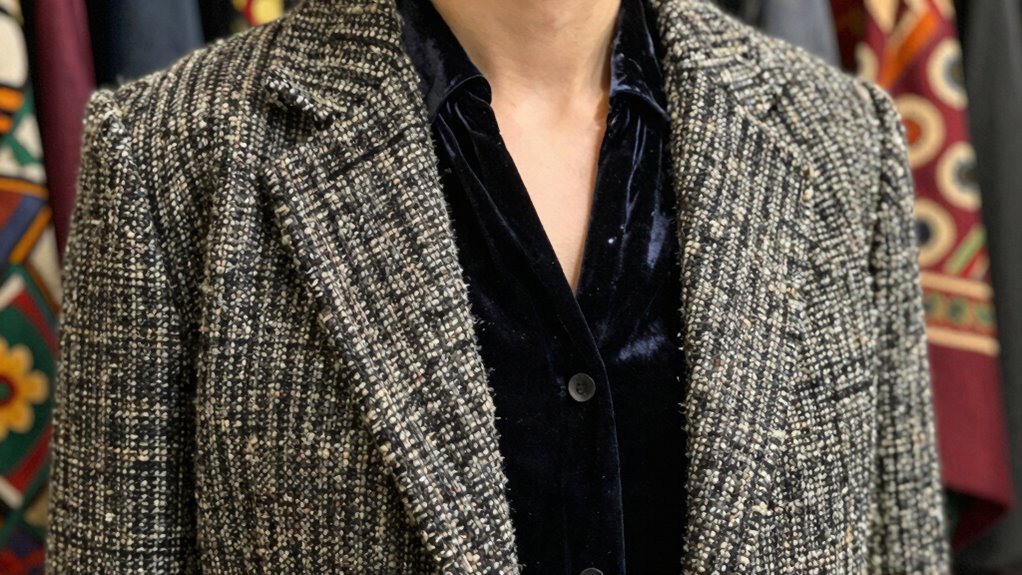
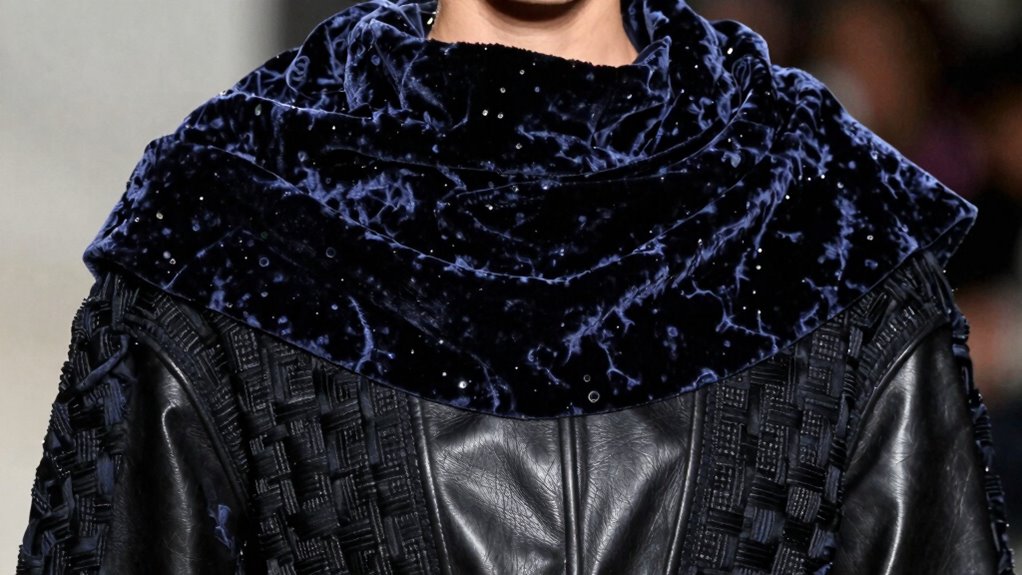
In contemporary fashion, texture isn’t just about aesthetics; it’s a deliberate signal. When designers select particular fabrics, they’re making statements about identity and values. You might notice how rough, natural fibers like jute or hemp are embraced in eco-conscious fashion, signaling a commitment to sustainability and material authenticity. Conversely, glossy, synthetic fabrics may evoke modernity, innovation, or even a desire for luxury. By paying attention to these textures, you can understand what a designer or wearer aims to communicate. It’s a language that transcends words, where the tactile quality of a garment echoes cultural priorities and beliefs. Recognizing how textural symbolism influences fashion choices can deepen your understanding of cultural dynamics and societal trends.
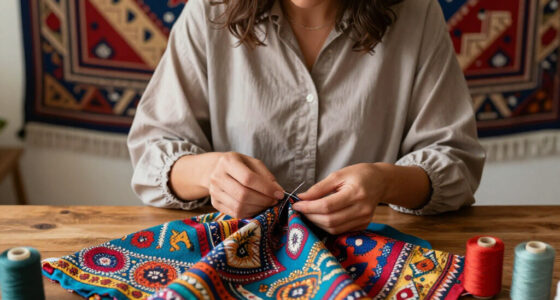
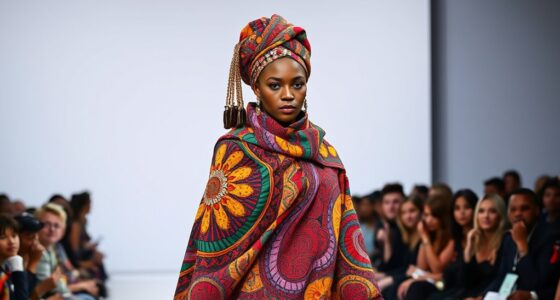
Texture also functions as a marker of social and cultural belonging. For instance, traditional textiles often carry symbolic motifs and textures that connect wearers to their roots. When you see a garment adorned with handcrafted beadwork or woven patterns, you’re witnessing a piece of cultural storytelling. These textures serve as visual cues that signal community, history, and authenticity. They’re conversations in fabric form, emphasizing the importance of material authenticity—using genuine, often locally sourced materials—to preserve cultural integrity. When you choose or wear textured garments with cultural symbolism, you participate in this ongoing dialogue. You’re not just dressing up; you’re engaging with cultural narratives through the tactile language of textures.
Ultimately, texture in fashion has become a crucial cultural signal because it encapsulates history, identity, and values. It’s a way for you to connect with cultural roots or modern ideologies without words. Through textural symbolism and material authenticity, fashion transforms from mere clothing to a powerful medium of cultural expression.
traditional embroidered garments
As an affiliate, we earn on qualifying purchases.
As an affiliate, we earn on qualifying purchases.
Frequently Asked Questions
How Does Texture Influence First Impressions in Fashion?
Texture influences your first impression in fashion by shaping your fabric perception and tactile interpretation. When you see or touch a garment, rough or smooth textures communicate different messages—luxury, comfort, or edginess. You instinctively interpret textures based on how they feel or look, guiding your overall impression. This tactile response helps you quickly assess a piece’s style and attitude, making texture a powerful non-verbal communicator in fashion.
Can Texture Signify Social Status Across Different Cultures?
Picture texture as a secret code, revealing social status across cultures through cultural texture and social symbolism. When you wear rich, intricate fabrics, you send a message of wealth and tradition, while simpler textures might symbolize humility or modernity. Across societies, textures act as visual cues, signaling your place in the social hierarchy. You become both the storyteller and the canvas, communicating your identity through the tactile language of fabric.
How Do Designers Choose Textures to Convey Cultural Identity?
You choose textures to convey cultural identity by understanding their textural symbolism and cultural fabric. You select materials that reflect specific traditions, history, or social values, like intricate embroidery or handwoven textiles. By integrating these textures into your designs, you evoke cultural significance, connecting the wearer to a deeper cultural narrative. This deliberate choice helps communicate identity, heritage, and social meaning through the tactile and visual language of texture.
Are Certain Textures More Symbolic in Specific Fashion Movements?
Certainly, certain textures serve as subtle nods to specific cultural fabric and become emblematic within fashion movements. Textural symbolism often highlights cultural identity and heritage, with materials like leather or intricate embroidery carrying deep meanings. For instance, luxurious silks evoke elegance in traditional Asian attire, while rugged weaves symbolize resilience in Western workwear. These textures subtly communicate cultural narratives, enriching fashion with layers of significance that resonate across movements and eras.
How Has Digital Technology Affected the Use of Texture in Fashion?
Digital innovation has transformed how you explore texture in fashion, enabling you to experiment with tactile qualities virtually before creating physical pieces. You can manipulate digital tools to push boundaries, blending traditional textures with innovative materials. This tactile experimentation allows you to preview and refine textures quickly, making your designs more dynamic and expressive. As a result, digital technology empowers you to craft unique, textured fashion statements that resonate culturally and visually.
Conclusion
So, next time you run your fingers over a textured fabric, remember you’re touching more than just cloth—you’re feeling a story, a cultural heartbeat. Texture whispers secrets of history, tradition, and identity, turning your wardrobe into a vibrant tapestry of meaning. It’s not just about style; it’s about connection. So, embrace the textures around you; let their richness inspire your own unique story woven into every outfit you wear.
Fall Picks
fall essentials
As an affiliate, we earn on qualifying purchases.