
TL;DR
It has been confirmed that Alfred Hitchcock initially sought Frank Lloyd Wright to design the house in North by Northwest. The plan was never completed, but recent discoveries shed light on this intriguing collaboration. The story highlights the intersection of film and architecture, and its impact on cinematic history.
New evidence confirms that director Alfred Hitchcock wanted legendary architect Frank Lloyd Wright to design the house in his classic film North by Northwest. This revelation offers fresh insight into the film’s production and the influence of architecture on cinematic storytelling, emphasizing the significance of this historically unfulfilled collaboration.
According to recent findings, Hitchcock approached Wright with the idea of designing the film’s iconic modernist house, which served as the villain’s lair in North by Northwest. The film’s production team ultimately did not hire Wright, largely due to his high fee—reportedly ten percent of the film’s budget—leading to the house’s design being executed by production designer Robert F. Boyle. Despite this, Hitchcock’s interest in Wright’s work underscores the architect’s influence on cinematic architecture, particularly the house’s resemblance to Wright’s Fallingwater.
Historical accounts suggest Hitchcock’s admiration for Wright’s style was well-known, and the director’s inquiry into Wright’s involvement was documented in recent research. The house’s depiction in the film, with its cantilevered features and sleek modernist aesthetic, closely mirrors Wright’s designs, although the actual set was constructed on a studio lot using painted backdrops and partial set pieces.
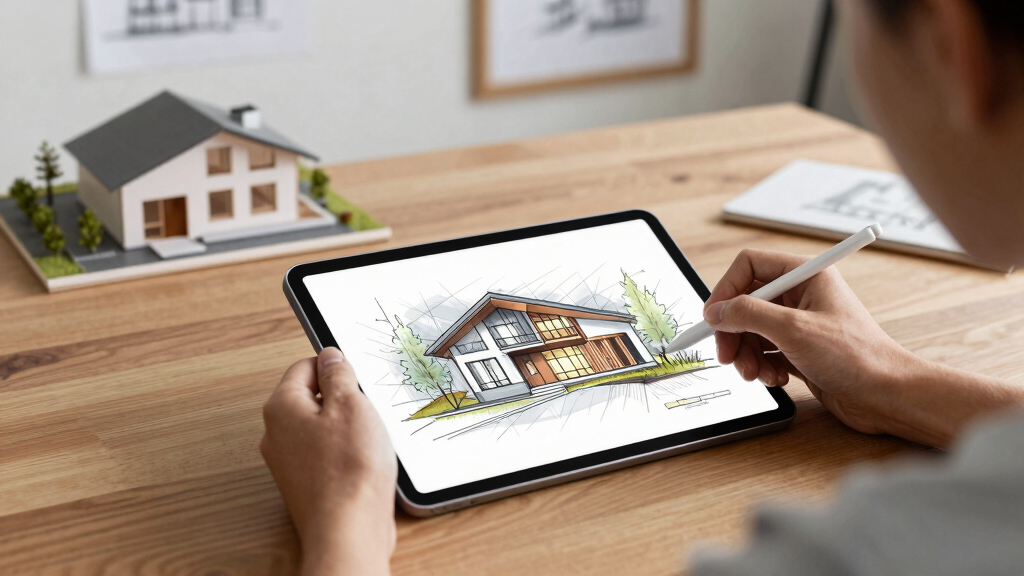
In a recent development, architect John Boccardo, a longtime fan of the film, has succeeded in recreating the Van Damme house for a private estate near Park City, Utah, incorporating authentic design elements inspired by the film’s set pieces, though it remains a replica and not the original Wright design Hitchcock envisioned.
Why Hitchcock’s Wright Collaboration Matters Today
This new information highlights the close relationship between architecture and film, illustrating how architectural styles influence cinematic storytelling and character development. Hitchcock’s interest in Wright’s work reveals an early recognition of architecture’s role in creating mood and character, a concept still relevant in film design today. The story also underscores how creative collaborations can shape iconic cultural moments, even if they do not come to fruition. Understanding this history enriches appreciation for the visual language of North by Northwest and the enduring influence of Wright’s architectural vision.
Frank Lloyd Wright modernist house replica
As an affiliate, we earn on qualifying purchases.
As an affiliate, we earn on qualifying purchases.
Historical Context of Hitchcock and Wright’s Potential Collaboration
Throughout his career, Alfred Hitchcock was known for integrating architecture into his films, using buildings and sets to symbolize themes and character traits. The house in North by Northwest is one of the most memorable examples, often cited for its modernist design inspired by Wright’s style. While Hitchcock’s admiration for Wright’s work is documented, the direct involvement of the architect in the film’s design has long been speculative. Prior to this revelation, it was believed that the house’s design was solely the work of the production team, with no direct input from Wright himself.
Frank Lloyd Wright’s influence on modernist architecture is well established, with works like Fallingwater and the Ennis House serving as landmarks. The film’s house, with its cantilevered terraces and sleek lines, echoes Wright’s principles, but it was ultimately a constructed set, not a real Wright design. The new findings suggest Hitchcock’s interest in Wright was genuine, and that the architect’s distinctive style could have profoundly shaped the film’s aesthetic had the project gone ahead.
“Hitchcock’s inquiry into Wright’s involvement indicates a deliberate effort to incorporate authentic architectural design into the film’s visual storytelling.”
— an anonymous researcher
Unresolved Questions About the Wright-Hitchcock Connection
While recent research confirms Hitchcock’s interest in having Wright design the house, it remains unclear whether Wright ever formally agreed or if any sketches or plans were exchanged. Details about the extent of Wright’s involvement, if any, are still emerging, and it is unknown whether Hitchcock’s inquiry was purely exploratory or if it included specific design proposals.
Additionally, the exact reasons why Wright declined or was unable to participate have not been fully documented, leaving some speculation about the professional and financial considerations involved.
Next Steps in Uncovering Hitchcock and Wright’s Architectural Collaboration
Researchers plan to examine archives and correspondence related to Hitchcock’s production, aiming to uncover any additional documentation of his discussions with Wright. There is also interest in exploring whether Wright’s firm left any sketches or ideas that could have influenced the film’s design. Meanwhile, architects and filmmakers continue to study this intersection of architecture and cinema, considering how authentic design influences storytelling. The recent recreation of the Van Damme house in Utah may inspire further projects that pay homage to this cinematic-architectural history.
Key Questions
Did Frank Lloyd Wright ever agree to design the house in North by Northwest?
There is no definitive evidence that Wright officially agreed to design the house. Recent research confirms Hitchcock’s interest, but whether Wright ever committed remains unconfirmed.
Why did Hitchcock want Wright to design the house?
Hitchcock admired Wright’s modernist style and believed it would enhance the film’s visual impact, aligning with his interest in architecture as a storytelling tool.
Was the house in the film a real Wright design?
No, the house was a constructed set, with some inspiration from Wright’s style. Recent findings suggest Hitchcock’s preference for Wright’s aesthetic was a key influence.
What does this new discovery mean for film and architecture history?
It highlights the close relationship between architecture and cinematic storytelling, revealing an unfulfilled collaboration that could have shaped iconic film environments.
Will the Wright-designed house ever be built for real?
Currently, there are no plans to build a Wright-designed house for the film, but recent recreations and research continue to celebrate this architectural influence.
Source: The best free cultural & educational media on the web – Open Culture