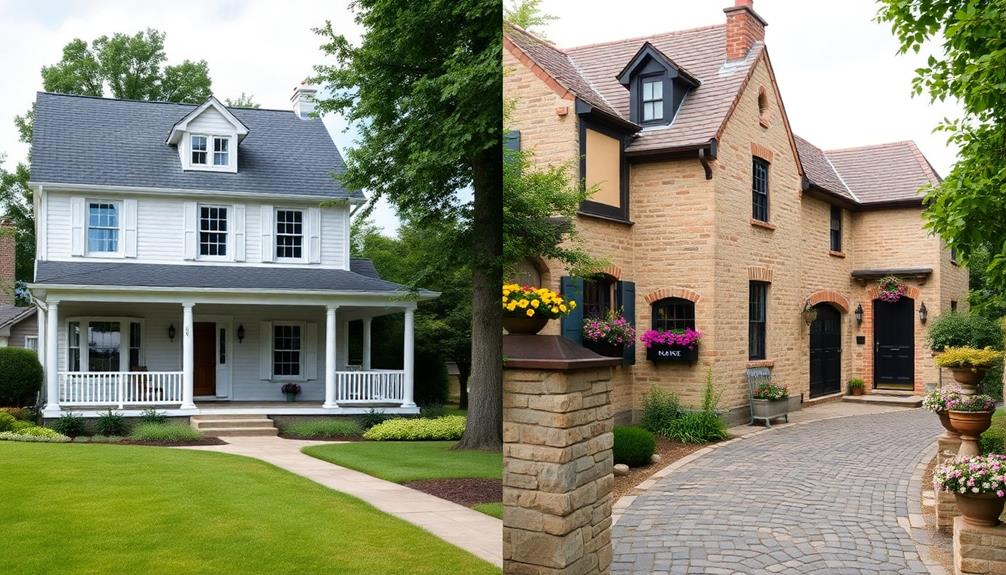

When you compare American and European homes, you'll quickly notice stark contrasts. American homes typically feature open floor plans and larger sizes, averaging about 2,500 sq ft, while European homes are cozier, averaging around 1,200 sq ft. In the U.S., wood and vinyl dominate materials, whereas Europeans favor durable brick and stone. Energy efficiency is a focus in Europe, with stringent insulation standards, while the U.S. is catching up. Ultimately, these homes express different cultural values—individualism in America and community in Europe. Stick around to uncover more fascinating details about these distinct architectural styles.

Get your wardrobe favorites delivered free — and shop member deals
- Fast, free delivery on millions of items
- Access to Prime Big Deal Days deals on October 6–7
- Prime Video, Amazon Music and more included
Key Takeaways
- American homes typically feature open floor plans, promoting spacious interiors, while European designs focus on craftsmanship and ornate facades.
- The average American home is about 2,500 sq ft, compared to 1,200 sq ft for European homes, reflecting different cultural values on space.
- Building materials differ, with American homes primarily using wood and vinyl, while European homes often incorporate durable brick, stone, or concrete.
- Energy efficiency is a strong focus in Europe, with high insulation standards and double glazing, while American practices vary but are improving.
- Cultural influences shape designs, as American homes celebrate individualism and outdoor living, while European homes emphasize community and shared spaces.
Architectural Styles Comparison
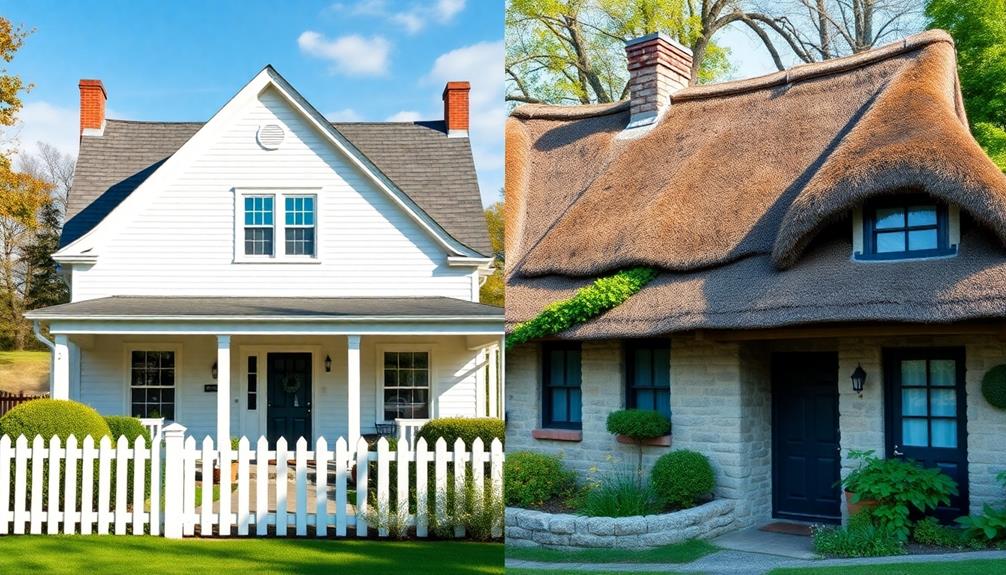
When you compare architectural styles of American and European homes, you'll notice a striking contrast in their designs and influences.
American architecture often showcases a blend of various styles, including colonial, ranch, and modern. This mix reflects a culture of experimentation and individualism.
In contrast, European homes typically highlight regional styles like Victorian, Tudor, and Mediterranean, focusing on historical preservation and intricate details.
You'll find that American homes favor open floor plans and spacious interiors, creating a sense of flow.
Meanwhile, European designs prioritize craftsmanship, with ornate facades and unique roof styles, such as pitched or flat roofs.
This diversity in architectural approaches not only tells a story of cultural values but also enhances the character of neighborhoods across both continents.
Size and Space Differences
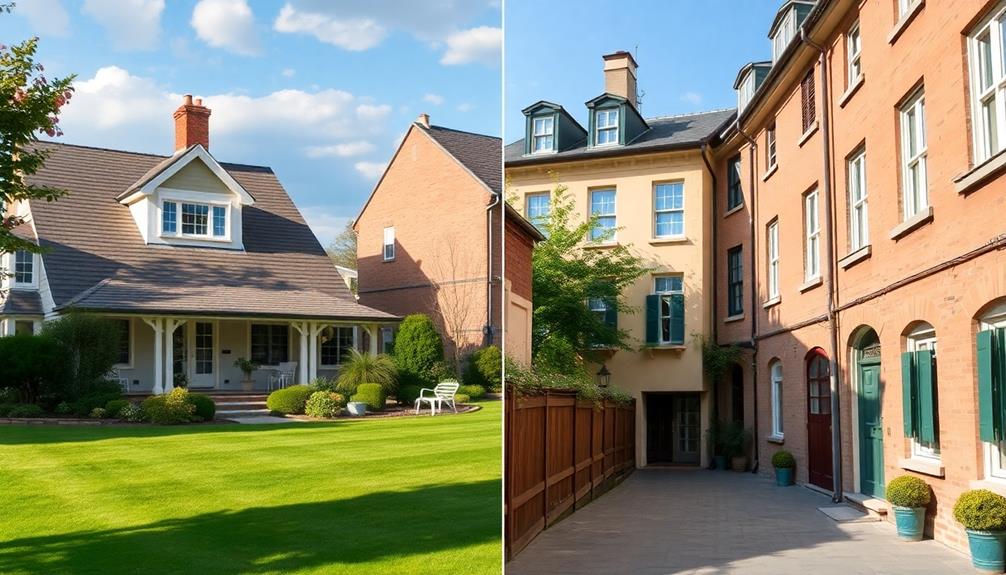
Size and space play an essential role in distinguishing American and European homes. When you compare the average sizes, American homes typically boast around 2,500 sq ft, while their European counterparts average just 1,200 sq ft. You'll also notice that American properties often feature larger yards, creating more outdoor space for activities. In contrast, European homes maximize their limited space with multi-functional rooms, particularly in urban areas where density is higher.
| Aspect | American Homes | European Homes |
|---|---|---|
| Average Size | 2,500 sq ft | 1,200 sq ft |
| Outdoor Space | Larger yards | Limited outdoor space |
| Room Functionality | Less multifunctional | Multi-functional |
| Urban Density | Lower density | Higher density |
Building Materials Used
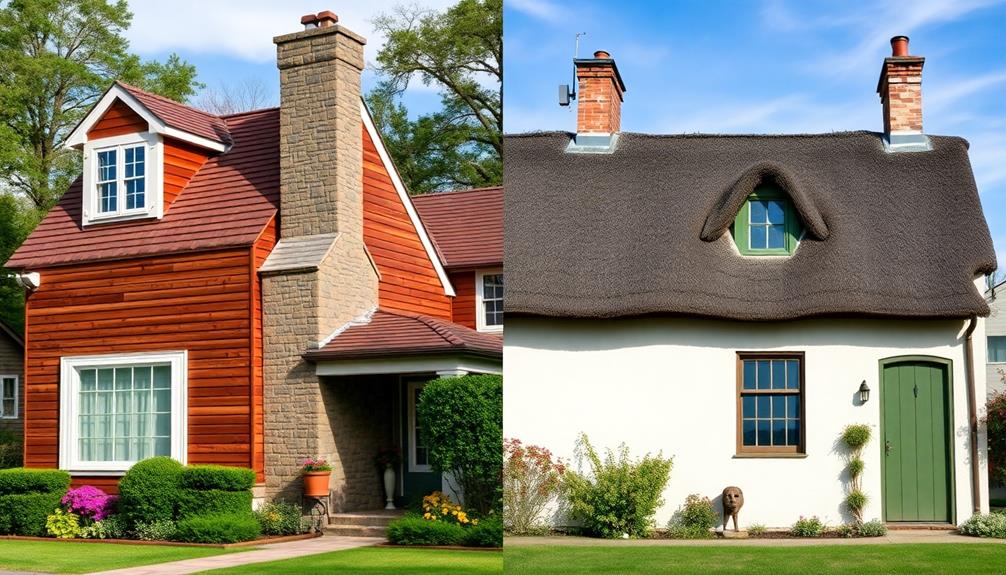
Building materials greatly shape the character and durability of American and European homes.
In the U.S., you'll often find homes framed with wood and covered in vinyl siding, reflecting a preference for construction that's quick and cost-effective.
Meanwhile, many European homes utilize brick, stone, or concrete, providing a sturdy, lasting quality that withstands time and weather. These materials not only enhance durability but also contribute to the aesthetic charm of European architecture.
Additionally, the local climate influences these choices; for instance, stone is favored in colder regions, offering better insulation.
You may also notice that American homes incorporate more expansive glass windows, allowing natural light to flood the interior, contrasting with the more robust and often smaller windows found in Europe.
Energy Efficiency Practices
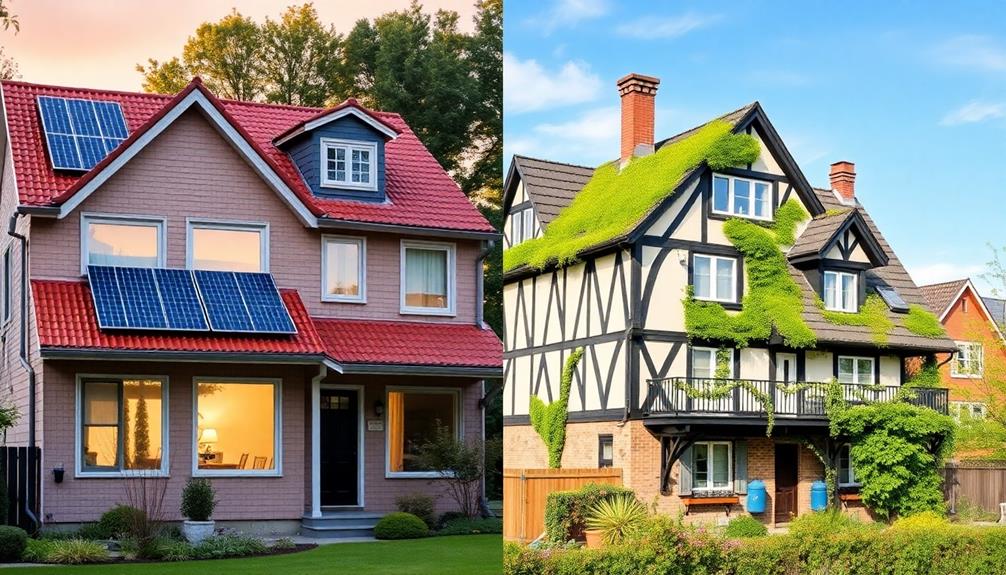
In recent years, energy efficiency practices have become a top priority for homeowners, especially in Europe. European regulations often mandate stricter energy standards, leading to homes with features like double glazing and superior insulation. Meanwhile, American homeowners are catching up, increasingly integrating energy-efficient technologies and renewable energy sources.
Here's a quick comparison of energy efficiency practices:
| Feature | European Homes | American Homes |
|---|---|---|
| Insulation Standards | High | Varies |
| Window Technology | Double Glazing | Single or Double Glazing |
| Renewable Energy Use | Common | Growing Trend |
Cultural Influences on Design
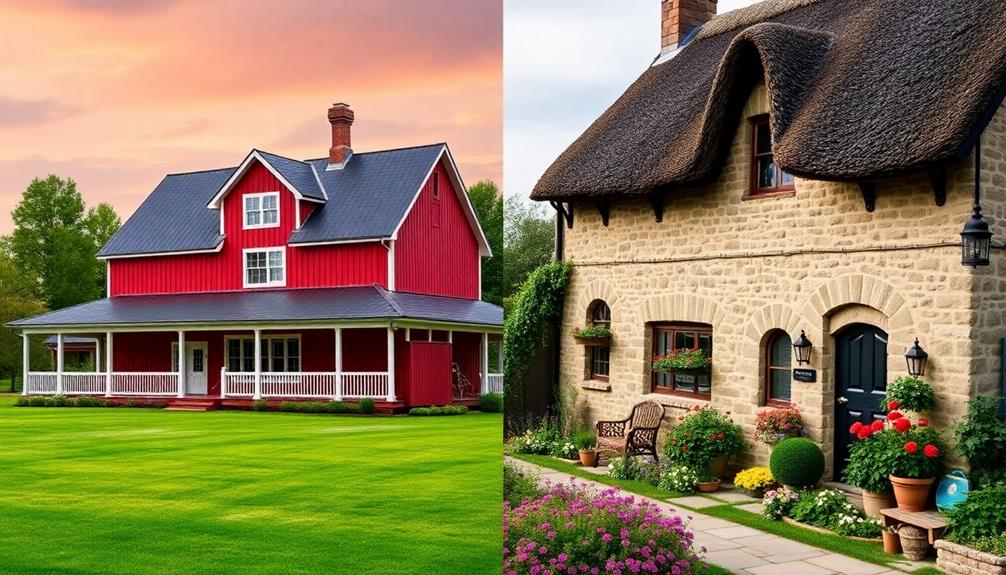
As energy efficiency practices evolve, they reveal deeper cultural influences that shape home design in America and Europe.
In the U.S., you're likely to see homes that celebrate individualism and personal expression, with open floor plans that encourage a casual lifestyle.
Conversely, European homes often reflect a strong sense of community and historical continuity, emphasizing shared spaces and walkable neighborhoods.
While American designs may sprawl outward, European layouts prioritize accessibility to public transport.
You'll notice that American homes often use wood and vinyl, while Europeans favor durable materials like brick and stone.
These choices not only represent aesthetic preferences but also the cultural values of each region, influencing how you experience and interact with your living space.
Frequently Asked Questions
What Are the Average Costs of American Versus European Homes?
When considering average home costs, you'll find American homes typically range from $300,000 to $400,000, while European homes vary widely, averaging from €150,000 to €300,000, depending on location and market conditions.
How Do Homeownership Rates Compare Between Americans and Europeans?
Homeownership rates differ considerably between you and Europeans. In the U.S., around 65% own homes, while many European countries see lower rates, often due to higher rental markets and cultural attitudes towards property ownership.
What Role Does Climate Play in Home Design Differences?
Imagine standing before a house, its exterior whispering secrets of the climate. You'll notice how weather shapes design; from sturdy brick in cold Europe to airy wood in warmer America, each choice tells a story.
How Do Maintenance Costs Differ for American and European Homes?
Maintenance costs vary greatly based on materials and architectural styles. You'll find American homes may require more upkeep due to wood exteriors, while European homes, built with durable materials, often demand less frequent repairs.
What Are Common Interior Design Trends in American and European Homes?
You'll notice American interiors often embrace open spaces and bold colors, while European designs typically favor cozy, layered textures and muted tones. Both styles reflect personal tastes and cultural influences in unique ways.
Conclusion
As you step back from this architectural showdown, you can't help but wonder: which style resonates with you? Will you lean toward the expansive, individualistic American homes or the charming, historic European designs? Each choice whispers promises of lifestyle and community, inviting you to imagine your life within their walls. The debate may continue, but one thing's for sure—your decision could shape not just your living space, but the very essence of how you experience home. Both options offer unique opportunities to create a space that reflects your personality and needs. If you find yourself drawn to the open layouts and modern convenience of American homes, exploring some American interior design tips could help you maximize functionality while injecting a touch of your own flair. On the other hand, embracing the timeless elegance of European designs may inspire a cozy, vintage aesthetic that tells stories of heritage and character.
Fall Picks
fall essentials
As an affiliate, we earn on qualifying purchases.