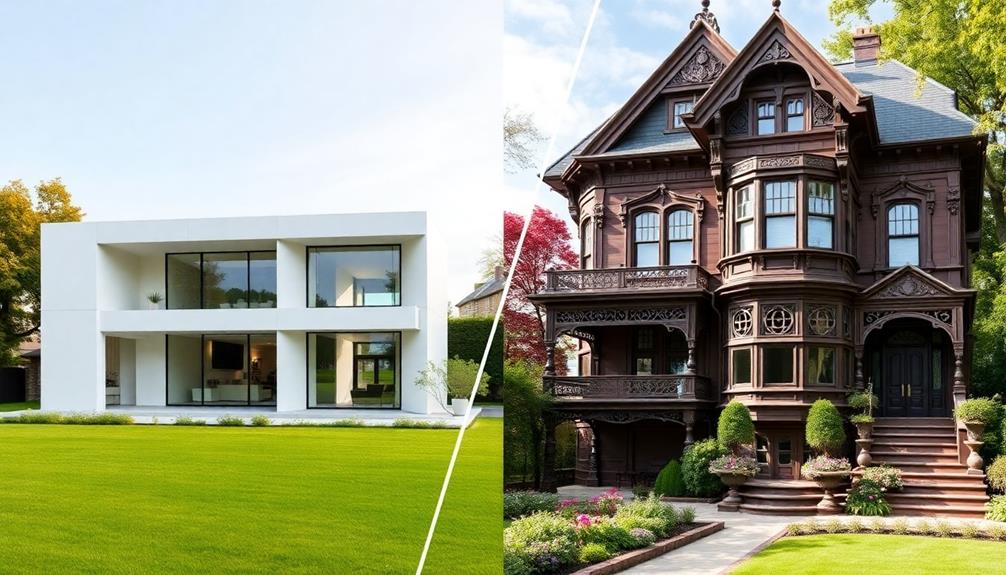
To use contrast without creating a harsh feel, focus on balancing bold elements with softer, neutral tones. Pair deep colors like navy with gentle shades such as blush or beige, and blend textures like sleek leather with plush fabrics to add richness without overwhelming the space. Thoughtfully incorporate accent pieces sparingly to keep the overall look cohesive. If you want to discover how lighting and subtle details can make your space inviting, there’s more to explore below.

Get your wardrobe favorites delivered free with Prime
- Fast, free delivery on millions of items
- Prime Video, Amazon Music and more included
- Member-only deals all year
Key Takeaways
- Balance bold elements with softer, muted tones to prevent overwhelming the space.
- Use subtle color variations within the same color family for gentle contrast.
- Incorporate a variety of textures to add interest without visual chaos.
- Adjust lighting to soften or highlight contrast, creating a harmonious ambiance.
- Introduce accent pieces sparingly to add focal points without dominating the room.
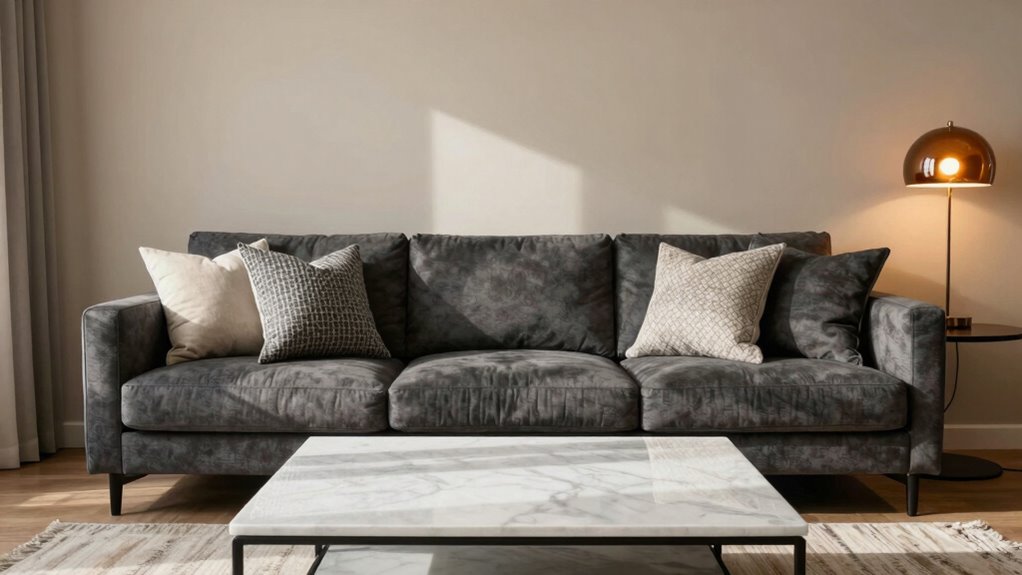
Creating contrast in a room can add depth and interest, but if overdone, it might make the space feel jarring or uncomfortable. To strike the right balance, you need to pay attention to how you approach color pairing and texture blending. When choosing colors, aim for harmony rather than stark opposition. For example, pairing a deep navy with soft blush creates a pleasing contrast that’s visually dynamic yet soothing. Avoid high-contrast combinations that clash, like bright yellow with electric blue, unless you want an energetic, edgy vibe. Instead, consider using shades within the same color family, which allows you to play with contrast subtly and maintain a cohesive look. Incorporating color harmony principles can help guide your choices for achieving this balance effectively.
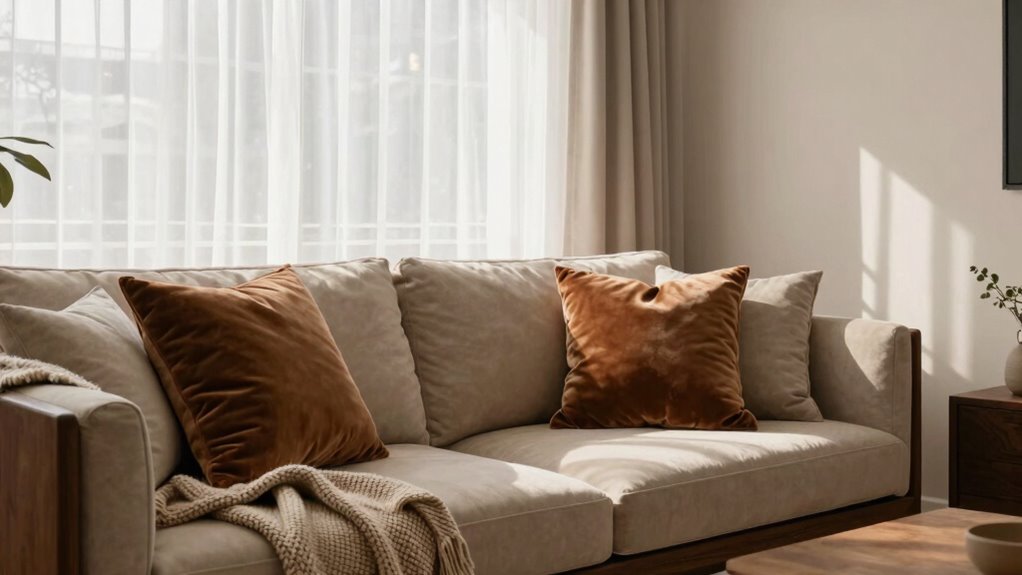
Texture blending is just as essential. Combining different textures can add richness without overwhelming the senses. Think of pairing a sleek leather sofa with plush throw pillows, or a rough wooden coffee table with smooth ceramic vases. The key is to create a tactile balance—mixing rough and smooth, matte and glossy, soft and hard—to engage the eye and invite touch. When textures are well-blended, they create visual interest without harshness. You don’t want every surface to compete; instead, aim for a thoughtful combination that enhances the overall aesthetic. For instance, a textured rug under a glass table can anchor the space, adding warmth and depth without making the room feel busy or chaotic. Paying attention to texture contrast helps in achieving a harmonious look. Additionally, understanding how lighting interacts with your chosen colors and textures can further soften or emphasize contrasts, shaping the overall ambiance of the room. Proper lighting can also influence the perception of color contrast, making subtle differences more noticeable or subdued based on the mood you want to create.
Finally, remember that contrast is about balance. Introduce pops of bold color or striking textures sparingly—perhaps through accent pillows, artwork, or decorative objects. These elements should complement your more subdued base tones and textures. If you keep the overall palette cohesive and blend textures thoughtfully, you can create a space that feels lively and intriguing without feeling harsh or unsettling. The goal is to craft a room that draws the eye and invites exploration, all while maintaining comfort and harmony.
Popular right now

Ninja Foodi 10-Qt DualZone Smart XL Air Fryer, 6-in-1, DZ550

KitchenAid Artisan Series 5-Quart Tilt-Head Stand Mixer, Dried Rose (KSM150PS)

KitchenAid Artisan 5-Qt Tilt-Head Stand Mixer – Almond Cream (KSM150PS)
As an affiliate, we earn on qualifying purchases.
Frequently Asked Questions
Can Contrast Be Used Effectively in Small Spaces?
Yes, contrast can be used effectively in small spaces. You can create focal points with contrasting colors or textures, drawing attention without overwhelming the room. To maintain visual balance, pair bold elements with neutral tones, preventing harshness. Use contrast strategically—perhaps a dark accent wall or vibrant accessories—so your small space feels lively yet harmonious, making it appear both inviting and visually interesting without feeling cramped or chaotic.
What Are Some Color Combinations to Avoid?
Avoid pairing bold accents with overly bright or clashing colors, as it can make your space feel overwhelming. Steer clear of harsh combinations like red and pink or orange and purple, which can create visual tension. Instead, use subtle color blocking with complementary or analogous shades to add contrast without harshness. This approach helps your room feel balanced, inviting, and visually interesting without becoming too intense.
How Do Texture Choices Impact Contrast?
Ironically, texture choices can make your room feel more harmonious or hectic. When you combine different materials, like smooth wood with rough textiles, you create surface variation that adds depth without overwhelming. These material pairings enhance contrast subtly, giving your space visual interest while maintaining balance. So, by thoughtfully selecting textured surfaces, you control contrast’s impact, ensuring it complements your decor instead of clashing with it.
Is Contrast Suitable for Minimalist Decor Styles?
Contrast works well in minimalist decor when you use it thoughtfully. It highlights key elements and adds depth without overwhelming the space. Rely on color psychology to pick contrasting shades that evoke desired moods, and draw inspiration from contrast in art to balance bold and subtle tones. Keep contrast subtle and intentional, focusing on clean lines and simple forms, so your minimalist space feels lively yet harmonious.
How Can Lighting Enhance Contrast Without Overpowering?
Imagine a room where accent lighting softly highlights architectural features, creating gentle shadow play that adds depth without overwhelming. You can enhance contrast subtly by using warm, dimmable lights that emphasize your darker elements while maintaining a cozy ambiance. Avoid harsh overheads, instead opting for layered lighting. This approach guarantees contrast accentuates your space’s character, making it lively yet balanced, without overpowering the minimalist aesthetic.
Conclusion
By balancing boldness with softness, you create a space that’s both striking and soothing. Remember, subtle contrasts can still spark excitement without overpowering. Play with palettes, patterns, and textures to perfect your personal paradise. With a little patience and a keen eye, you’ll craft a room that’s vibrant yet welcoming, lively yet laid-back. Embrace the art of contrast, and let your unique style shine, shaping a space that’s simply stunning and sincerely yours.