You might think style alone creates a great space, but lighting placement is just as important. Properly placed lights set the mood, create a balanced ambiance, and guarantee every area is functional. They help avoid shadows, reduce glare, and highlight your decor’s best features. By strategically positioning your lights, you’ll improve both the aesthetic and practicality of your space. Keep exploring to discover how thoughtful placement can truly transform your environment.

Get your wardrobe favorites delivered free with Prime
- Fast, free delivery on millions of items
- Prime Video, Amazon Music and more included
- Member-only deals all year
Key Takeaways
- Proper placement creates an inviting atmosphere with even illumination, enhancing the space’s mood and ambiance.
- Strategic positioning improves functionality by ensuring task areas are well-lit and shadows are minimized.
- Correct light placement balances brightness, preventing harshness or dimness that can disrupt the environment.
- Thoughtful positioning reflects cultural influences and design preferences, adding character to the space.
- Effective light placement combines style and practicality, making the space both visually appealing and functional.

Have you ever wondered how the right lighting placement can transform a space? It’s not just about choosing the perfect fixtures or the trendiest styles; it’s about how and where you position your lights. Proper placement can create an inviting ambient glow, setting the mood and atmosphere you desire, while also guaranteeing adequate task focus where you need it most. When you carefully consider lighting placement, you maximize both aesthetics and functionality, making your space more comfortable and efficient.
Think about ambient glow first. This soft, overall illumination sets the tone for a room and can make it feel warm and welcoming. If your lights are placed too high or too far away, the glow can become uneven or too dim, leaving shadows and dark corners. Conversely, positioning fixtures at the right height and angle allows the light to evenly disperse across the space, creating that cozy, inviting atmosphere. It’s all about light distribution so that no area feels neglected, and the room feels bright but not harsh. Proper placement prevents glare and reduces the need for excessive lighting, which can sometimes wash out the ambiance you’re aiming for. Additionally, understanding the importance of lighting placement helps you achieve a harmonious balance between style and function. Being aware of how light sources interact with your environment can further enhance the overall effect. Recognizing the significance of regional culture and local design preferences can also inspire creative and fitting lighting arrangements that reflect the unique character of your space, much like Sardinia’s rich cultural heritage influences its architecture and ambiance. Moreover, considering lighting zones within a room ensures that different areas are illuminated according to their specific needs, creating a more adaptable and functional environment.
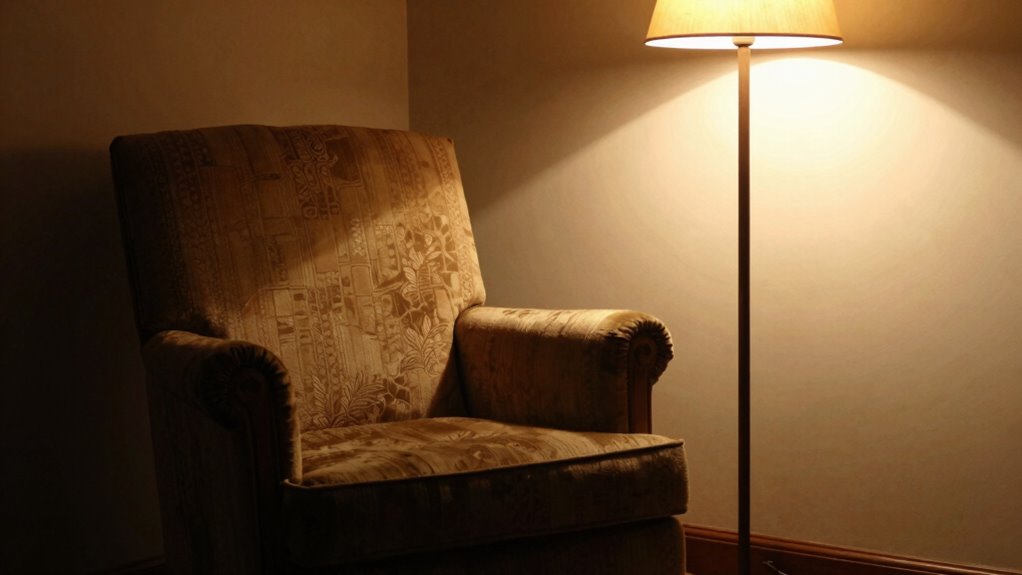
At the same time, lighting placement plays a vital role in task focus. Whether you’re cooking in the kitchen, working at a desk, or reading in your favorite chair, the light needs to be directed precisely where you need it. Overhead fixtures alone often aren’t enough; you might need under-cabinet lights, adjustable reading lamps, or spotlights that highlight specific areas. Positioning these lights correctly ensures that your tasks are well-lit without straining your eyes or creating shadows that hinder visibility. When you understand how to place task lighting, you not only improve your efficiency but also reduce eye fatigue and enhance safety.
Ultimately, the art of lighting placement lies in balancing ambient glow with task focus. You want your space to feel inviting yet functional, and that only happens when you think critically about where you put your lights. It’s tempting to focus solely on style, but without strategic placement, even the most beautiful fixtures can fall flat. When you pay attention to how lights interact with your space—considering height, angle, and proximity—you create a harmonious environment that looks great and works seamlessly for your needs. It’s not just about style; it’s about making your space work for you.
Popular right now

Ninja Foodi 7-Qt MegaZone FlexBasket Air Fryer, 6-in-1, Black, DZ071

Roborock RockNeo Q110H Wire-Free Robot Lawn Mower

Bose QuietComfort True Wireless Earbuds with Active Noise Cancellation, Bluetooth 5.3, USB-C Charging, IPX4, Black
As an affiliate, we earn on qualifying purchases.
Frequently Asked Questions
How Does Lighting Placement Affect Energy Efficiency in a Room?
Lighting placement directly impacts your room’s energy efficiency by reducing unnecessary energy consumption. When you strategically position lights within different lighting zones, you can focus illumination where needed, avoiding over-lighting. Proper placement allows you to use lower wattage bulbs effectively, decreasing overall energy use. By dividing your space into zones and placing lights thoughtfully, you optimize energy efficiency, save on electricity bills, and create a more comfortable, well-lit environment.
Can Improper Lighting Placement Cause Eye Strain or Discomfort?
Yes, improper lighting placement can cause eye strain and discomfort, making your eyes feel like they’ve run a marathon. When lights are too harsh, uneven, or poorly directed, your eyes struggle to focus and adjust, leading to fatigue. Poor placement disrupts visual comfort, forcing your eyes to work harder and increasing the risk of headaches. To avoid this, position lights to reduce glare and guarantee even, comfortable illumination.
What Tools Are Best for Measuring Optimal Lighting Placement?
You should use tools like a light meter or lux meter for lighting calibration and fixture positioning. These devices measure light levels accurately, helping you determine ideal placement for even, comfortable illumination. A digital light meter provides precise readings of lux or foot-candles, guiding you to avoid glare or shadows. Properly calibrated lighting ensures your space is well-lit, reducing eye strain and improving overall ambiance.
How Often Should Lighting Placement Be Reassessed or Adjusted?
You should reassess your lighting placement whenever your space’s use or layout changes, or at least annually. Regular adjustments guarantee your lighting maintains ideal aesthetic balance and functionality. Factors like furniture rearrangements, new decor, or seasonal changes can affect how light interacts with your space. By staying attentive, you’ll keep your lighting placement aligned with your aesthetic goals, enhancing overall ambiance and ensuring your lighting remains both effective and visually pleasing.
Does Lighting Placement Influence Room Perception and Space Size?
Lighting placement greatly influences how you perceive a room’s size and ambiance. Proper placement creates an ambient glow that makes the space feel larger and more inviting. By highlighting focal points, such as artwork or architectural features, you guide the eye and enhance the room’s depth. Strategic positioning of lights can make a small room appear more spacious, while well-placed lighting adds warmth and dimension to any area.
Conclusion
Think of your lighting as the heartbeat of your space; when placed thoughtfully, it breathes life into every corner. Proper lighting placement isn’t just about style—it’s the director guiding the flow and mood of your room. Like a skilled conductor, you orchestrate how each element interacts and shines. When you align your lighting with your space’s rhythm, you create a harmonious environment where every detail resonates and feels just right.