Performance fabrics labeled as “stain-resistant” use advanced coatings and embedded molecules that repel liquids and reduce stains. This means spills are less likely to stick or penetrate the fabric, making cleanup easier. However, these fabrics aren’t invincible—repeated spills can still cause issues, and coatings may degrade over time. To get the most out of your upholstery, it’s important to understand how these fabrics work and their limitations—learn more about making informed choices.
Key Takeaways
- Stain-resistant fabrics are engineered with special coatings or treatments that repel liquids and prevent stain absorption.
- These fabrics create a protective barrier, but they are not completely invincible to spills or repeated staining.
- Proper maintenance, including immediate cleaning and gentle methods, is essential to preserve stain-resistant properties.
- Different treatment types (fluorocarbon, silicone, polymer) impact durability, appearance, and suitability for various applications.
- While often more costly initially, stain-resistant fabrics offer long-term savings through increased durability and easier maintenance.
What Are Performance Fabrics for Stain-Resistant Upholstery?

Performance fabrics for stain-resistant upholstery are specially engineered textiles designed to repel liquids and resist stains, making them ideal for high-traffic or spill-prone areas. These fabrics prioritize fabric durability, so they withstand daily wear and tear without fraying or fading. You’ll find that textile comfort remains high, as many performance fabrics are soft and breathable, providing a pleasant sitting experience. The advanced coatings or treatments used in these textiles create a barrier against liquids, preventing stains from setting in quickly. This combination of durability and comfort means you can enjoy your furniture without worry, even in busy households or commercial spaces. Additionally, the color accuracy of these fabrics ensures that their appearance remains vibrant and true over time, maintaining the aesthetic appeal of your furniture. Moreover, the integration of sustainable materials in some performance fabrics supports environmentally friendly choices without sacrificing quality. Understanding the performance fabric technologies can help you select the best options for your needs and lifestyle, especially when considering eco-friendly options that reduce environmental impact. Recognizing the importance of air quality in indoor environments can also influence your choice of upholstery fabrics to ensure a healthier living space.
How Do Stain-Resistant Fabrics Work? The Science Explained
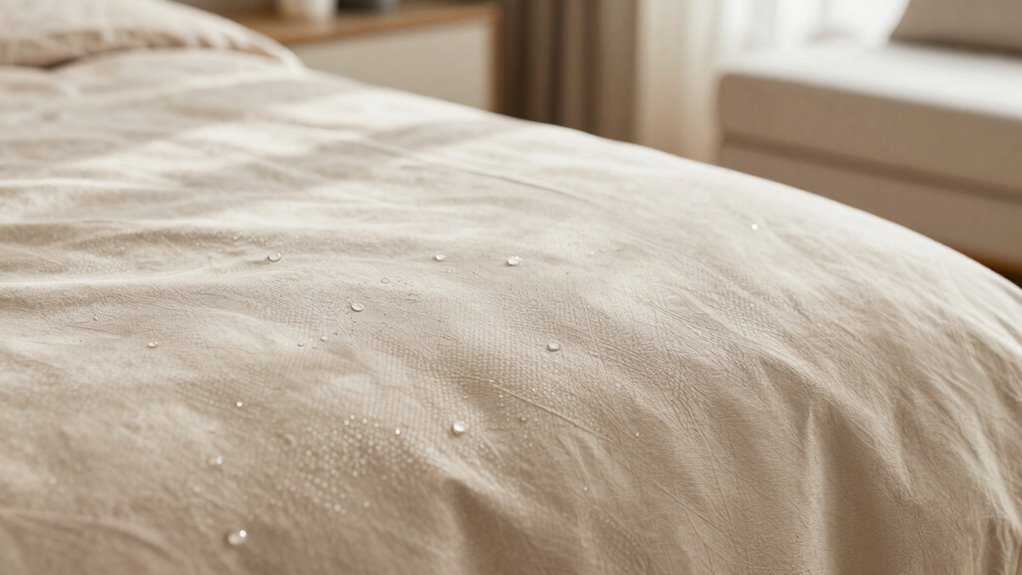
Stain-resistant fabrics work by creating a protective barrier that prevents liquids and spills from penetrating the fibers. This barrier is often achieved through specific fabric composition and stain resistance mechanisms. The fabric’s surface may be treated with a durable coating or embedded with molecules that repel liquids. Understanding how these mechanisms operate helps you grasp their effectiveness. Additionally, ongoing research into innovative textile treatments continues to improve the performance and sustainability of stain-resistant textiles, with advances driven by advanced material science and eco-friendly coating development. These advancements are driven by a better understanding of aviation regulations and material science to develop more durable and eco-friendly coatings.
What Are the Most Common Myths About Stain-Resistant Upholstery?

Many people believe stain-resistant upholstery can withstand any spill without effort, but that’s a myth. You might think cleaning is always quick and easy, yet some stains require more effort than expected. It’s also important to remember that even the best fabrics have limitations you shouldn’t ignore. For example, understanding the performance fabric market can help you choose options with realistic expectations for stain resistance. Additionally, staying informed about security measures in the industry ensures that your personal data remains protected during purchases.
Overestimating Stain Resistance
Have you ever believed that stain-resistant upholstery can withstand any spill without effort? Many assume that these fabrics are invincible, but that’s a myth. Overestimating stain resistance can lead to disappointment and damage. Here’s what to remember:
- Stain-resistant fabrics aren’t immune—liquids can still seep in if not cleaned promptly.
- Repeated spills can compromise fabric softness and aesthetic appeal over time.
- Some stains may require specialized cleaning methods, despite the fabric’s treatment.
Understanding these limits helps you maintain your furniture’s look and feel. While stain-resistant fabrics help reduce worry, they don’t guarantee effortless cleanup or long-term durability. Avoid overestimating their capabilities, and you’ll better preserve both the fabric’s softness and aesthetic appeal.
Belief in Easy Cleanup
Believing that stain-resistant upholstery makes cleanup effortless is a common misconception. While these fabrics are designed to resist stains, they still require proper cleaning techniques. Relying solely on cleaning hacks like quick blotting or using harsh chemicals can damage the fabric and reduce its durability over time. Remember, stain-resistant fabrics aren’t invincible; they’re engineered to make stains easier to manage, not eliminate the need for care. To maintain fabric durability, follow manufacturer instructions and use gentle cleaning methods. Regular maintenance, such as vacuuming and spot cleaning, helps preserve the fabric’s integrity. Don’t assume stains will just wipe away; approach cleanup with the right tools and techniques to ensure your upholstery stays looking good longer.
Ignoring Fabric Limitations
Are you aware of the common myths that lead people to overlook the actual limitations of stain-resistant upholstery? Many believe stain resistance means the fabric is invincible, but that’s not true. For example:
- Assuming stain-resistant fabrics are also highly breathable, which may not be the case and could affect comfort.
- Believing that these fabrics won’t fade or discolor over time, ignoring potential issues like color fading with frequent cleaning.
- Thinking stain-resistant means the fabric is maintenance-free, when in reality, it still has limitations, especially when it comes to heavy spills or abrasive cleaning methods.
- Misunderstanding fabric aftercare requirements can lead to improper cleaning that damages the fabric or causes irritation. Additionally, it’s important to recognize that stain-resistant coatings may degrade over time, reducing their effectiveness.
- Many consumers underestimate the importance of fabric durability and how it influences the long-term performance of stain-resistant upholstery, especially in high-traffic areas. Recognizing the testing standards used during fabric manufacturing can also help consumers better assess fabric longevity and resistance qualities.
- It’s also crucial to consider that breathability may be compromised in some stain-resistant fabrics, impacting overall comfort in upholstery.
Which Types of Stain-Resistant Treatments Are Available?

There are different types of stain-resistant coatings you can choose from, each offering unique benefits. Application methods vary, including sprays, dips, or built-in treatments during manufacturing. Understanding these options helps you select the best treatment for your needs.
Types of Coatings
Have you ever wondered how fabrics resist stains and stay cleaner longer? Different coatings enhance fabric durability and preserve aesthetic appeal. Here are three common types:
- Polyurethane Coatings: These create a flexible, waterproof barrier, boosting durability and maintaining softness. Proper application ensures the coating remains effective over time. Polyurethane coatings are widely used in upholstery to provide reliable protection against spills and stains.
- Nanotechnology Treatments: They form a thin, invisible shield that repels liquids and stains without altering fabric feel or look. Nanocoatings utilize nanoscale materials to provide effective stain resistance, and understanding coating chemistry can help in selecting the best treatment.
- Polymer-Based Coatings: These form a protective layer that resists spills, helping fabrics keep their appearance longer while enhancing durability. Regular maintenance and cleaning are essential to sustain their protective qualities.
Each coating type offers unique benefits, balancing stain resistance with maintaining the fabric’s aesthetic appeal. Choosing the right coating depends on your needs, whether prioritizing fabric longevity or appearance. Wiring basics can be useful when installing or maintaining fabric treatments in furniture.
Application Methods
When it comes to applying stain-resistant treatments, several methods guarantee the coatings bond effectively to fabrics. You can choose between spray-on, roll-on, or immersion techniques, depending on your fabric texture and desired coverage. Spray-on treatments are quick and ideal for small projects, while roll-on offers more even application for larger surfaces. Immersion works best for fabrics with complex textures, ensuring full saturation. Keep in mind, different application methods affect available color options; some treatments may alter fabric appearance slightly. Here’s a quick overview:
| Method | Best For |
|---|---|
| Spray-on | Quick, small areas |
| Roll-on | Larger surfaces, smooth textures |
| Immersion | Complex textures, full coverage |
Additionally, understanding the sound healing science behind certain treatments can help in selecting options that promote relaxation and overall fabric longevity.
How Do You Properly Maintain and Care for Stain-Resistant Fabrics?

Proper maintenance is key to keeping stain-resistant fabrics looking their best over time. To maximize fabric longevity, you should follow a consistent cleaning schedule and handle spills promptly. Additionally, understanding the essence of California’s spirit can inspire you to select fabrics that reflect the state’s diverse and vibrant culture. Regularly inspecting and addressing any signs of wear helps maintain the fabric’s stain resistance, ensuring it remains effective. Using media literacy skills to evaluate cleaning products and methods can prevent damage caused by harsh chemicals. 1. Clean spills immediately with a clean, damp cloth to prevent stains from setting. 2. Vacuum regularly to remove dust and debris, reducing dirt buildup. 3. Use gentle, fabric-specific cleaning solutions when necessary, avoiding harsh chemicals that could damage the fibers. Maintaining a comprehensive cleaning routine helps protect the fabric’s stain resistance, ensuring it remains effective. Avoid over-wetting the fabric, and always check manufacturer guidelines before applying any cleaning products. Proper care not only preserves the appearance but also prolongs the lifespan of your stain-resistant upholstery.
Are Stain-Resistant Upholstery Worth the Cost? Durability and Investment Insights

Investing in stain-resistant upholstery can be a smart choice if you want furniture that stays cleaner longer and requires less upkeep. When considering whether it’s worth the cost, look at fabric durability and the long-term savings. While initial costs are higher, you often spend less on cleaning and replacement. Here’s a quick cost analysis:
| Factor | Traditional Fabric | Stain-Resistant Fabric | Savings Over Time |
|---|---|---|---|
| Initial Cost | Lower | Higher | – |
| Maintenance Costs | Higher | Lower | Savings Increase |
| Fabric Longevity | Moderate | Higher | Extended lifespan |
| Resale Value | Standard | Slightly Higher | Better resale |
| Overall Investment | Moderate | Potentially Higher | Cost-effective |
Ultimately, stain-resistant upholstery offers better durability and can be a worthwhile investment.
Where Is Stain-Resistant Upholstery Most Useful? Practical Use Cases

Stain-resistant upholstery proves especially valuable in high-traffic areas and environments prone to spills and messes. If you have kids or pets, this fabric helps manage household spills quickly and easily. It’s also ideal for outdoor furniture, where exposure to dirt, rain, and food spills is common. Consider these practical use cases:
- Living rooms with children and pets, where accidental stains are frequent
- Dining areas, especially around kids’ tables, to handle food and drink spills
- Outdoor furniture, to resist stains from dirt, rain, and outdoor messes
What Features Should You Look for When Choosing Stain-Resistant Upholstery?

When selecting stain-resistant upholstery, it’s vital to look for features that guarantee durability and ease of maintenance. Focus on fabric durability to ensure the material withstands daily wear without tearing or fraying. Strong, high-quality fibers will keep your furniture looking new longer. Additionally, check for excellent color retention so the fabric resists fading from sunlight or cleaning products. Stain-resistant fabrics with reinforced coatings or treatments often excel in both areas, making them practical choices. Also, consider the fabric’s weave and construction—tight weaves tend to resist spills and stains better. Overall, choose fabrics designed specifically for durability and color retention to enjoy long-lasting beauty and minimal upkeep. These features help your upholstery stay vibrant and resilient over time.
Do Stain-Resistant Fabrics Last Longer Than Regular Options?

Many people assume that stain-resistant fabrics automatically last longer than regular options, but that’s not always the case. Fabric longevity depends on various factors beyond stain resistance, such as fiber type and usage. While stain resistance durability can help your upholstery maintain its appearance, it doesn’t necessarily prolong the fabric’s lifespan. To understand how these fabrics compare, consider these points:
- Some stain-resistant treatments may wear off over time, reducing durability.
- Regular fabrics with high-quality fibers might last longer than lower-grade stain-resistant options.
- Proper care and maintenance often have a bigger impact on fabric longevity than whether it’s stain-resistant or not.
Ultimately, choosing a fabric with proven durability and proper upkeep is key to maximizing lifespan.
Frequently Asked Questions
Can Stain-Resistant Fabrics Be Eco-Friendly or Contain Harmful Chemicals?
Yes, stain-resistant fabrics can be eco-friendly and free from harmful chemicals. You should look for options labeled as eco-friendly or certified by organizations like OEKO-TEX, which guarantees they don’t contain harmful substances. Many brands now offer stain-resistant textiles made with natural or sustainable treatments, addressing harmful chemical concerns while still providing stain resistance. So, you can find fabrics that protect your furniture without compromising your health or the environment.
Are Stain-Resistant Fabrics Effective Against All Types of Stains?
Stain-resistant fabrics aren’t foolproof against all stains but are quite effective with common spills like wine, coffee, and juice. To guarantee chemical safety and longevity, follow maintenance tips such as cleaning spills quickly and avoiding harsh chemicals. Regular vacuuming helps, too. Keep in mind, some fabrics may resist certain stains better, so always check the manufacturer’s instructions for ideal care and stain protection.
How Do Stain-Resistant Fabrics Perform Over Long-Term Use?
Stain-resistant fabrics can last up to 50% longer with proper care, making them a smart choice for durability. Over long-term use, their stain longevity remains impressive if you clean spills promptly and avoid harsh chemicals. These fabrics maintain their appearance and fabric durability, resisting wear and tear better than untreated materials. With regular maintenance, your stain-resistant upholstery stays fresh and vibrant, offering reliable performance for years to come.
Can Stain-Resistant Treatments Be Reapplied Once Worn Out?
Yes, you can reapply stain-resistant treatments once they wear out. The reapplication process typically involves cleaning the fabric thoroughly, then applying a new coating of the treatment according to the manufacturer’s instructions. Keep in mind, durability concerns may arise with repeated reapplications, as the fabric’s original integrity could diminish over time. Regular maintenance and following proper reapplication steps help maintain stain resistance longer.
Are There Color or Texture Limitations With Stain-Resistant Upholstery?
Imagine running your hand over a sofa, noticing how stain-resistant fabrics offer more than just protection. You’ll find plenty of color options and texture variations to match your style. While some textures may be limited, many brands now provide diverse choices, so you don’t have to compromise on look or feel. This way, your upholstery stays beautiful and functional, no matter your preferred color or texture.
Conclusion
Ultimately, choosing stain-resistant upholstery can gently ease your worries and keep your space looking fresh. While it’s not a magic fix, it offers a helpful layer of confidence in your daily life. With proper care, these fabrics tend to hold up well over time, making them a wise if subtle investment. So, consider your needs carefully—sometimes, a little extra resilience can quietly make your home feel a bit more effortless.