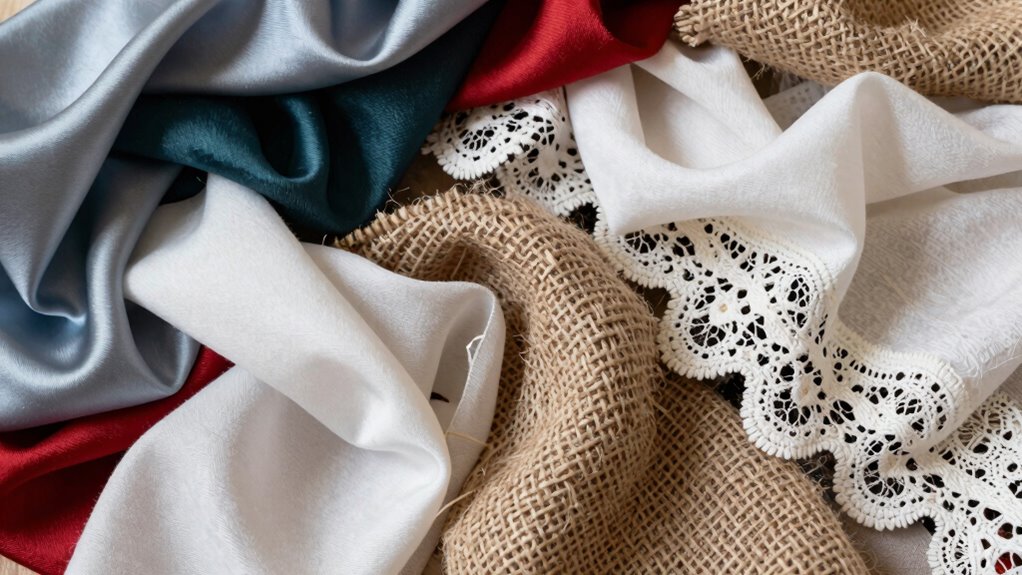

Many fabric blends hide serious durability and environmental issues that you might not notice. When different fibers like silk and polyester are mixed, they can weaken faster over time, leading to shorter-lasting clothes. Synthetic fibers from these blends also pollute waterways and end up in landfills, harming ecosystems. These problems aren’t often talked about, but understanding them helps you make smarter, more sustainable choices. If you want to learn how fabric blends impact both your wardrobe and the planet, keep exploring.

Get your wardrobe favorites delivered free with Prime
- Fast, free delivery on millions of items
- Prime Video, Amazon Music and more included
- Member-only deals all year
Key Takeaways
- Fabric blends often degrade faster over time due to incompatible fiber interactions, reducing durability.
- Synthetic fibers in blends contribute significantly to microplastic pollution and are non-biodegradable.
- Marketing emphasizes versatility and cost, but rarely highlights environmental impact and fabric longevity issues.
- Blended fabrics’ shorter lifespan and environmental harm continue long after disposal.
- Informed choices about fiber compatibility and sustainability can lead to more durable and eco-friendly fabrics.
Have you ever wondered why certain fabric blends don’t turn out as expected? It’s frustrating when you invest in clothing or textiles, only to find that the fabric doesn’t hold up over time or doesn’t look quite right after a few washes. The core issue often lies in the way different fibers interact within a blend. Fabric durability can be compromised because some fibers may weaken or break down faster when combined, leading to premature wear and tear. For example, mixing delicate silk with rougher polyester might seem like a good idea for texture or cost reasons, but it can result in uneven aging. When fibers don’t work harmoniously, the entire fabric’s lifespan suffers, and you’re left replacing items sooner than you’d like. Additionally, the fiber interaction in blended fabrics can influence how the fabric reacts to washing and wear, often exacerbating durability issues over time. Understanding fiber compatibility is crucial for both manufacturers and consumers who want to make more sustainable choices. Recognizing these fiber interactions can also help you select fabrics that are more resilient and environmentally friendly. A deeper understanding of fiber behavior can guide better decision-making when choosing fabric blends for different uses. Beyond durability, there’s also the environmental impact that gets overlooked when creating these blends. Many fabric blends involve synthetic fibers like polyester or nylon, which are derived from petroleum. While these materials can improve fabric strength and flexibility, they also contribute significantly to pollution. During production, they release microplastics and other pollutants into waterways, affecting ecosystems and human health. Even after disposal, synthetic fibers don’t biodegrade easily, adding to landfill waste and environmental contamination. When you choose blended fabrics, it’s essential to consider these hidden costs. A fabric that looks good and feels comfortable might be causing environmental harm long after you’ve discarded it. microplastics from synthetic fibers are a serious environmental concern, and reducing their use is vital for sustainability. The problem is that fabric blends are often marketed for their versatility and cost savings, but the hidden issues of durability and environmental impact aren’t front and center. Manufacturers might prioritize lower production costs or fashion trends over long-term sustainability. As a consumer, you might not realize that a seemingly perfect blend could fall apart after minimal use or that it’s contributing to pollution. This disconnect makes it harder to make informed choices about what you wear and buy. Ultimately, the fabric blend problem isn’t just about what’s visible on the surface. It’s about understanding how different fibers interact, how those interactions affect the longevity of your clothing, and the broader environmental consequences. When you pay attention to these factors, you can make smarter decisions—favoring sustainable, durable options that don’t come at the expense of the planet. Recognizing these issues helps you see beyond the surface and choose fabrics that truly align with your values and needs.
durable eco-friendly fabric clothing
As an affiliate, we earn on qualifying purchases.
As an affiliate, we earn on qualifying purchases.
Frequently Asked Questions
How Can I Identify Problematic Fabric Blends Before Buying?
You can identify problematic fabric blends by checking the fabric composition label carefully. Look for blend percentages—if a fabric has a high percentage of synthetic fibers like polyester or elastane, it might not breathe well or be durable long-term. Research how different blend ratios affect fabric performance, and choose those with balanced percentages, such as 60% cotton and 40% polyester, to guarantee comfort and longevity.
Are Certain Fabric Blends More Eco-Friendly Than Others?
Think of fabric blends like a recipe—some ingredients are more eco-friendly than others. Blends with sustainable fibers, like organic cotton or hemp, are more eco-conscious. They’re made through eco-conscious manufacturing processes that reduce environmental impact. Blends incorporating recycled fibers or plant-based materials typically tread lighter on the planet. So, when shopping, look for labels emphasizing sustainable fibers and eco-conscious manufacturing—your choices can help weave a greener future.
Do Fabric Blends Affect the Durability of Clothing?
Yes, fabric blends can affect the durability of your clothing. The fiber durability depends on the blend composition; for example, cotton-polyester blends often combine softness with strength, making garments more resistant to wear and tear. Conversely, some blends may weaken over time if they contain fibers with lower durability. Understanding the blend composition helps you choose fabrics that last longer, ensuring your clothing stays in good shape through multiple washes and wears.
Can Fabric Blends Cause Allergic Reactions?
Yes, fabric blends can cause allergic reactions. Synthetic fibers, often used in blends, may contain chemical residues from manufacturing, which can irritate sensitive skin. If you have allergies or skin sensitivities, you might experience itching, redness, or rash when exposed to these fabrics. Always check labels for synthetic content and wash new clothes thoroughly to reduce chemical residues, helping prevent potential allergic reactions.
How Should I Wash Mixed Fabric Garments Properly?
You should wash mixed fabric garments in cold or warm water, depending on the care label, to prevent damage. Use a gentle cycle to protect delicate fibers. For drying, opt for air drying or tumble drying on low heat to avoid shrinking or weakening the fabric blend. Always follow the manufacturer’s instructions, as proper washing temperature and drying methods help preserve the garment’s quality and longevity.
Conclusion
Despite the widespread use of blended fabrics, only about 30% of consumers are aware of potential issues like fabric degradation and reduced longevity. By understanding the fabric blend problem, you can make more informed choices and extend the life of your clothing. Recognizing these hidden challenges helps you avoid unnecessary waste and expense, ultimately leading to smarter purchases. Awareness is key — because the right fabric blend can make all the difference in your wardrobe’s durability.
Fall Picks
fall essentials
As an affiliate, we earn on qualifying purchases.