
You can tell a garment’s longevity by examining its construction details. Look for durable fabrics like organic cotton, hemp, or recycled fibers, which resist wear longer. Check the stitching—tight, even stitches and reinforced seams like double or flat-felled ones signal quality and strength. Notice how seams are finished; neat, fray-resistant edges and thoughtful design features like reinforced knees also contribute to durability. Understanding these clues helps you choose pieces that last, and there’s more you can uncover about making smart, long-lasting choices.
Key Takeaways
- Durable fabrics like organic cotton, hemp, or recycled fibers indicate longer-lasting garments.
- Tight, even stitches and reinforced seams suggest high-quality construction and increased durability.
- Proper seam finishing without raw edges prevents fraying and extends garment lifespan.
- Reinforced design features, such as double-layered areas, enhance resistance to wear and tear.
- Recognizing well-constructed garments helps identify pieces that will endure over time.
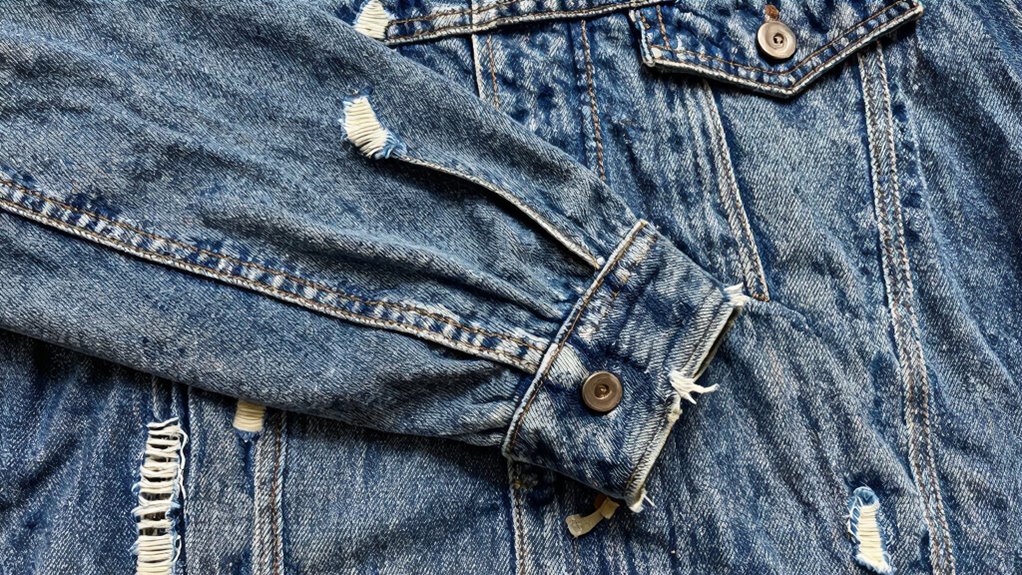
When it comes to clothing you want to last, understanding garment construction is key. Knowing how a piece is made can give you insights into its durability and how well it will hold up over time. One of the first things to look at is the choice of sustainable fabrics. These materials are often designed with longevity in mind, using eco-friendly processes that enhance their strength and resistance to wear. Fabrics like organic cotton, hemp, and recycled fibers tend to be more durable because they’re processed to maintain their integrity. Choosing garments made from these sustainable fabrics can mean fewer replacements and less environmental impact, making your wardrobe both eco-conscious and long-lasting.
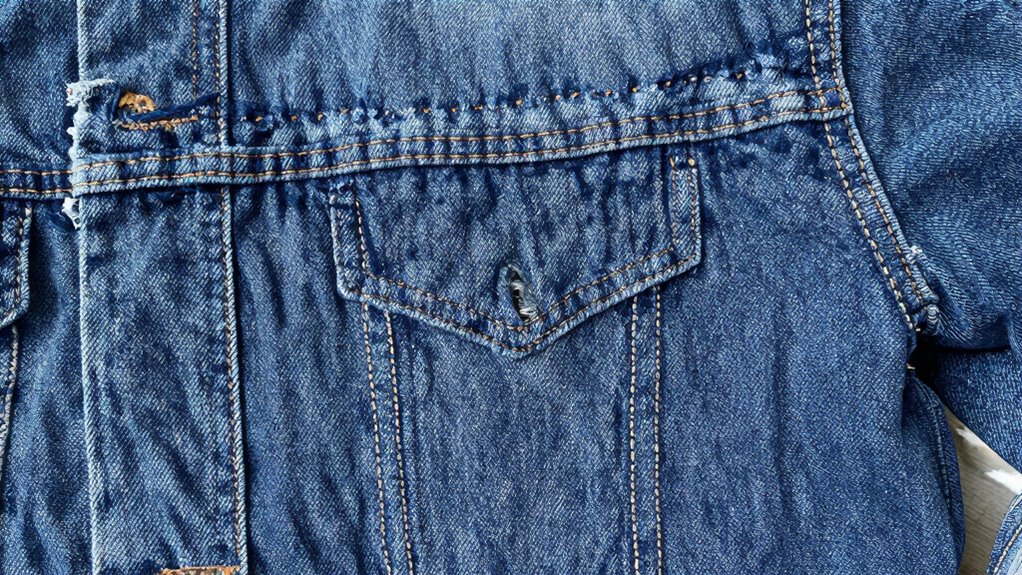
Beyond fabric choice, examining stitching techniques tells you more about a garment’s potential lifespan. High-quality stitching isn’t just about aesthetics; it’s a sign of craftsmanship and attention to detail. Look for tight, even stitches that are double-stitched at stress points such as seams, pockets, and hems. Reinforced stitching, like flat-felled or bartacked seams, adds extra strength where the fabric experiences the most tension. These techniques minimize unraveling and tearing, ensuring the garment stays intact through frequent wears and washes. Conversely, loose or uneven stitching can quickly unravel, indicating a lower-quality construction that won’t stand the test of time. Additionally, proper seam finishing techniques can significantly extend the life of a garment by preventing fraying over time.
The way a garment is assembled also reveals its durability. For instance, properly finished seams without raw edges reduce fraying and prolong the garment’s life. Seams that are flat-felled or bound tend to be stronger and more resistant to stress. Similarly, the quality of the finishing touches, like neat hems and secure buttonholes, shows that care was taken during manufacturing, which often correlates with a longer-lasting piece.
Pay attention to the design details that support longevity. Features like reinforced knees on jeans or double-layered fabric in high-wear areas offer extra protection. These thoughtful construction choices help the garment endure daily use and repeated washing. When you understand the significance of sustainable fabrics and stitching techniques, you can make smarter decisions about what to buy—favoring well-constructed pieces that will serve you longer. Not only does this save you money over time, but it also reduces waste and supports environmentally responsible fashion. Ultimately, a carefully constructed garment isn’t just about style—it’s about investing in quality that stands the test of time. Recognizing durable construction can help you identify pieces built to last through years of wear.
As an affiliate, we earn on qualifying purchases.
Frequently Asked Questions
How Does Fabric Choice Influence Garment Durability Over Time?
Your fabric choice directly impacts how long your garment lasts. Fiber types like polyester or nylon offer better wear resistance, making them more durable over time. Natural fibers like cotton or wool may feel great but tend to wear out faster if not reinforced. By selecting fabrics with strong fiber types and high wear resistance, you guarantee your clothing withstands regular use and maintains its appearance longer.
Can Stitching Techniques Affect a Garment’s Lifespan Significantly?
Stitching techniques act like the backbone of your garment, holding it together through life’s wear and tear. When you prioritize thread strength and seam reinforcement, you’re ensuring your clothing withstands daily stresses. Proper stitching prevents unraveling and weak spots, substantially extending your garment’s lifespan. So, next time you pick or repair clothing, remember that strong stitches are the silent heroes, quietly ensuring your favorite pieces last longer and stay looking sharp.
What Role Do Garment Fit and Design Play in Longevity?
Your garment’s fit and design greatly influence its longevity, shaped by fashion trends and cultural influences. A well-fitted piece with classic design elements tends to last longer because it endures changing trends and remains versatile. Conversely, overly trendy styles may become outdated quickly, reducing wearability. By choosing timeless cuts and considering cultural influences, you guarantee your clothing remains durable and stylish, lasting through seasons and evolving fashion trends.
How Does Washing Method Impact the Longevity of Different Fabrics?
Your washing method greatly impacts fabric longevity. Using detergent compatibility guarantees your clothes stay intact and colors don’t fade. Gentle washing cycles help delicate fabrics, while sturdier materials can handle more rigorous methods. Proper drying techniques, like air-drying or low heat, prevent shrinkage and fiber damage. Avoid harsh detergents and high heat, as these accelerate wear. By choosing the right detergent and drying approach, you extend your garments’ lifespan effectively.
Are Sustainable Fabrics Generally More Durable Than Synthetic Ones?
Sustainable fabrics, like those made from eco-conscious fibers, often prove more durable than synthetics because they benefit from natural resistance to wear and environmental damage. These fibers are designed to age well, maintaining their integrity longer. You’ll notice that garments made from eco-conscious fibers tend to withstand washing and daily use better, making them a smarter, longer-lasting choice for those seeking sustainable options.
Conclusion
By paying attention to garment construction, you can make smarter choices that stand the test of time. Strong seams, quality fabrics, and thoughtful design all contribute to a piece’s longevity. Remember, a stitch in time saves nine—investing in well-made clothing now means fewer replacements later. So, choose wisely, care for your garments, and let good craftsmanship be your guide. After all, durability begins with how a garment is built.