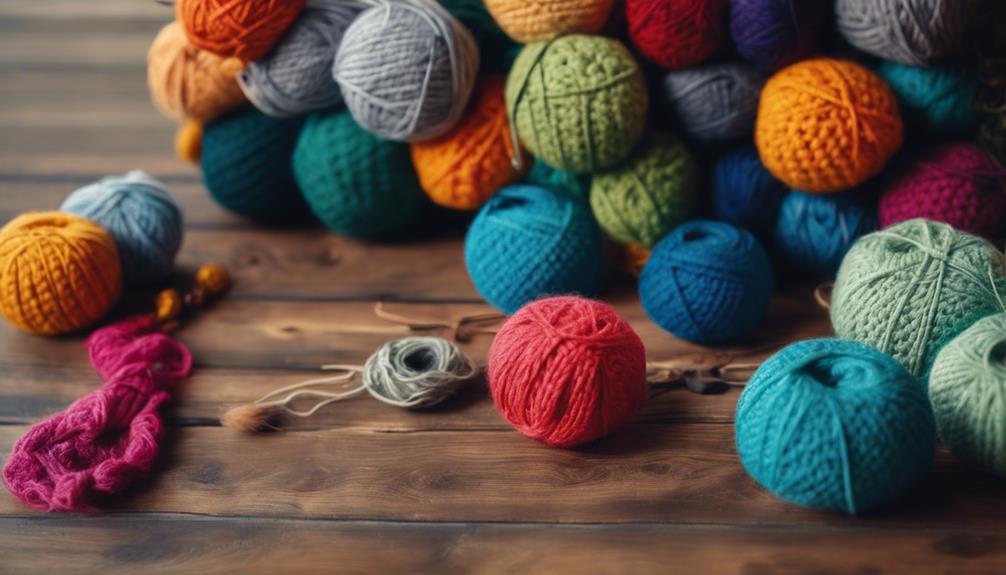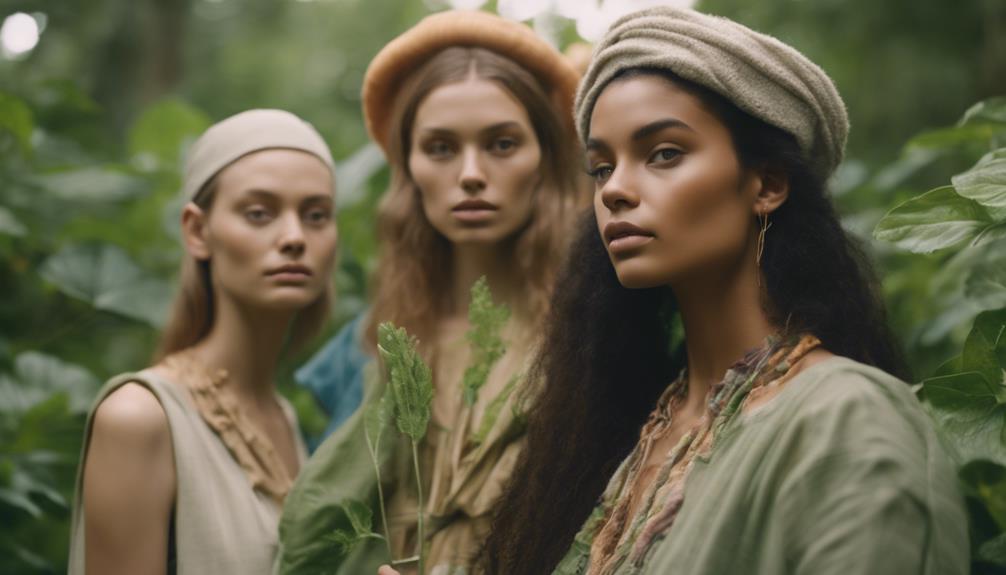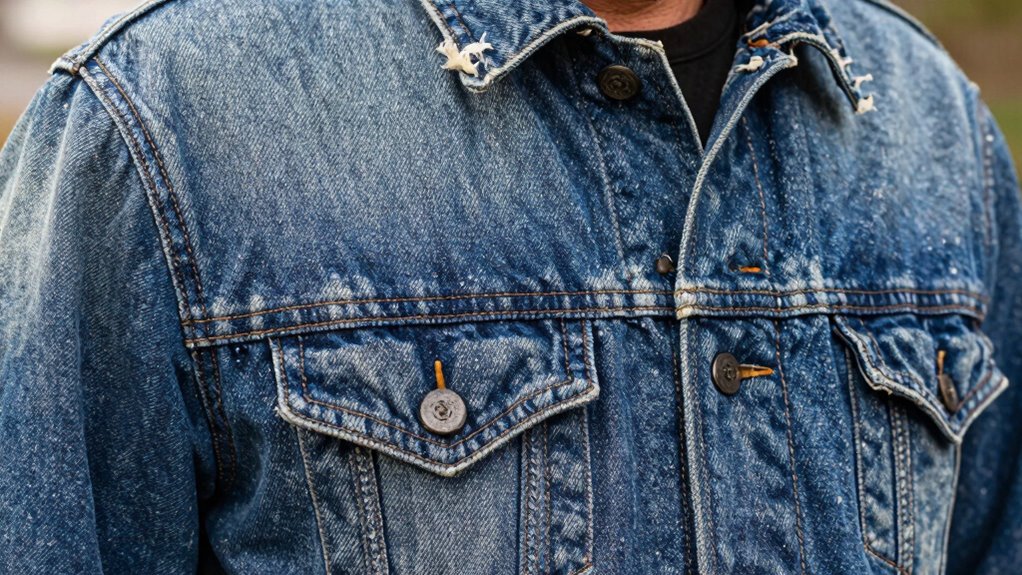

To spot a garment that will age well, check the fabric’s durability—look for tightly woven textiles like denim or wool, which resist wear and fading. Examine the stitching and finishing details for neatness and quality, as well-made seams last longer. Test the colorfastness by rubbing a damp cloth on hidden areas; good color retention indicates longevity. Pay attention to fabric composition, choosing natural fibers when possible, and consider your lifestyle for proper care. Keep exploring to learn even more.

Get your wardrobe favorites delivered free — and shop member deals
- Fast, free delivery on millions of items
- Access to Prime Big Deal Days deals on October 6–7
- Prime Video, Amazon Music and more included
Key Takeaways
- Choose fabrics like denim, wool, or cotton that naturally develop a pleasing patina over time.
- Inspect stitching and finishing for neatness, durability, and high craftsmanship quality.
- Opt for tightly woven textiles that resist stretching, fraying, and wear.
- Select garments with rich, deep colors and good dyeing processes for fade resistance.
- Ensure the garment suits your lifestyle and care routine to maintain its appearance longer.

Choosing a garment that will age well requires more than just liking how it looks today. You need to contemplate how it’s built and what materials it’s made from, because those factors determine how long it will stay in good condition. When evaluating a piece, start by paying attention to fabric durability. Stronger fabrics tend to withstand wear and tear over time, resisting stretching, shrinking, or fraying. Look for tightly woven textiles like denim, twill, or high-quality wool, which generally hold up better with repeated use and washing. Avoid fabrics that seem flimsy or loosely woven, as they’re more likely to develop holes or lose their shape. Regularly inspecting the fabric’s woven structure can help you assess its resilience for long-term wear.
Prioritize durable, tightly woven fabrics like denim, twill, and wool for lasting quality and resilience over time.
Next, deliberate on color fade resistance. A garment that retains its color over time will look fresher longer, even after numerous washes. Check the dye quality—deep, rich colors usually indicate better dyeing processes that resist fading. Some fabrics are naturally more colorfast; for example, colored denim or certain synthetics tend to hold their hue better than lighter, more delicate fabrics. You can also test the fabric’s colorfastness by rubbing a hidden seam or edge with a damp cloth; if the dye transfers, it might not be the best choice for long-term wear. Good color fade resistance means you won’t need to replace the item as often, making it a smarter investment. Additionally, understanding fabric composition can help you choose materials that naturally age well and develop character over time. Being aware of how different fibers age can guide you in selecting garments that will develop a desirable patina with age.
When examining a garment, look at the stitching and finishing details. Well-made seams and neat hems signal quality craftsmanship, which correlates with longevity. Check the fabric’s texture—smooth, even surfaces without pilling or snagging indicate it’s been carefully made with durable materials. Also, consider the fabric composition—natural fibers like wool, cotton, or silk often age gracefully, developing a desirable patina, while some synthetic blends may degrade faster over time. However, some high-quality synthetics can also be quite resilient if they’re designed for durability.
Finally, think about how the garment fits into your lifestyle. A sturdy, well-made piece that matches your wardrobe needs, and that you’re willing to care for properly, will age gracefully. When you choose carefully based on fabric durability and color fade resistance, you’re investing in clothing that not only looks good now but continues to look good years down the line. By paying close attention to these details, you’ll build a wardrobe of timeless pieces that truly stand the test of time.
As an affiliate, we earn on qualifying purchases.
Frequently Asked Questions
How Important Is Fabric Weight in Garment Longevity?
Fabric weight is pretty important for garment longevity, as it often indicates durability. Heavier fabrics, with denser weave and quality fabric composition, tend to age better because they withstand wear and washing longer. When you choose garments with a higher fabric weight, you’re investing in pieces that keep their shape and look over time. So, pay attention to fabric composition and weave density to select longer-lasting, timeless clothing.
Do Brand Reputation and Quality Certifications Affect Aging?
Brand trust and certification standards considerably impact how well your garment ages. When you choose reputable brands with strong reputations, you’re more likely to get quality, durability, and design that stand the test of time. Certification standards serve as strict symbols of superior standards, signaling that your clothing meets rigorous quality criteria. Trustworthy brands and certified standards combine to create clothing crafted for longevity, keeping your wardrobe looking vibrant and valuable through years of wear.
Can Minor Imperfections Impact a Garment’s Aging Process?
Minor imperfections, like loose stitches or slight fabric flaws, can impact a garment’s aging process. Poor stitch quality may lead to quicker unraveling, while lower fabric durability can cause faster wear and tear. These imperfections often signal lesser craftsmanship or materials, meaning your garment might not age gracefully. To guarantee longevity, look for well-stitched seams and durable fabrics, which help your clothing resist damage and maintain its appearance over time.
How Does Garment Care Influence Its Lifespan?
Think of your garment as a fine wine that matures with care. Proper washing, gentle handling, and timely repairs extend its lifespan, letting it age gracefully. When you care for it, your piece becomes a chameleon, adapting to evolving fashion trends and boosting its styling versatility. Neglect, however, can turn it brittle and dull, stripping away its potential to remain stylish and relevant over time.
Are Sustainable or Eco-Friendly Fabrics More Durable?
Sustainable fabrics like organic fibers and eco-friendly dyes often tend to be more durable because they’re processed with fewer chemicals and made from natural, resilient materials. When you choose garments made from organic fibers, you’re investing in long-lasting wear. Eco-friendly dyes also help maintain fabric integrity over time. So, your eco-conscious choices not only benefit the planet but also give you pieces that age gracefully, lasting longer with proper care.
Conclusion
Think of your wardrobe as a garden. The garments that age well are like sturdy trees—growing richer and more characterful over time, weathering seasons with grace. By choosing timeless fabrics and classic cuts, you’re planting roots that deepen with each passing year. These pieces become more than clothes; they’re stories woven into your life’s tapestry. Invest wisely, and your wardrobe will flourish, offering beauty and resilience long after the first bloom.
Halloween Picks
halloween
As an affiliate, we earn on qualifying purchases.