
When choosing organic cotton, look for trusted certifications like USDA Organic, GOTS, OEKO-TEX Standard 100, and Fair Trade. These labels guarantee the cotton is grown without synthetic pesticides, under strict environmental and social standards, and with ethical farming practices. Be cautious of vague claims without certification details. Certified labels safeguard you from fake offers and ensure genuine sustainability. To learn how to spot authentic labels and why they matter, keep exploring the essentials behind trusted certifications.
Key Takeaways
- Look for reputable certifications like GOTS or USDA Organic, which have strict standards for organic farming and supply chain transparency.
- Verify certification details, including labeling information and certification body markings, to ensure authenticity.
- Avoid vague claims such as “all-natural” without recognized certification or clear documentation.
- Certifications like OEKO-TEX ensure textiles are free from harmful chemicals, adding safety and transparency.
- Recognize Fair Trade certification for ethical practices, fair wages, and environmentally responsible farming.
Why Certification Matters for Authentic Organic Cotton
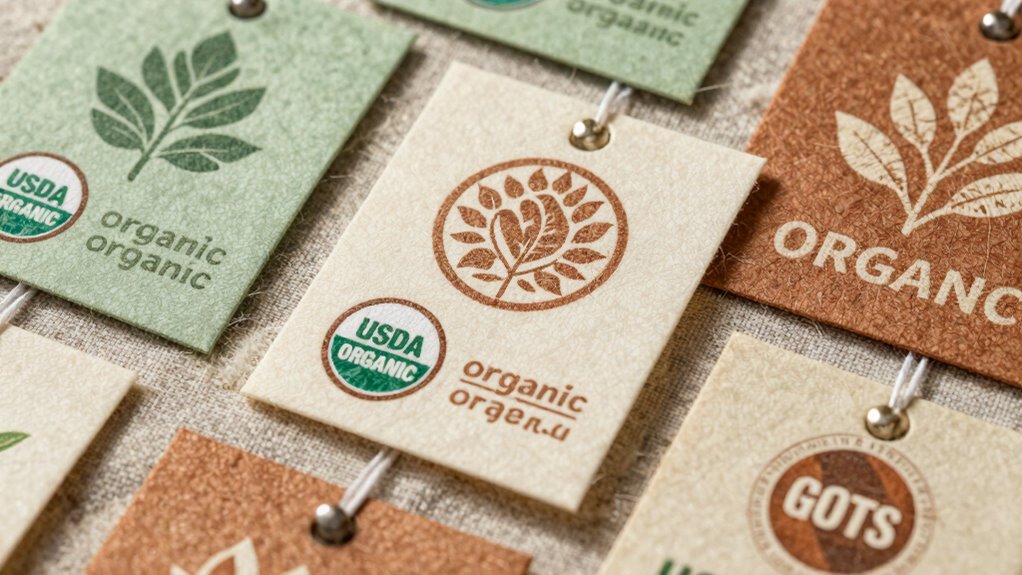
Certification is essential because it verifies that cotton truly meets organic standards, giving you confidence in the product’s authenticity. When a product is certified, it confirms that the cotton has been grown without synthetic pesticides or fertilizers, supporting sustainable farming practices. Organic dyeing is often part of certified processes, ensuring that colors are applied without harmful chemicals, which aligns with organic principles. Additionally, certification promotes supply chain transparency, allowing you to trace the cotton’s journey from farm to finished product. This transparency guarantees that every stage adheres to organic standards, reducing the risk of contamination or mislabeling. Furthermore, market trust can be strengthened through verified certifications, building consumer confidence and encouraging ethical practices. Certification also plays a key role in consumer education, helping buyers make informed choices about their purchases. When certification standards are clear and consistently enforced, they help prevent greenwashing and ensure that products labeled as organic genuinely meet the criteria. Ultimately, certification reassures you that the cotton you choose genuinely supports environmental health and ethical farming practices, making your purchase more responsible and trustworthy.
What Does USDA Organic Certification Guarantee?
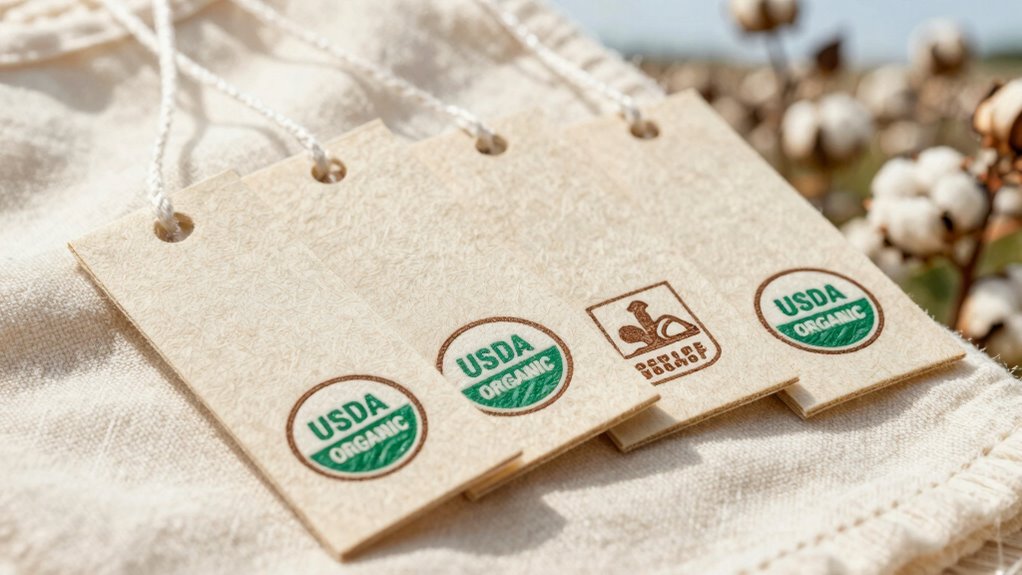
When you see the USDA Organic label, it guarantees that the cotton was grown under strict organic farming standards, free from synthetic pesticides and fertilizers. It also affirms that animal welfare practices were followed if animals are involved in the supply chain. Knowing these guarantees helps you trust that the product truly aligns with organic principles. Additionally, cultural content on the website emphasizes the importance of authentic standards and transparency in certifications to maintain consumer trust. The certification process often includes rigorous inspections to ensure compliance with organic standards. Moreover, understanding certification standards can help consumers differentiate between genuine and misleading labels. Regular appliance maintenance plans can also support sustainable practices by extending the lifespan of products and reducing waste. Recognizing the standards compliance of certifications ensures that consumers receive authentic organic products.
Organic Farming Standards
Ever wonder what the USDA Organic certification really guarantees? It assures that the cotton was grown using sustainable farming methods that prioritize eco-friendly practices. Certified farms avoid synthetic fertilizers and GMOs, instead relying on natural inputs and crop rotations to maintain soil health. These standards promote responsible water use and reduce environmental impact. By adhering to strict organic farming standards, farmers protect ecosystems and promote biodiversity. The certification also guarantees that no harmful chemicals or synthetic pesticides are used during cultivation. As a result, you get cotton that’s not only better for the environment but also safer for the people working the land. Overall, USDA Organic certification confirms that the cotton was produced with a commitment to sustainability and eco-conscious practices.
Pesticide-Free Assurance
The USDA Organic certification guarantees that no synthetic pesticides or herbicides are used during the cotton’s cultivation. This means you won’t find harmful pesticide residues in your organic cotton products, ensuring safer, cleaner textiles. Certification also requires farmers to implement crop rotation, which helps prevent pest buildup naturally and reduces the need for chemical interventions. By avoiding synthetic chemicals, organic cotton promotes healthier soil and reduces environmental pollution. You can trust that the cotton labeled as organic adheres to strict standards that prioritize pesticide-free practices. Additionally, third-party verification ensures that certified farms maintain compliance with organic standards through regular audits, which are an important aspect of Vetted certification processes. These audits often include environmental monitoring, further confirming the sustainable practices used throughout production. Incorporating independent assessments helps maintain transparency and reinforces consumer confidence in organic labels. Moreover, adherence to these certification standards supports soil health and promotes regenerative agricultural practices that benefit ecosystems.
Animal Welfare Practices
Organic cotton labeled under USDA standards not only guarantees pesticide-free cultivation but also mandates high standards for animal welfare. This means farms must avoid harming or exploiting animals, supporting ethical sourcing. This certification promotes wildlife conservation by encouraging practices that protect local ecosystems and native species. You can trust that organic cotton producers follow strict guidelines to ensure animals are treated humanely, with access to outdoor spaces and fresh air. These standards help preserve biodiversity and reduce stress on local wildlife. Additionally, the certification emphasizes sustainable farming practices that minimize environmental impact and promote long-term ecological health. By adhering to these comprehensive standards, organic cotton producers contribute to animal welfare practices that support ethical and humane treatment across the supply chain. Furthermore, certification requirements include regular inspections to ensure ongoing compliance with animal treatment standards, reinforcing the commitment to ethical practices in every stage of production. Ensuring proper animal welfare standards is integral to maintaining consumer trust and the integrity of organic certification.
Is GOTS the Most Trusted Standard for Organic Cotton?
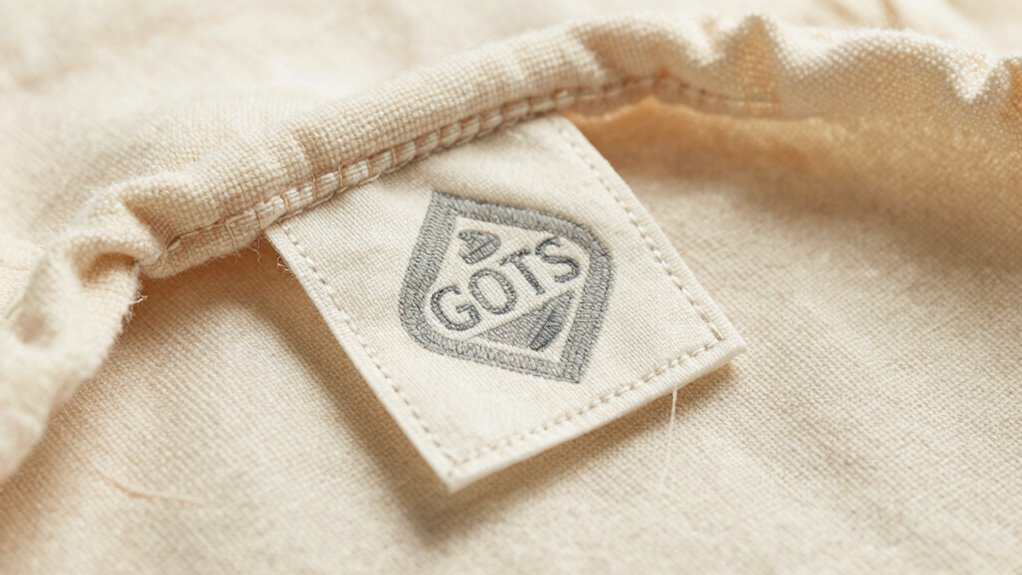
Many consumers wonder if GOTS truly stands out as the most trusted standard for organic cotton. GOTS is highly regarded because it covers the entire supply chain, ensuring transparency from farm to finished product. It also emphasizes reducing environmental impact through strict criteria on chemical use and waste management. Additionally, GOTS’s comprehensive certification process includes rigorous auditing procedures to verify compliance at every stage. Moreover, the certification’s global recognition adds to its credibility among consumers and manufacturers alike. Some critics argue that GOTS’s stringency may vary depending on the region or certifying body, which can lead to inconsistencies in standards. To help you decide, consider these points:
- GOTS requires regular audits of the entire supply chain for compliance.
- It mandates environmentally friendly farming practices.
- It is recognized globally for its all-encompassing approach to organic standards.
- The certification process also includes ongoing monitoring to maintain high standards over time.
Furthermore, GOTS’s emphasis on chemical restrictions ensures that harmful substances are minimized, supporting both environmental sustainability and consumer health.
While GOTS is widely trusted, understanding its scope can help you determine if it aligns with your values for genuine organic cotton.
What Role Does OEKO-TEX Standard 100 Play in Organic Cotton Labels?
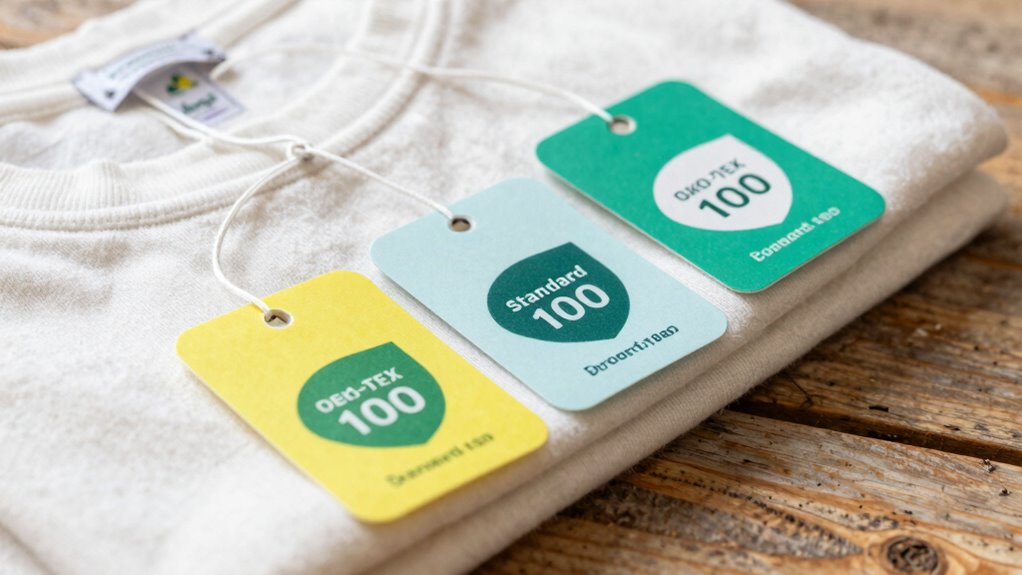
OEKO-TEX Standard 100 helps you understand the safety and testing standards behind organic cotton labels. It provides clear certification criteria that guarantee products are free from harmful substances. By checking for this label, you can confidently choose safer, well-tested organic cotton items. Additionally, responsible use and privacy considerations are important when choosing products with smart home integrations, ensuring your personal data remains secure.
Certification Criteria Clarity
While OEKO-TEX Standard 100 is not exclusive to organic cotton, it plays a significant role in clarifying certification criteria by setting strict limits on harmful substances. This helps you understand exactly what’s in your textiles, improving supply chain transparency and ensuring labeling accuracy. When brands adhere to OEKO-TEX standards, you can trust that products meet rigorous safety standards beyond organic claims alone.
To better grasp certification clarity, consider these points:
- It confirms the absence of harmful chemicals, bolstering consumer confidence.
- It offers standardized testing, making comparisons easier across brands.
- It complements organic certifications by emphasizing safety and chemical management, not just origin.
Testing and Safety Standards
Testing and safety standards are essential for verifying that organic cotton products are free from harmful chemicals and safe for consumers. The OEKO-TEX Standard 100 plays a *vital* role here, ensuring textiles are tested for synthetic dyes and toxic substances. This certification confirms that no harmful chemicals or synthetic dyes have been used during production, making the product safer for sensitive skin and the environment. Additionally, OEKO-TEX emphasizes fair labor practices by requiring manufacturers to meet strict safety and ethical standards. When a cotton label carries OEKO-TEX Standard 100, you can trust it’s been tested for safety, free from harmful substances, and produced responsibly. This certification gives you confidence that your organic cotton products meet rigorous testing and safety standards, aligning with both health and ethical considerations.
Why Is Fair Trade Certification Important for Organic Cotton?
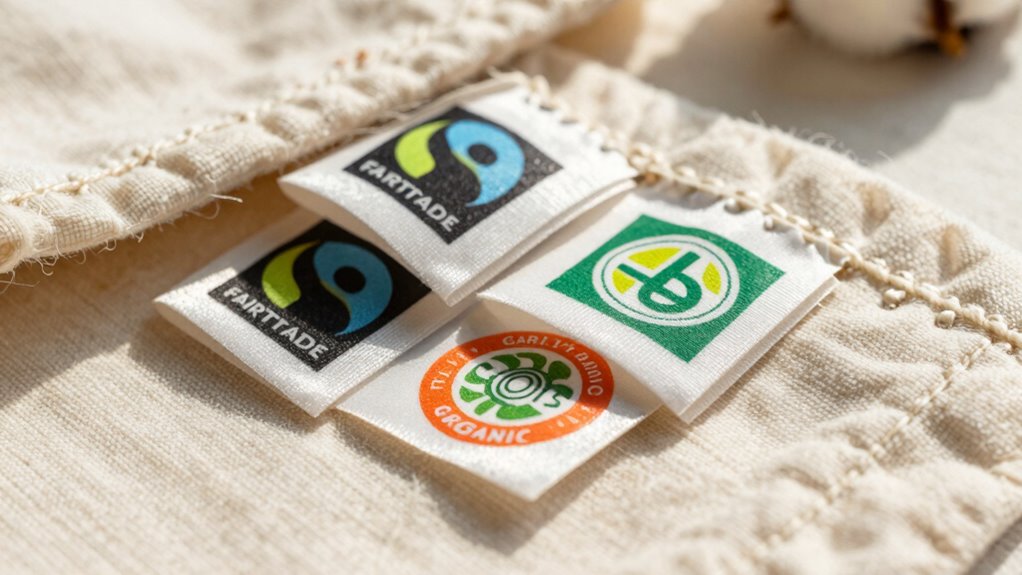
Fair trade certification plays a crucial role in guaranteeing that organic cotton benefits not just the environment, but also the people who produce it. It promotes supply chain transparency, making sure workers receive fair wages and work under safe conditions. This certification helps reduce exploitation and supports community development. By choosing fair trade organic cotton, you’re encouraging sustainable practices that minimize environmental impact, such as reduced chemical use and better resource management. It guarantees that farmers adhere to strict social and environmental standards. You get peace of mind knowing your purchase contributes to fair labor practices and eco-friendly farming.
- Supports fair wages and working conditions
- Ensures responsible environmental practices
- Promotes transparency in the supply chain
How Can You Spot Fake Organic Cotton Labels?

Recognizing authentic organic cotton labels is key to ensuring your purchase supports genuine sustainable practices. Fake labels often lack transparency or use vague terms. Look for certifications from reputable organizations like GOTS or USDA Organic, which require strict standards, including eco-friendly dyes and sustainable packaging. Be wary of labels that don’t specify the certification body or use generic claims like “all-natural” without proof. Authentic labels also often include detailed information about dyeing processes and packaging methods, confirming eco-conscious choices. If a label seems vague or overly commercial without backing details, it’s a red flag. Always research the brand and check for visible certification marks. Spotting these signs helps you avoid fake labels and guarantees your cotton is truly organic and sustainably produced.
Are Certification Costs Worth It? What They Mean for Consumers

Are certification costs justified when it comes to organic cotton labels? Absolutely, because these costs often reflect the true value of label accuracy and the assurance of organic standards. While certification fees can seem steep, they help ensure that you’re buying authentic organic cotton, which benefits both producers and consumers. The cost benefit lies in the confidence you gain, knowing your purchase supports sustainable practices. Trusted certifications reduce the risk of fake labels and guarantee the product meets strict organic criteria. Without these costs, it’s easier for false claims to slip through, misleading consumers. Investing in certified products helps promote transparency and accountability, ultimately making your purchase more meaningful and trustworthy. For you, this means making informed choices that support genuine organic farming.
Tips to Verify Organic Claims Before Buying
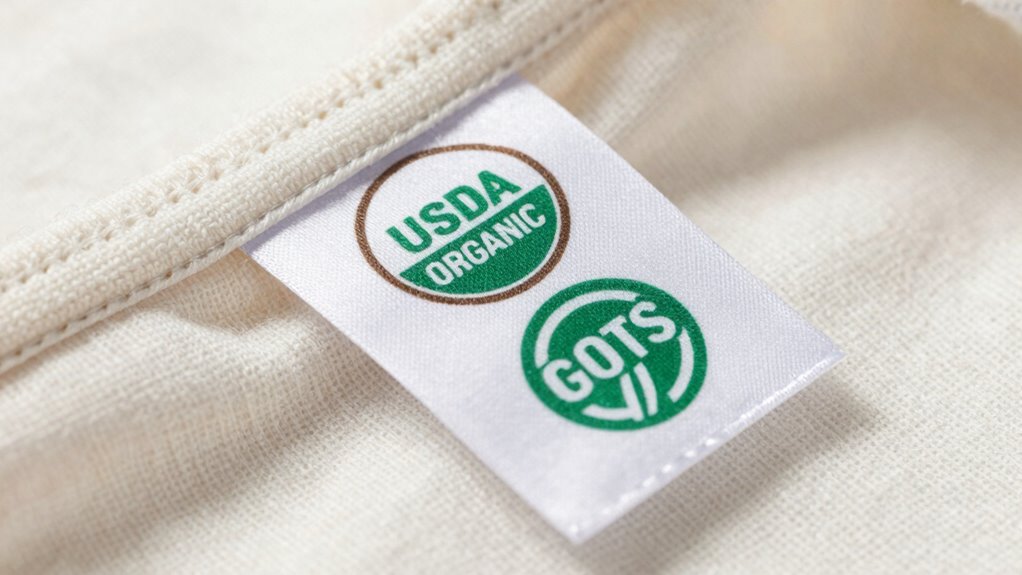
Since certification costs help verify the authenticity of organic labels, it’s important to know how to spot genuine claims before making a purchase. Look for transparent information about the farm’s practices, such as details on sustainable packaging and eco friendly dyes. Genuine organic cotton brands often provide certification numbers on labels or websites, allowing you to verify their claims directly. Be cautious of vague language like “natural” or “green,” which can be misleading. Check for third-party certifications like GOTS, which often specify environmentally friendly processes. Additionally, research the company’s sustainability initiatives—companies committed to eco friendly dyes and sustainable packaging demonstrate authenticity. By staying vigilant and informed, you can confidently choose truly organic cotton that aligns with your values.
The Future of Organic Cotton Certification Standards

As consumer demand for truly organic products grows, certification standards for organic cotton are likely to evolve to meet higher expectations. Future standards will focus more on exhaustive sustainability metrics, ensuring environmental and social impacts are thoroughly assessed. You can expect certification evolution to incorporate traceability and transparency, making it easier to verify claims. This shift aims to prevent greenwashing and promote genuine sustainability.
Consider how these changes might affect your purchasing choices:
- Broader evaluation criteria beyond basic organic practices
- Increased emphasis on social responsibility in certification processes
- Enhanced transparency through digital tracking and reporting
Frequently Asked Questions
How Do Organic Certifications Impact Pricing of Cotton Products?
Organic certifications typically increase the pricing of cotton products because they signal higher standards and greater transparency, which consumers value. When you see certified organic labels, you’re more likely to trust the product’s quality and sustainability claims. This boost in consumer trust allows brands to justify higher prices, making pricing transparency a key factor in the premium associated with certified organic cotton. Ultimately, certifications help you identify genuinely eco-friendly options.
Can Organic Cotton Labels Change Over Time?
Yes, organic cotton labels can change over time due to shifts in certification standards or updates in label design. You should watch for label consistency to guarantee ongoing trust, and consider certification longevity to confirm the product’s organic status remains valid. Staying informed about these changes helps you verify that the cotton you buy still meets the organic criteria you value, ensuring you’re supporting sustainable practices.
Are There Regional Differences in Organic Cotton Standards?
Yes, there are regional variations in organic cotton standards that can lead to certification discrepancies. You might find differences in what’s considered organic depending on the country or certifying body, which affects your confidence in labels. These regional variations mean you should look for internationally recognized certifications like GOTS to ensure consistency and trust in the organic claims, no matter where the cotton is produced.
How Do Certifications Affect Environmental Sustainability?
Certifications boost environmental sustainability by promoting supply chain transparency, ensuring that organic cotton is responsibly farmed and processed. When you see trusted labels, you can trust the product’s eco-friendly claims, which encourages brands to prioritize sustainable practices. This transparency builds consumer trust, motivating more companies to adopt environmentally conscious methods. Ultimately, certified organic cotton supports healthier ecosystems and reduces harmful chemical use, contributing positively to the planet.
What Are the Common Misconceptions About Organic Cotton Labels?
You might think all organic cotton labels are trustworthy, but beware of misleading labels fueled by certification myths. Not every label guarantees truly organic practices; some may lack rigorous standards or have loose criteria. Always research the certification body behind the label and understand what standards they enforce. Don’t fall for the misconception that all organic labels are equal—some can be more about marketing than genuine sustainability.
Conclusion
By mastering the markers of genuine certification, you can confidently choose cotton that’s truly transparent and trustworthy. Recognize reliable labels, resist replicas, and remain vigilant. Your vigilant vigilance validates values of virtue, verifies values, and vanquishes虚假. With wisdom and watchfulness, you’ll weave a world where authentic organic cotton supports sustainable, fair, and fabulous fashion. Make mindful choices, and let your mindful voice foster a future of fair, fiber-filled, and fabulous fabrics.