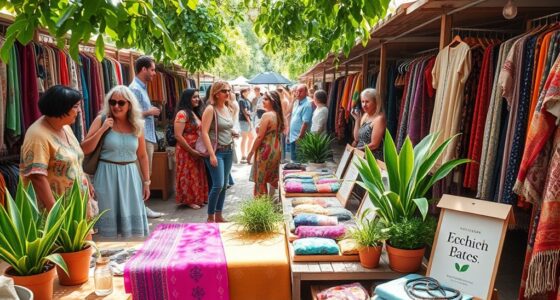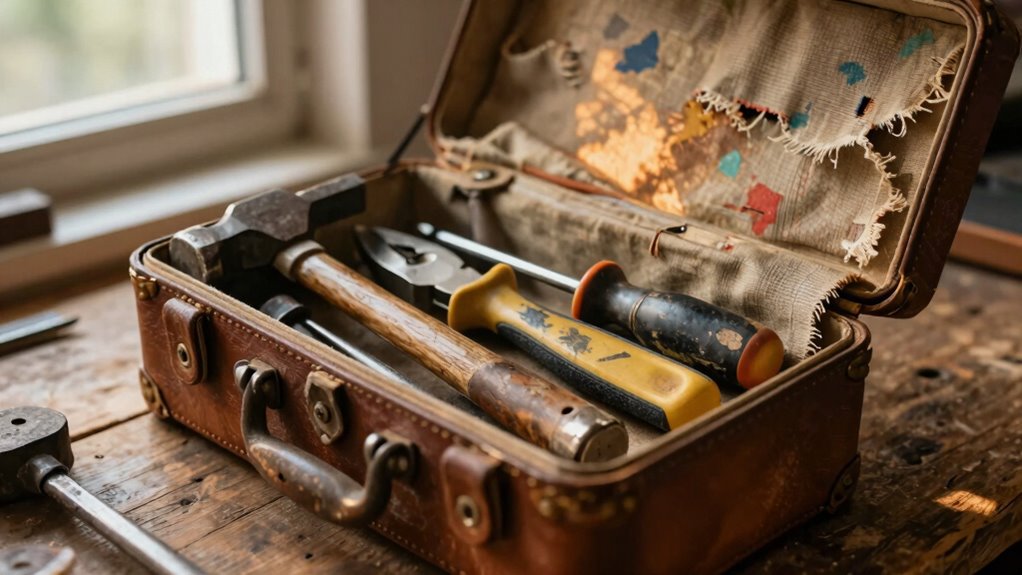

Repair culture is coming back in fashion because more people want to value quality over quantity and reduce waste. By fixing clothes instead of discarding them, you can extend their life and embrace sustainability. This shift challenges fast fashion’s throwaway mentality and promotes mindful consumption. Online tutorials and communities make repair skills accessible, empowering you to create a deeper connection with your wardrobe. If you want to see how this movement is changing fashion, keep exploring.

Get your wardrobe favorites delivered free with Prime
- Fast, free delivery on millions of items
- Prime Video, Amazon Music and more included
- Member-only deals all year
Key Takeaways
- Growing awareness of environmental issues drives demand for sustainable practices like clothing repair.
- Repair culture promotes longevity and value in garments, countering fast fashion’s disposable mindset.
- Online tutorials and social media increase accessibility and community engagement around repair skills.
- Repairing clothes reduces waste, pollution, and landfill contributions, supporting eco-conscious fashion.
- The movement fosters a deeper connection to clothing, emphasizing creativity and resourcefulness.
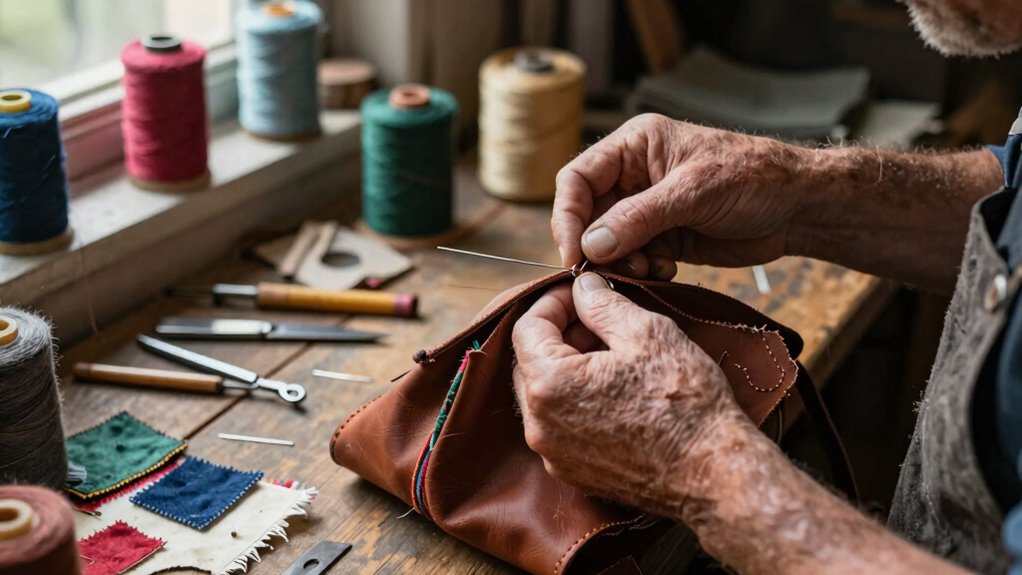
Have you noticed the growing trend of repair culture making a comeback? It’s everywhere now—people are embracing the idea of fixing what they already own instead of constantly replacing it. This shift aligns perfectly with the principles of sustainable fashion, where reducing waste and minimizing environmental impact are key goals. Instead of tossing out worn-out clothes, more individuals are opting for DIY maintenance, learning how to mend tears, replace buttons, or even alter garments to give them new life. This movement isn’t just about saving money; it’s a statement against the fast-paced, throwaway mentality that has dominated consumer culture for decades.
Repair culture is thriving, promoting sustainability and creativity over endless replacement and waste.
When you choose repair over replacement, you’re actively participating in a more sustainable way of living. Sustainable fashion isn’t just about buying eco-friendly brands; it’s about extending the lifespan of your clothes through simple repairs and thoughtful care. DIY maintenance empowers you to become more independent from mass-produced, disposable fashion. Instead of waiting for a professional to fix your favorite jacket or jeans, you’re taking control—learning basic sewing skills, using repair kits, or even repurposing fabric to patch up holes. This approach fosters a deeper connection with your wardrobe, encouraging you to see it as something valuable rather than disposable.
The revival of repair culture is also driven by a desire to challenge the fast fashion industry, which promotes rapid consumption and waste. More people are realizing that constantly buying new clothes isn’t sustainable, neither environmentally nor economically. Repair culture offers a practical alternative, allowing you to maintain your wardrobe without contributing to pollution or landfill overflow. You might start by fixing a broken zipper or sewing on a missing button, but soon you could be repairing more complex issues, transforming your attitude towards clothing. It’s empowering to take matters into your own hands and see your effort turn damaged items into something wearable again. Additionally, the environmental benefits of repair practices are increasingly recognized as a crucial part of sustainable living. Incorporating repair techniques into your routine not only helps reduce waste but also promotes a mindset of longevity and resourcefulness. Moreover, the accessibility of repair resources online has democratized the skills needed to participate in this movement, making it easier than ever for anyone to get involved.
Social media and online tutorials have made DIY maintenance more accessible than ever. Now, you can learn how to mend your clothes with just a few clicks, connecting with communities that share your values and passions. This not only makes repair easier but also instills a sense of pride and satisfaction in caring for your belongings. As more people adopt this mindset, repair culture isn’t just a trend; it’s becoming a movement that champions sustainability, creativity, and resourcefulness. By choosing to repair instead of discard, you’re helping foster a more conscious, environmentally friendly fashion landscape. Additionally, the rise of repair culture reflects a broader awareness of environmental issues and the importance of reducing waste in our daily lives. Embracing this movement also encourages mindful consumption, which is increasingly vital in today’s resource-constrained world.
clothing repair kit with sewing tools
As an affiliate, we earn on qualifying purchases.
As an affiliate, we earn on qualifying purchases.
Frequently Asked Questions
How Does Repair Culture Impact Environmental Sustainability?
Repair culture boosts environmental sustainability by promoting waste reduction, which minimizes landfill overflow and resource consumption. When you embrace repair, you’re practicing consumer empowerment, choosing to fix instead of discard. This mindset encourages responsible consumption and reduces the demand for new products, ultimately lowering your carbon footprint. By repairing, you actively contribute to a more sustainable planet and help create a culture that values durability over disposability.
What Skills Are Needed to Repair Modern Electronics?
To repair modern electronics, you need solid DIY skills and technical knowledge. You should understand circuit boards, soldering techniques, and how to use diagnostic tools. Familiarity with device schematics and software troubleshooting also helps. Practice patience, attention to detail, and safety precautions are essential. With these skills, you can diagnose problems, replace components, and extend your devices’ lifespan, contributing to sustainability and reducing electronic waste.
How Can Businesses Promote Repairability in Products?
You can promote repairability by designing products with longer lifespan and easier repair access, like Fairphone’s modular smartphone. Focus on design innovation that prioritizes durability and component replacement, encouraging consumers to repair rather than replace. Offering repair guides, spare parts, and warranty extensions also boosts trust and sustainability. This approach not only extends product lifespan but also aligns with environmentally conscious values, ultimately fostering brand loyalty and reducing electronic waste.
Is Repair Culture Accessible to All Socioeconomic Groups?
Repair culture can be accessible to all socioeconomic groups if communities promote affordable access and community engagement. You can participate by attending local repair workshops or sharing tools and resources. When communities support affordable repair options, it becomes easier for everyone to fix items instead of replacing them. This collective effort helps bridge economic gaps, making repair culture inclusive and empowering for people from diverse backgrounds.
What Are the Legal Rights Regarding Repairs in Different Countries?
Have you ever wondered if your rights protect your right to repair? Legal frameworks and consumer rights vary across countries. In some places, laws support repairs and warranty claims, making it easier to fix rather than replace. Yet, in others, restrictions or manufacturer limitations still exist. You should always check local laws, as they define your ability to access repair services and influence the sustainability of your consumer choices.
Conclusion
So, as repair culture makes its epic comeback, you’re not just fixing things—you’re rewriting the story of sustainability and mindset. Every small fix you make is a giant leap toward a better planet, proving that the power to change the world lies in your hands. Remember, by embracing repair, you’re part of a revolution so unstoppable it could shake the foundations of consumerism itself. Get ready to lead the charge—your actions are more impactful than you ever imagined.
Halloween Picks
halloween
As an affiliate, we earn on qualifying purchases.