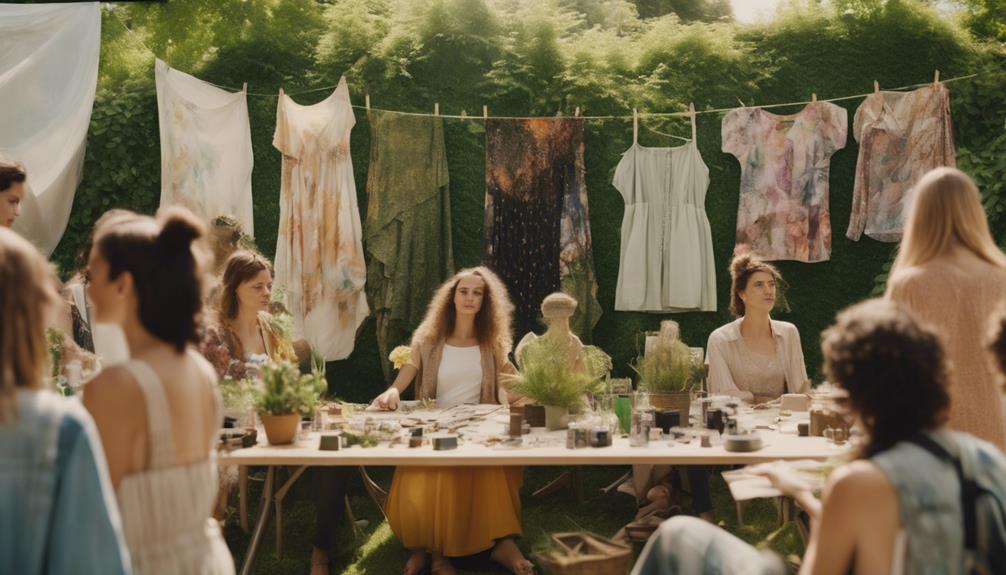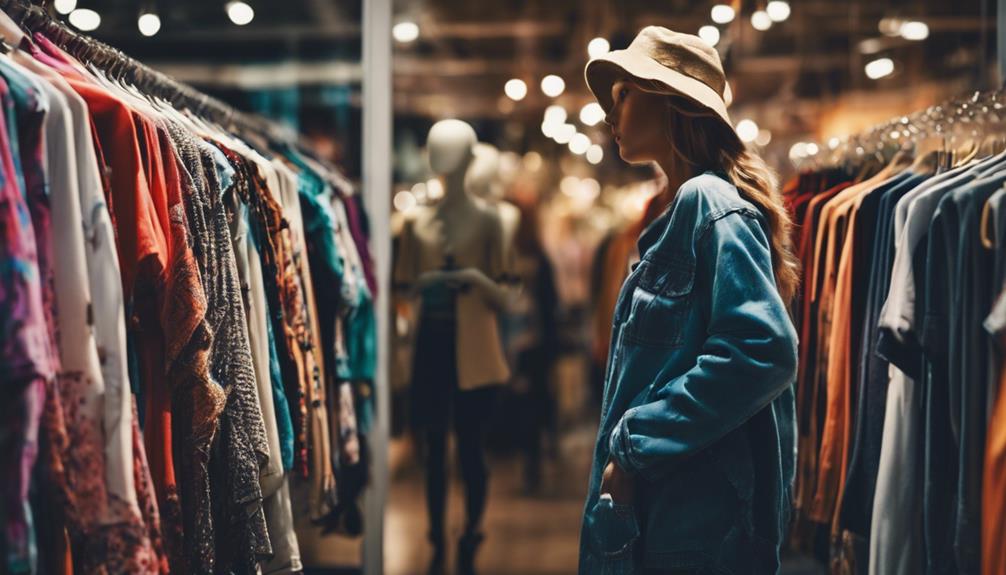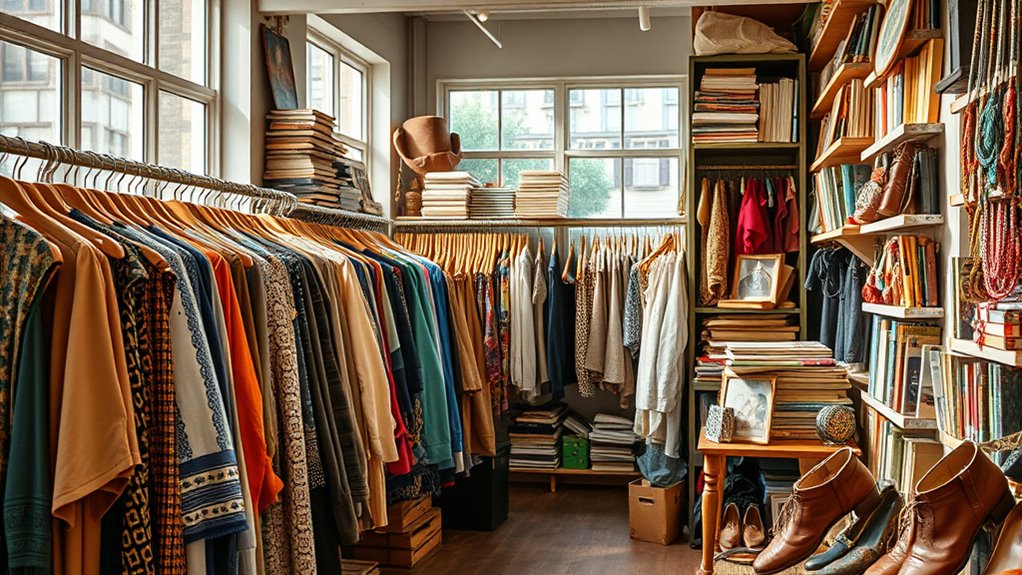

Embracing secondhand strategies like thrifting, consignment shops, and swaps helps you find unique, eco-friendly items that reflect your personal style while reducing waste. Thrifting offers vintage treasures, consignment provides high-quality pieces, and swaps let you exchange items with friends to refresh your collection. These approaches support sustainability, upcycle old finds, and save money. Keep exploring to discover more tips on how these methods can transform your space and wardrobe with creativity and purpose.
Key Takeaways
- Thrifting and consignment shops offer unique vintage items that can be personalized through upcycling.
- Swapping items with friends or at organized events promotes sustainability and resourcefulness.
- Searching beyond surface flaws in secondhand items reveals hidden potential for creative reuse.
- Incorporating secondhand finds supports eco-friendly practices and reduces waste.
- Curating vintage pieces enhances personal style and adds character to wardrobe and home decor.
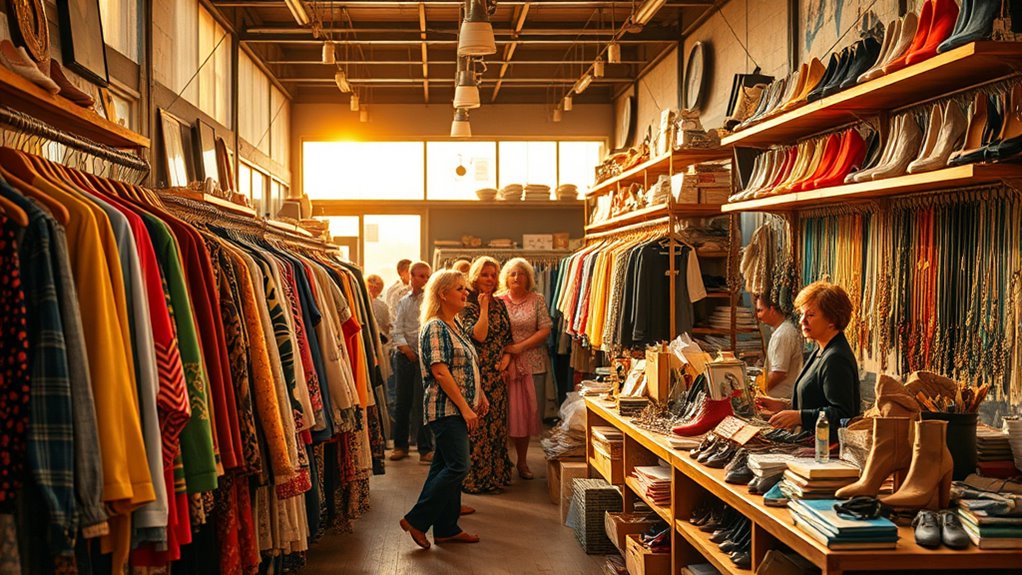
Have you ever wondered how to make the most of what you already have? When it comes to secondhand strategies, your best bet is to tap into the treasure trove of vintage finds and embrace upcycling techniques. Thrifting, consignment shops, and swaps aren’t just about saving money; they’re about transforming your approach to shopping and personal style. Vintage finds, in particular, can add character and uniqueness to your wardrobe or home, giving items a story that store-bought alternatives simply can’t match. By seeking out these timeless pieces, you’re not just building a collection—you’re curating a reflection of your personality while reducing waste.
Getting the most from vintage finds often involves more than just picking up a cool jacket or an old chair. It’s about recognizing their potential and breathing new life into them. Upcycling techniques come into play here, allowing you to take something old and give it a fresh purpose or look. For example, an outdated wooden dresser can be sanded down, painted with bold colors, or decorated with stencils to match your current aesthetic. An old t-shirt might be transformed into a tote bag with a few simple stitches. These small projects are empowering and eco-friendly, helping you create one-of-a-kind pieces that reflect your style while keeping items out of landfills.
Breathing new life into vintage finds with simple upcycling turns old into unique, eco-friendly treasures.
Thrifting and consignment shops are goldmines for these kinds of treasures. Unlike traditional retail stores, they offer a constantly changing selection of vintage and pre-loved items. You might find a retro lamp that becomes a statement piece or a vintage dress that’s perfect for a special occasion. The key is to keep an open mind and look beyond surface flaws; many imperfections can be easily fixed or incorporated into your design. Swaps are another fantastic way to refresh your wardrobe or home without spending a dime. By exchanging clothes, furniture, or decorative items with friends or at organized events, you gain access to a variety of items that can be customized with your personal touch.
Incorporating secondhand items and upcycling into your routine isn’t just about sustainability; it’s about making thoughtful choices and expressing creativity. Every vintage find or upcycled project adds a layer of individuality to your space and style. Additionally, choosing educational toys for children from secondhand sources can foster creativity and problem-solving skills while promoting sustainability. When you approach shopping with this mindset, you’re not only saving money but also reducing your environmental footprint. So, next time you’re out browsing, remember: with a little imagination, you can turn secondhand finds into something truly special, all while making smarter, more sustainable decisions.
Frequently Asked Questions
How Can I Tell if Secondhand Clothing Is High Quality?
To tell if secondhand clothing is high quality, start with fabric inspection—feel for durability and softness, avoiding thin or worn-out materials. Check stitching quality by examining seams for even, tight stitches without loose threads or gaps. Look for labels indicating reputable brands or natural fibers like wool or cotton. You should also inspect for signs of damage or repairs. If everything checks out, you’ve likely found a well-made, high-quality piece.
What Are the Best Apps for Finding Thrift Deals?
You might think finding great thrift deals is hard, but apps like Depop, Poshmark, and ThredUP make it easy. They’re perfect for discovering vintage brands and eco-friendly shopping options. These platforms let you filter searches by price, brand, and condition, saving you time and money. Plus, you can score unique, high-quality pieces directly from sellers, making thrifting fun and accessible anytime you want to hunt for sustainable fashion.
How Do I Upcycle or Repurpose Secondhand Items?
To upcycle or repurpose secondhand items, start with simple DIY projects like painting or sanding furniture to give it a fresh look. You can also transform old pieces into new functional items, such as turning a vintage ladder into a bookshelf or an outdated dresser into a storage bench. Get creative and experiment with different techniques, and don’t forget to gather some basic tools to make furniture repurposing easier and more fun.
Are There Specific Days for Better Thrift Store Discounts?
You might think certain days offer better discounts at thrift stores, and you’re right—many have specific store sales or discount days. Typically, weekends or end-of-month days feature special sales, and some stores have weekly discount days like Wednesdays or Thursdays. To maximize savings, sign up for store newsletters or follow their social media to stay updated on discount days and store sales. This way, you get the best deals when you shop secondhand.
How Do I Avoid Scams in Online Secondhand Marketplaces?
To avoid scams online, always check the seller’s reputation and read reviews carefully. Use platforms that offer buyer protection, so you’re covered if something goes wrong. Communicate clearly with the seller, ask for detailed photos, and verify authenticity before making a payment. Trustworthy sellers usually have good ratings, and buyer protection policies give you extra security, ensuring your transaction stays safe and secure.
Conclusion
By embracing thrifting, consignment, and swaps, you not only save money but also reduce waste and support sustainable practices. Did you know that the average American throws away about 81 pounds of clothing each year? Choosing secondhand options helps cut down on landfill waste and minimizes environmental impact. So, next time you shop, consider these strategies—you’re making a positive difference for the planet and your wallet. Every small change counts!