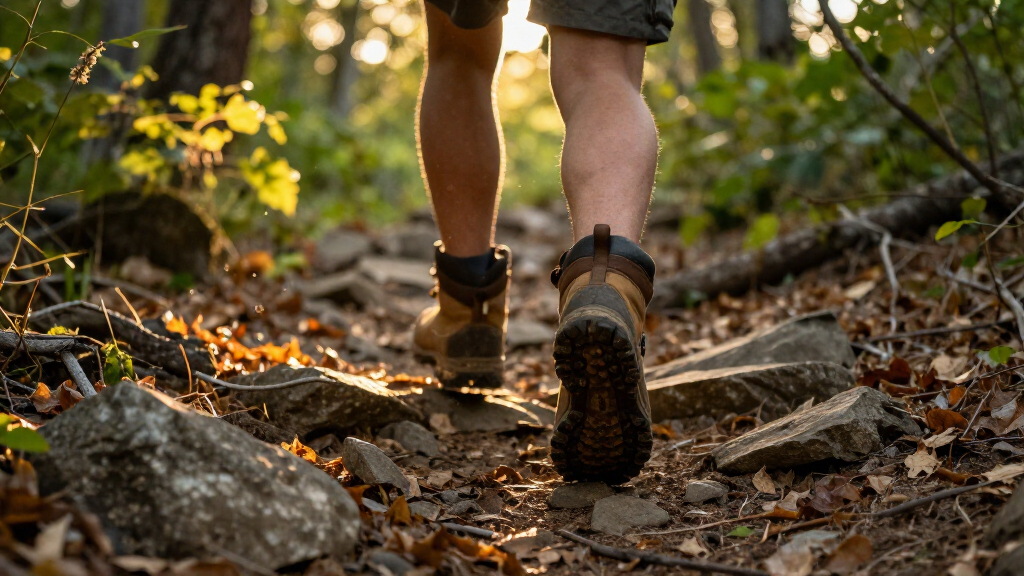
The best Timberland hiking boots balance dependable trail grip, comfortable support, and protection suited to the weather you hike in. My best overall pick is the Timberland Men’s Mt. Maddsen Waterproof Hiking Boots, a versatile mid-height option for hikers seeking waterproof coverage and ankle support. The Motion Access Mid is a strong choice for buyers who prefer a more athletic-feeling boot, while the White Ledge Mid suits those who want a traditional leather hiking design. Timberland’s lineup spans low shoes, slip-ons, and taller waterproof boots, so the main tradeoffs are weight, coverage, and how much structure you want. Read on for the full breakdown and help matching a boot to your routes.

Get your wardrobe favorites delivered free with Prime
- Fast, free delivery on millions of items
- Prime Video, Amazon Music and more included
- Member-only deals all year
Key Takeaways
- The Mt. Maddsen Waterproof Hiking Boots are my best overall pick for their balance of mid-height coverage, waterproof construction, and general trail versatility.
- Boot height changes the experience: low models such as the Mt. Maddsen Peak Low and Keele Ridge are easier to wear on mild trails, while mid boots offer more coverage around the ankle.
- Waterproofing is a use-case choice, not an automatic upgrade. It can help in rain and wet grass, but may feel less comfortable than a more breathable shoe in hot, dry conditions.
- The Motion Access Mid and Chocorua Trail Mid serve different priorities from traditional leather-leaning options: compare their activity-focused feel with the support and structure you want for longer outings.
- Several models appear twice in the supplied lineup: Flume Mid and White Ledge Mid each have duplicate entries, so buyers should compare the distinct styles rather than treat repeated listings as separate designs.
| Timberland Men’s Field Trekker Mid Lace Hiker Hiking Shoe |  | Best for Lightweight, Everyday Trails | Sole material: Rubber | Shaft height: Ankle | Shaft circumference: 9.25 inches | VIEW LATEST PRICE | See Our Full Breakdown |
| Timberland Men’s Flume Mid Waterproof Hiking Boot |  | Best for Wet-Weather Protection | Upper: Waterproof premium Timberland leather | Construction: Seam-sealed | Shaft height: Ankle | VIEW LATEST PRICE | See Our Full Breakdown |
| Timberland Men’s Mt. Maddsen Waterproof Hiking Boots |  | Best for Long-Day Cushioning | Shaft height: Ankle | Shaft circumference: 9.5 inches | Upper: Premium Timberland leather and CORDURA fabric | VIEW LATEST PRICE | See Our Full Breakdown |
| Timberland Men’s Mt. Maddsen Slip-On Hiking Shoe |  | Best for Quick On-and-Off Wear | Upper: Premium Timberland leather and synthetic leather | Lining: ReBOTL fabric with at least 50% recycled PET | Shaft height: Not applicable | VIEW LATEST PRICE | See Our Full Breakdown |
| Timberland Men’s Flume Mid Waterproof Hiking Boot |  | Best for a Secure, Adjustable Fit | Upper: Waterproof premium Timberland leather | Sole material: Rubber | Shaft height: Ankle | VIEW LATEST PRICE | See Our Full Breakdown |
| Timberland Women’s Ledge Mid Waterproof Hiking Boot |  | Best for Wet-Weather Day Hikes | Upper: Waterproof premium Timberland leather | Shaft height: Ankle | Shaft circumference: 8.75 inches | VIEW LATEST PRICE | See Our Full Breakdown |
| Timberland Redwood Falls Waterproof |  | Best for Cold, Wet Walks | Material: Premium Timberland leather | Waterproof: Yes; waterproof leather and membrane | Shaft height: Ankle | VIEW LATEST PRICE | See Our Full Breakdown |
| Timberland Men’s Motion Access Mid Waterproof Hiking Boot |  | Best for Trail Traction | Upper material: Waterproof Timberland leather and ReBOTL fabric | Shaft height: Ankle | Shaft circumference: 9.75 inches | VIEW LATEST PRICE | See Our Full Breakdown |
| Timberland Men’s Euro Hiker Boot |  | Best for Arch Support and Structure | Outer material: Leather | Shaft height: Ankle | Shaft circumference: 9.25 inches | VIEW LATEST PRICE | See Our Full Breakdown |
| Timberland Men’s Mt. Maddsen Peak Low Lace-up Waterproof Hiking Boot |  | Best Low-Profile Waterproof Pick | Upper material: Premium Timberland leather and ReBOTL fabric | Shaft height: Ankle | Shaft circumference: 9.75 inches | VIEW LATEST PRICE | See Our Full Breakdown |
| Timberland Keele Ridge Waterproof Leather Low |  | Best Low-Cut Pick | Upper: Waterproof Timberland leather and synthetic leather | Sole material: Rubber | Shaft height: Ankle | VIEW LATEST PRICE | See Our Full Breakdown |
| Timberland Men’s Chocorua Trail Mid Waterproof Hiking Boots |  | Best for Cold, Wet Hikes | Material: Premium Timberland leather | Waterproofing: Waterproof, seam-sealed construction | Sole material: Rubber | VIEW LATEST PRICE | See Our Full Breakdown |
| Timberland Men’s Mt. Maddsen Peak Mid Lace-up Waterproof Hiking Boot |  | Best for Trail Traction | Outer material: Leather | Lining material: ReBOTL fabric | Waterproofing: Waterproof design | VIEW LATEST PRICE | See Our Full Breakdown |
| Timberland Men’s White Ledge Mid Waterproof Hiking Boots |  | Best for Straightforward Trail Protection | Upper material: Waterproof premium leather | Lining: ReBOTL fabric | Sole material: Rubber | VIEW LATEST PRICE | See Our Full Breakdown |
| Timberland Men’s White Ledge Mid Waterproof Hiking Boots | 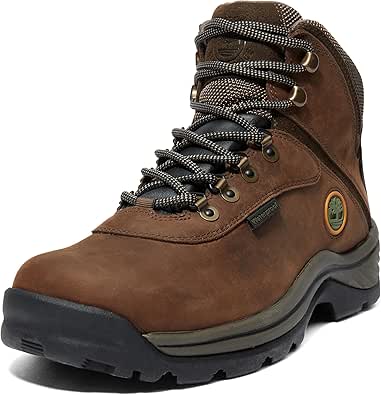 | Best for Keeping Out Trail Debris | Upper: Waterproof premium Timberland leather | Construction: Seam-sealed | Lining: ReBOTL fabric | VIEW LATEST PRICE | See Our Full Breakdown |
| Timberland hiking boot | Shaft height | Shaft circumference | Sole material | Outsole |
|---|---|---|---|---|
| Timberland Men’s Field Trekker | Ankle | 9.25 inches | Rubber | — |
| Timberland Men’s Flume Mid Wat | Ankle | — | — | Rubber with multidirectional lugs |
| Timberland Men’s Mt. Maddsen W | Ankle | 9.5 inches | — | Rubber lug |
| Timberland Men’s Mt. Maddsen S | Not applicable | — | — | Rugged rubber lug |
| Timberland Men’s Flume Mid Wat | Ankle | 9.25 inches | Rubber | — |
| Timberland Women’s Ledge Mid W | Ankle | 8.75 inches | Rubber | — |
| Timberland Redwood Falls Water | Ankle | 9.75 inches | — | — |
| Timberland Men’s Motion Access | Ankle | 9.75 inches | Rubber | Timbergrip lug |
| Timberland Men’s Euro Hiker Bo | Ankle | 9.25 inches | Rubber | Rubber lug |
| Timberland Men’s Mt. Maddsen P | Ankle | 9.75 inches | Rubber | TimberGrip lug |
| Timberland Keele Ridge Waterpr | Ankle | 9.75 inches | Rubber | — |
| Timberland Men’s Chocorua Trai | 5.63 inches | 9.5 inches | Rubber | — |
| Timberland Men’s Mt. Maddsen P | Mid | 9.75 inches | Rubber | TimberGrip lug |
| Timberland Men’s White Ledge M | Mid | 9.75 inches | Rubber | Rubber with multidirectional lugs |
| Timberland Men’s White Ledge M | Ankle | 9.75 inches | — | Rubber with multidirectional lugs |
More Details on Our Top Picks
Timberland Men’s Field Trekker Mid Lace Hiker Hiking Shoe
The Field Trekker Mid suits hikers who want an ankle-height shoe with a more casual, less weather-focused setup than the Flume Mid Waterproof Hiking Boot. Its leather and ReBOTL recycled PET materials add durability while incorporating recycled content, and the Defender Repellent Systems treatment helps shed moisture during light exposure. A compression-molded EVA midsole cushions day hikes, while the rubber sole offers grip on ordinary trail surfaces. The tradeoff is that water-repellent treatment is not the same as the Flume’s seam-sealed waterproof construction, so I would not choose it for sustained wet conditions. Its ankle shaft also gives less freedom than a low shoe, without making it a substitute for a more protective boot on demanding terrain.
Pros:- Leather and ReBOTL recycled PET combine durable materials with recycled content
- Water-repellent treatment helps handle light moisture
- Compression-molded EVA midsole provides cushioning for day hikes
- Rustproof speed lace hardware is suited to repeated outdoor use
Cons:- Water-repellent treatment does not match a seam-sealed waterproof boot for prolonged wet conditions
- Ankle-height shaft may feel restrictive to hikers who prefer low-cut footwear
Best for: Day hikers who want an ankle-height leather shoe with recycled materials for dry or changeable local trails
Not ideal for: Hikers who regularly cross wet ground or need waterproof construction; the repellent treatment is less protective than the Flume Mid’s seam-sealed design
- Sole material:Rubber
- Shaft height:Ankle
- Shaft circumference:9.25 inches
- Materials:Leather and ReBOTL recycled PET
- Water protection:Defender Repellent Systems
- Hardware:Rustproof speed lace hardware
- Midsole:Compression-molded EVA
Our verdict“Choose the Field Trekker Mid for cushioned, everyday hikes and recycled materials, but pick the waterproof Flume Mid for consistently wet trails.”
Timberland Men’s Flume Mid Waterproof Hiking Boot
When keeping water out matters more than minimizing boot-like construction, this Flume Mid is the clearest pick in this group. Its waterproof leather upper, seam-sealed construction, and gusseted tongue provide a more purposeful barrier against trail moisture than the Field Trekker Mid’s water-repellent treatment. The EVA footbed and compression-molded midsole add cushioning, while multidirectional rubber lugs help with traction across varied surfaces. Compared with the Mt. Maddsen Waterproof Hiking Boots, the Flume’s listed details emphasize waterproof construction and straightforward cushioning rather than a removable anti-fatigue footbed. Leather needs care, and the available information does not specify fit characteristics, so buyers who need a particular fit should check sizing details before choosing. This is a practical protection-first option, not the lightest or most specialized boot here.
Pros:- Waterproof leather upper and seam-sealed construction help block water
- Gusseted tongue helps limit debris and moisture entering at the laces
- EVA footbed and compression-molded EVA midsole provide cushioning
- Multidirectional rubber lugs are designed for traction on varied terrain
Cons:- Leather requires care to maintain its condition
- Does not list the removable anti-fatigue footbed found on the Mt. Maddsen
- Provided product details do not specify fit characteristics
Best for: Hikers who encounter rain, damp paths, or shallow wet sections and want a seam-sealed leather mid boot
Not ideal for: Hikers prioritizing low weight or a removable anti-fatigue footbed; the boot uses leather construction and does not list that footbed feature
- Upper:Waterproof premium Timberland leather
- Construction:Seam-sealed
- Shaft height:Ankle
- Lacing hardware:Rustproof speed lace hardware with top lace hooks
- Footbed:EVA
- Midsole:Compression-molded EVA
- Outsole:Rubber with multidirectional lugs
- Origin:Imported
Our verdict“Pick this Flume Mid if waterproof construction is your priority; choose the Mt. Maddsen if a removable anti-fatigue footbed matters more.”
Timberland Men’s Mt. Maddsen Waterproof Hiking Boots
The Mt. Maddsen Waterproof earns its place for hikers who value a removable comfort component as much as weather protection. Its removable anti-fatigue footbed lets buyers take it out for replacement or adjustment, a useful difference from the Flume Mid’s listed EVA footbed. The leather and CORDURA upper pairs with a ReBOTL lining, while the rubber lug outsole and compression-molded EVA midsole create a more trail-oriented setup than the slip-on Mt. Maddsen. A waterproof membrane is listed, making it a better fit for wet routes than the Field Trekker Mid’s repellent treatment. The tradeoff is that the product details do not describe the membrane construction or give a weight figure, so I would not assume it is lighter or more protective than the seam-sealed Flume. It is the comfort-adjustable choice, not a low-cut convenience shoe.
Pros:- Removable anti-fatigue footbed allows replacement or adjustment
- Waterproof membrane adds protection for wet trail conditions
- Leather and CORDURA upper combines distinct upper materials
- Rubber lug outsole and EVA midsole suit trail use
Cons:- Ankle-height lace-up design is less convenient than the Mt. Maddsen Slip-On
- Provided details do not specify waterproof construction method or boot weight
Best for: Hikers who spend extended days on trails and want waterproof protection with a removable anti-fatigue footbed
Not ideal for: Buyers who want easy slip-on entry or a low-profile shoe; this is an ankle-height lace-up boot
- Shaft height:Ankle
- Shaft circumference:9.5 inches
- Upper:Premium Timberland leather and CORDURA fabric
- Lining:ReBOTL fabric
- Water protection:Waterproof membrane
- Footbed:Removable anti-fatigue
- Midsole:Compression-molded EVA
- Outsole:Rubber lug
Our verdict“Choose the Mt. Maddsen Waterproof for wet hikes where a removable anti-fatigue footbed is a priority over slip-on convenience.”
Timberland Men’s Mt. Maddsen Slip-On Hiking Shoe
This Mt. Maddsen Slip-On is the convenience pick, not the boot I would choose for steep or uneven routes. Its lace-free entry makes it simpler to put on than the Mt. Maddsen Waterproof Hiking Boots or either Flume Mid, and the removable anti-fatigue footbed adds a comfort feature shared with the lace-up Mt. Maddsen. A rubber lug outsole and compression-molded EVA midsole keep it more trail-capable than an ordinary casual slip-on, while ReBOTL lining incorporates recycled PET. The main compromise is limited fit adjustment: without laces, you cannot cinch the upper to match changing foot swell or secure the shoe as firmly on rugged ground. Its lack of ankle coverage also separates it from the mid-height boots in this roundup. I see it as a simple option for easy paths and everyday wear near the trail.
Pros:- Slip-on design offers fast, uncomplicated entry
- Removable anti-fatigue footbed supports cushioning and replacement
- Rubber lug outsole provides a trail-oriented tread
- ReBOTL lining uses at least 50% recycled PET
Cons:- No laces means less ability to adjust fit and secure the foot on rough terrain
- Low shaft provides no ankle coverage
- Waterproof protection is not listed
Best for: Hikers who stick to easy trails and want a leather shoe they can put on and remove without dealing with laces
Not ideal for: People tackling rugged or uneven trails who need adjustable lockdown, ankle coverage, or the listed waterproof protection of the Flume Mid
- Upper:Premium Timberland leather and synthetic leather
- Lining:ReBOTL fabric with at least 50% recycled PET
- Shaft height:Not applicable
- Midsole:Compression-molded EVA
- Footbed:Removable anti-fatigue
- Outsole:Rugged rubber lug
- Fabric type:100% leather
- Origin:Imported
Our verdict“Choose this slip-on for easy trails and everyday convenience, but opt for a lace-up mid boot when terrain, weather, or fit security demands more.”
Timberland Men’s Flume Mid Waterproof Hiking Boot
This Flume Mid shares its name and waterproof purpose with the other Flume listing, but the supplied details make this version especially easy to assess for fit and trail protection. Its waterproof premium leather, mesh lining, and ankle-height shaft form a practical setup for hikers who want more coverage than the Field Trekker Mid. Rustproof speed-lace hardware with lace hooks lets you adjust tension, a clear advantage over the lace-free Mt. Maddsen Slip-On when the trail gets uneven. The EVA footbed and rubber sole keep the design straightforward, while the listed 9.25-inch shaft circumference adds a concrete fit reference. The tradeoff is the potential weight noted for this boot, and leather requires upkeep. Compared with the seam-sealed Flume listing, this product data does not specify seam-sealed construction or a gusseted tongue, so I would not assume those details.
Pros:- Waterproof premium Timberland leather helps protect against wet conditions
- Speed-lace hardware and lace hooks allow adjustable tension
- EVA footbed provides cushioning for day hikes
- Ankle-height shaft offers more coverage than the Mt. Maddsen Slip-On
Cons:- May feel heavy during extended hikes
- Leather needs care to maintain its condition
- Provided details do not specify seam-sealed construction
Best for: Hikers who want an ankle-height waterproof leather boot with adjustable lacing for rocky or variable trails
Not ideal for: Hikers who prioritize lightweight footwear or need documented seam-sealed construction; the listing notes possible weight and does not specify seam sealing
- Upper:Waterproof premium Timberland leather
- Sole material:Rubber
- Shaft height:Ankle
- Shaft circumference:9.25 inches
- Lining:Mesh
- Insole:EVA footbed
- Hardware:Rustproof speed lace hardware with lace hooks
Our verdict“Choose this Flume Mid for waterproof leather and adjustable ankle-height support, but compare its weight and construction details with lighter or explicitly seam-sealed alternatives.”
Timberland Women’s Ledge Mid Waterproof Hiking Boot
The Women’s Ledge Mid is the clearest choice here for hikers who want a straightforward waterproof boot rather than extra insulation or trail-focused outsole details. Its waterproof leather upper and fully gusseted tongue help limit water getting in around the foot and laces, while the OrthoLite footbed and EVA midsole add cushioning for day hikes. Compared with the insulated Redwood Falls, this boot is a better fit for milder conditions and active walking; it skips the warmth that can feel excessive on a strenuous hike. Its D-ring lacing gives the upper a secure, adjustable fit, though the listing provides no specific outsole traction technology. I would choose it for wet paths and everyday hikes, but look elsewhere for cold-weather insulation or a more trail-specific grip system.
Pros:- Waterproof premium leather upper helps keep feet dry in wet conditions.
- Fully gusseted tongue reduces openings where water and debris can enter.
- OrthoLite footbed and EVA midsole provide cushioning for day hikes.
- D-ring lacing allows a secure, adjustable fit.
Cons:- No insulation is listed, making it less suited to cold-weather hikes than the Redwood Falls.
- The product details do not specify a technical lug outsole for demanding trail grip.
Best for: Women seeking a mid-height waterproof boot for day hikes in wet, mild conditions who value cushioning over insulation.
Not ideal for: Hikers tackling cold-weather outings who need built-in insulation, or buyers prioritizing a named high-traction outsole.
- Upper:Waterproof premium Timberland leather
- Shaft height:Ankle
- Shaft circumference:8.75 inches
- Sole material:Rubber
- Lacing system:D-ring
- Footbed:OrthoLite
- Midsole:EVA
- Origin:Imported
Our verdict“Choose the Women’s Ledge Mid for cushioned waterproof coverage on mild day hikes, not for cold conditions or technical-trail traction priorities.”
Timberland Redwood Falls Waterproof
The Redwood Falls Waterproof stands apart from the hiking-focused Motion Access by prioritizing warmth and comfort for cold, damp outings. Waterproof leather, a waterproof membrane, and PrimaLoft insulation make it the strongest pick in this group for chilly weather, while the anti-fatigue comfort system is aimed at keeping long stretches on foot more comfortable. Its rubber outsole supports everyday traction, but the moc-toe build and insulation suggest a heavier, less nimble feel than a lighter trail boot. That weight may be welcome in cold conditions and tiring on steep or fast-paced hikes. The recycled fabric lining adds a materials-conscious detail, but this is not the most versatile choice for warm-weather trail use. I would pick it for cold walks and casual outdoor wear, not summer mileage.
Pros:- Waterproof leather and membrane offer protection in wet conditions.
- PrimaLoft insulation adds warmth for cold-weather outings.
- Anti-fatigue comfort system is designed for extended time on foot.
- Recycled fabric lining adds a sustainability-minded material choice.
Cons:- Insulation can make the boot feel heavy and overly warm during active or mild-weather hikes.
- The leather construction may need a break-in period.
- The moc-toe, insulated design is less trail-focused than the Motion Access.
Best for: Hikers and outdoor walkers who spend time in cold, wet conditions and want insulation for casual trails and everyday wear.
Not ideal for: Warm-weather hikers or people seeking a lightweight boot for steep, fast-paced trails.
- Material:Premium Timberland leather
- Waterproof:Yes; waterproof leather and membrane
- Shaft height:Ankle
- Shaft circumference:9.75 inches
- Outsole material:Rubber
- Insulation:PrimaLoft
- Lining:Leather
- Closure:Rustproof speed lace hardware
Our verdict“Pick the Redwood Falls for warmth and waterproofing on cold-weather walks, but choose a lighter hiking boot for warm or demanding trail days.”
Timberland Men’s Motion Access Mid Waterproof Hiking Boot
For hikers who put grip ahead of cold-weather warmth, the Motion Access Mid is a more trail-oriented choice than the insulated Redwood Falls. Its Timbergrip lug outsole gives this boot a defined traction feature, while the waterproof leather and ReBOTL fabric upper help protect against wet conditions. A gusseted tongue also closes off a common route for water and trail debris. The ankle-height design keeps coverage practical without specifying a taller shaft, but the product details do not list a dedicated cushioning system, so comfort-minded buyers may prefer the Ledge Mid with its OrthoLite footbed and EVA midsole. The tradeoff is a potentially heavier feel and conventional lace-up fit. I would favor this model for wet, varied trails, not for buyers seeking insulation or the simplest on-and-off boot.
Pros:- Timbergrip lug outsole provides a specific traction-focused design.
- Waterproof leather and ReBOTL fabric upper suit wet trail conditions.
- Gusseted tongue helps keep water and debris from entering.
- Ankle-height profile offers coverage without a taller boot shaft.
Cons:- May feel heavy during extended wear.
- No footbed or midsole cushioning details are provided, unlike the Women’s Ledge Mid.
- Lace-up closure takes longer to put on and adjust than a slip-on.
Best for: Hikers who want waterproof ankle coverage and a named lug outsole for wet, varied trails.
Not ideal for: Cold-weather hikers needing insulation, or buyers who prioritize a listed cushioned footbed and quick entry.
- Upper material:Waterproof Timberland leather and ReBOTL fabric
- Shaft height:Ankle
- Shaft circumference:9.75 inches
- Lining:ReBOTL fabric
- Outsole:Timbergrip lug
- Sole material:Rubber
- Tongue:Gusseted
Our verdict“Choose the Motion Access Mid for waterproof trail coverage and lugged traction, provided insulation and a specified cushioned footbed are not your priorities.”
Timberland Men’s Euro Hiker Boot
The Euro Hiker is the structured, less weather-specialized option in this group. Its steel shank, EVA footbed and midsole, and rubber lug outsole make it a sensible pick for buyers who want underfoot support and dependable traction for outdoor use. Compared with the waterproof Motion Access Mid, the Euro Hiker’s supplied details do not list waterproofing, so I would not make it my first choice for consistently wet trails. It does stand out for its stated arch support and use of responsibly sourced leather and ReBOTL fabric containing at least 50% recycled plastic. Leather can feel stiff at first, and the specs do not identify a cushioning technology beyond EVA. This boot makes more sense for supportive day-to-day outdoor wear than for hikers who need waterproof protection.
Pros:- Steel shank adds structure underfoot.
- EVA footbed and midsole provide a cushioning base.
- Rubber lug outsole is suited to outdoor traction.
- ReBOTL fabric and responsibly sourced leather offer materials-conscious construction.
Cons:- Waterproofing is not specified, unlike the Motion Access Mid.
- Leather may feel stiff during the initial break-in period.
- No specific cushioning system or sizing details are provided.
Best for: Buyers seeking an ankle-height outdoor boot with arch support, a steel shank, and recycled-material content for dry trails and everyday wear.
Not ideal for: Hikers who need confirmed waterproof protection or a boot with a stated waterproof membrane for wet trails.
- Outer material:Leather
- Shaft height:Ankle
- Shaft circumference:9.25 inches
- Footbed:EVA
- Midsole:EVA
- Outsole:Rubber lug
- Sole material:Rubber
- Steel shank:Yes
Our verdict“Choose the Euro Hiker for structured support and lugged traction on drier outings, but select a waterproof model for frequent wet-trail use.”
Timberland Men’s Mt. Maddsen Peak Low Lace-up Waterproof Hiking Boot
The Mt. Maddsen Peak Low keeps the lineup’s trail-ready materials in a lower-profile lace-up design. Its waterproof leather and ReBOTL fabric upper pair with a TimberGrip lug outsole, while the cushioned EVA footbed helps soften the feel underfoot on walking days. Compared with the Motion Access Mid, this version shares TimberGrip traction and waterproof materials but offers a more compact-feeling ankle-height profile; it does not provide a taller shaft for extra coverage. The Redwood Falls is the better option for insulation, while this boot is the more practical pick for milder wet-weather activity. The tradeoffs are a potentially stiff initial fit and laces that may need readjustment. I would choose it for low-profile waterproof use, but not for buyers seeking cold-weather warmth or fast slip-on convenience.
Pros:- Waterproof leather and ReBOTL fabric upper help protect in wet conditions.
- TimberGrip lug outsole is designed for trail traction.
- EVA footbed provides cushioning underfoot.
- ReBOTL lining adds recycled fabric to the construction.
Cons:- May feel stiff before breaking in.
- Laces may need frequent adjustment during wear.
- Does not offer the insulation found in the Redwood Falls.
Best for: Hikers who want a waterproof, ankle-height boot with a TimberGrip outsole and EVA cushioning for mild-weather trails.
Not ideal for: Cold-weather hikers who need insulation, or buyers who want a taller shaft or quick slip-on entry.
- Upper material:Premium Timberland leather and ReBOTL fabric
- Shaft height:Ankle
- Shaft circumference:9.75 inches
- Lacing style:Lace-up
- Lining material:ReBOTL fabric
- Footbed:EVA
- Outsole:TimberGrip lug
- Sole material:Rubber
Our verdict“Pick the Mt. Maddsen Peak Low for waterproof coverage, EVA cushioning, and lugged traction in a low-profile format, not for cold hikes or taller-shaft support.”
Timberland Keele Ridge Waterproof Leather Low
The Keele Ridge Low suits hikers who want waterproof leather protection without the coverage of a mid boot. Its OrthoLite comfort foam insole adds cushioning for day hikes, while the rubber outsole is described as offering traction on varied terrain. Compared with the White Ledge Mid, this lower-cut design gives up some ankle coverage in exchange for a less enclosing feel; it may appeal to hikers who find taller boots restrictive. The upper combines waterproof Timberland leather with synthetic leather, and the ReBOTL material contains at least 50% recycled PET. The tradeoff is that waterproof construction can feel heavier than non-waterproof footwear, and this low model is not the pick for buyers seeking mid-height support or insulation for cold outings.
Pros:- Waterproof Timberland leather and synthetic leather upper
- OrthoLite comfort foam insole for cushioning
- Rubber outsole designed for traction on varied terrain
- ReBOTL material contains at least 50% recycled PET
Cons:- May feel heavier than non-waterproof hiking footwear
- Low cut provides less ankle coverage than the White Ledge Mid
- No insulation is specified for cold-weather hikes
Best for: Day hikers who want a waterproof leather boot with a lower cut and cushioning for varied trails
Not ideal for: Hikers who want mid-height ankle coverage or a lightweight, non-waterproof shoe for warm-weather walks
- Upper:Waterproof Timberland leather and synthetic leather
- Sole material:Rubber
- Shaft height:Ankle
- Shaft circumference:9.75 inches
- Insole:OrthoLite comfort foam
- ReBOTL material:Contains at least 50% recycled PET
Our verdict“Choose the Keele Ridge Low if you want waterproof leather and cushioning in a lower-cut boot, not mid-height coverage.”
Timberland Men’s Chocorua Trail Mid Waterproof Hiking Boots
The Chocorua Trail Mid is the clearest choice here for hikers who need warmth alongside waterproof protection. Its PrimaLoft insulation adds cold-weather comfort without relying on a bulky lining, while seam-sealed construction helps keep water out. The anti-fatigue technology is another advantage for long days on foot, a comfort feature not listed for the White Ledge Mid. A rubber lug outsole supports traction, and the 5.63-inch shaft offers more coverage than the Keele Ridge Low. That extra protection comes with tradeoffs: a taller, insulated boot may feel heavier and less flexible than a low-cut option, and the shaft may restrict ankle movement for some hikers. I’d choose it for chilly, damp outings rather than warm-weather trails or buyers prioritizing a light, unrestricted feel.
Pros:- Waterproof, seam-sealed construction
- PrimaLoft insulation adds warmth without a bulky design
- Anti-fatigue technology is intended to support all-day comfort
- Rubber lug outsole provides trail traction
Cons:- May feel heavier than lightweight hiking shoes
- Taller shaft may restrict ankle movement for some wearers
- Insulation may feel excessive on warm hikes
Best for: Hikers taking on cold, wet trails who want insulation, waterproofing, and added shaft coverage
Not ideal for: Warm-weather hikers or those who prioritize a light boot and unrestricted ankle movement
- Material:Premium Timberland leather
- Waterproofing:Waterproof, seam-sealed construction
- Sole material:Rubber
- Shaft height:5.63 inches
- Shaft circumference:9.5 inches
- Insulation:PrimaLoft
- Lining:Leather lining
Our verdict“Pick the Chocorua Trail Mid for cold, wet hikes where insulation matters more than a lightweight, flexible feel.”
Timberland Men’s Mt. Maddsen Peak Mid Lace-up Waterproof Hiking Boot
The Mt. Maddsen Peak Mid earns its place for hikers who put outsole grip high on their checklist. Its TimberGrip lug outsole is the standout differentiator, paired with a waterproof design and a leather upper for trail use. The EVA footbed offers cushioning, while the ReBOTL fabric lining brings recycled material into the build. Compared with the White Ledge Mid, this model makes its traction story more explicit through the TimberGrip name; the White Ledge instead lists multidirectional lugs and a fully gusseted tongue. The Peak Mid’s lace-up closure allows adjustment, though it takes more time to fasten than a slip-on. Its mid-height build may also feel heavy to some hikers, so buyers seeking a minimal shoe or quick on-and-off footwear should look elsewhere.
Pros:- TimberGrip lug outsole is designed for trail traction
- Waterproof design for outdoor use
- Leather upper paired with ReBOTL fabric lining
- EVA footbed provides cushioning
Cons:- May feel heavy to some hikers
- Lace-up closure takes time to adjust
- Mid-height coverage may feel less flexible than a low-cut shoe
Best for: Hikers who want a waterproof mid boot with a named lug outsole and adjustable lace-up fit
Not ideal for: Buyers seeking a lightweight trail shoe or footwear that is quick to put on without lacing
- Outer material:Leather
- Lining material:ReBOTL fabric
- Waterproofing:Waterproof design
- Sole material:Rubber
- Shaft height:Mid
- Shaft circumference:9.75 inches
- Closure:Lace-up
- Footbed:EVA
- Outsole:TimberGrip lug
Our verdict“Choose the Mt. Maddsen Peak Mid if you want a waterproof lace-up boot with TimberGrip lugs and accept a heavier, slower-to-fasten design.”
Timberland Men’s White Ledge Mid Waterproof Hiking Boots
The White Ledge Mid is a practical pick for hikers who want familiar mid-height coverage, waterproof leather, and cushioning without a stated insulation system. Its gusseted tongue helps limit water and debris entry, while rustproof speed-lace hardware is built for outdoor use. The EVA footbed and midsole provide cushioning, and the rubber outsole has multidirectional lugs. Compared with the insulated Chocorua Trail Mid, this White Ledge is better suited to hikes where warmth is not the main requirement; compared with the Mt. Maddsen Peak Mid, its listed traction relies on multidirectional lugs rather than TimberGrip. The tradeoffs are its mid-height feel, which may restrict some ankles, and a less casual-looking design. Its weight is not specified, so weight-conscious buyers have less information to work with.
Pros:- Waterproof premium leather upper
- Gusseted tongue helps block water and debris
- EVA footbed and midsole provide cushioning
- Multidirectional rubber lugs and rustproof lace hardware
Cons:- Mid-height shaft may feel restrictive to some hikers
- Weight is not specified, making it harder to judge for weight-sensitive buyers
- Outdoor-focused design may be less suited to casual wear
Best for: Day hikers who want waterproof leather, mid-height coverage, and basic cushioning without added insulation
Not ideal for: Hikers who need a specified lightweight boot, a low-cut fit, or insulation for cold-weather outings
- Upper material:Waterproof premium leather
- Lining:ReBOTL fabric
- Sole material:Rubber
- Shaft height:Mid
- Shaft circumference:9.75 inches
- Hardware:Rustproof speed-lace hardware with lace hooks
- Insole:EVA footbed
- Midsole:EVA
- Outsole:Rubber with multidirectional lugs
Our verdict“Choose this White Ledge Mid for straightforward waterproof protection and cushioning when you do not need insulation or a low-cut profile.”
Timberland Men’s White Ledge Mid Waterproof Hiking Boots
This White Ledge version is a strong fit for hikers who want a sealed-feeling mid boot with a focus on keeping trail grit and moisture out. The seam-sealed construction and fully gusseted tongue work alongside the waterproof premium Timberland leather upper; the EVA footbed and midsole add cushioning underfoot. Like the other White Ledge Mid in this lineup, it uses a rubber outsole with multidirectional lugs, but this listing specifically calls out the seam-sealed build and gusseted tongue. That makes it distinct from the Keele Ridge Low, which offers a lower cut and OrthoLite cushioning instead. The tradeoff is a mid-height profile that may feel restrictive, and the supplied product details do not specify weight. Choose it for wet, debris-prone trails, not for a low-profile or weight-specific buying priority.
Pros:- Waterproof premium Timberland leather with seam-sealed construction
- Fully gusseted tongue helps keep debris out
- EVA footbed and midsole provide cushioning
- Rubber outsole has multidirectional lugs
Cons:- Mid-height profile may feel restrictive to some wearers
- Weight is not specified
- No insulation is listed for cold-weather use
Best for: Hikers on wet or debris-prone trails who want a waterproof mid boot with a fully gusseted tongue
Not ideal for: Hikers who prefer low-cut footwear, need a specified boot weight, or want insulation for cold conditions
- Upper:Waterproof premium Timberland leather
- Construction:Seam-sealed
- Lining:ReBOTL fabric
- Footbed:EVA
- Midsole:EVA
- Outsole:Rubber with multidirectional lugs
- Lacing:Rustproof speed-lace hardware with top lace hooks
- Shaft height:Ankle
- Shaft circumference:9.75 inches
Our verdict“Choose this White Ledge Mid if a seam-sealed build and gusseted tongue matter more to you than a low-cut profile or listed weight.”

How We Picked
I ranked these Timberland options around the needs that separate hiking footwear in practice: trail-appropriate support, weather protection, outsole grip, comfort potential, and versatility. I also weighed each design’s height and closure style, since a low lace-up, a mid boot, and a slip-on answer different needs even within the same brand. The descriptions supplied do not establish comparative lab results or firsthand testing, so I avoid claims that one boot has proven superior traction or durability.
The ranking favors models that appear to offer a useful balance for a broad range of day hikes, then gives more specialized designs a place where their format makes sense. Waterproof mids rank well for buyers facing changing weather, while low-cut options and slip-ons are better matches for lighter outings or specific preferences. Repeated Flume Mid and White Ledge Mid listings are treated as duplicate models, not as separate advantages. Fit, sock choice, terrain, and the exact model version can affect the final decision, so I recommend checking current product details before buying.
| Timberland hiking boot | Midsole | Footbed | Outsole | Lining |
|---|---|---|---|---|
| Timberland Men’s Field Trekker | Compression-molded EVA | — | — | — |
| Timberland Men’s Flume Mid Wat | Compression-molded EVA | EVA | Rubber with multidirectional lugs | — |
| Timberland Men’s Mt. Maddsen W | Compression-molded EVA | Removable anti-fatigue | Rubber lug | ReBOTL fabric |
| Timberland Men’s Mt. Maddsen S | Compression-molded EVA | Removable anti-fatigue | Rugged rubber lug | ReBOTL fabric with at least 50% recycled PET |
| Timberland Men’s Flume Mid Wat | — | — | — | Mesh |
| Timberland Women’s Ledge Mid W | EVA | OrthoLite | — | — |
| Timberland Redwood Falls Water | — | — | — | Leather |
| Timberland Men’s Motion Access | — | — | Timbergrip lug | ReBOTL fabric |
| Timberland Men’s Euro Hiker Bo | EVA | EVA | Rubber lug | — |
| Timberland Men’s Mt. Maddsen P | — | EVA | TimberGrip lug | — |
| Timberland Keele Ridge Waterpr | — | — | — | — |
| Timberland Men’s Chocorua Trai | — | — | — | Leather lining |
| Timberland Men’s Mt. Maddsen P | — | EVA | TimberGrip lug | — |
| Timberland Men’s White Ledge M | EVA | — | Rubber with multidirectional lugs | ReBOTL fabric |
| Timberland Men’s White Ledge M | EVA | EVA | Rubber with multidirectional lugs | ReBOTL fabric |
Factors to Consider When Choosing Best Timberland Hiking Boots
Choosing among Timberland hiking boots is less about finding a single winner and more about matching the boot’s coverage and construction to your routes. I would start with the terrain and weather you actually encounter, then weigh fit and break-in against the amount of support you need.
Match Boot Height to Terrain and Load
A mid boot can provide more coverage around the ankle, which some hikers prefer on uneven ground or when carrying a loaded pack. A low-cut hiking shoe is often easier to move in and may feel less cumbersome on maintained paths and short day hikes. Height alone does not prevent a rolled ankle, so do not choose a taller boot as a substitute for steady footing or careful pacing. Consider the shape of your routes, how much gear you carry, and whether you like ankle coverage before deciding. A common mistake is buying the tallest style available even when most outings are on flat, dry trails. If you regularly switch between easy paths and rougher terrain, a supportive mid may be the more flexible one-pair choice.
Treat Waterproofing as a Weather Tradeoff
Waterproof construction can be useful in rain, damp brush, and shallow puddle crossings, but it is not the same as a guarantee that water cannot enter from the top. In warm weather, a waterproof boot may feel less airy than footwear designed with ventilation as a priority. Think about the conditions you hike in most often rather than choosing waterproofing just because it sounds like extra protection. If your routes are usually dry and hot, comfort and ventilation may matter more than wet-weather coverage. For wet seasons or variable forecasts, a waterproof mid can reduce the discomfort of soggy socks. Pair your choice with socks suited to the conditions, and allow boots to dry fully between outings.
Prioritize Fit Before Features
A boot with useful trail features can still be a poor choice if it rubs, pinches, or lets your foot slide. Try footwear with the socks you expect to hike in, and check that toes have room at the front while the heel stays secure. Feet can swell over a long walk, so a fit that feels merely snug indoors may become uncomfortable on the trail. Do not assume two Timberland models in the same labeled size will feel identical, especially when comparing a low shoe with a structured mid boot. Check the seller’s size guidance and return terms before ordering online. If you use orthotics, confirm that the footbed can accommodate them without crowding your toes.
Choose Structure for Your Pack and Distance
The support you need depends partly on the weight you carry and how long you spend on your feet. A lighter low-cut option may suit short outings with a small daypack, while a more structured mid boot can feel preferable when carrying extra gear over uneven ground. More structure can bring extra weight and a less flexible feel, so it is not automatically better for every hiker. A frequent buying mistake is focusing only on ankle height and ignoring the overall stiffness and fit of the boot. If possible, compare how the footwear bends and feels underfoot before committing to a long hike. For a first outing in any new pair, choose a short route so you can spot pressure points early.
Look Beyond the Waterproof Label
Water resistance is only one part of trail readiness: outsole pattern, fit security, and the condition of the footwear all affect how a boot performs. Mud, slick rock, and loose gravel place different demands on a sole, so match the design to your usual surfaces rather than assuming every hiking boot grips every trail equally. Leather and other upper materials may also call for different cleaning and drying habits. Check the manufacturer’s care instructions, remove dirt after muddy hikes, and avoid drying boots directly beside intense heat. If you want one pair for both trail walks and everyday wear, weigh comfort and versatility against the compromises of a more specialized hiking design. Paying more makes sense only when the added construction or fit better suits your routes and use.
Frequently Asked Questions
Which Timberland hiking boot is the best all-around choice in this lineup?
I name the Men’s Mt. Maddsen Waterproof Hiking Boots the best overall because the mid height and waterproof design suit a broad range of day-hiking conditions. The Motion Access Mid is worth comparing if you prefer an athletic-style option, while the White Ledge Mid offers a more traditional boot profile. No single model will suit every foot shape or climate, so fit should decide between close contenders. Before buying, check the exact product details and try the boots with your usual hiking socks. For consistently hot, dry hikes, a low or less weather-focused option may be more comfortable.
Should I choose a waterproof mid boot or a low hiking shoe?
Choose a waterproof mid if wet conditions and extra ankle coverage are regular concerns on your routes. A low shoe may suit maintained trails, warm weather, and outings where freedom of movement matters more than coverage. Waterproofing can feel warmer, so it may be a drawback for dry summer hikes. Low footwear also offers less material around the ankle, which some buyers may not prefer on rough ground. Think about your usual weather and terrain, not the most demanding hike you might take once a year.
Are the Flume Mid and White Ledge Mid listed twice different boots?
Each name appears twice in this roundup, so the repeated entries should not be treated as separate models based on the information provided. A duplicate listing may reflect a repeated product entry rather than a meaningful design difference. Check the product page for the exact model name, color, and any version details before comparing listings. If the specifications match, use the fit and return options to guide your choice instead of assuming one listing has better construction. The buying decision should focus on the model itself, not its repeated placement.
Do I need mid-height boots for a first hiking boot?
No; a first-time hiker may find a low-cut option easier to wear on simple, well-maintained paths, especially with a light daypack. A mid boot can be a better fit if you value more ankle coverage or often encounter uneven, wet trails. Neither height removes the need for a secure fit and careful foot placement. Start by thinking about the terrain and distance you expect to hike most often. Whichever style you choose, wear it on shorter walks before relying on it for a long outing.
When is it worth choosing a more structured Timberland boot over a lighter option?
A more structured boot may be a better match for longer days, uneven trails, or carrying more gear, especially if you like a supportive, secure feel. Lighter footwear can be more appealing for short hikes and easier routes where flexibility matters more than added coverage. The tradeoff is that structure can add weight and feel less nimble. Use your usual hike, not an occasional ambitious plan, as the deciding reference point. If comfort is uncertain, check the fit indoors and confirm the return policy before taking the boots outside.
Conclusion
For most shoppers, my best overall recommendation is the Men’s Mt. Maddsen Waterproof Hiking Boots, while the best value direction is to choose the simplest suitable model among the Flume Mid, White Ledge Mid, and other options rather than paying for features your trails do not require. The lineup does not provide enough evidence to name a distinct best premium boot, so I would reserve a higher-spend choice for a model whose fit and construction clearly suit longer or rougher hikes. For beginners, I recommend starting with a comfortable, versatile mid boot if your routes vary, or a low style for easy, dry trails. For wet-weather hikers, focus on waterproof mid designs; for lighter, warm-weather outings, compare the Mt. Maddsen Peak Low or Keele Ridge. Confirm fit and model details before buying, since those factors matter more than the name alone.
Halloween Picks
halloween
As an affiliate, we earn on qualifying purchases.